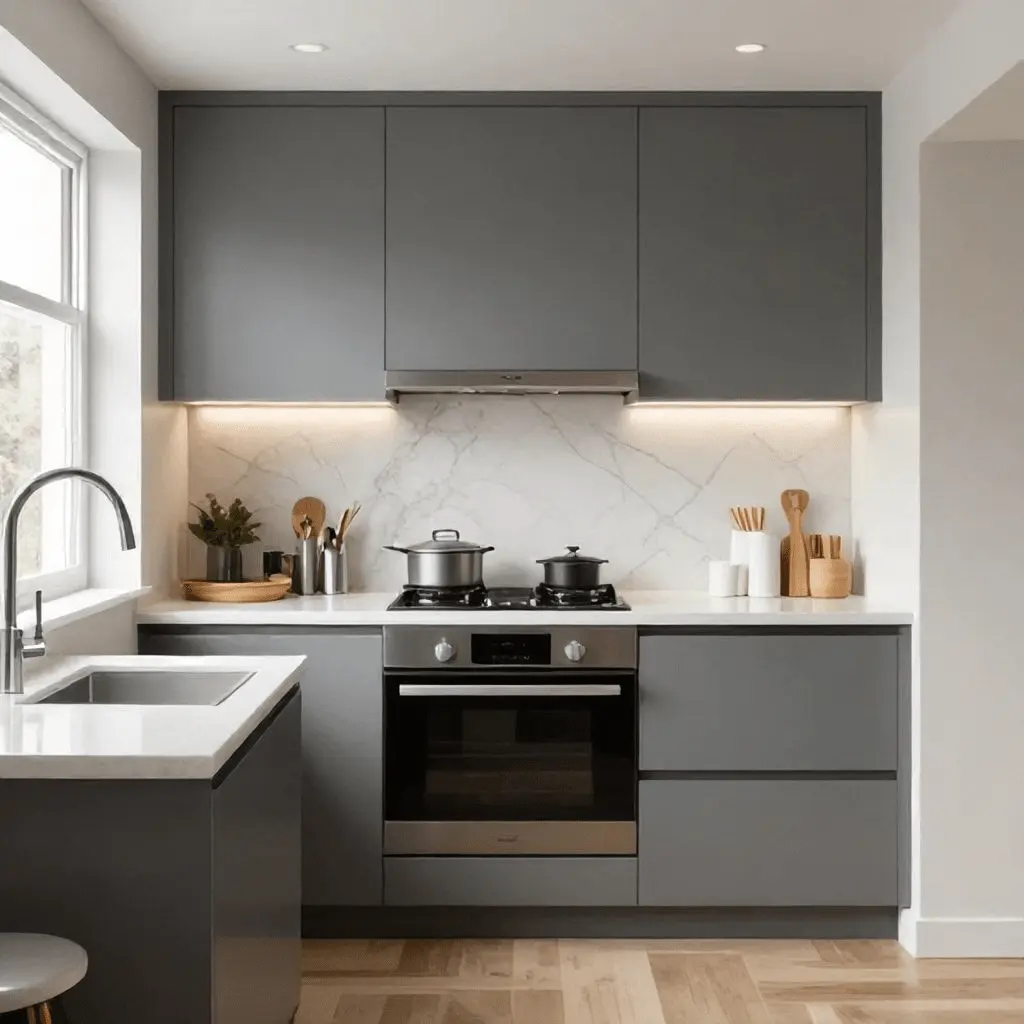
15+ Smart Remodeling Ideas for Small Kitchen
Introduction
smart remodeling ideas for small kitchen, a small kitchen is not a limitation. It is an invitation to think smarter, design with greater intention, and transform every inch of available space into something that works beautifully for the way you actually live. Many homeowners look at a compact kitchen and see constraints. Skilled designers look at the same space and see unlimited potential.
The truth is, some of the most functional, stylish, and well-organized kitchens in the world are small ones. The key lies in knowing which remodeling ideas deliver the greatest impact without overwhelming the space, draining your budget, or compromising the things you love about cooking and gathering in your home.
Whether you are working with a narrow galley layout, a square apartment kitchen, or a cozy cooking nook in an older home, the following fifteen-plus remodeling ideas will help you rethink what is possible. Each idea is rooted in real design principles, informed by current trends, and chosen specifically for the challenges and opportunities that come with smaller kitchens. Read through every idea, take notes, and begin imagining what your kitchen could become.
1. Rethink Your Layout Before Anything Else
Before you buy a single cabinet or pick a paint color, stop and evaluate your kitchen layout. In a small kitchen, the floor plan is everything. The most common layouts for compact spaces include the galley, the L-shape, and the U-shape, each of which offers distinct advantages depending on your kitchen dimensions.
The galley layout, with counters running along two parallel walls, is one of the most efficient configurations for small kitchens because it concentrates workflow in a tight, easy-to-navigate corridor. The L-shape opens up floor space by placing cabinets and countertops along two adjoining walls, leaving room for a small dining area or island. The U-shape maximizes storage by wrapping cabinetry around three walls, making it ideal for kitchens where abundant storage is the top priority.
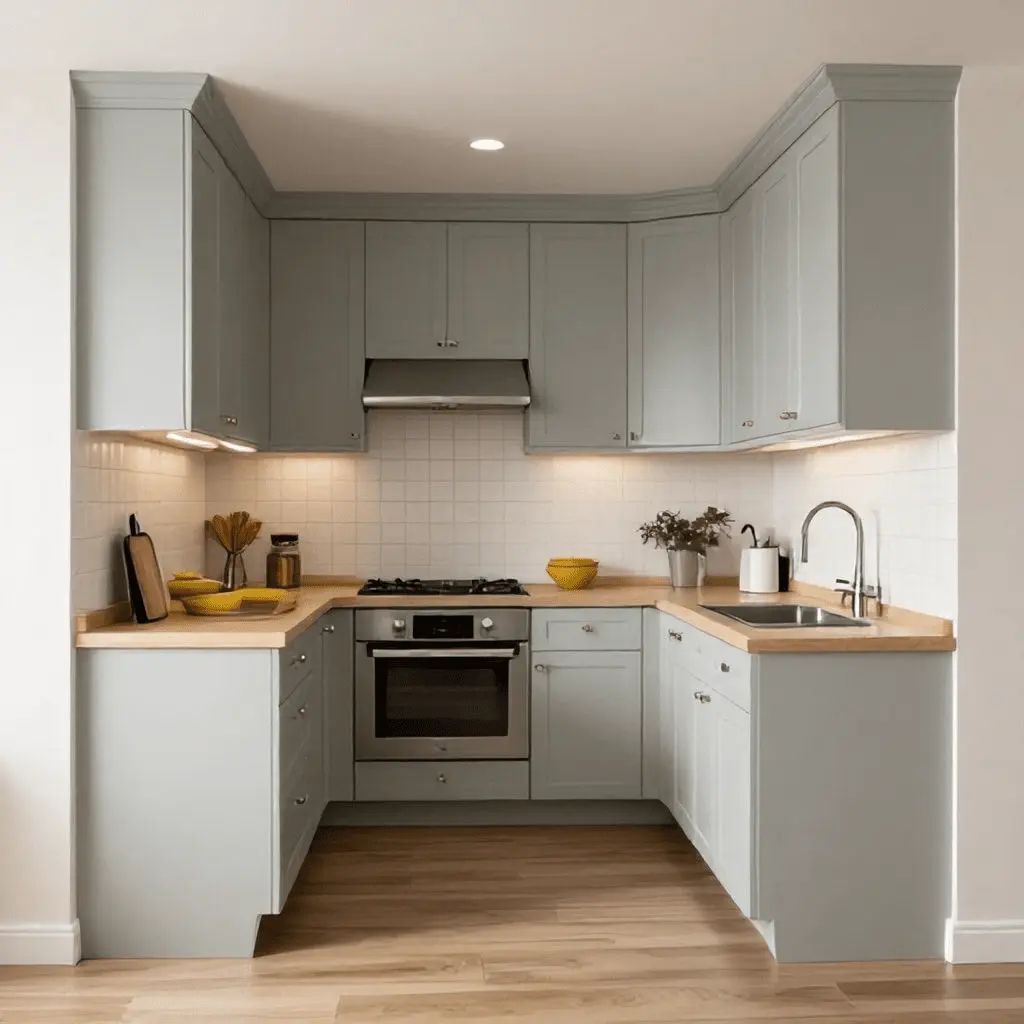
Before committing to any remodeling plan, walk through your kitchen and pay attention to how you move. Identify bottlenecks, awkward transitions, and underused corners. A thoughtful layout adjustment can produce dramatic improvements without requiring major structural changes.
2. Go Vertical with Your Storage
When floor space is tight, the walls become your most valuable real estate. Going vertical means installing tall cabinets that reach the ceiling, adding open shelves above eye level, and mounting storage solutions on walls that might otherwise sit bare.
Floor-to-ceiling cabinetry is one of the most effective remodeling moves for a small kitchen. Not only does it expand storage capacity considerably, but it also draws the eye upward, creating the visual impression of a taller, more expansive room. If custom cabinetry is outside your budget, consider adding a second row of upper cabinets above your existing ones. The top section can store items you use less frequently, such as large serving dishes, seasonal cookware, or pantry overflow.
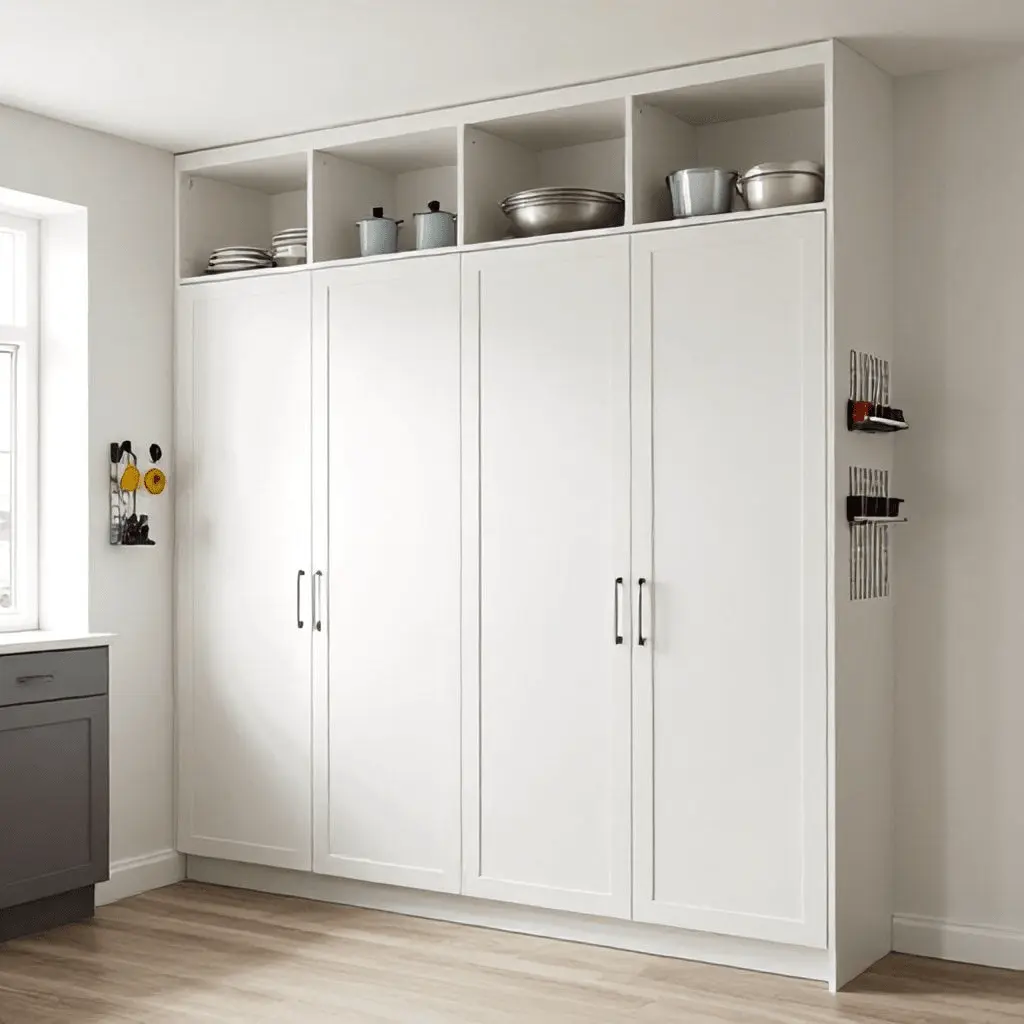
Wall-mounted pot racks, magnetic knife strips, pegboards, and rail systems are additional vertical storage options that free up counter space while keeping frequently used tools within easy reach.
3. Install a Pull-Out Pantry
One of the most underused remodeling solutions for small kitchens is the pull-out pantry. If you have a narrow gap between your refrigerator and a wall or between two cabinets, that space can be converted into a slim pull-out pantry that stores canned goods, spices, oils, condiments, and snack items.
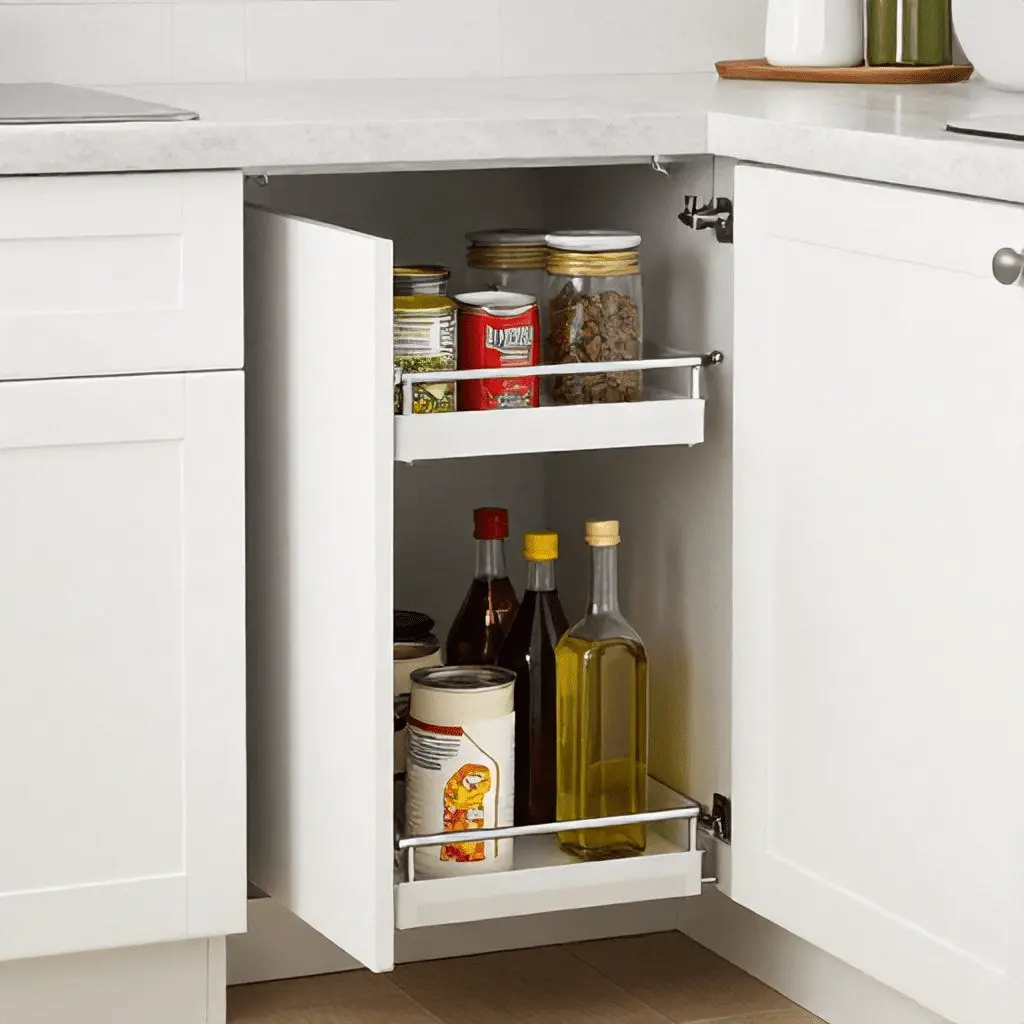
Pull-out pantries are typically between six and twelve inches wide, making them an ideal fit for spaces that seem too narrow to serve any practical purpose. They glide smoothly on tracks, bring every item into clear view, and eliminate the rummaging that leads to clutter and waste. This single addition can dramatically reduce counter clutter and give your kitchen a cleaner, more organized appearance.
4. Replace Upper Cabinets with Open Shelving
Open shelving is a design choice that has gained tremendous popularity in recent years, and for good reason. Replacing the upper cabinets in a small kitchen with open shelves removes visual weight from the walls and creates a sense of openness that closed cabinetry simply cannot achieve.
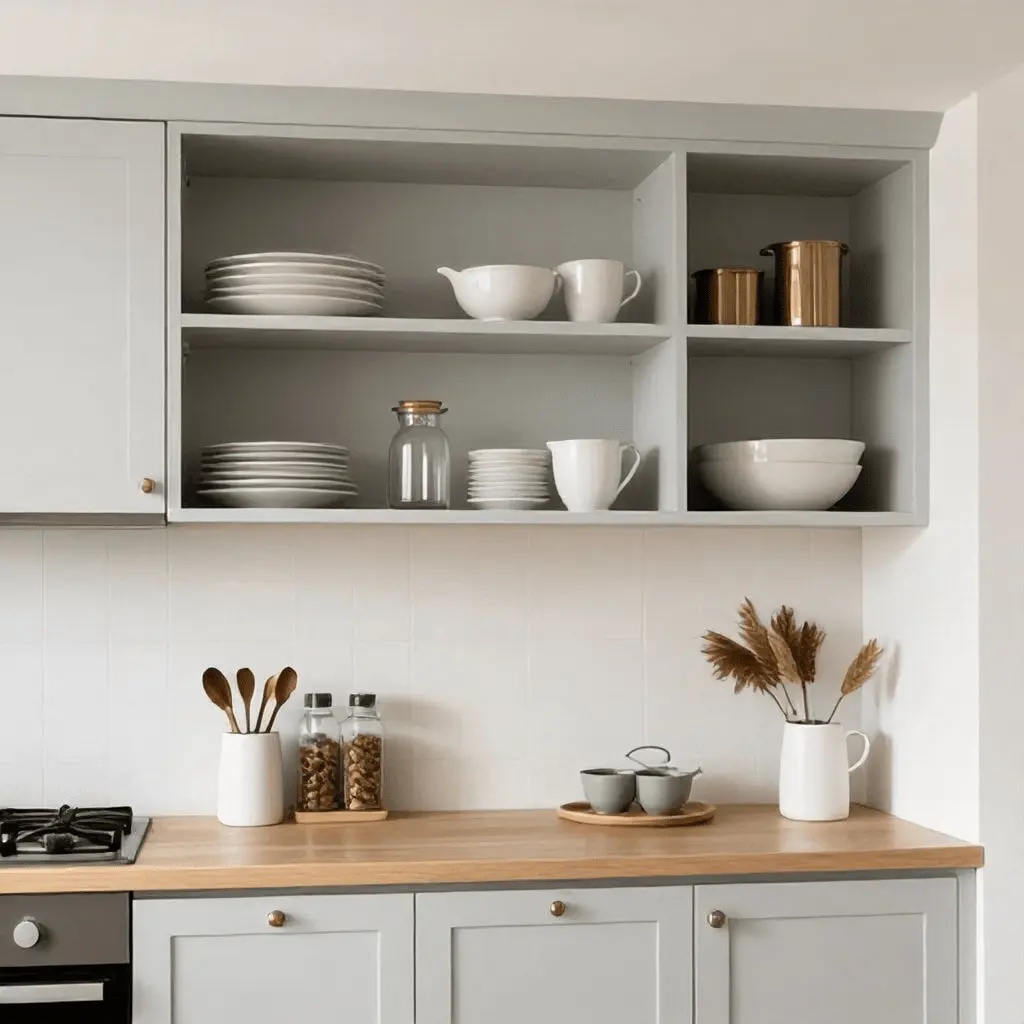
When done well, open shelving displays your most-used items, your favorite dishware, and decorative pieces in a way that adds personality to the space. The key to making open shelving work is organization. Items must be kept tidy and curated, because everything on those shelves is on full display. A practical approach is to mix open shelving with some closed storage, so you have the best of both worlds: the visual lightness of open shelves combined with the clutter-concealing function of cabinet doors. https://theivykitchen.com/high-tech-smart-kitchen-ideas/
5. Choose Light, Neutral Color Palettes
Color has a profound effect on how large or small a room feels. In a small kitchen, light and neutral tones are your closest allies. Shades of white, soft gray, warm beige, and pale cream reflect natural and artificial light more efficiently than darker tones, helping the space feel airier, cleaner, and more open.
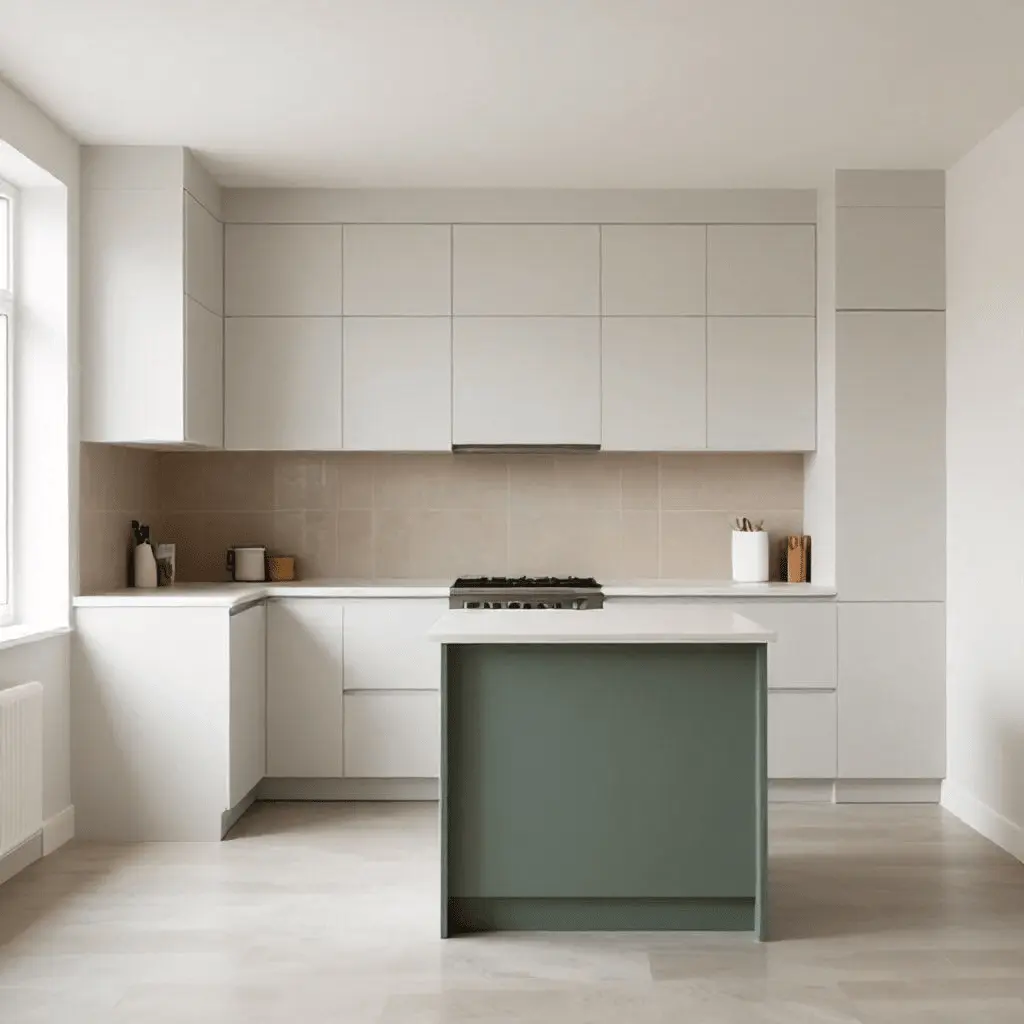
When painting cabinets, walls, and even ceilings in a cohesive light palette, the boundaries of the room begin to blur in a way that creates a sense of expanded space. This technique, known among designers as tonal layering, is one of the most budget-friendly ways to make a small kitchen feel significantly larger without making structural changes.
That said, do not be afraid of a thoughtful accent color. A warm terracotta backsplash, a navy island, or a deep sage green lower cabinet can add depth and character to a predominantly light kitchen without overwhelming it.
6. Upgrade to Two-Tone Cabinets
Two-tone cabinetry is a design trend that works particularly well in small kitchens because it creates visual interest while also grounding the space. The most effective approach is to keep upper cabinets light and lower cabinets in a slightly deeper tone.
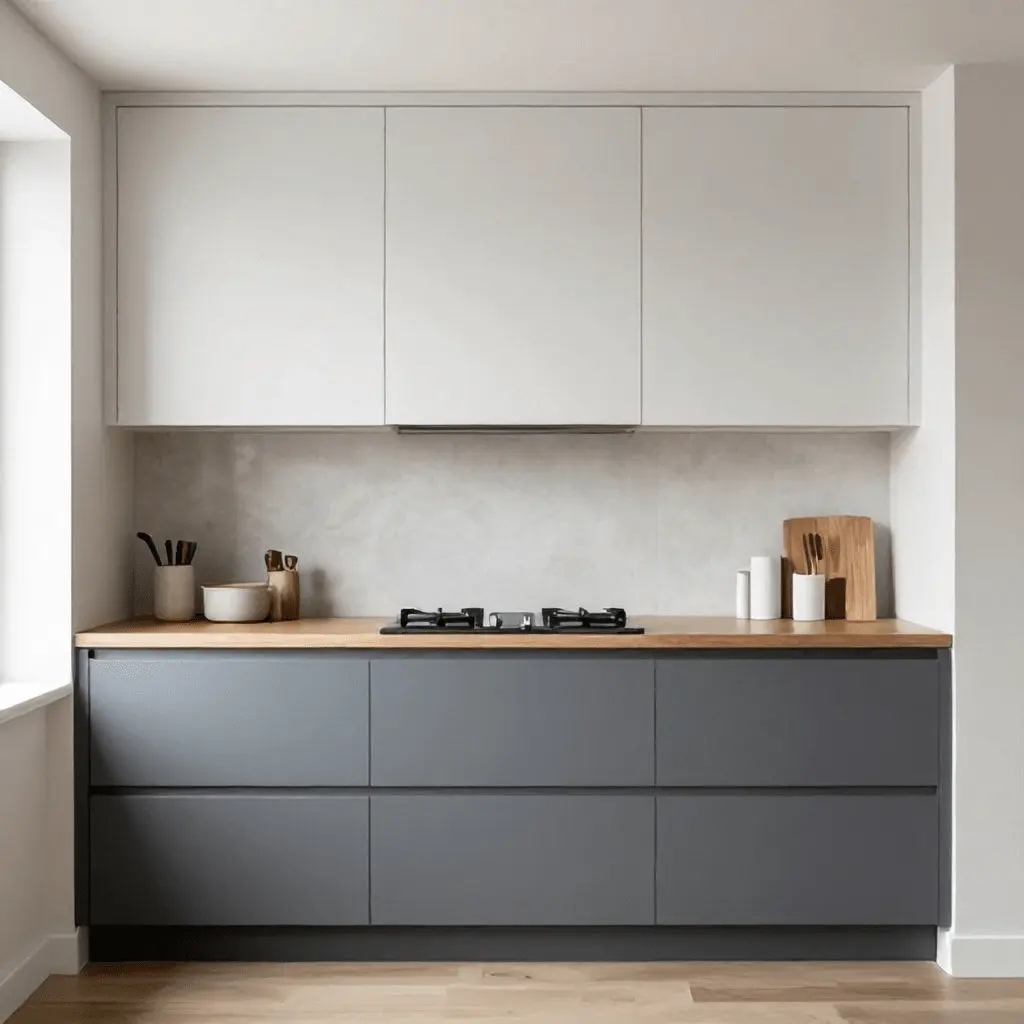
This contrast between upper and lower cabinetry adds dimension to the kitchen without making it feel heavy or closed in. It also allows you to introduce a second color or material, such as pairing white upper cabinets with warm wood-toned lower cabinets or combining pale gray uppers with a charcoal or navy lower section. The result is a kitchen that looks deliberate, polished, and far more sophisticated than a single-color approach.
7. Maximize Corner Cabinet Space
Corner cabinets are among the most frustrating storage challenges in any kitchen, but they are especially problematic in a small one where every inch of storage counts. The standard corner cabinet turns an accessible area into a dark, difficult-to-reach zone where pots, pans, and appliances go to be forgotten.
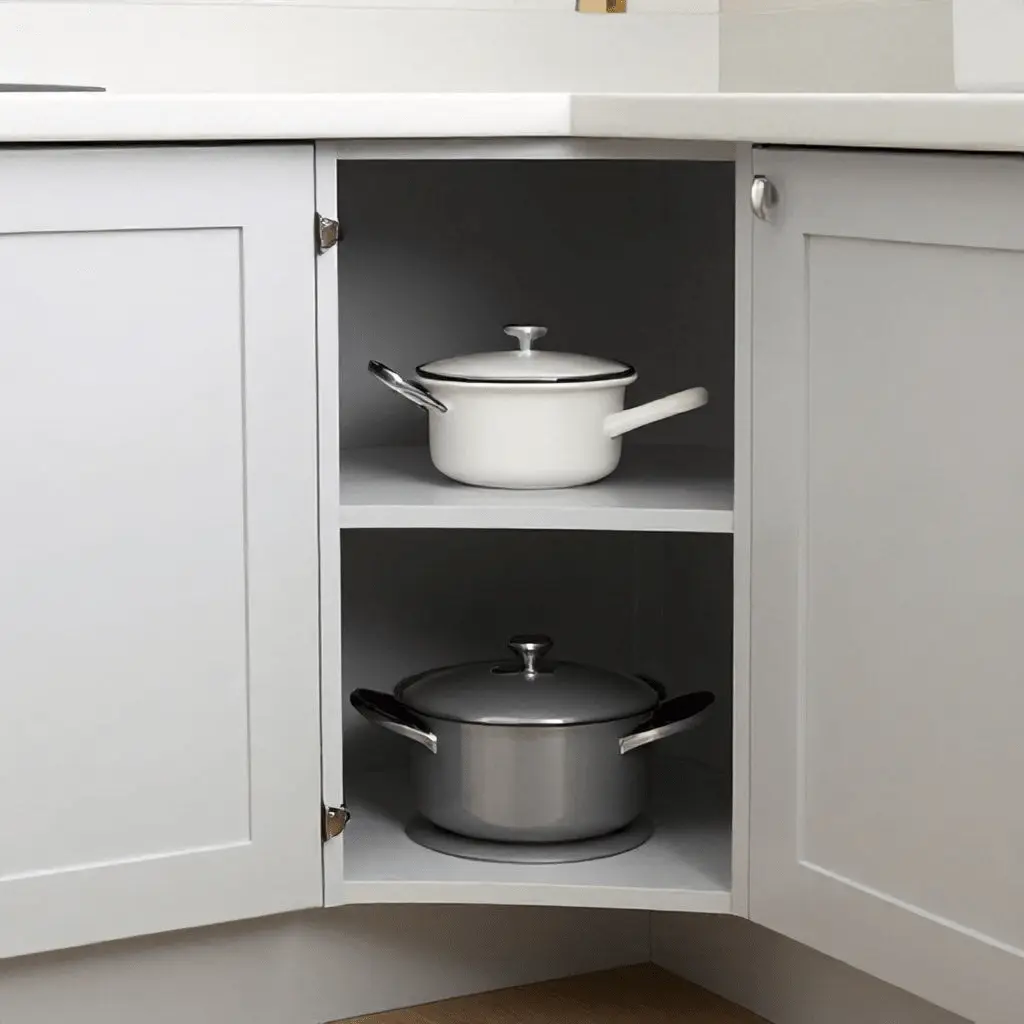
The solution is to retrofit corner cabinets with purpose-built hardware. Lazy Susans, blind corner pull-outs, and swing-out shelf systems transform these awkward spaces into fully functional storage. Some homeowners opt for diagonal cabinets or corner drawers as an alternative, which provide clean lines and easy access without requiring specialized hardware.
8. Add Toe-Kick Drawers
Toe-kick drawers are one of the most clever and underutilized storage solutions in kitchen design. The toe-kick is the recessed area at the base of your lower cabinets, typically between three and four inches tall, and it runs along the entire length of your cabinetry. In most kitchens, this space is completely empty.
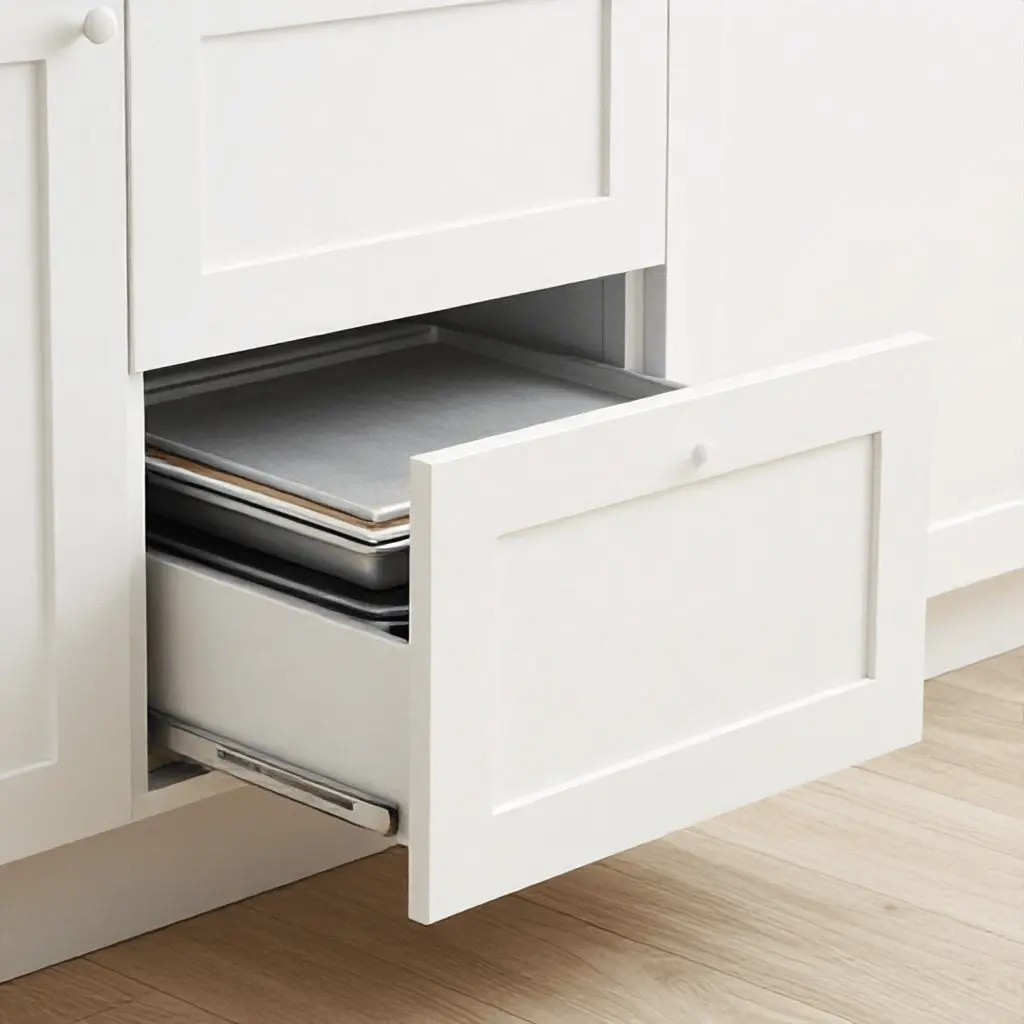
By installing shallow drawers within the toe-kick space, you gain storage for flat items such as baking sheets, cutting boards, placemats, and flat-bottomed pans. The drawers open flush with the cabinet base and are often operated with a simple toe tap, making them both discreet and surprisingly convenient.
9. Invest in Smarter Lighting
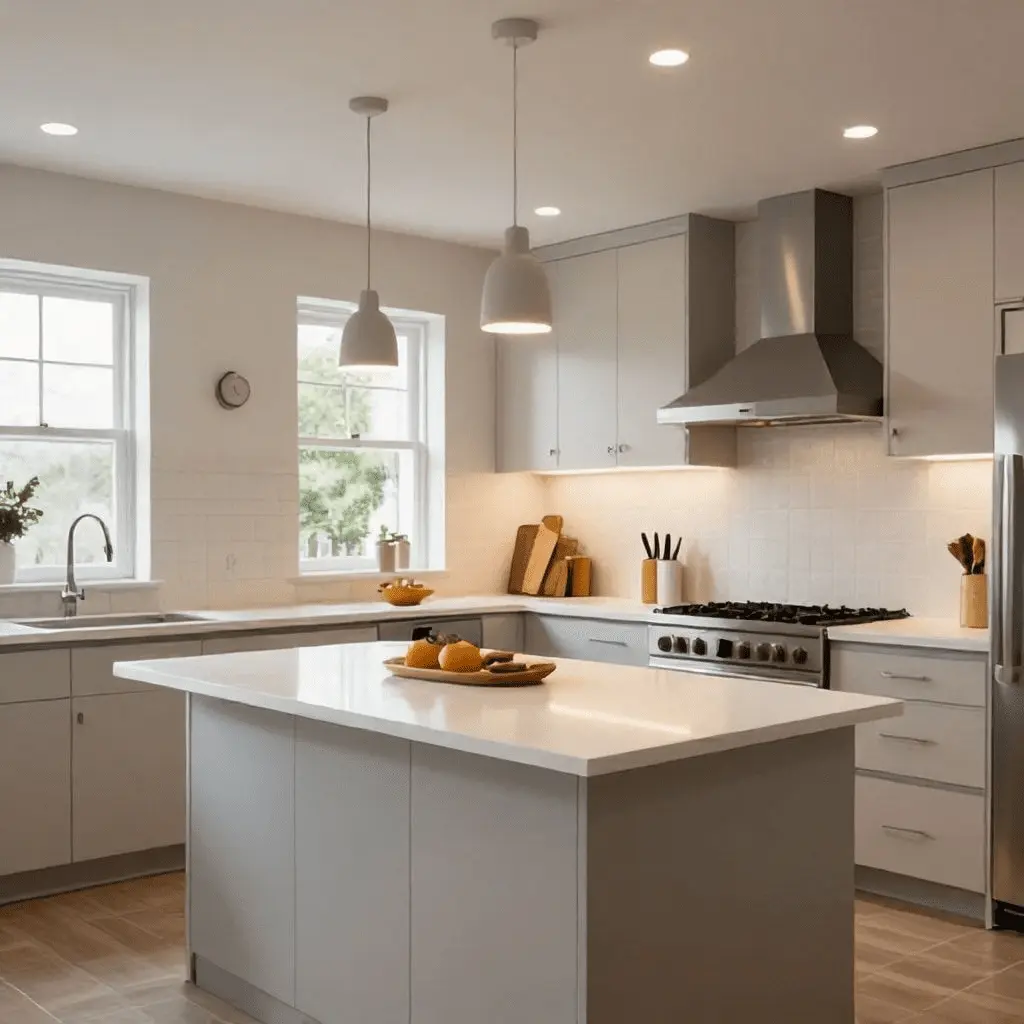
Lighting is one of the most powerful tools in a small kitchen remodel, yet it is frequently treated as an afterthought. A well-lit kitchen feels larger, cleaner, and more welcoming. A poorly lit kitchen, regardless of how well it is organized, always feels cramped and unwelcoming.
Layer Your Lighting
The most effective small kitchen lighting strategy involves three layers: ambient lighting for general illumination, task lighting for work surfaces, and accent lighting for visual depth and warmth. Recessed ceiling lights provide ambient coverage, under-cabinet LED strips illuminate the countertops where you actually prepare food, and pendant lights or decorative fixtures add personality and visual height.
Embrace Natural Light
If your kitchen has windows, protect them. Avoid heavy curtains or window treatments that block incoming light. If structural conditions allow, consider adding a window or enlarging an existing one. Natural light remains the most effective and flattering way to brighten a small kitchen.
10. Install a Pocket Door or Barn Door
Standard swing doors consume floor space and limit furniture placement options near the kitchen entrance. In a small kitchen, a door that swings inward can block pathways, collide with open cabinet doors, and generally make the space feel more cramped than it actually is.
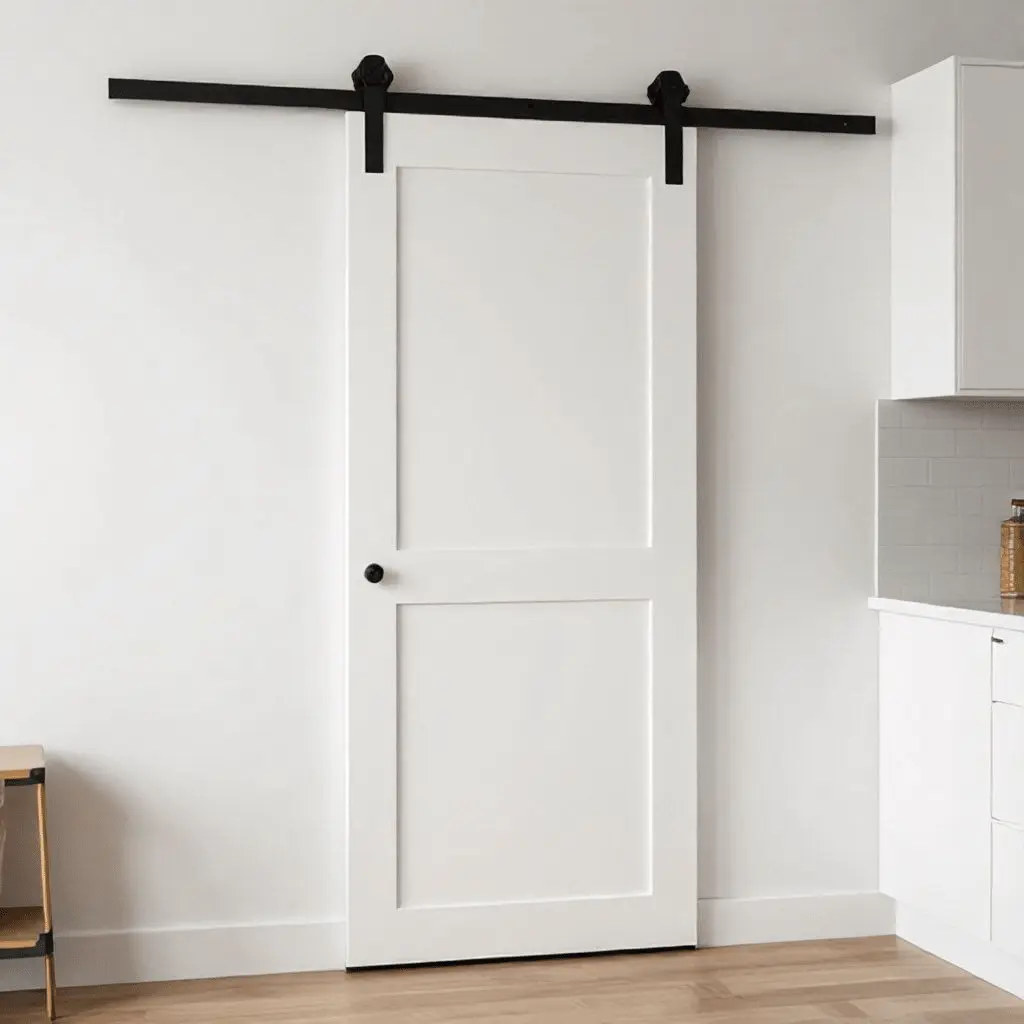
Replacing a standard door with a pocket door, which slides into the wall cavity, or a barn door, which slides along a surface-mounted track, immediately reclaims that floor space and opens up the kitchen perimeter. This single change has been noted by designers to transform the feeling of a galley kitchen entirely, giving it a more open, connected quality that encourages flow between the kitchen and adjacent rooms.
11. Use Mirrors to Expand Visual Space
Mirrors are an underrated tool in kitchen design. A well-placed mirror reflects light and creates the visual impression of depth, effectively making a small kitchen look larger than its actual square footage. A wide, horizontal mirror mounted near the stove or along a backsplash area catches light from windows and overhead fixtures and bounces it back into the room.
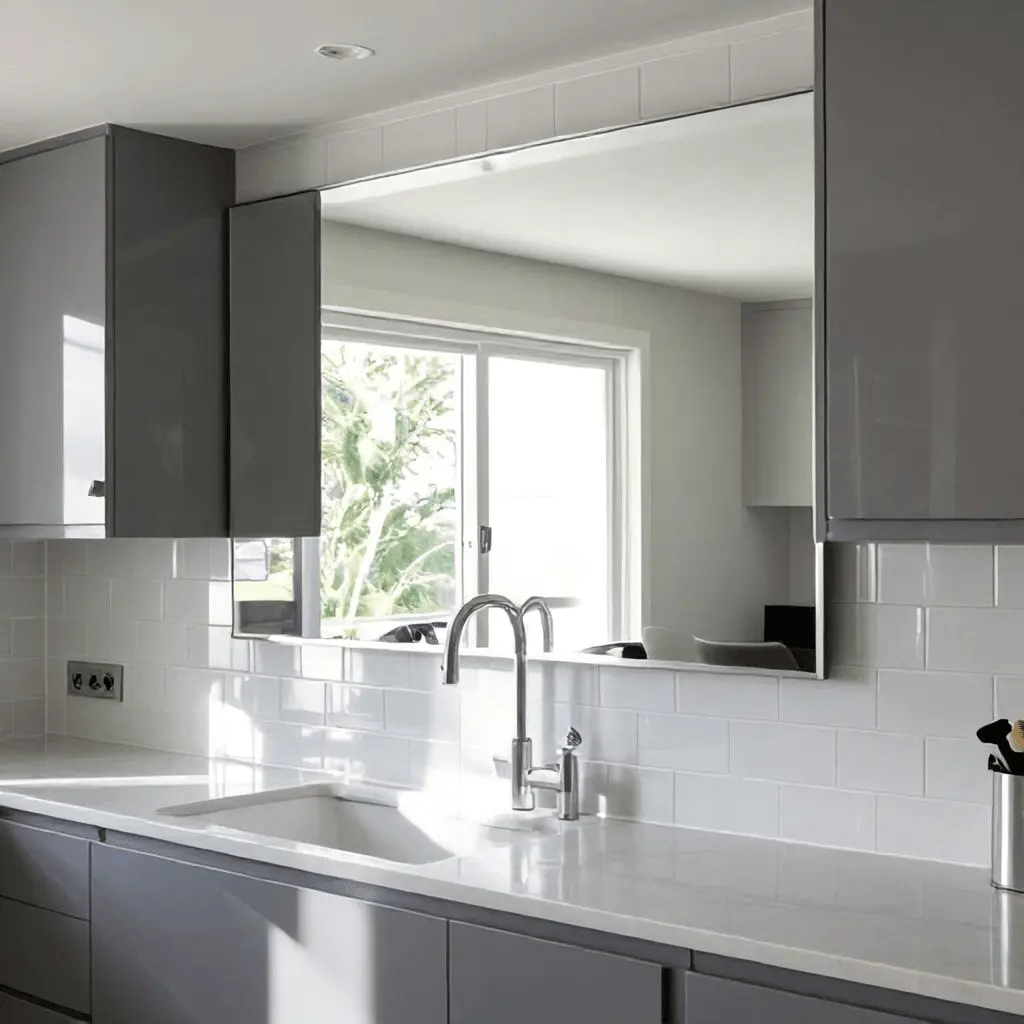
Mirrored or highly reflective backsplash materials, such as polished stainless steel, glossy subway tile, or mirror tile, achieve a similar effect on a smaller scale. High-gloss cabinet finishes also reflect light in a way that adds brightness and visual depth to a compact space.
12. Choose Compact and Multifunctional Appliances
In a small kitchen, every appliance must earn its place. Bulky, oversized appliances occupy counter and floor space that you simply cannot afford to waste. Fortunately, the appliance market has responded to the growing demand for compact, high-performance options that deliver full functionality in a smaller footprint.
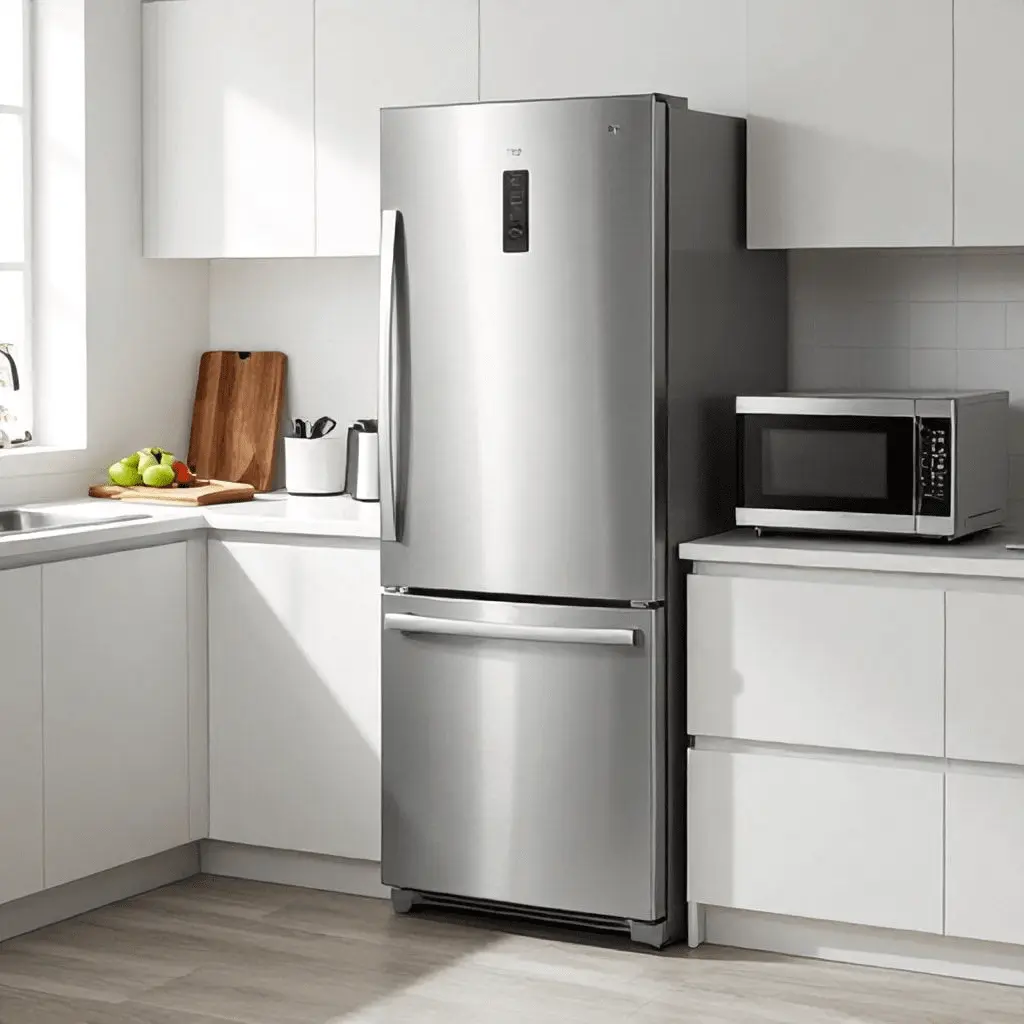
Slim refrigerators, compact dishwashers, two-burner induction cooktops, and combination microwave-convection ovens are all worth considering as part of your remodel. Counter space freed by downsizing appliances can be converted into functional prep areas or additional storage. A foldable cutting board that extends over the sink is another practical solution for expanding usable prep surface without adding permanent fixtures.
13. Upgrade Your Countertops Strategically
Countertops play a significant role in both the function and visual impact of a small kitchen. The right countertop material can make the space feel cleaner, brighter, and more spacious, while the wrong choice can make it feel dark and heavy.
Best Countertop Materials for Small Kitchens
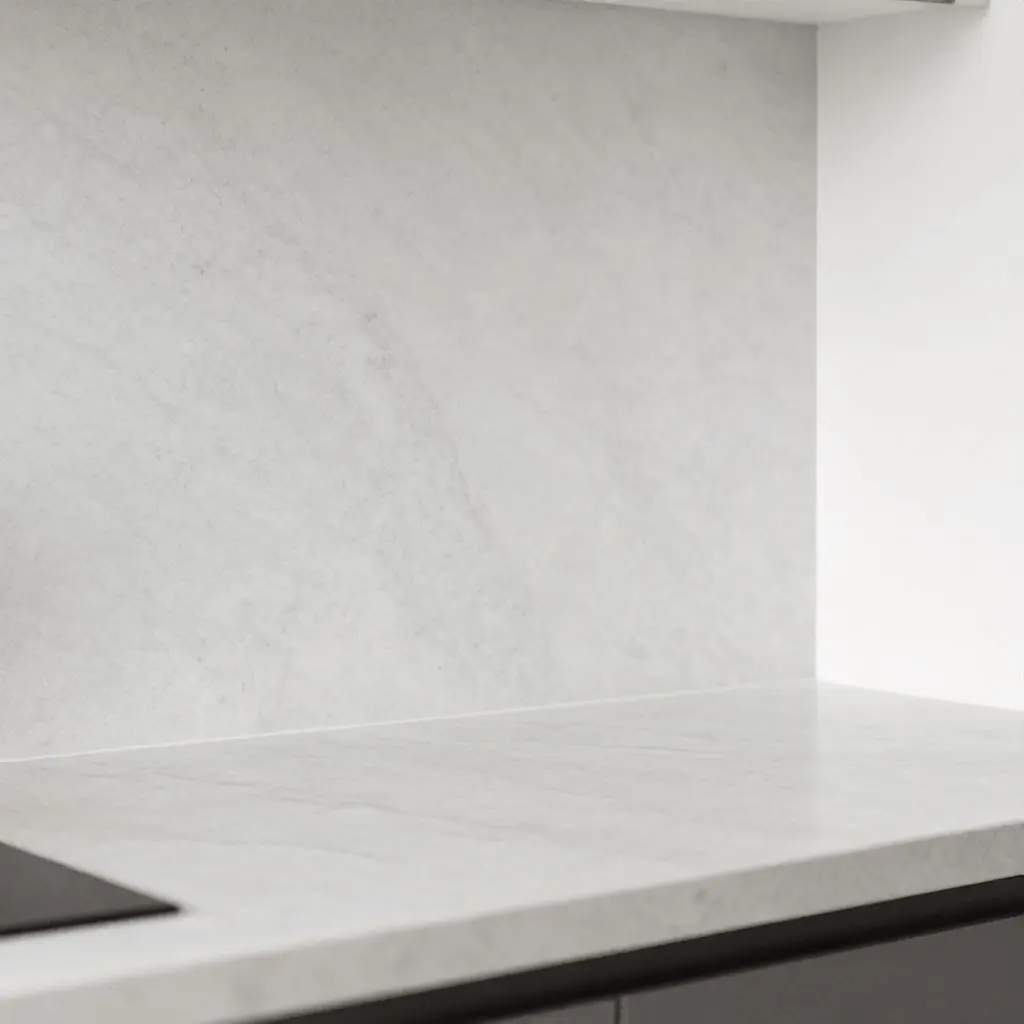
Quartz is among the top choices for small kitchens because it is durable, low-maintenance, and available in light tones that contribute to an airy atmosphere. Butcher block adds warmth and texture and is relatively affordable. Seamless countertop and backsplash combinations, where the same material runs from the counter surface up the wall, are a particularly strong design choice for small kitchens because they eliminate visual interruptions and create a continuous, expansive-looking surface.
14. Introduce a Drop-Leaf or Wall-Mounted Dining Table
Small kitchens often lack space for a proper dining area, but that does not mean you have to give up the pleasure of eating in your kitchen. A wall-mounted drop-leaf table solves this problem elegantly. When you need a surface for breakfast, a quick meal, or extra prep space, the table folds down from the wall. When you are done, it folds back up and disappears against the wall, returning the floor space to you immediately.
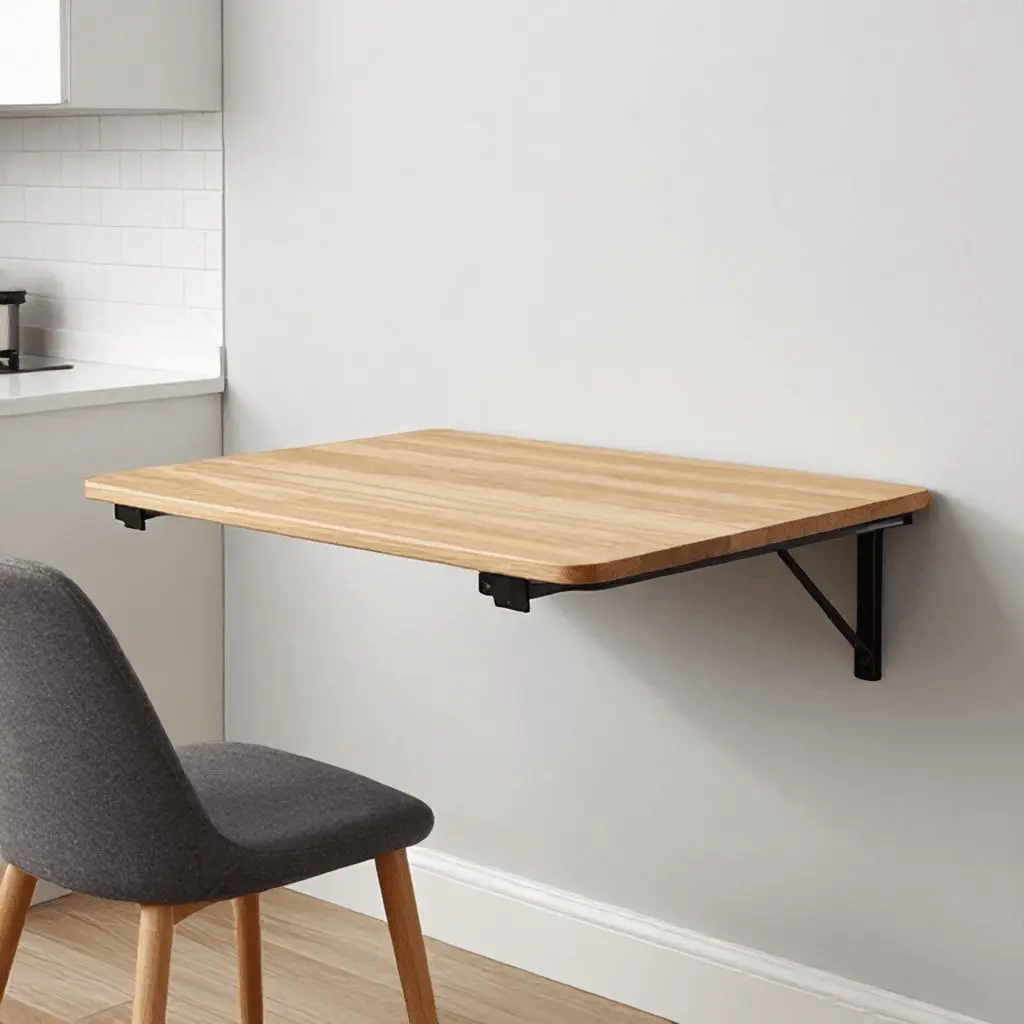
This is one of the most practical and reversible remodeling additions for any small kitchen, and it can be installed relatively simply without major construction work.
15. Refresh the Flooring
Flooring is often overlooked in kitchen remodeling conversations, yet it plays a major role in how a small kitchen feels. The right flooring choice can visually expand the space, add warmth, and tie the overall design together.
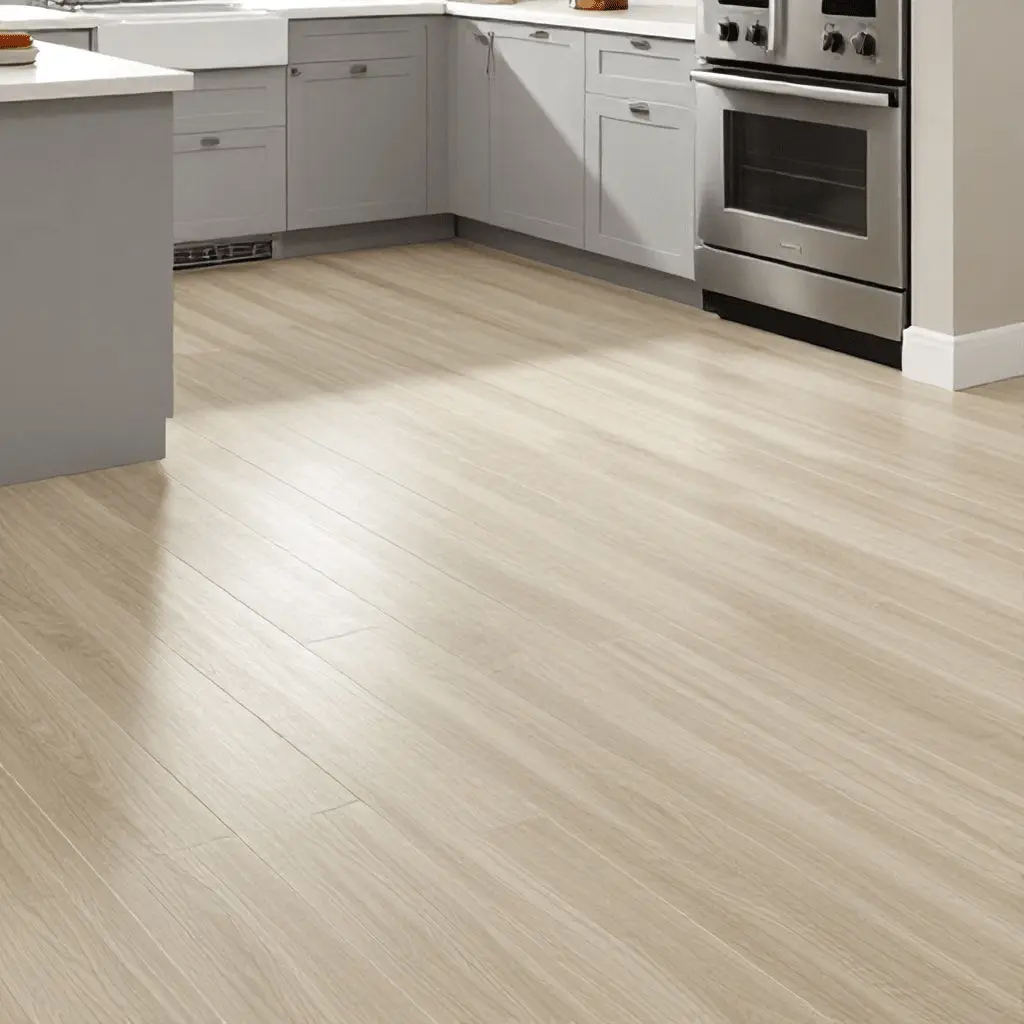
Large-format tiles laid on a diagonal create the impression of a larger room by extending visual lines beyond the actual boundaries of the floor. Light-colored luxury vinyl tile mimics wood or stone and reflects light effectively while offering exceptional durability and moisture resistance. Continuous flooring that runs from the kitchen into adjacent rooms without transitions also helps blur boundaries and make the overall space feel more cohesive and open.
16. Add Personality with a Statement Backsplash
A bold backsplash is one of the most cost-effective ways to add character and design depth to a small kitchen. Because the backsplash area is relatively small, you can afford to use materials or patterns that would feel overwhelming in a larger space.
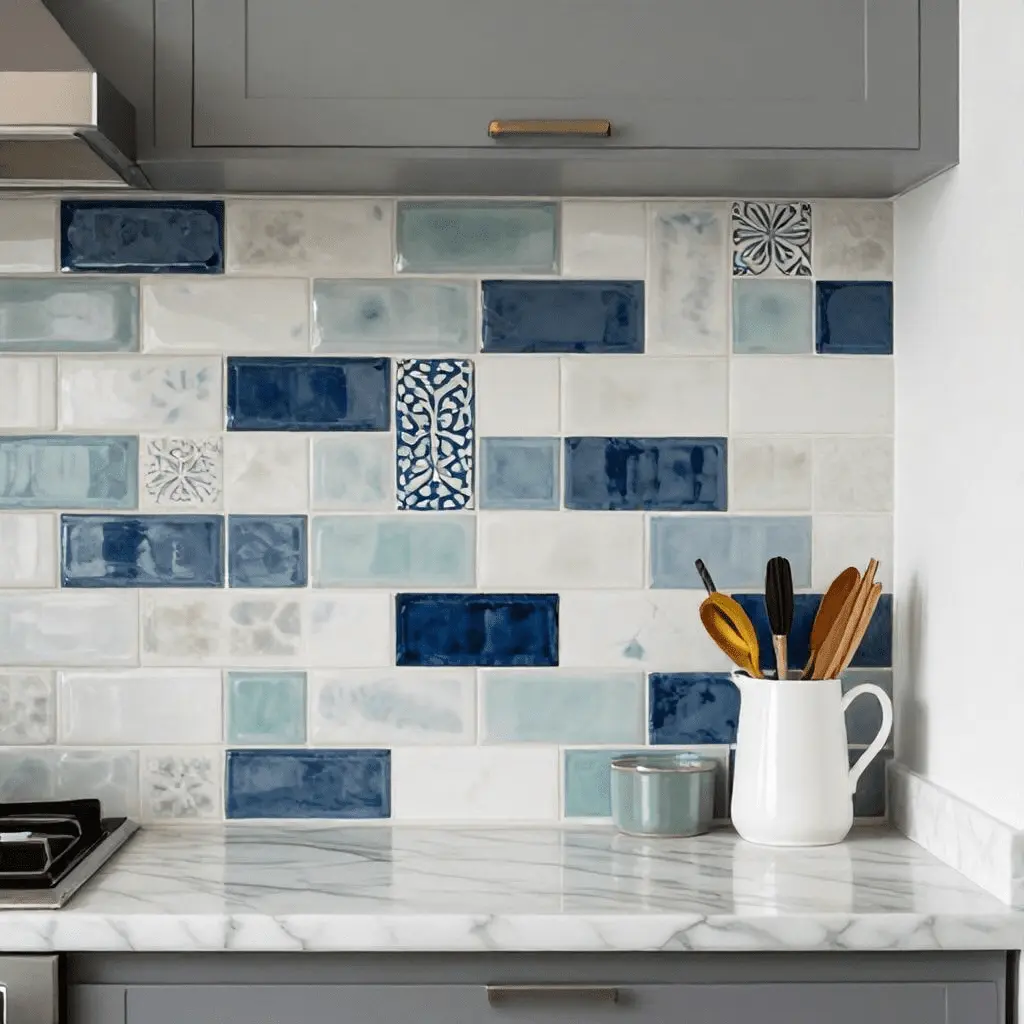
Handmade ceramic tiles, patterned encaustic tiles, classic subway tile in an unexpected color, or a slab backsplash that continues the countertop material up the wall are all strong choices. The backsplash is also one of the easiest elements to change in the future if your tastes evolve, making it a low-risk opportunity to express your design personality.
Conclusion
Remodeling a small kitchen is not about finding a way to make the space feel like something it is not. It is about understanding the genuine potential that compact spaces offer and making deliberate, intelligent choices that honor both form and function. Every idea covered in this article, from rethinking your layout to installing toe-kick drawers, from going vertical with storage to upgrading your lighting strategy, is grounded in the same core principle: thoughtful design creates extraordinary results regardless of square footage.
The best small kitchen remodels are the ones that serve the people who cook and live in them every day. Start with the ideas that address your most pressing frustrations, work within a realistic budget, and build toward a kitchen that you genuinely enjoy spending time in. With the right approach, a small kitchen can become one of the most satisfying and functional rooms in your home.
Frequently Asked Questions
1. How much does a small kitchen remodel typically cost?
The cost of remodeling a small kitchen varies widely depending on the scope of work, materials chosen, and local labor rates. Minor updates such as painting cabinets, replacing hardware, and upgrading lighting can cost a few hundred to a few thousand dollars. A mid-range remodel involving new cabinets, countertops, and appliances typically falls between five thousand and twenty thousand dollars. Full renovations with structural changes can exceed that range significantly.
2. What is the best layout for a small kitchen?
The best layout depends on your kitchen dimensions and how you use the space. Galley kitchens are highly efficient for cooking because they minimize movement between work zones. L-shaped layouts are excellent for balancing cooking space with an open feel. U-shaped layouts maximize storage but require enough width to avoid feeling boxed in. Consulting with a kitchen designer or contractor before committing to a layout change is always worthwhile.
3. What colors make a small kitchen look bigger?
Light and neutral tones such as white, soft gray, warm cream, and pale beige reflect more light and make a small kitchen feel more open and airy. Painting cabinets, walls, and even ceilings in a cohesive light palette creates a seamless, expansive effect. High-gloss finishes amplify this further by bouncing light around the room.
4. Is open shelving a good idea in a small kitchen?
Open shelving can be an excellent choice in a small kitchen because it removes visual weight from the walls and creates a sense of depth and openness. However, it requires consistent organization and a willingness to keep displayed items curated and tidy. Combining open shelves with some closed storage is often the most practical approach.
5. Can I add an island to a small kitchen?
Yes, but the key is choosing the right type of island for your space. A fixed, full-sized island is rarely appropriate for very compact kitchens. Instead, consider a slim rolling island that can be moved out of the way when needed, a wall-mounted peninsula that provides extra work surface without consuming floor space, or a drop-leaf island that folds down when not in use. The goal is added functionality without sacrificing the flow of movement through the kitchen.