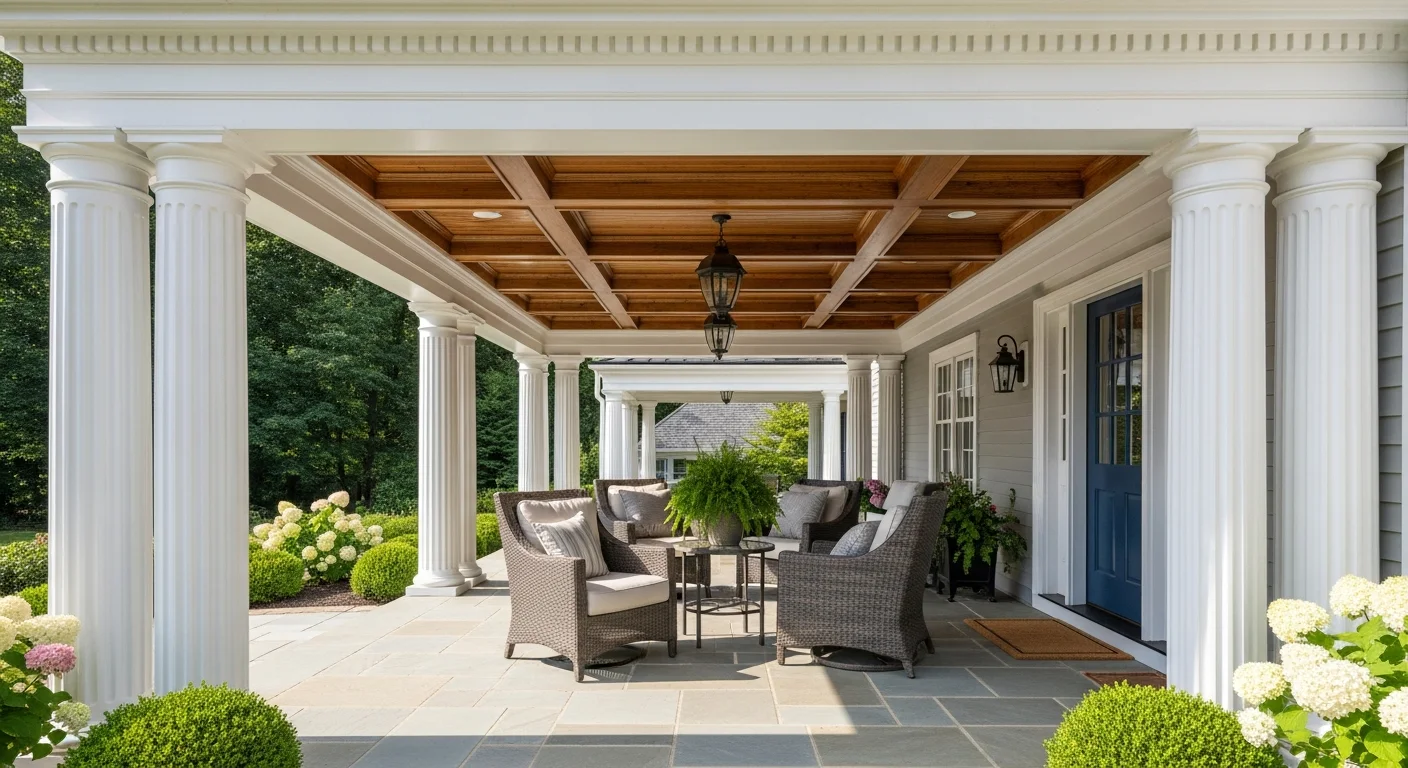
16+ Stylish Front Porch Beam Ideas to Elevate Your Entry
The front porch serves as the gateway to your home, offering the first glimpse of your personal style and hospitality. Among all the architectural elements that contribute to this crucial space, beams play a surprisingly significant role in shaping both the structural integrity and aesthetic appeal of your entryway. Whether you are building a new porch or renovating an existing one, selecting the right beam design can transform an ordinary entrance into an extraordinary architectural statement.
Front porch beams do more than simply hold up your roof. They create visual rhythm, establish architectural character, and tie together your home’s overall design language. From the warm, inviting presence of exposed wooden beams in a farmhouse setting to the clean, sophisticated lines of steel beams in modern architecture, these structural elements have evolved into key design features that homeowners and designers carefully consider.
This comprehensive guide explores more than sixteen inspiring front porch beam ideas that span traditional, contemporary, and transitional styles. You will discover practical insights about materials, learn how different beam treatments can complement various architectural styles, and gather the inspiration needed to create a welcoming entrance that reflects your unique taste while adding tangible value to your property.
Understanding the Role of Porch Beams
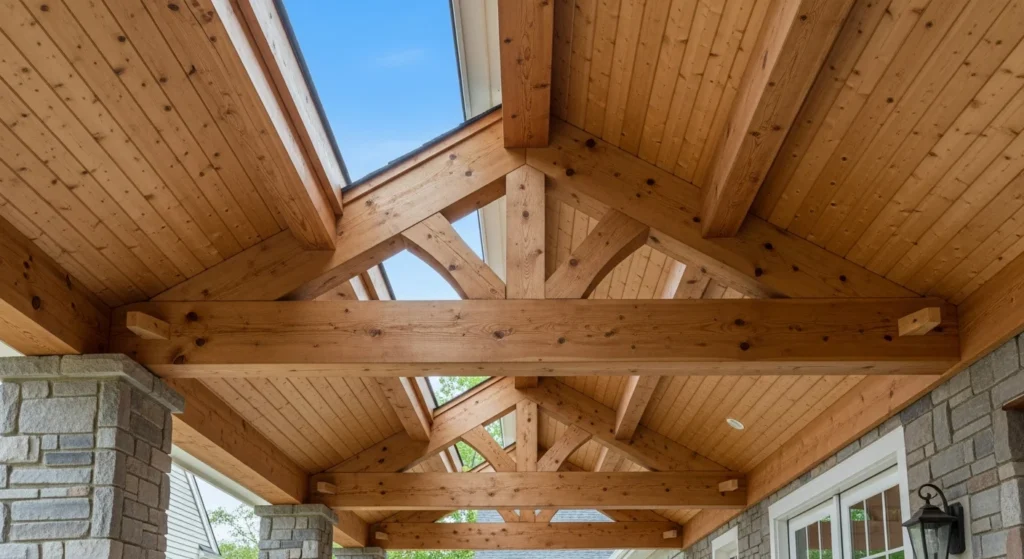
Before exploring specific design ideas, it helps to understand what makes porch beams so essential to your home’s architecture. These horizontal structural members serve dual purposes that make them worthy of thoughtful consideration during any porch project.
From a structural standpoint, beams transfer the weight of your porch roof down to the supporting posts or columns, which then carry the load to the foundation. This load-bearing function means that beam size, material, and placement must meet specific engineering requirements based on your porch dimensions and local building codes. The span between posts, expected snow loads in your region, and roof pitch all influence what type of beam your porch requires.
Beyond their functional necessity, beams contribute significantly to your porch’s visual appeal. They create horizontal lines that draw the eye across the width of your home, making narrow houses appear wider. The texture, color, and finish of your beams establish a design vocabulary that can either harmonize with or contrast against your siding, trim, and other exterior elements. When thoughtfully selected and properly installed, beams become focal points that enhance your home’s curb appeal and architectural character.
Classic Wooden Beam Designs
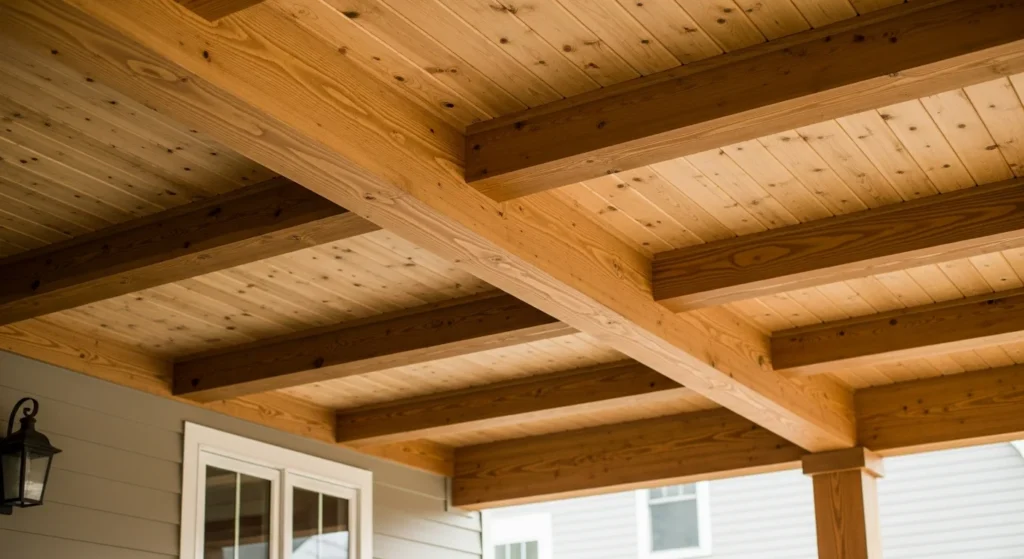
Wood remains the most popular material for front porch beams, valued for its natural warmth, versatility, and traditional appeal. The organic texture of wood grain brings an authenticity that synthetic materials struggle to replicate, making wooden beams an ideal choice for homeowners seeking timeless elegance.
Natural cedar beams offer exceptional durability for outdoor applications. This aromatic wood contains natural oils that resist rot, decay, and insect damage without requiring chemical treatment. Cedar’s light weight makes it easier to work with during installation, while its beautiful grain patterns accept stains beautifully. Many homeowners choose to leave cedar beams in their natural state, allowing them to weather to an attractive silvery gray patina over time.
Oak beams deliver unmatched strength and a robust, substantial appearance. This hardwood works particularly well in larger porch designs where its density provides necessary structural support across longer spans. Oak’s pronounced grain creates dramatic visual interest, especially when finished with dark stains that highlight the wood’s natural character. While oak requires more maintenance than cedar to prevent weathering, its longevity and classic appeal make it worth the extra effort for many traditional homes.
Reclaimed barn wood beams bring authentic history and character to your porch. Each piece tells a story through its unique patina, nail holes, saw marks, and variations in color that developed over decades of use. These salvaged timbers offer environmental benefits by repurposing materials that might otherwise go to landfill, while their weathered appearance instantly adds age and charm to new construction. The irregular surface textures and rich tones of reclaimed wood create visual depth that new lumber simply cannot match.
Stained and Painted Beam Treatments
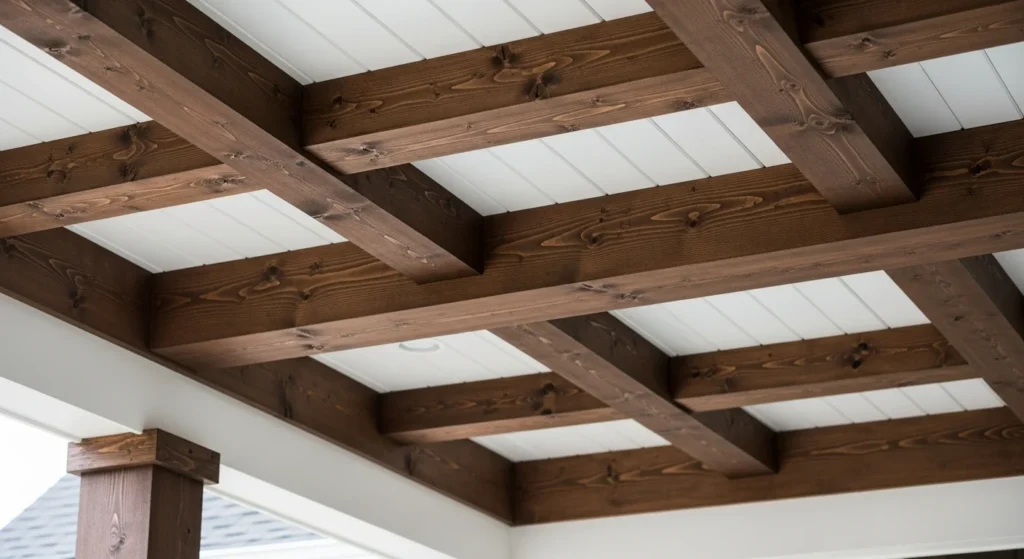
The finish you apply to wooden beams dramatically affects your porch’s overall appearance. Stains penetrate the wood to enhance grain patterns while adding color, whereas paint provides opaque coverage that can coordinate with your home’s existing color scheme.
Rich, dark stains like walnut, espresso, or ebony create sophisticated contrast against white or light-colored siding. These deep tones add weight and drama to your porch design, making beams stand out as intentional architectural features rather than merely functional elements. Dark-stained beams work particularly well in Craftsman, lodge, and traditional farmhouse styles where they contribute to a warm, grounded aesthetic.
Honey and amber stains celebrate the natural beauty of wood grain while adding a warm glow to your porch. These medium tones complement brick, stone, and earth-tone siding without creating stark contrast. The result feels approachable and inviting, perfect for homes where you want architectural interest without bold statements.
Painted beams offer opportunities for creative expression and precise color coordination. Crisp white beams against darker siding create classic nautical or colonial appeal, while painting beams to match your trim establishes cohesive visual flow. For contemporary homes, consider painting beams in unexpected hues like charcoal gray, navy blue, or even black for dramatic modern impact. Paint also provides practical benefits by sealing wood surfaces against moisture and UV damage, potentially extending the lifespan of your beams.
Wrapped and Boxed Beam Designs
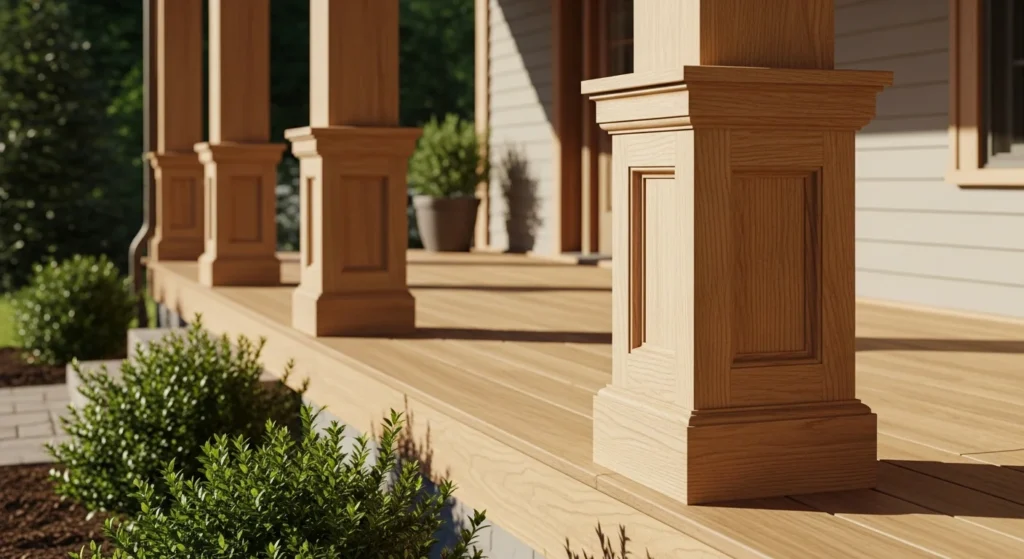
Beam wrapping involves encasing structural beams in decorative trim boards to enhance their appearance while protecting the underlying structure. This technique allows you to achieve the look of solid timber beams while working with more economical or engineered structural members.
Traditional wrapped beams typically consist of three or four boards fastened around a central support porch beam, creating a box-like appearance. You can customize the width and profile of these wraps to suit your design preferences, from simple flat boards to more elaborate treatments incorporating crown molding, edge details, or recessed panels. Many homeowners wrap beams with premium materials like cedar or composite trim that resist weathering better than structural lumber.
For a more rustic appearance, consider rough-sawn boards that showcase natural wood texture. These unfinished surfaces pair beautifully with board-and-batten siding and other farmhouse elements. Alternatively, smooth composite wraps offer low-maintenance durability with consistent color and minimal upkeep requirements.
Beam wraps also provide opportunities to conceal wiring for porch lighting. Running electrical lines through the interior of wrapped porch beams creates clean, professional installations without exposed conduit. This integrated approach allows you to add pendant lights, recessed fixtures, or decorative sconces that appear to emerge seamlessly from the beam itself.
Exposed Timber and Hand-Hewn Beams
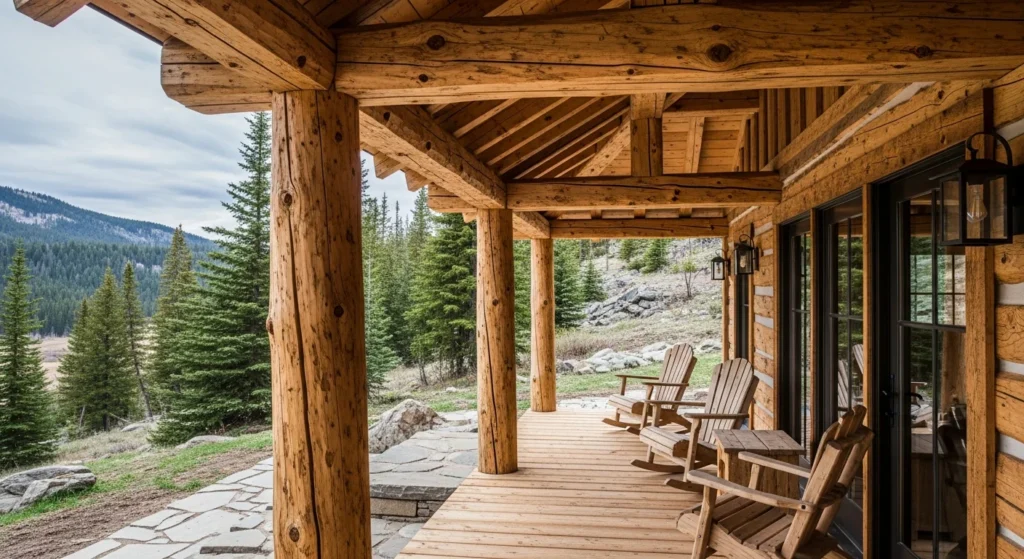
For maximum rustic character, exposed timber beams showcase the raw beauty of substantial wood members. These beams celebrate natural imperfections like knots, cracks, and irregular surfaces that tell the story of the tree from which they came.
Hand-hewn porch beams feature the distinctive marks left by traditional timber-shaping tools. The faceted surfaces created by broad axes and adzes add texture and authenticity that machined lumber lacks. These beams work exceptionally well in mountain homes, cabins, and properties seeking to evoke historical building methods. The irregular profiles of hand-hewn timbers create interplay between light and shadow that changes throughout the day, adding dynamic visual interest to your porch.
Rough-sawn beams offer a middle ground between smooth milled lumber and hand-hewn timbers. The textured surface left by sawmill blades provides grip for stains and finishes while maintaining a more rustic appearance than planed wood. This treatment suits farmhouse, cottage, and country home styles where you want character without the full commitment of hand-hewn beams.
When working with exposed timbers, consider leaving structural elements visible rather than concealing them. Mortise-and-tenon joints, wooden pegs, and metal brackets can become decorative features that celebrate traditional joinery methods. This honest expression of construction adds authenticity and craftsmanship to your porch design.
Modern Steel and Metal Beam Solutions
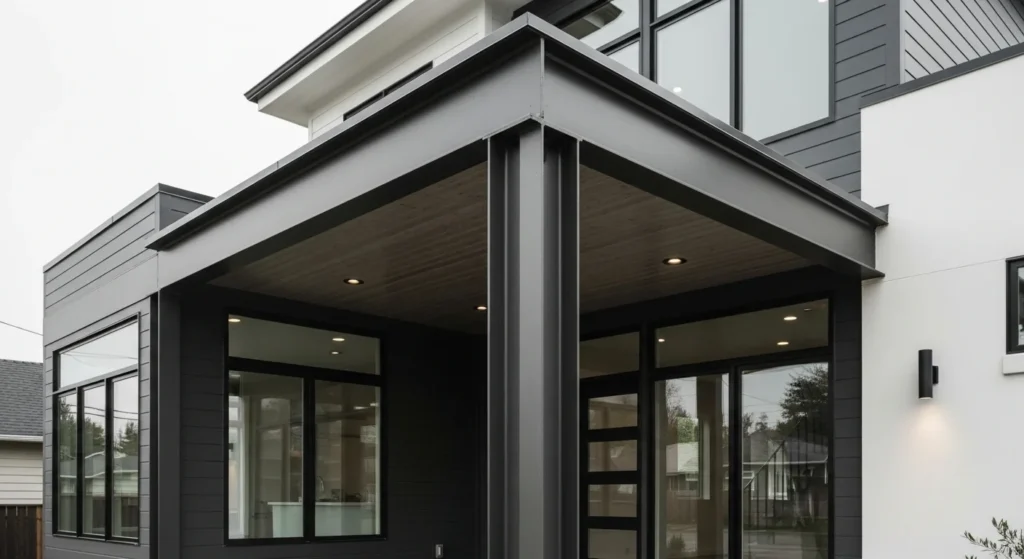
Steel beams bring contemporary sophistication and superior structural performance to front porch designs. These sleek elements work particularly well in modern, industrial, and minimalist architectural styles where clean lines and material honesty take precedence.
Painted steel beams in matte black create bold horizontal accents that command attention. The crisp edges and uniform profile of steel contrast beautifully with natural materials like wood siding or stone, establishing a dynamic tension between industrial and organic elements. Black steel beams pair exceptionally well with white or light gray siding, creating high-contrast compositions with dramatic visual impact.
For a softer approach, consider steel beams powder-coated in custom colors that coordinate with your home’s palette. Bronze, charcoal, or dark green finishes maintain the sleek profile of metal while integrating more harmoniously with traditional materials. Powder coating also provides superior weather resistance compared to conventional paint, ensuring your beams maintain their appearance with minimal maintenance.
Exposed steel I-beams offer ultimate strength for long-span porches that require fewer support columns. While more industrial in appearance, these functional beams can become striking design elements when properly integrated into your overall aesthetic. Some homeowners embrace the raw metal look, allowing natural patina to develop, while others combine steel beams with wood cladding or soffit panels for a warmer presentation.
Engineered and Composite Beam Options
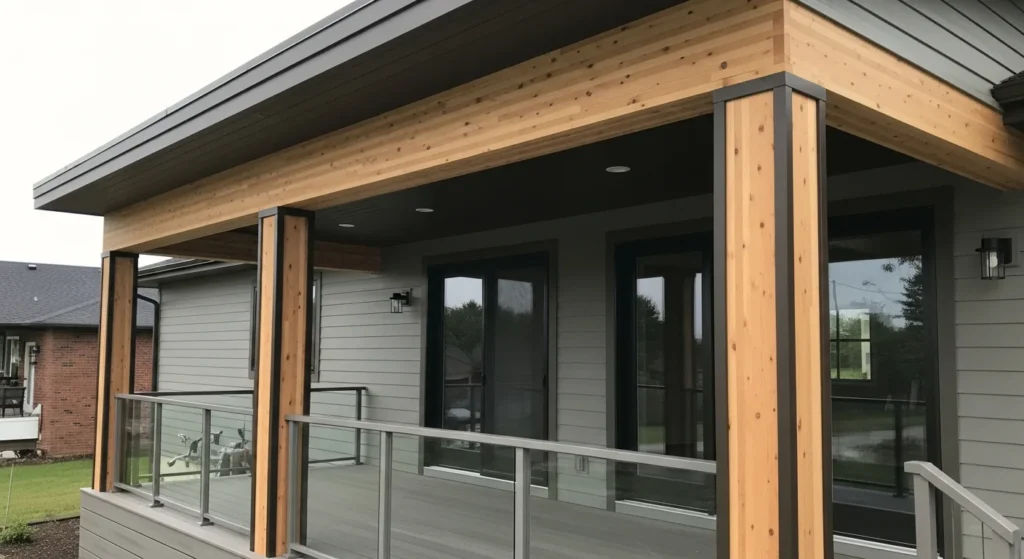
Modern engineered lumber products provide consistent performance and precise dimensions that solid wood cannot always deliver. Laminated veneer lumber and glue-laminated timbers offer exceptional strength-to-weight ratios, making them ideal for challenging structural situations.
These manufactured products excel in applications requiring long spans or heavy loads. Unlike solid wood, engineered beams resist warping, twisting, and shrinking as moisture levels change. This dimensional stability means your porch beams will maintain their straight profile season after season without the sagging or bowing that sometimes affects solid timbers.
From a design perspective, engineered beams typically require wrapping or cladding since their appearance consists of laminated wood strips rather than continuous grain. However, this provides opportunities to clad structural beams in premium decorative materials without the expense of solid timber. You might wrap an engineered beam in reclaimed barn wood, aromatic cedar, or weather-resistant composite materials that deliver the look you want while the engineered core handles structural demands.
Composite beam products manufactured from recycled materials offer environmental benefits alongside low maintenance requirements. These synthetic options resist moisture, insects, and rot without chemical treatments. While they may lack the authentic character of natural wood, composites work well when wrapped in decorative trim or in situations where durability and consistency outweigh traditional aesthetics.
Faux Wood Beam Alternatives
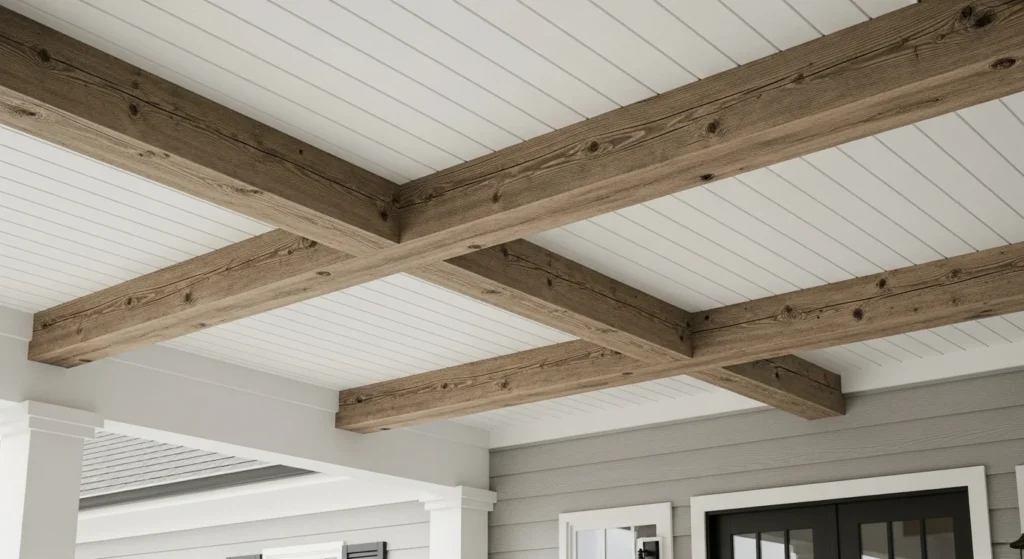
High-density polyurethane faux beams provide the appearance of authentic timber without the weight, cost, or maintenance requirements of solid wood. These hollow reproductions are molded from actual wood beams, capturing every detail of grain patterns, knots, and surface texture.
The lightweight construction of faux beams makes installation remarkably straightforward. Even substantial-looking timbers can be lifted and positioned by one or two people rather than requiring heavy equipment. The hollow interior accommodates wiring for integrated lighting systems, allowing you to add illumination without complex carpentry.
Faux beams never rot, warp, crack, or attract insects. This durability makes them particularly attractive for climates with harsh weather conditions where natural wood requires frequent maintenance. The polyurethane material stands up to intense sun, heavy snow, and driving rain without degrading. Many manufacturers offer UV-resistant finishes that prevent fading, ensuring your beams maintain their rich color for years.
The range of available finishes allows you to match virtually any wood species and aging level. Options range from smooth, fresh-cut appearances to deeply weathered barn wood textures complete with authentic-looking distressing. Some homeowners prefer the control this offers, since you can select the exact level of character you want rather than hoping salvaged timbers will provide the right look.
Decorative Brackets and Corbels
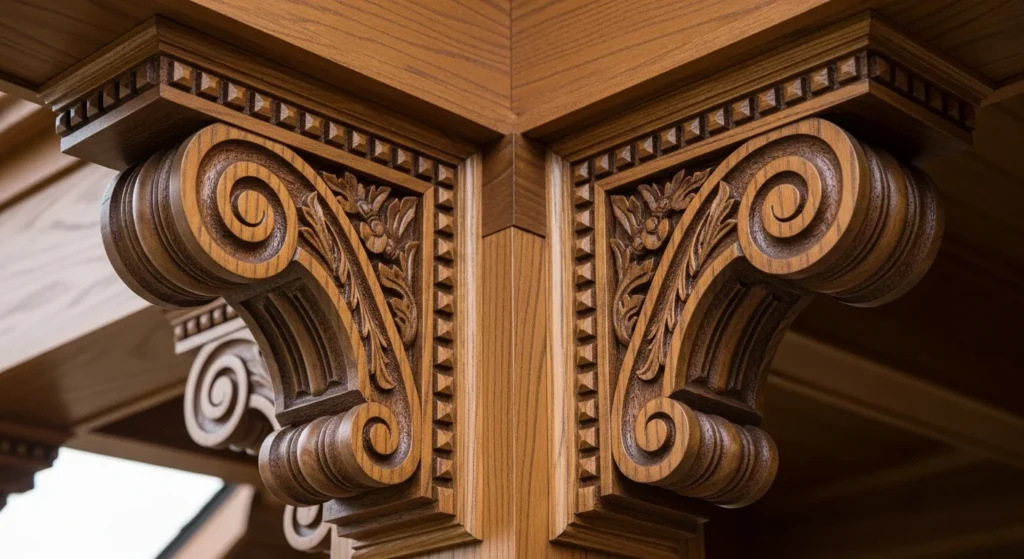
Adding decorative brackets or corbels where beams meet posts elevates your porch design from functional to architecturally distinguished. These supporting elements, whether structural or purely ornamental, introduce craftsmanship and detail that catches the eye.
Traditional wooden corbels feature carved or shaped profiles that reference historical architectural styles. Craftsman-style brackets often incorporate tapered angles and clean lines, while Victorian corbels display more ornate scrollwork and decorative cutouts. These period-appropriate details help establish your home’s architectural identity while adding visual interest at critical junction points.
The scale of your brackets should relate proportionally to your beam size and overall porch dimensions. Oversized corbels on a small porch can appear cartoonish, while tiny brackets supporting massive beams look inadequate. As a general guideline, bracket depth should be roughly one-third to one-half the beam width, though architectural style and personal preference allow flexibility.
Metal brackets offer opportunities for creative expression in contemporary and industrial designs. Wrought iron, steel, and aluminum brackets can range from minimalist angle braces to elaborate custom-fabricated designs. Powder-coated finishes in complementary colors tie these elements into your overall color scheme while providing weather protection.
Integrated Lighting Within Beams
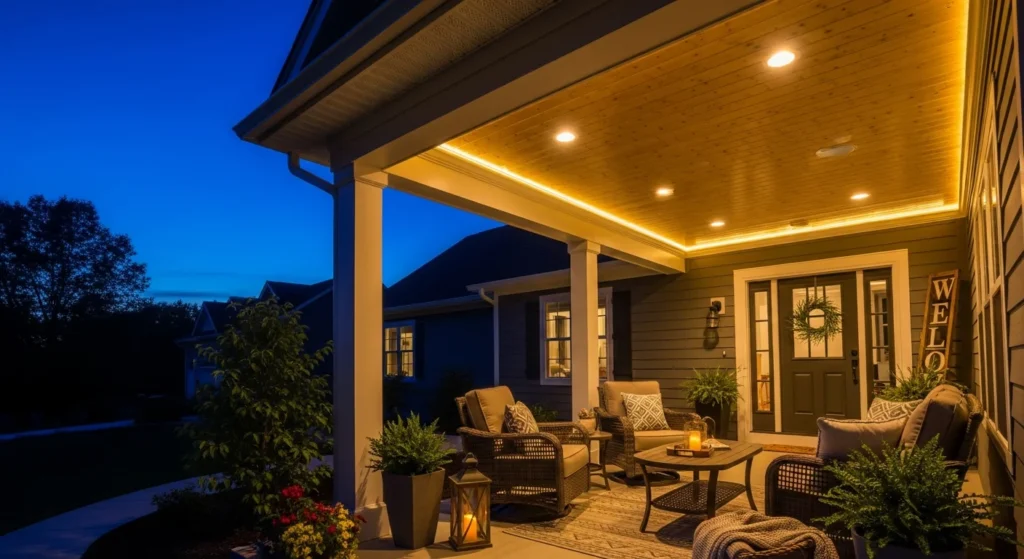
Incorporating lighting directly into your porch beams creates dramatic effects while solving practical illumination needs. This integration produces clean, professional results without visible wiring or awkwardly placed fixtures.
LED strip lighting installed along the underside of beams provides ambient wash lighting that illuminates your porch floor and creates a welcoming glow. The low profile of LED strips allows them to hide in routed channels or behind trim pieces, making the light source virtually invisible while the effect remains striking. Warm white LEDs enhance the cozy feeling of traditional porches, while cool white or color-changing options suit modern designs.
Recessed downlights embedded within beam structures direct focused illumination to specific areas. Spacing these fixtures at regular intervals along your beams creates rhythm and ensures even coverage across your porch. Consider positioning downlights to highlight architectural features, illuminate seating areas, or mark transitions between different porch zones.
Pendant fixtures suspended from beams add decorative lighting that contributes to your overall design scheme. Vintage-inspired Edison bulb pendants complement farmhouse and industrial aesthetics, while contemporary glass globes suit modern homes. The beam serves as both structural support and design anchor for these hanging fixtures, creating intentional focal points along your porch length.
Combining Materials for Visual Interest
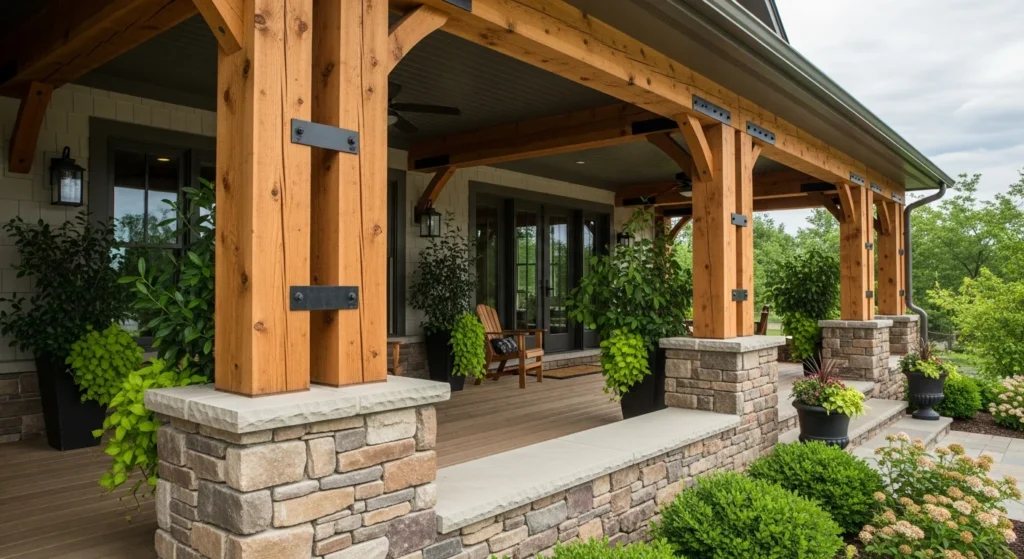
Some of the most compelling porch designs emerge when multiple materials work together within the beam structure. These mixed-material approaches create visual complexity and allow you to bridge different architectural elements.
Wood and steel combinations deliver both warmth and strength. A common approach positions steel structural beams with wood cladding or soffit panels that soften the industrial edge. Alternatively, wood beams with steel brackets or straps introduce subtle industrial accents to otherwise traditional designs. These metal details can be purely decorative or serve actual structural functions like tension ties or lateral bracing.
Stone or brick bases supporting wooden beams create grounded, substantial compositions. This vertical stratification of materials adds visual weight at the base while maintaining lighter, warmer materials at eye level and above. The transition point where stone meets wood becomes an opportunity for creative detailing through trim work, reveals, or material overlaps.
Mixing beam finishes within a single porch adds depth and hierarchy. Consider combining natural wood on primary beams with painted trim beams or secondary supports. This differentiation helps establish visual order, with stained beams reading as major structural elements while painted members recede into a supporting role.
Beam Sizing for Architectural Impact
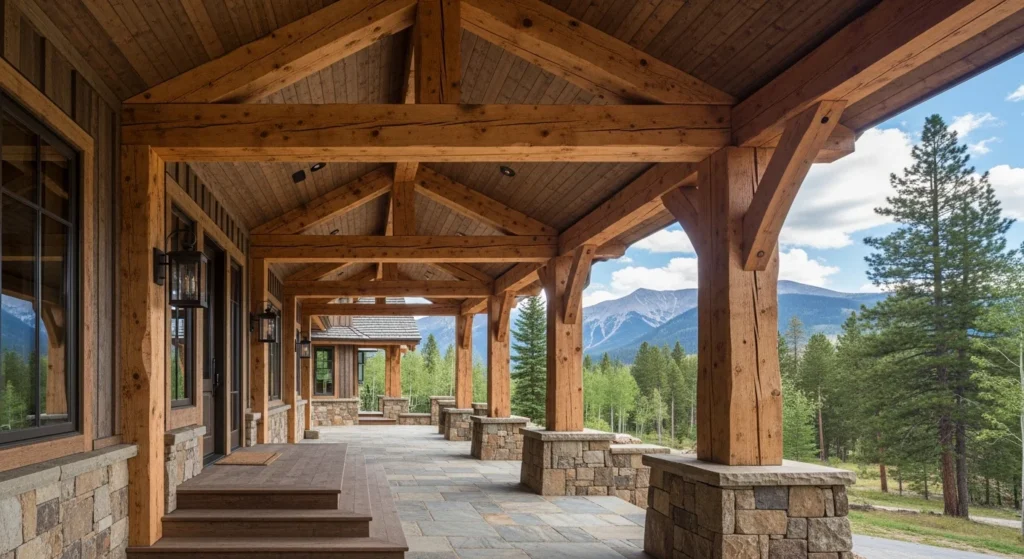
Beyond structural requirements, the visual proportion of your beams significantly affects your porch’s character. Oversized beams create bold, substantial statements while smaller members maintain delicate, refined appearances.
Thick, heavy-looking beams suit homes with robust architectural presence. Craftsman, mountain, and rustic farmhouse styles often benefit from substantial timber dimensions that convey strength and permanence. Even when structural requirements might allow smaller sizes, choosing generously proportioned beams establishes the weighty, grounded feeling these styles celebrate.
Conversely, slender beams work well in lighter, more delicate designs. Contemporary homes with clean lines often use minimal beam profiles that maintain structural function without visual bulk. The resulting airiness keeps sight lines open and prevents the porch from feeling enclosed or heavy.
The relationship between beam depth and width also influences perception. Deep beams with relatively narrow widths appear sleek and contemporary, while square or wider-than-deep proportions feel more traditional. Consider how beams appear from the street versus from the porch itself, since these different viewing angles reveal different dimensions.
Painted Ceilings with Contrasting Beams
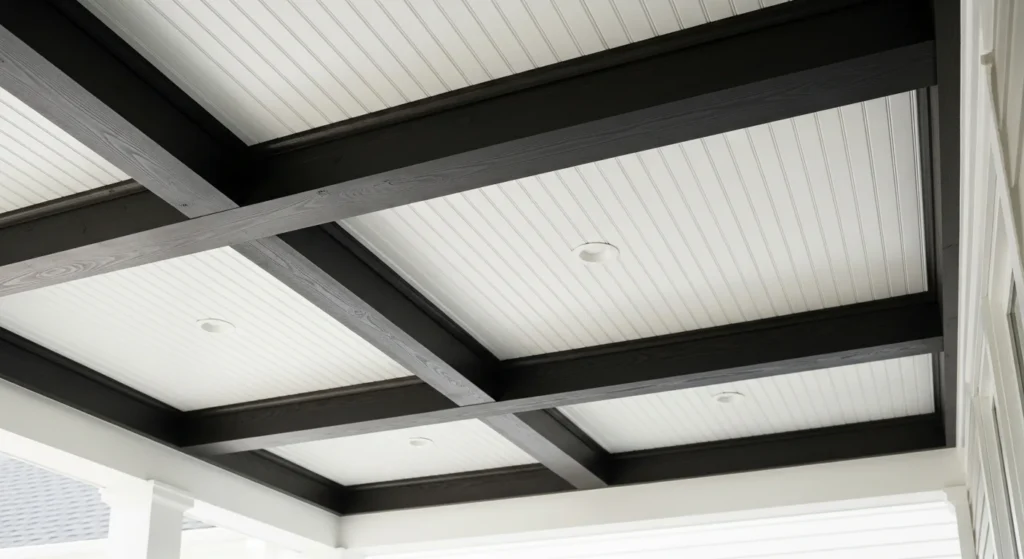
The interplay between beam color and porch ceiling treatment offers rich design possibilities. Strategic color choices create depth, drama, or serene harmony depending on your goals.
The classic white ceiling with dark beams remains popular for good reason. This high-contrast combination makes beams stand out as prominent architectural features while keeping the overall space feeling bright and open. Dark walnut or espresso beams against white painted tongue-and-groove ceiling boards create timeless appeal that suits both traditional and transitional homes.
For softer contrast, consider pairing medium-toned wood beams with light blue or gray ceilings. This approach references the Southern tradition of haint blue porch ceilings while maintaining the warmth that natural wood provides. The colored ceiling adds character without overwhelming, while beams ground the composition.
Monochromatic schemes using varying shades of the same color create sophisticated, layered effects. Beams in deep charcoal paired with lighter gray ceilings establish tonal variation without stark contrast. This subtle approach suits contemporary designs where you want architectural interest without traditional high-contrast combinations.
Rustic Farmhouse Beam Treatments
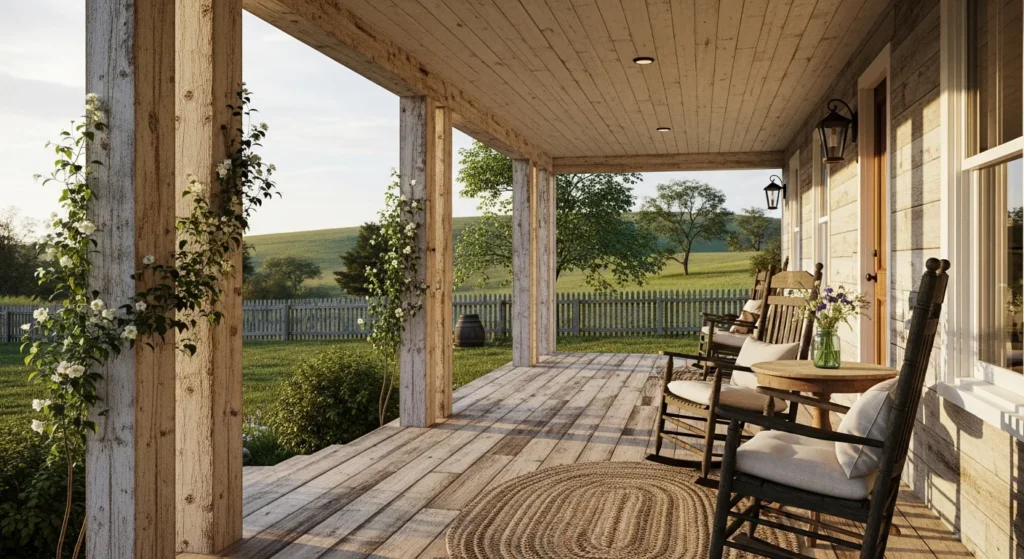
The enduring popularity of farmhouse style has inspired countless porch renovations featuring beams that capture rural American character. These designs emphasize natural materials, honest construction, and comfortable informality.
Authentic farmhouse beams often showcase visible joinery and construction details rather than concealing them. Mortise-and-tenon connections, wooden pegs, and simple lap joints become decorative elements that celebrate traditional craftsmanship. Rather than hiding structural hardware, farmhouse designs sometimes feature decorative strap hinges, bolts, or brackets that add industrial touches to rustic materials.
Whitewashed or lightly painted beams offer a fresh take on farmhouse style while maintaining rustic texture. This treatment allows wood grain to show through thin paint layers, creating surfaces that feel both refined and authentically aged. The technique works particularly well with rough-sawn or hand-hewn beams where underlying texture provides visual interest beneath the paint.
Board-and-batten ceiling treatments between exposed beams enhance the farmhouse aesthetic. The vertical orientation of batten strips contrasts with horizontal beam lines, creating geometric interest. Painting these ceiling boards white while leaving beams in natural wood or dark stain produces the classic farmhouse combination of clean backgrounds with warm wood accents.
Contemporary Minimalist Beam Designs
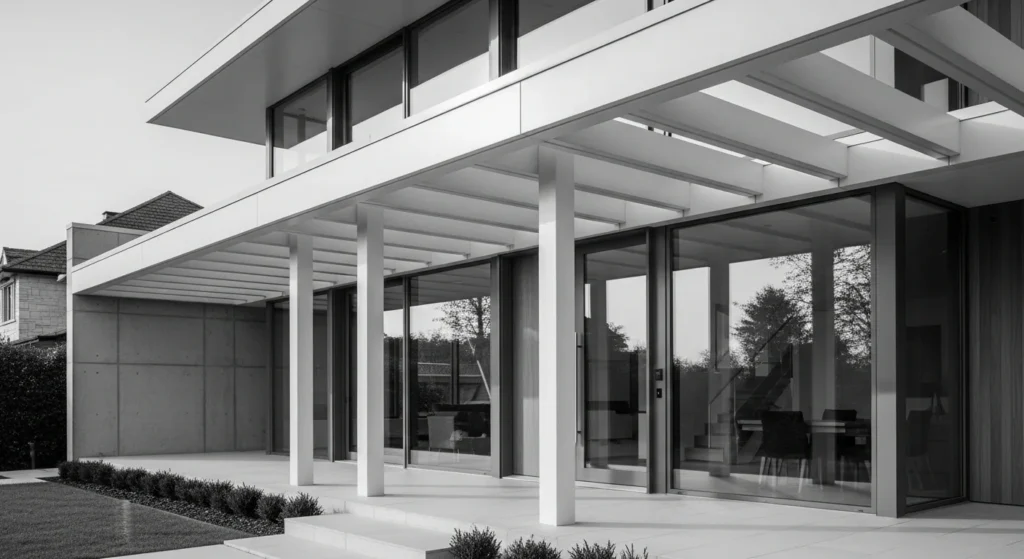
Modern architecture demands beams that embrace simplicity and clean expression. These designs strip away ornament to focus on proportion, material honesty, and precise detailing.
Flat-bottom steel beams with sharp edges create crisp horizontal lines that define contemporary porch spaces. The geometric purity of these elements complements glass, concrete, and smooth stucco typical in modern homes. Matte black or charcoal finishes prevent visual clutter while the beam profiles establish strong architectural presence.
Flush-mounted beams that sit level with the ceiling plane rather than dropping below create seamless, continuous surfaces. This approach requires careful planning during construction but delivers remarkably clean results. The ceiling reads as a single plane punctuated by material changes rather than a surface interrupted by protruding beams.
Cantilevered beams extending beyond post supports demonstrate structural confidence and create dynamic shadow lines. These projecting elements add horizontal emphasis while the overhangs provide functional benefits like shading windows or defining porch boundaries. The cantilever gesture speaks to modern design values of structural expression and bold moves.
Maintenance Considerations for Porch Beams
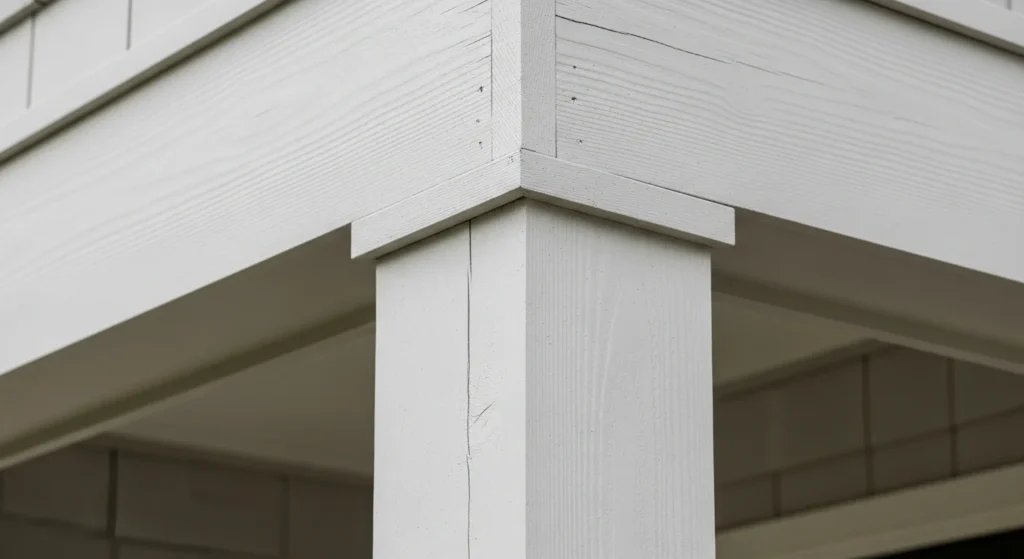
Different beam materials and finishes require varying levels of ongoing care to maintain their appearance and structural integrity. Understanding these requirements helps you make informed choices that align with your maintenance preferences.
Natural wood beams need periodic inspection for signs of moisture damage, insect activity, or finish deterioration. Annual cleaning removes dirt and pollen that can trap moisture against wood surfaces. Every few years, many wood finishes require renewal through fresh stain or sealer application. This maintenance becomes less frequent if you choose naturally rot-resistant species like cedar or properly treated lumber.
Painted beams typically hold up well with occasional cleaning, though paint will eventually require renewal as it chalks, fades, or cracks. Proper surface preparation and quality exterior-grade paints extend the interval between refinishing cycles. Inspect painted beams for any areas where paint has failed and moisture might penetrate, addressing these spots promptly to prevent wood damage.
Metal beams require minimal maintenance beyond occasional cleaning and inspection for rust or coating damage. Powder-coated finishes prove remarkably durable, often lasting decades without attention. If rust appears on steel beams, address it quickly by sanding affected areas and applying touch-up paint to prevent spreading.
Faux beams and composite materials require the least maintenance of any option. Basic cleaning with mild soap and water keeps them looking fresh. No staining, sealing, or painting is ever necessary. Annual inspection confirms the mounting system remains secure, but the beam material itself requires no preservation efforts.
Conclusion
Front porch beams represent a convergence of function and beauty that can define your home’s architectural character. From the warm authenticity of reclaimed barn wood to the sleek sophistication of powder-coated steel, the options available today allow unprecedented creative expression while meeting structural demands.
The ideas explored throughout this guide demonstrate that beam selection extends far beyond choosing a structural member that meets engineering requirements. Your beams establish design vocabulary, create visual rhythm, and tie together disparate architectural elements into cohesive compositions. Whether you embrace bold contrast through painted treatments, celebrate natural materials with exposed timbers, or explore innovative combinations of traditional and contemporary elements, thoughtful beam design elevates your porch from mundane to memorable.
As you plan your porch project, consider how beam choices interact with your home’s existing architecture, your personal style preferences, and your maintenance expectations. The right beams will feel inevitable rather than arbitrary, as though they have always belonged to your home. By investing attention in this often-overlooked architectural element, you create an entrance that welcomes guests with both structural confidence and aesthetic distinction.
Frequently Asked Questions
What is the most durable material for front porch beams?
Steel beams offer the longest lifespan and greatest structural strength with minimal maintenance requirements. Among wood options, cedar and pressure-treated lumber provide excellent durability for outdoor applications. Faux polyurethane beams deliver superior weather resistance without any rot, warp, or insect concerns, though they serve decorative rather than structural purposes.
How do I choose the right beam size for my porch?
Beam sizing depends on multiple factors including span length between supports, roof load, local snow requirements, and building codes. Consult with a structural engineer or experienced contractor who can calculate the appropriate dimensions based on your specific situation. Visual proportion also matters, so select sizes that look substantial enough for your home’s scale.
Can I install decorative porch beams over existing structural supports?
Yes, wrapping or cladding existing structural beams with decorative materials is a common and effective approach. This technique allows you to achieve the appearance of solid timber or other premium materials while the underlying structure handles loads. Ensure proper fastening and weatherproofing at all joints to prevent moisture intrusion.
What is the best finish for wood porch beams?
The ideal finish balances appearance preferences with protection needs. Penetrating oil-based stains highlight wood grain while providing UV and moisture resistance. Solid-color exterior stains offer more protection with opaque coverage. For maximum durability, consider marine-grade spar varnish or exterior-grade paint, though these require more maintenance when they eventually fail.
How much do front porch beams typically cost?
Costs vary dramatically based on material choice, size, and complexity. Basic pressure-treated lumber beams might cost fifty to one hundred dollars for materials, while custom-milled reclaimed timber or steel beams can run several hundred to over a thousand dollars each. Professional installation adds labor costs that depend on project scope and regional rates.
You may also like clever ways to hide keys outside your home