Guide to Sustainable Gardening and Landscaping: Creating Harmony with Nature
The relationship between our outdoor spaces and the natural world has reached a critical turning point. Traditional landscaping practices, while aesthetically pleasing, often demand excessive resources and contribute to environmental degradation. Sustainable gardening and sustainable landscaping offers a transformative alternative that benefits both property owners and the planet. This approach embraces ecological principles to create beautiful outdoor spaces that work with nature rather than against it, conserving water, supporting local wildlife, and reducing maintenance requirements while enhancing the health of our environment.
Understanding sustainable gardening means recognizing that every decision made in your landscape has ripple effects throughout the local ecosystem. From the plants you choose to the methods you use for pest control, each element contributes to either environmental degradation or regeneration. The growing movement toward sustainable practices reflects a broader awareness that our gardens and landscapes can serve as vital refuges for declining pollinator populations, help mitigate climate change through carbon storage, and reduce the strain on municipal water systems during increasingly common drought conditions.
Understanding the Foundations of Sustainable Landscaping
Sustainable landscaping represents a fundamental shift in how we approach outdoor space design and maintenance. Rather than imposing a predetermined vision that requires constant inputs of water, fertilizer, and chemical treatments, this methodology works within the constraints and opportunities presented by local climate, soil conditions, and native ecosystems. The core principle involves creating landscapes that are attractive, functional, and largely self-sustaining once established.
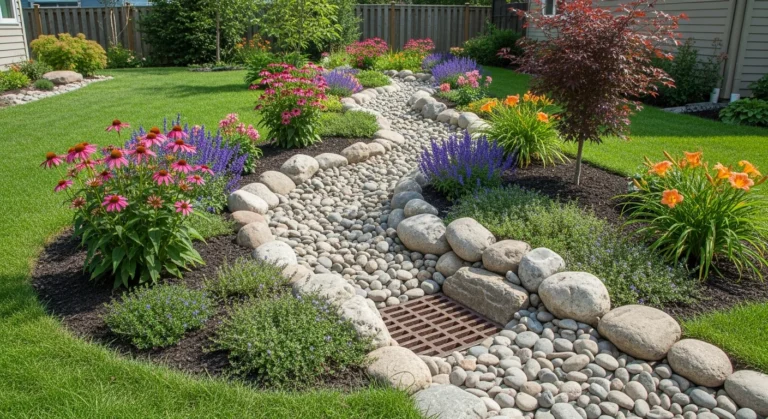
The foundation begins with understanding your specific site conditions. Soil composition, sun exposure patterns, drainage characteristics, and existing microclimates all influence which plants will thrive with minimal intervention. Conducting a thorough site assessment before making any planting decisions saves both resources and frustration down the line. Soil testing reveals nutrient levels and pH, guiding appropriate amendments and plant selections. Observing how water moves through your property during rain events identifies opportunities for rain gardens or swales that can manage stormwater naturally while recharging groundwater supplies.
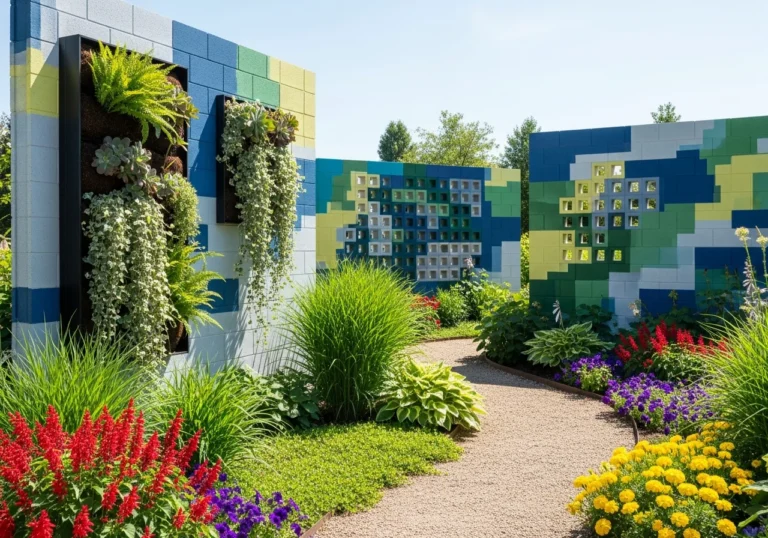
Sustainable landscapes prioritize diversity over monoculture. Traditional lawn-dominated yards create biological deserts that require intensive maintenance and provide little ecological value. In contrast, layered plantings that include trees, shrubs, perennials, and groundcovers mimic natural plant communities and create resilient ecosystems. This diversity improves soil health through varied root structures, provides habitat for beneficial insects and wildlife, and ensures that if one species faces pest or disease pressure, the entire landscape does not collapse.
Selecting Plants That Thrive With Minimal Input
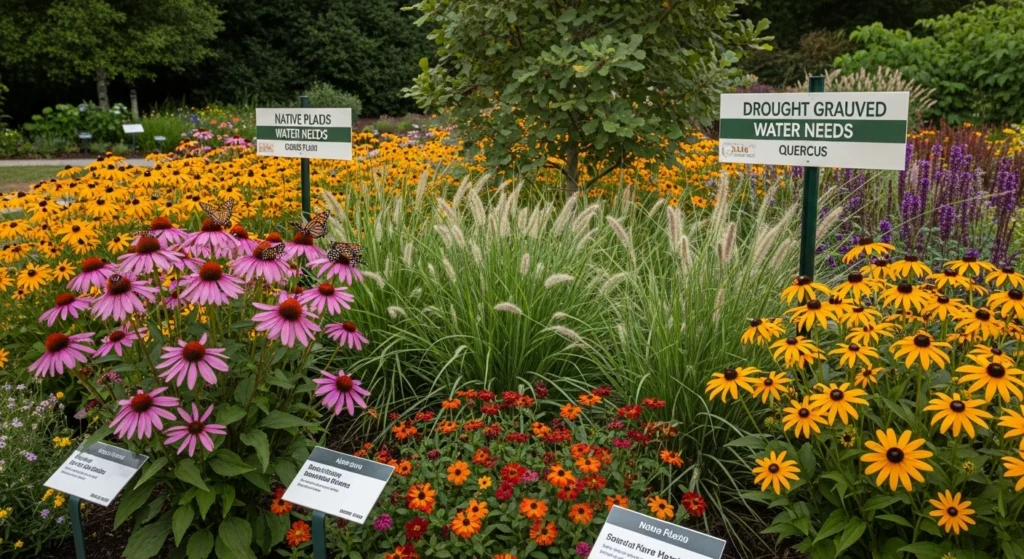
Plant selection stands as perhaps the most critical decision in sustainable landscaping. Native plants, those that evolved in your specific region over thousands of years, offer unmatched advantages. They have adapted to local rainfall patterns, temperature extremes, soil types, and native pest populations. Once established, many native plants require no supplemental irrigation beyond natural precipitation and resist local diseases without chemical intervention.
Beyond their practical advantages, native plants form the foundation of local food webs. Research demonstrates that native insects, which serve as essential food sources for birds and other wildlife, often cannot utilize non-native plant species. A single native oak tree can support over 500 species of caterpillars, while non-native ornamentals may host fewer than 50. This difference cascades through the ecosystem, affecting everything from songbird populations to soil health.
When selecting plants, group them according to their water and sun requirements. This hydrozoning approach ensures efficient irrigation by placing high-water-use plants together in limited areas while drought-tolerant species occupy zones that receive little or no supplemental water. The concept extends beyond simple water needs to include maintenance requirements, allowing you to concentrate labor-intensive plantings in highly visible areas while lower-maintenance plants fill background spaces.
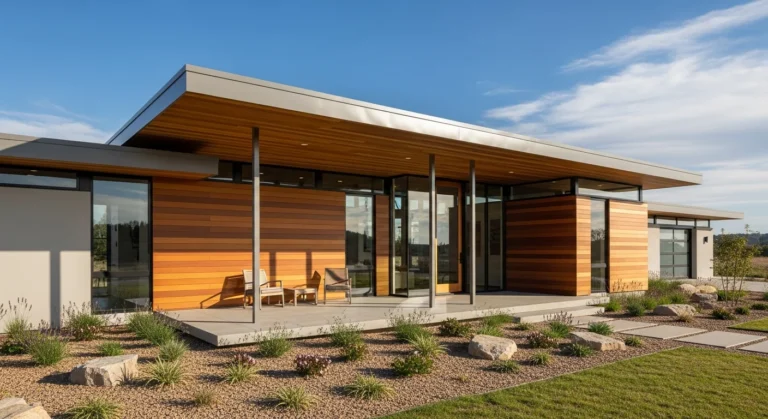
Drought-tolerant sustainable landscaping, often called xeriscaping, exemplifies sustainable plant selection. Originally developed for arid climates, these principles apply anywhere water conservation matters. Xeriscaping does not mean barren gravel lots dotted with cacti. Instead, it emphasizes choosing plants adapted to available moisture, whether desert succulents in Phoenix or native prairie grasses in Kansas. The result is landscapes that maintain visual appeal while using a fraction of the water required by traditional designs.
Water Conservation Strategies for Sustainable Gardens
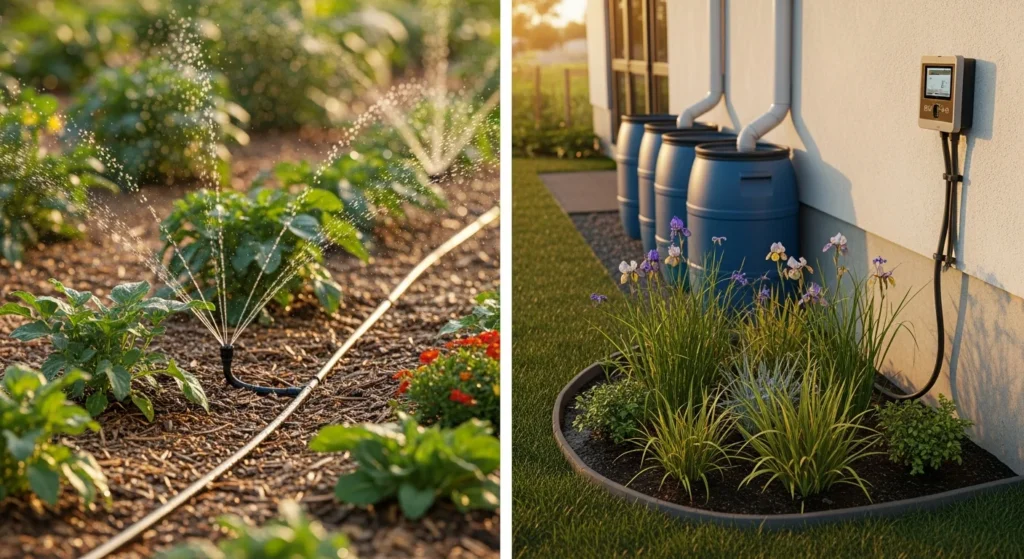
Water represents an increasingly precious resource, making conservation essential in sustainable landscaping. Traditional irrigation systems often waste substantial water through evaporation, runoff, and watering impervious surfaces. Sustainable approaches minimize waste while ensuring plants receive adequate moisture.
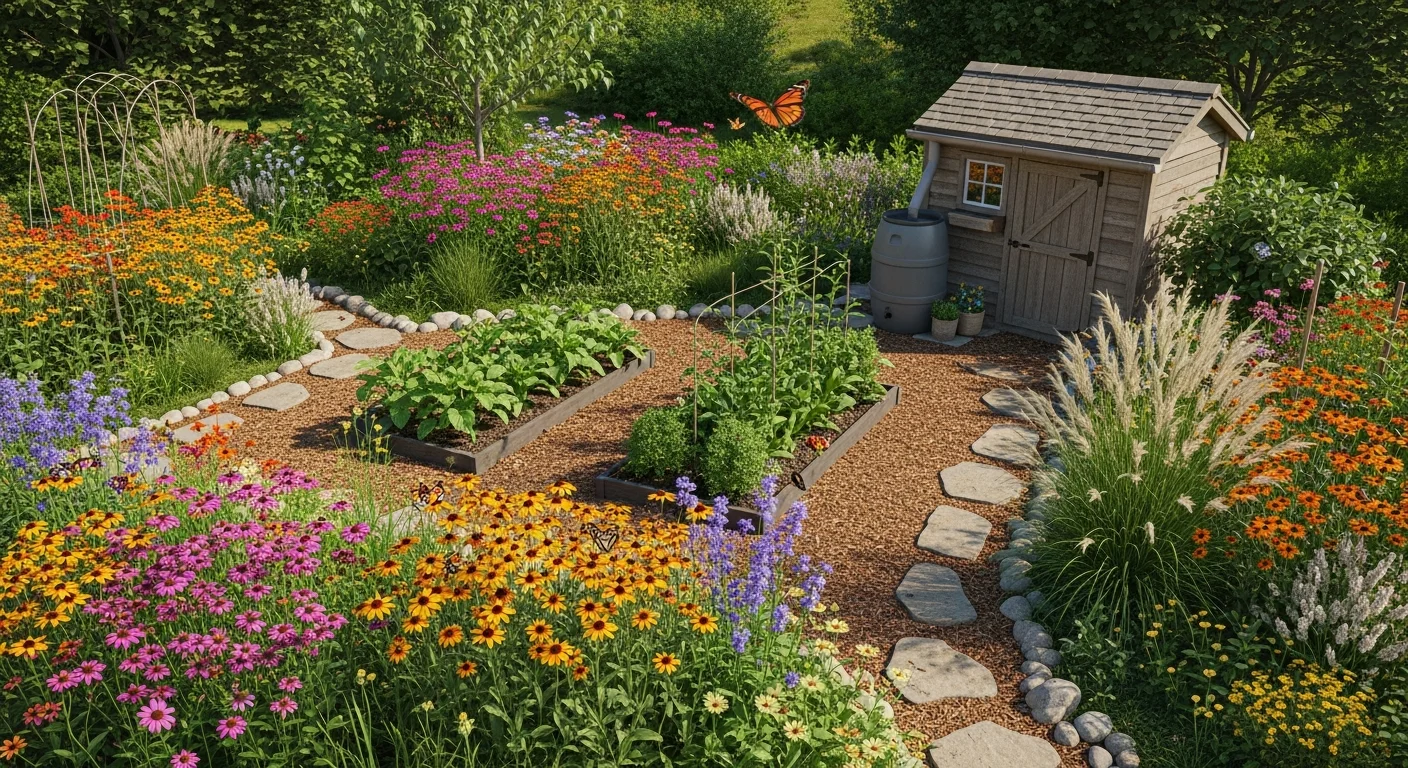
Mulching provides one of the simplest yet most effective water conservation techniques. A layer of organic mulch three to four inches deep around plants reduces evaporation from soil surfaces, moderates soil temperature, suppresses weeds that compete for moisture, and gradually improves soil structure as it decomposes. Materials like shredded bark, wood chips, or pine straw work well for most applications. In vegetable gardens, compost serves double duty as both mulch and slow-release fertilizer.
Rain gardens and bioswales represent innovative approaches to stormwater management that also reduce irrigation needs. These shallow depressions planted with moisture-tolerant native species capture runoff from roofs, driveways, and other impervious surfaces. Water that would otherwise flow into storm drains instead filters slowly through the soil, recharging groundwater while watering plants. During dry periods, established rain garden plants typically survive on stored soil moisture without supplemental irrigation.
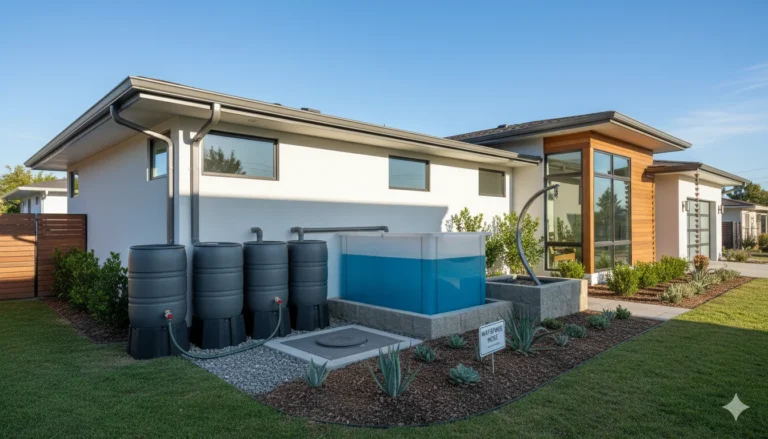
When irrigation proves necessary, efficiency matters tremendously. Drip irrigation systems deliver water directly to plant root zones with minimal waste, using up to 50 percent less water than conventional sprinklers. Smart controllers adjust watering schedules based on weather conditions, soil moisture levels, and plant needs, preventing the common sight of sprinklers running during rainstorms. Rain barrels and cisterns capture roof runoff for later use, reducing demand on municipal water supplies while providing chlorine-free water that many plants prefer.
Building Healthy Soil Through Natural Methods
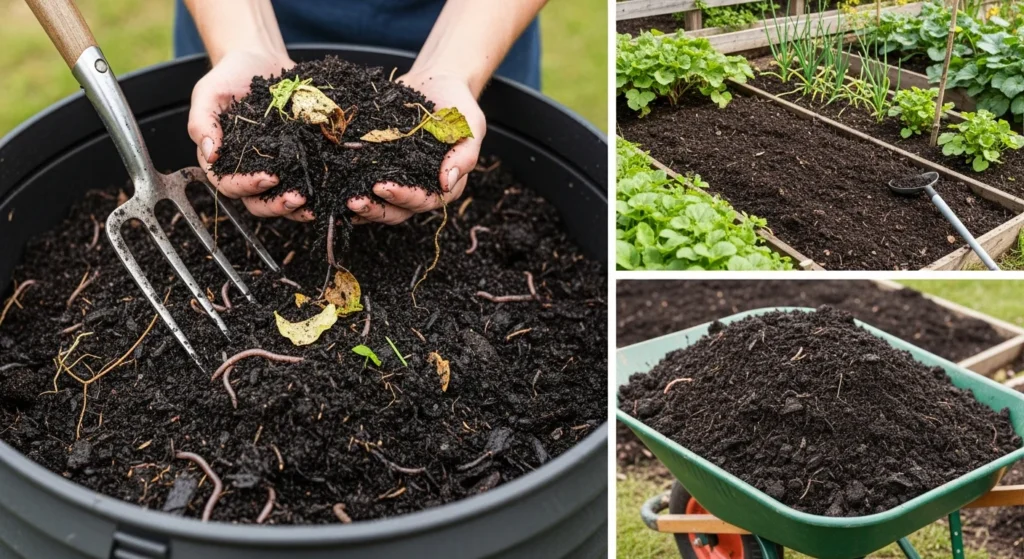
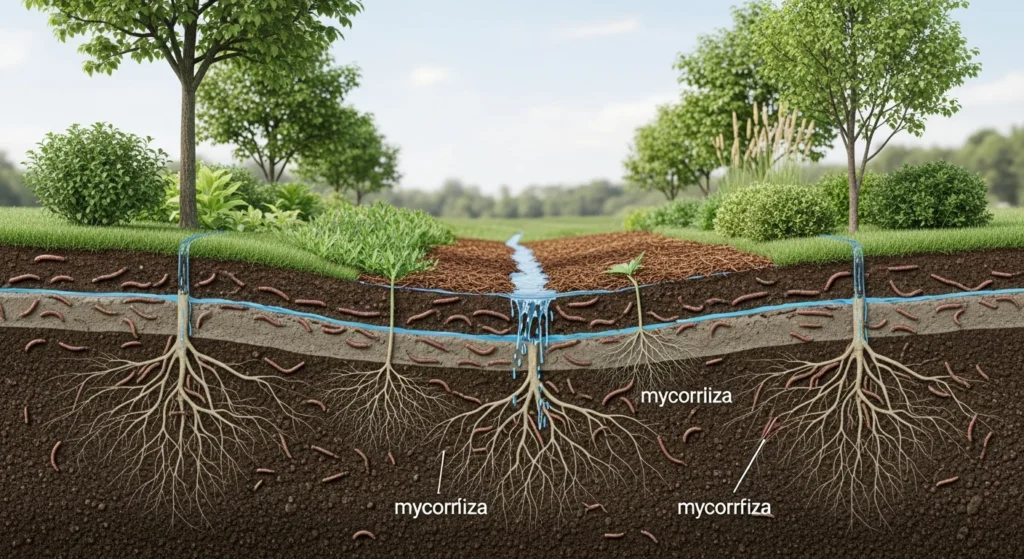
Healthy soil forms the foundation of sustainable gardens. Rather than viewing soil merely as a medium to hold plants upright, sustainable practitioners recognize it as a living ecosystem teeming with beneficial microorganisms, fungi, earthworms, and other organisms that support plant health. These soil organisms cycle nutrients, improve soil structure, suppress diseases, and even help plants resist drought stress.
Composting transforms yard waste and kitchen scraps into valuable soil amendment while diverting organic material from landfills where it would generate methane, a potent greenhouse gas. A well-maintained compost pile converts leaves, grass clippings, vegetable trimmings, and other organic matter into nutrient-rich humus. Incorporating finished compost into garden beds improves soil structure in both clay and sandy soils, increases water retention, and provides slow-release nutrients that support plant growth without the environmental costs of synthetic fertilizers.
Cover crops and green manures offer another approach to soil improvement, particularly in vegetable gardens. Planting crops like clover, winter rye, or hairy vetch during fallow periods prevents erosion, suppresses weeds, and adds organic matter and nitrogen when tilled under before planting. Some cover crops, particularly those in the legume family, work with soil bacteria to capture atmospheric nitrogen and make it available to subsequent crops.
Minimizing soil disturbance protects soil structure and the beneficial organisms it contains. No-till or reduced-till approaches maintain soil aggregation, preserve mycorrhizal fungal networks that help plants absorb water and nutrients, and reduce weed germination by leaving buried weed seeds undisturbed. This practice proves particularly valuable in established perennial beds where annual digging disrupts root systems and soil ecology.
Reducing Lawn Area and Embracing Alternatives
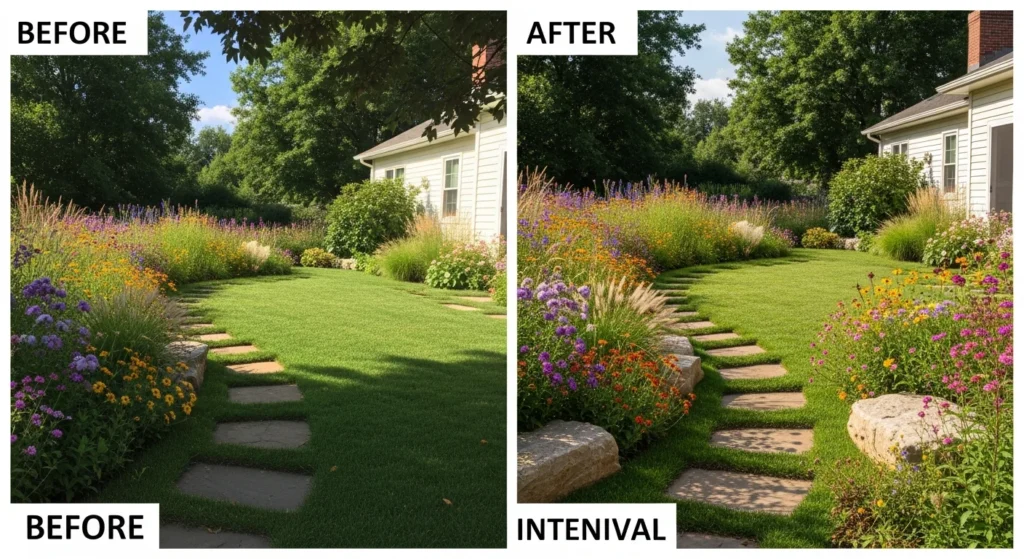
Traditional turfgrass lawns dominate American landscapes despite requiring more water, fertilizer, pesticides, and maintenance than almost any other landscape element. These monocultures provide minimal ecological benefit while consuming substantial resources. Sustainable landscaping involves critically evaluating lawn areas and eliminating or reducing turf where it serves little functional purpose.
Lawn alternatives range from complete replacement to strategic reduction. Replacing unused lawn areas with native plantings, groundcovers, or mulched beds immediately reduces maintenance and resource consumption. Meadow gardens featuring native grasses and wildflowers provide seasonal color and support pollinators while requiring only occasional mowing. In shaded areas where grass struggles, native woodland plants or shade-tolerant groundcovers like wild ginger or creeping phlox thrive without the constant inputs struggling turf demands.
For areas where lawn serves functional purposes, sustainable management reduces environmental impact. Raising mowing height to three or four inches encourages deeper root growth, improves drought tolerance, and shades out many weeds. Grasscycling, leaving grass clippings on the lawn rather than bagging them, returns nutrients to the soil and reduces the need for fertilizer. Selecting appropriate grass species for your climate and conditions minimizes water and maintenance requirements while producing a healthier lawn.
Some property owners choose to maintain small, well-defined lawn areas for recreation or aesthetics while converting the bulk of their property to diverse plantings. This approach concentrates maintenance efforts where grass truly serves a purpose while freeing the remainder of the landscape to support wildlife and require less intervention.
Supporting Wildlife and Pollinators Through Landscape Design
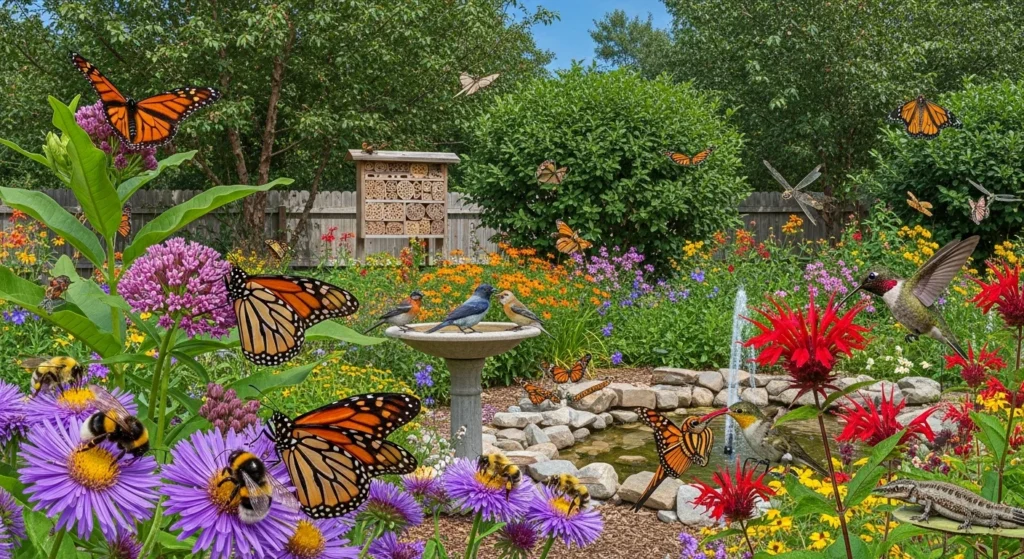
Sustainable gardens serve as critical habitat islands in increasingly fragmented landscapes. As development eliminates natural areas, residential and commercial landscapes can provide vital refuges for native wildlife, pollinators, and beneficial insects. Creating these habitats requires thoughtful design that addresses the basic needs of wild creatures: food, water, shelter, and places to raise young.
Native plants form the foundation of wildlife-friendly landscapes by providing appropriate food sources. Native bees, butterflies, and other pollinators often have specialized relationships with specific native plants that have evolved together. While exotic flowers may attract some pollinators with nectar, they frequently lack the pollen chemistry or flower structure these insects require. Native host plants also support the larval stages of butterflies and moths, which in turn provide essential protein for nesting birds.
Layered plantings that include trees, shrubs, and groundcovers offer diverse habitat structures. Trees provide nesting sites and cover for birds, while a shrub understory creates protective corridors for small mammals and ground-nesting birds. Leave some areas of leaf litter undisturbed through winter, as many beneficial insects overwinter in this layer. Dead wood, whether standing snags or fallen logs, supports countless species of insects, fungi, and cavity-nesting birds.
Water sources attract and support wildlife year-round. Simple bird baths with fresh water serve pollinators and birds alike. For a more ambitious project, small ponds or water features create habitat for frogs, dragonflies, and other aquatic species while providing drinking and bathing opportunities for terrestrial wildlife. Ensure water features have shallow edges or stones that allow small creatures to access water safely and escape if they fall in.
Implementing Sustainable Pest and Disease Management
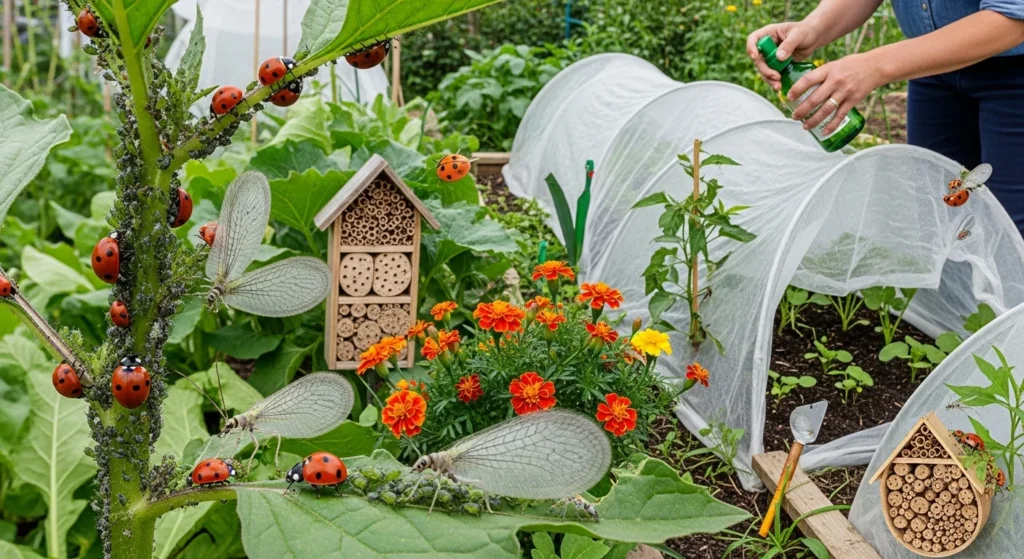
Sustainable landscapes minimize pest and disease problems through prevention rather than reaction. Healthy plants growing in appropriate conditions with proper care resist most pest and disease pressures naturally. When problems do arise, integrated pest management provides a systematic approach that prioritizes the least disruptive interventions.
Selecting resistant plant varieties and appropriate species for your site conditions forms the first line of defense. Plants stressed by unsuitable growing conditions or poor care become magnets for pests and diseases. Proper spacing improves air circulation and reduces fungal disease pressure. Diverse plantings prevent pest problems from cascading through the landscape, as pests that specialize on particular plants cannot easily move from host to host when different species are intermingled.
Encouraging beneficial insects and other pest predators provides natural control. Ladybugs, lacewings, parasitic wasps, and many other insects prey on common garden pests. These beneficials need nectar sources from flowers, shelter in the form of perennial plantings, and most importantly, freedom from broad-spectrum pesticides that kill friends and foes alike. Accepting minor pest damage allows beneficial populations to establish and maintain balance.
When intervention becomes necessary, start with the least toxic options. Hand-picking larger pests, using barriers like row covers, or applying targeted sprays of insecticidal soap or horticultural oil addresses many problems without disrupting the broader ecosystem. If stronger measures prove necessary, select pesticides specific to the target pest rather than broad-spectrum chemicals, apply them only to affected plants, and follow label directions precisely regarding timing and dosage.
Adapting Your Landscape for Climate Resilience
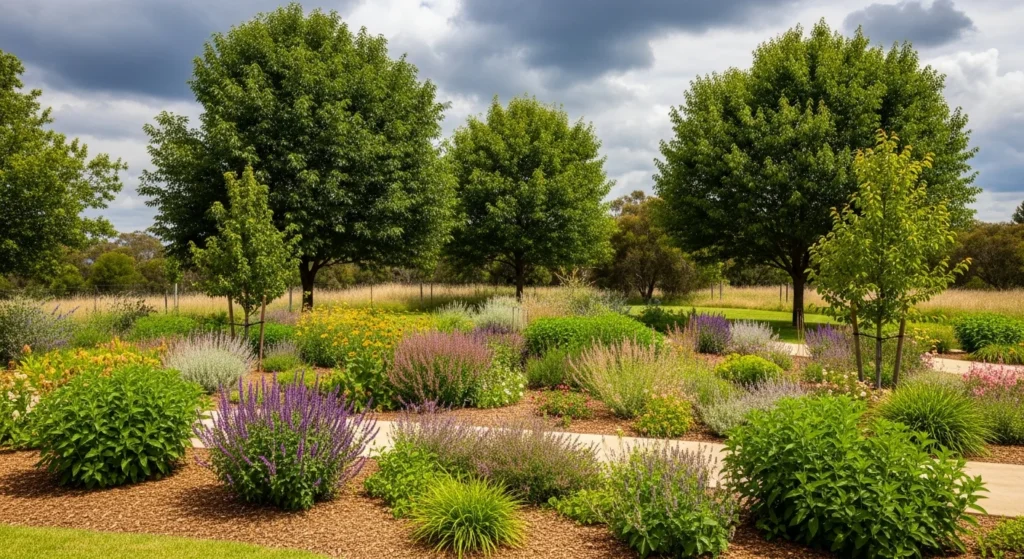
Climate change introduces new challenges for gardeners and landscapers. Temperature extremes, altered precipitation patterns, and more frequent severe weather events all affect plant performance and landscape resilience. Sustainable landscaping incorporates strategies that help gardens withstand and adapt to these changes.
Increasing plant diversity improves resilience by ensuring that some species will thrive regardless of specific conditions in any given year. If drought stresses one species, others adapted to dry conditions continue to perform. When unexpected cold snaps occur, hardier species maintain the landscape structure. This diversity also helps gardens adapt gradually as climate zones shift, with some species in a mixed planting likely suited to emerging conditions.
Trees play an outsized role in climate adaptation and mitigation. They moderate temperatures through shade and evapotranspiration, sequester carbon from the atmosphere, and reduce stormwater runoff. Planting trees suited to conditions projected for your area in coming decades ensures they will thrive throughout their lifetime. Consider species native to regions slightly warmer than your current zone, as they may become better adapted to your future climate.
Soil health becomes increasingly critical as weather becomes more unpredictable. Healthy soils rich in organic matter hold more water during droughts while draining better during heavy rains. They support more robust root systems that help plants withstand stress and recover from damage. Practices that build soil health, particularly adding compost and minimizing disturbance, create resilient growing media that buffers plants against climatic extremes.
Creating a Sustainable Landscaping Maintenance Plan
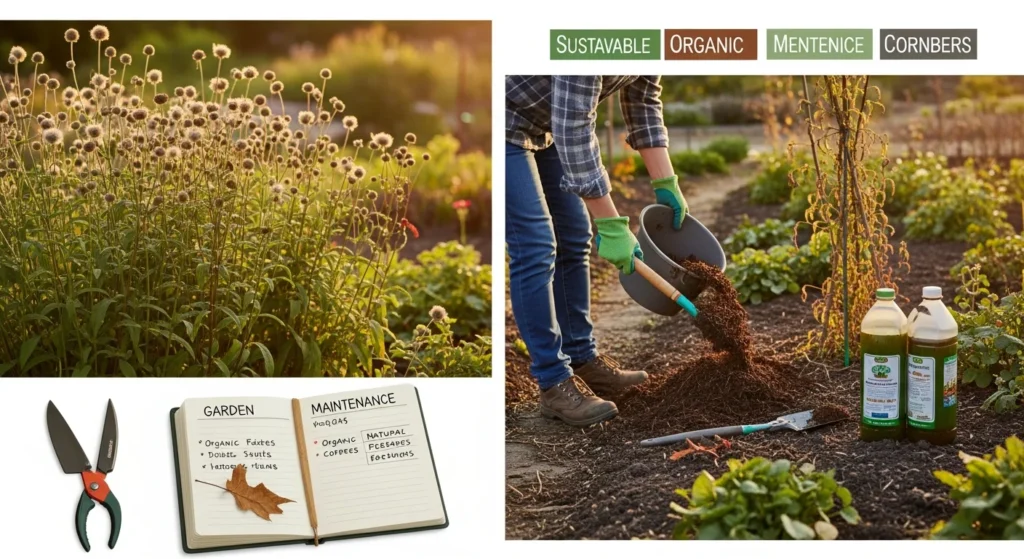
Sustainable landscapes require maintenance, but the nature and intensity of that care differs dramatically from conventional approaches. Rather than fighting against natural processes through constant intervention, sustainable maintenance works with nature to guide landscape development while minimizing resource inputs.
Seasonal maintenance follows natural rhythms. Leave perennial stalks standing through winter to provide seed sources for birds and overwintering habitat for beneficial insects, cutting them back in early spring before new growth emerges. Time pruning to promote plant health rather than following an arbitrary schedule. Delay fall cleanup until spring arrives, as early removal of plant debris eliminates crucial winter habitat.
Organic fertilization approaches focus on feeding the soil rather than the plants directly. Compost, aged manure, and other organic amendments release nutrients slowly while improving soil structure and supporting beneficial soil organisms. Synthetic fertilizers, in contrast, provide quick nutrient boosts that wash away easily, contributing to water pollution while doing nothing to improve long-term soil health. Many sustainable landscapes require little or no fertilization once established, as healthy soil ecology and appropriate plant selection eliminate the need for supplemental nutrients.
Weed management in sustainable landscapes emphasizes prevention through dense plantings that shade out weeds, mulches that prevent weed seed germination, and accepting some plant diversity rather than pursuing weed-free perfection. When weeding proves necessary, early intervention through hand-pulling or shallow cultivation prevents weeds from setting seed and multiplying. The goal is management rather than elimination, recognizing that some plants labeled as weeds provide benefits like deep taproots that break up compacted soil or flowers that feed pollinators.
Sustainable gardening and landscaping represents more than a set of techniques or a passing trend. It embodies a fundamental reimagining of our relationship with outdoor spaces, transforming yards from resource-intensive showcases into productive ecosystems that support both human enjoyment and environmental health. The practices outlined here, from native plant selection to organic soil management and wildlife support, work together to create landscapes that require fewer inputs while providing greater benefits.
Making the transition to sustainable landscaping need not happen overnight. Start with small changes like adding a rain barrel, reducing lawn area incrementally, or incorporating native plants into existing beds. Each step contributes to environmental health while providing learning opportunities that inform future decisions. As your landscape matures and your understanding deepens, sustainable practices become second nature, and you will likely find that these methods require less work while delivering more satisfaction than conventional approaches ever did.
The collective impact of millions of residential and commercial properties adopting sustainable practices would be transformative. Reduced water consumption, decreased pesticide use, expanded habitat for declining species, and increased carbon storage represent just a few of the benefits that scale from individual properties to entire communities. Your landscape can serve as both a personal sanctuary and a contribution to environmental restoration, proving that beauty and sustainability not only coexist but enhance each other in profound ways.
Frequently Asked Questions
What is the difference between sustainable landscaping and traditional landscaping?
Sustainable landscaping emphasizes working with natural systems to reduce resource consumption and environmental impact, while traditional Sustainable landscaping often fights against nature through intensive water use, chemical applications, and high-maintenance plants. Sustainable approaches use native plants, conserve water, build soil health organically, and support local ecosystems, requiring less maintenance once established.
How much water can I save with sustainable landscaping practices?
Water savings vary based on climate and specific practices implemented, but studies show sustainable landscapes can reduce water consumption by 30 to 60 percent compared to traditional lawns. Xeriscaping with native, drought-tolerant plants and efficient irrigation systems produces the greatest savings, particularly in arid and semi-arid regions where conventional landscapes demand extensive irrigation.
Do native plants really require less maintenance than exotic ornamentals?
Once established, native plants typically require significantly less maintenance because they evolved in local conditions and can handle regional weather patterns, pests, and diseases without intervention. They need little or no supplemental water after the first growing season, rarely require fertilization, and resist local pests naturally. The establishment period requires attention, but long-term maintenance drops substantially.
How can I create a sustainable landscape if I live in a homeowners association with strict rules?
Many homeowners associations are becoming more receptive to sustainable practices as water conservation gains importance. Start by reviewing your specific covenants and proposing changes that maintain attractive curb appeal while incorporating sustainable elements. Focus on areas not visible from the street initially, demonstrate success through well-maintained sustainable features, and educate your board about the environmental and cost benefits of these approaches.
Is sustainable landscaping more expensive than traditional methods?
Initial costs for sustainable landscaping can be higher or lower depending on your approach, but long-term expenses are nearly always reduced. Native plants often cost less than exotic ornamentals, and reducing lawn area saves on mowing equipment and fuel. Water bills drop substantially, fertilizer and pesticide purchases decrease or disappear, and reduced maintenance needs save time and money. Most sustainable landscapes pay for themselves within a few years through reduced operating costs.