12+ Stylish Walkway Canopy Kits Ideas
When it comes to protecting pedestrians from the elements while enhancing the architectural appeal of commercial, educational, or residential properties, walkway canopy kits offer an ideal solution. These prefabricated structures combine functionality with aesthetic versatility, providing weather protection for outdoor paths connecting buildings, parking areas, and entrances. Whether you manage a school campus, hospital facility, corporate complex, or simply want to upgrade your property’s outdoor spaces, selecting the right walkway canopy design can significantly improve safety, comfort, and visual appeal.
Modern walkway canopy kits have evolved far beyond basic shelter structures. Today’s options feature modular construction, premium materials like industrial-grade aluminum and polycarbonate roofing, and customizable design elements that complement any architectural style. From sleek contemporary cantilever systems to traditional gabled structures, the variety of available designs ensures every property owner can find a solution that meets both practical needs and aesthetic preferences.
This comprehensive guide explores over twelve distinct walkway canopy kit ideas, examining their unique features, applications, and benefits. Understanding these options will help you make informed decisions about which canopy system best suits your specific requirements, climate conditions, and budget considerations.
Modular Aluminum Canopy Systems
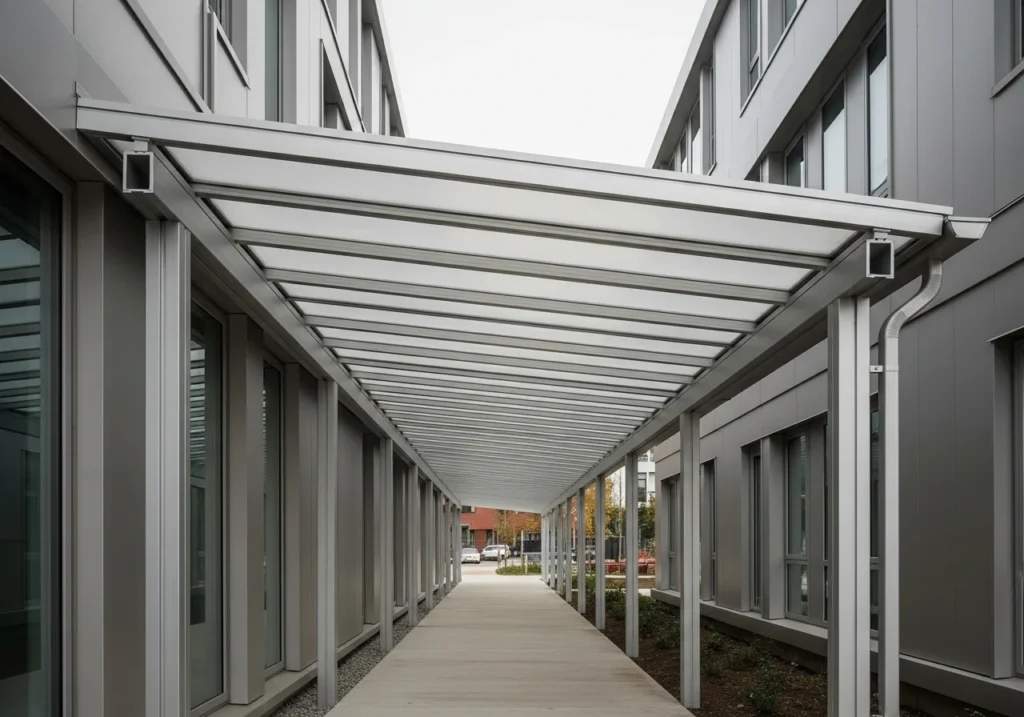
Modular aluminum canopy systems represent one of the most popular choices for walkway protection due to their exceptional durability and design flexibility. These prefabricated kits utilize high-grade aluminum alloys that resist corrosion, require minimal maintenance, and withstand harsh weather conditions without rusting or rotting. The modular nature of these systems allows for easy customization in length, width, and configuration, making them suitable for projects ranging from short entranceway covers to expansive walkways spanning several hundred feet.
The construction process for modular aluminum systems typically involves bolt-together assembly, eliminating the need for welding on-site and significantly reducing installation time. This prefabrication approach ensures consistent quality control, precise engineering, and compliance with local building codes. Many aluminum canopy kits include integrated gutter systems that channel water away from walkways through posts designed to function as downspouts, preventing pudding and ice formation that could create slip hazards.
Design versatility stands as another major advantage of modular aluminum systems. Property owners can select from various powder-coated color finishes to match existing architecture, choose between different deck styles for modern or traditional aesthetics, and incorporate optional features like lighting fixtures, windscreens, or enclosed panels. These systems often contribute to sustainability goals, as aluminum contains significant recycled content and may help projects achieve green building certifications.
Cantilever Walkway Canopies
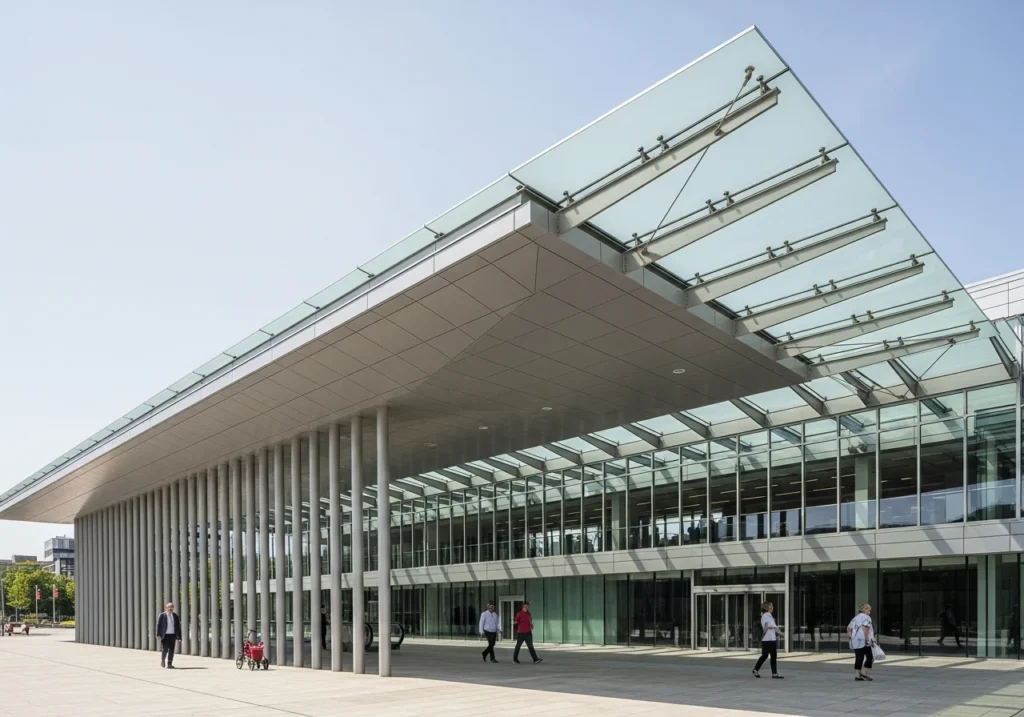
Cantilever walkway canopies offer a striking contemporary appearance characterized by their single-sided support structure. Unlike traditional canopies that require posts on both sides, cantilever designs feature support columns on one edge only, with the canopy extending outward to provide coverage. This architectural approach creates an open, unobstructed pathway that maximizes usable space while delivering modern visual impact.
The engineering behind cantilever systems requires careful attention to structural integrity and load-bearing calculations. These canopies must support not only their own weight but also snow loads, wind forces, and potential equipment installations like lighting or security cameras. Professional engineers typically design these systems to meet specific regional requirements and building codes, ensuring safety and longevity.
Cantilever canopies work particularly well for applications where maintaining clear sightlines is important, such as school drop-off zones, hospital emergency entrances, or retail storefronts. The absence of posts on one side allows for better traffic flow, improved accessibility for wheelchairs and strollers, and enhanced visibility for drivers and pedestrians. The sleek profile of cantilever designs also complements contemporary architecture, making them popular choices for modern buildings seeking to balance function with sophisticated aesthetics.

Gabled Roof Canopy Kits
Gabled roof canopy kits feature a traditional peaked design with two sloping sides that meet at a central ridge. This classic architectural style offers excellent water runoff capabilities and provides a timeless appearance that complements various building styles from traditional to transitional. The pitched roof design naturally sheds rain and snow, reducing maintenance requirements and extending the lifespan of roofing materials.
The structural advantages of gabled canopies include superior water management and the ability to handle significant snow loads in regions with harsh winter weather. The steep pitch prevents water pooling and ice dam formation, common problems with flatter roof designs. Many gabled canopy kits incorporate standing seam metal roofing or architectural shingles that match existing building materials, creating a cohesive visual connection between the walkway cover and main structures.
Installation flexibility makes gabled canopies suitable for diverse applications. They can be configured as freestanding structures supported by posts on both sides, or designed with one side attached directly to a building wall for added stability and architectural integration. Schools, churches, municipal buildings, and residential properties frequently choose gabled designs for their combination of practical performance and classic appeal that ages gracefully over time.

Curved Roof Walkway Canopies
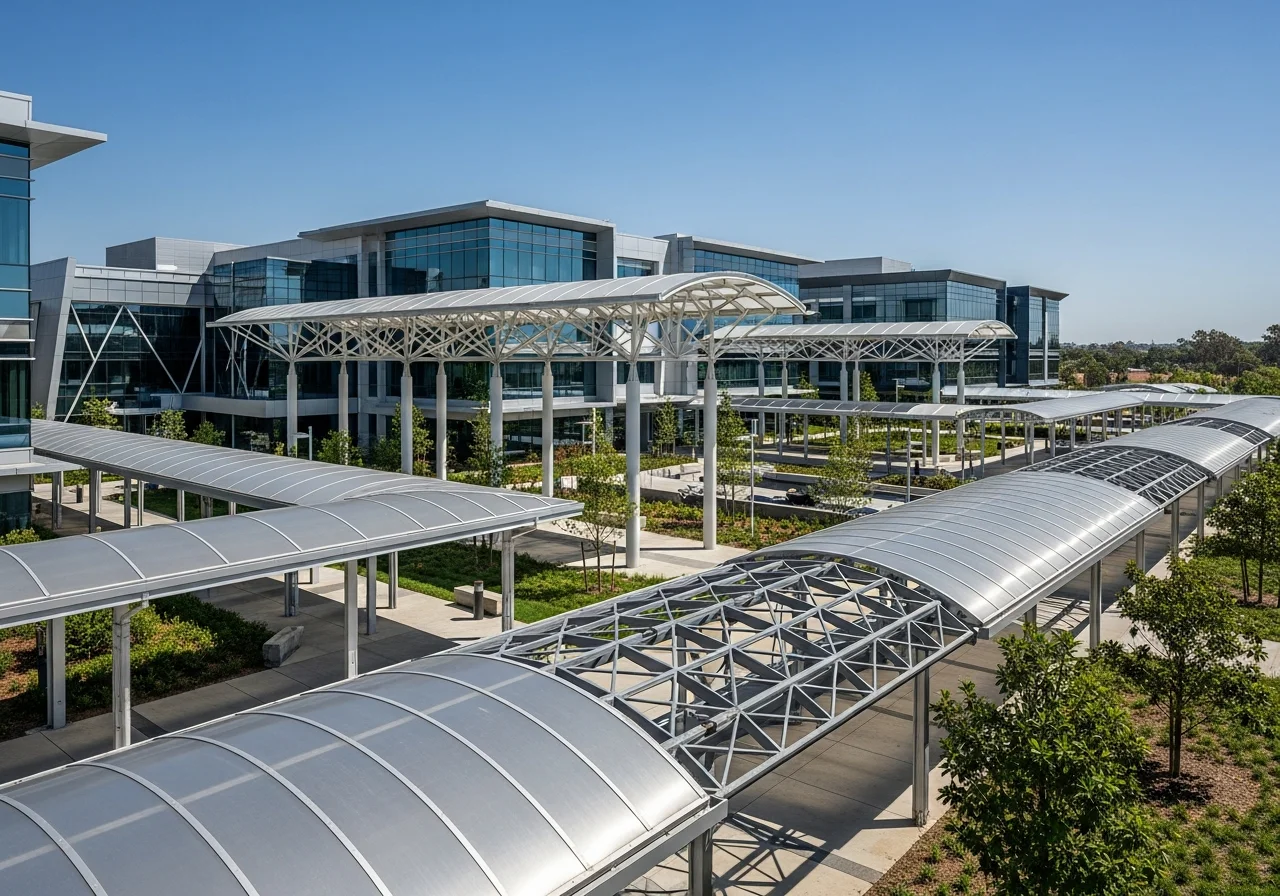
Curved roof walkway canopies introduce graceful lines and contemporary elegance to outdoor spaces. These designs feature smoothly arched rooflines that create visual interest while providing effective weather protection. The curved profile offers aerodynamic benefits in windy locations, reducing wind resistance and minimizing uplift forces that can stress traditional flat or peaked structures.
Modern curved canopy systems often utilize polycarbonate panels or specialized metal panels that can be formed into smooth arcs. Polycarbonate options provide the additional benefit of translucency, allowing natural light to filter through while blocking harmful ultraviolet rays. This characteristic makes curved canopies particularly appealing for educational facilities where maintaining bright, inviting walkways enhances the outdoor environment without creating harsh shadows.
Symmetric curved designs feature identical arch heights on both sides, offering balanced aesthetics ideal for standalone walkways between buildings. Asymmetric variations place the high point off-center, creating dynamic visual movement and allowing designers to direct water runoff strategically. Both configurations deliver excellent rainwater management through their natural drainage characteristics, with water flowing smoothly to designated collection points rather than accumulating on the canopy surface.
Single Slope Canopy Systems
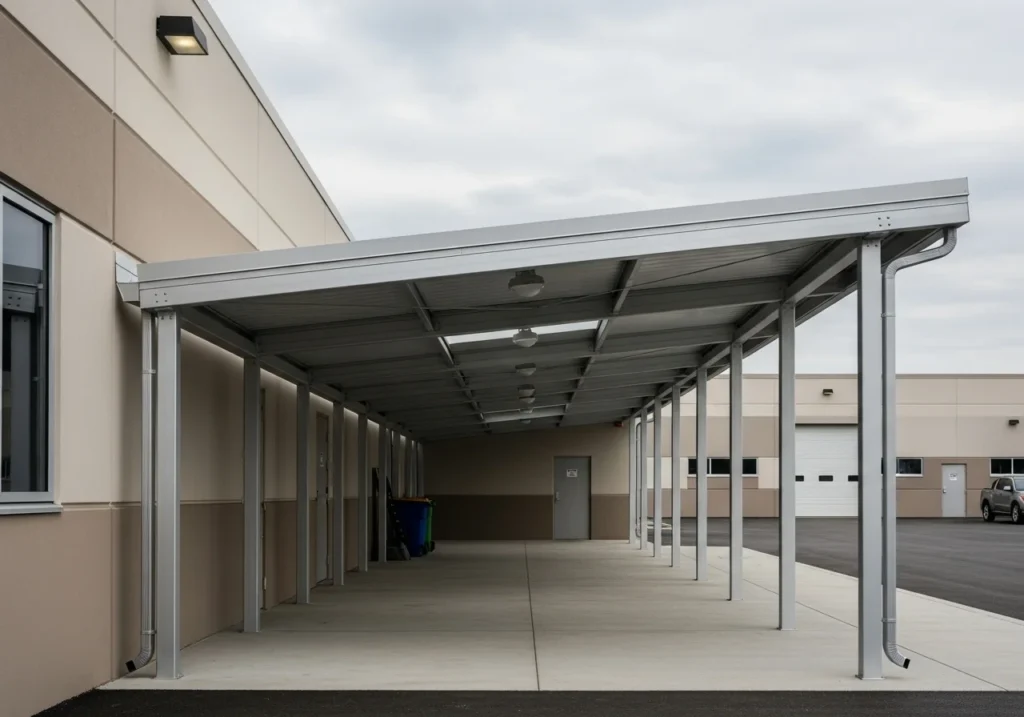
Single slope canopy systems present a straightforward, cost-effective solution for walkway protection. These designs feature a roof that slopes in one direction, typically angling away from an attached building or toward designated drainage areas. The simplicity of single slope construction often translates to lower material costs and faster installation compared to more complex roof configurations.
Despite their basic appearance, single slope canopies can be designed with considerable aesthetic appeal through thoughtful material selection and detail work. Contemporary projects might incorporate clean lines, hidden fasteners, and sleek fascia treatments that create refined minimalist looks. More traditional applications could include decorative trim, integrated lighting, or coordinated color schemes that enhance rather than compete with existing architecture.
Functionality remains the primary strength of single slope systems. The straightforward pitch ensures reliable water drainage, the uncomplicated structure reduces maintenance requirements, and the design accommodates various width configurations without significant engineering complications. These canopies work well for utilitarian applications like service entrances, loading docks, and equipment areas where budget efficiency and reliable protection take precedence over architectural statement-making.

Enclosed Walkway Canopy Kits
Enclosed walkway canopy kits take weather protection to the next level by adding side panels and optional doors that create fully sheltered corridors between buildings. These comprehensive systems shield pedestrians from wind, driving rain, and snow while providing enhanced security and climate control benefits. Enclosed walkways are particularly valuable in regions with harsh weather conditions or for facilities requiring year-round comfortable passage between structures.
Design options for enclosed canopies range from partially open configurations with windscreens on one or both sides to completely enclosed tunnels with doors at each end. Glass panel options maintain visibility and natural light penetration while blocking elements, creating bright, welcoming environments. Solid panel alternatives offer maximum weather protection and can incorporate insulation for improved temperature control, making them suitable for connecting buildings in extreme climates.
Educational campuses, healthcare facilities, and corporate complexes frequently invest in enclosed walkway systems to improve accessibility and safety. These structures allow staff, students, patients, and visitors to move between buildings regardless of weather conditions without exposure to rain, snow, or cold winds. The protected environment reduces slip and fall risks, minimizes tracked-in water and debris, and can significantly decrease heating and cooling costs by preventing cold air infiltration into building entries.

Hip Roof Walkway Canopies
Hip roof walkway canopies feature sloped surfaces on all four sides, converging at a central peak or ridge. This design creates a distinctive pyramidal or elongated pyramid shape that offers 360-degree weather protection. The multi-directional slopes provide superior wind resistance compared to gabled designs, as wind forces are distributed across multiple surfaces rather than concentrated on two opposing faces.
Architectural appeal represents a key advantage of hip roof canopies. The complex roofline adds visual depth and dimension, creating structures that function as focal points rather than afterthoughts. Properties seeking to make strong design statements often select hip roof configurations for prominent locations like main entrances, central courtyards, or arrival areas where the canopy serves as an architectural anchor.
Construction complexity for hip roof systems requires skilled fabrication and installation, typically resulting in higher costs compared to simpler designs. However, many property owners find the investment worthwhile for the enhanced aesthetic value and superior structural performance. The four-sided slope configuration excels at shedding water and snow from multiple directions, reducing the risk of ice dam formation and minimizing maintenance requirements in challenging climates.
Polycarbonate Roofing Canopy Systems
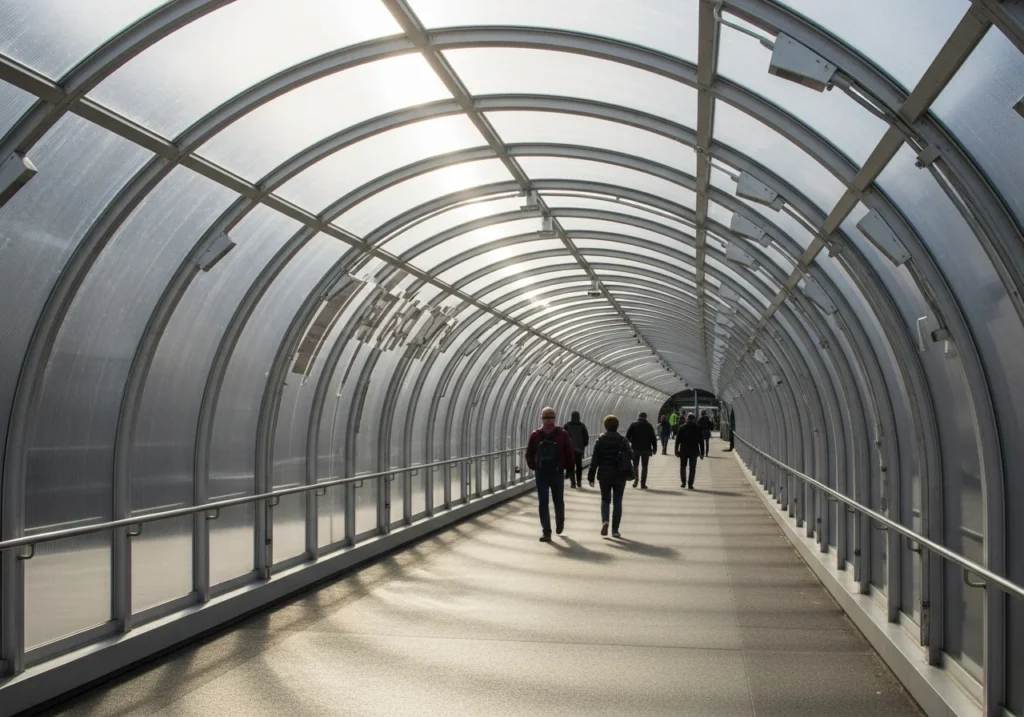
Polycarbonate roofing canopy systems have gained popularity for their unique combination of strength, light transmission, and weather resistance. These synthetic panels offer impact resistance far exceeding glass while weighing significantly less, simplifying structural requirements and installation processes. The material’s inherent flexibility allows designers to create curved profiles and custom shapes that would be difficult or impossible with traditional roofing materials.
Light transmission characteristics make polycarbonate canopies particularly attractive for applications where maintaining bright, naturally lit walkways is important. Clear polycarbonate panels allow maximum daylight penetration, reducing the need for artificial lighting during daytime hours and creating welcoming, open atmospheres. Tinted or opaque options provide sun control and glare reduction while still permitting diffused natural light to filter through, balancing illumination with comfort.
Weather performance of modern polycarbonate systems has improved dramatically through technological advances. UV-resistant coatings prevent yellowing and degradation from sun exposure, ensuring long-term clarity and structural integrity. Multi-wall configurations with air pockets provide excellent insulation properties, reducing heat gain in summer and heat loss in winter. These panels withstand hail, heavy snow loads, and extreme temperature fluctuations without cracking or failing, making them suitable for diverse climate conditions.
Steel Frame Walkway Canopies
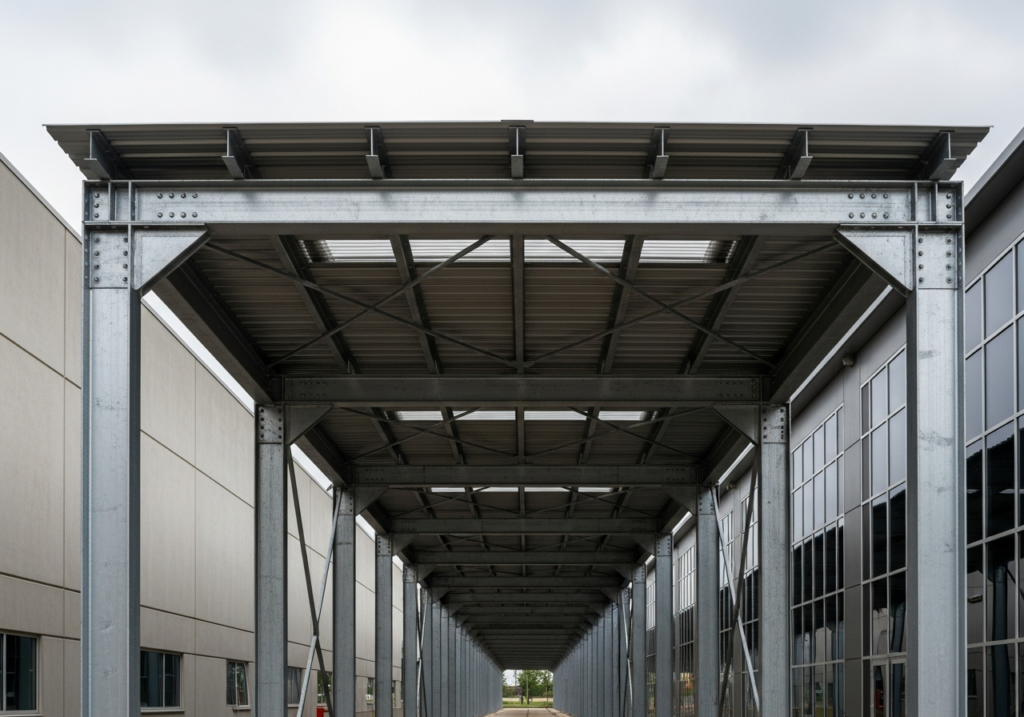
Steel frame walkway canopies deliver maximum structural strength for applications requiring heavy-duty construction or extended spans. Fabricated from galvanized or powder-coated steel, these systems can support substantial loads and resist deformation under stress, making them ideal for regions with extreme snow accumulation or high wind exposure. The inherent strength of steel allows for larger unsupported spans, reducing the number of posts required and creating more open, accessible walkways.
Design versatility in steel canopy systems accommodates virtually any roof style, from simple flat configurations to complex architectural statements. Steel’s formability enables custom shapes, intricate detailing, and integration with glass, metal panels, or fabric membrane roofing materials. This flexibility makes steel frames popular for signature projects where architectural distinctiveness matters as much as functional performance.
Longevity and maintenance considerations favor steel construction when properly protected against corrosion. Galvanized steel components resist rust through zinc coating, while powder-coated finishes provide both corrosion protection and color options that coordinate with surrounding architecture. Regular inspection and touch-up of any damaged coating areas ensures decades of reliable service. For permanent installations expected to last 30 years or more, steel’s durability often justifies its higher initial cost compared to aluminum alternatives.

Fabric Membrane Canopy Systems
Fabric membrane canopy systems represent innovative alternatives to traditional rigid roofing materials. These structures utilize high-strength synthetic fabrics stretched over supporting frames to create lightweight, visually dramatic covers. The tensile nature of fabric allows for unique sculptural forms impossible with conventional materials, enabling designers to create signature architectural elements that transform ordinary walkways into memorable experiences.
Modern architectural fabrics deliver impressive performance characteristics. PVC-coated polyester or PTFE-coated fiberglass materials resist tearing, withstand extreme temperatures, and maintain their appearance for 20 years or more with minimal maintenance. These fabrics shed water effectively, resist mildew and algae growth, and can be engineered to meet fire safety requirements for various building types and occupancies.
Light quality under fabric canopies creates comfortable, inviting environments. Translucent fabrics diffuse sunlight, eliminating harsh shadows while reducing heat gain compared to solid roofing materials. The soft, filtered illumination creates pleasant atmospheres for pedestrians while reducing the need for artificial lighting during daylight hours. Color options ranging from bright whites to vibrant hues allow architects to coordinate canopies with branding schemes or create visual landmarks within campuses and complexes.
Timber Frame Walkway Canopies
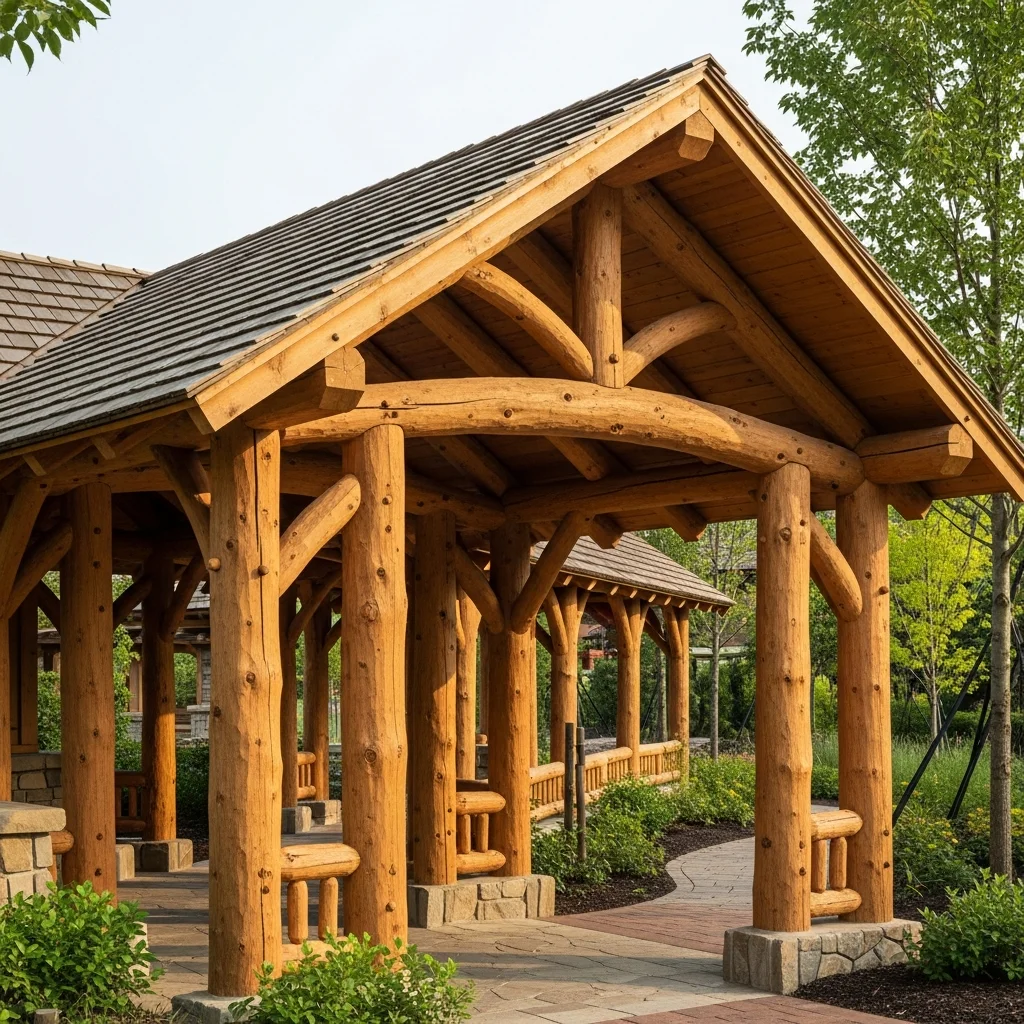
Timber frame walkway canopies bring natural warmth and organic beauty to outdoor spaces. Constructed from pressure-treated lumber, cedar, or engineered wood products, these structures offer rustic charm that complements traditional architecture, resort settings, and natural landscapes. The visual appeal of exposed wood beams, posts, and rafters creates inviting environments that feel more like architectural extensions than utilitarian weather protection.
Design options for timber canopies range from simple post-and-beam construction to elaborate truss systems with decorative brackets and details. Open timber frameworks can support various roofing materials including metal panels, asphalt shingles, or living plant materials like climbing vines. These versatile structures adapt to different aesthetic visions, from casual country styles to refined craftsman detailing.
Maintenance requirements for timber canopies demand consideration during material selection and design phases. Naturally rot-resistant species like cedar and redwood require less preservation treatment than pressure-treated pine but carry higher material costs. Regular inspection for signs of insect damage, wood rot, or structural deterioration, along with periodic refinishing or staining, helps maximize the lifespan of timber structures. In suitable climates with proper maintenance, timber canopies can provide attractive service for decades.

Solar Panel Integrated Canopy Kits
Solar panel integrated canopy kits represent forward-thinking solutions that combine weather protection with renewable energy generation. These innovative systems incorporate photovoltaic panels into the canopy roof structure, transforming walkways into productive assets that generate electricity while sheltering pedestrians. The dual functionality appeals to organizations committed to sustainability, energy cost reduction, and demonstrating environmental leadership.
Structural engineering for solar canopies requires coordination between weather protection objectives and optimal solar panel positioning. Designers must balance roof pitch angles that maximize solar exposure with configurations that provide effective rain and snow shedding. Panel spacing, electrical integration, and structural loading calculations become more complex than standard canopy projects, typically necessitating specialized expertise in both solar installation and architectural canopy design.
Financial considerations for solar-integrated canopies include higher upfront costs offset by long-term energy savings and potential incentives. Federal tax credits, state rebates, and utility incentive programs can significantly reduce net project costs. Generated electricity can power pathway lighting integrated into the canopy system, offset building energy consumption, or feed into the grid for credit under net metering arrangements. For organizations evaluating total cost of ownership over 20 to 30 years, solar canopies often deliver compelling returns on investment while advancing sustainability goals.

Considerations for Selecting Walkway Canopy Kits
Choosing the right walkway canopy kit requires careful evaluation of multiple factors beyond initial visual appeal. Climate conditions significantly influence material selection and structural requirements. Regions with heavy snow accumulation need systems engineered for substantial load-bearing capacity, while areas prone to hurricanes or high winds require enhanced anchoring and wind-resistant designs. Coastal locations demand corrosion-resistant materials capable of withstanding salt air exposure.
Budget constraints naturally affect project scope and material choices, but focusing solely on lowest initial cost often proves shortsighted. Life cycle cost analysis should account for maintenance requirements, expected lifespan, and energy implications of different systems. A more expensive aluminum or steel canopy that lasts 40 years with minimal maintenance may deliver better value than lower-cost alternatives requiring frequent repairs or replacement within 15 years.
Functional requirements beyond basic weather protection should inform design decisions. Accessibility compliance ensures canopies accommodate wheelchair users, those with mobility aids, and individuals with disabilities. Lighting integration, either through solar power or electrical service, extends usability during early morning and evening hours. Drainage considerations prevent water accumulation that could create slip hazards or ice formation. Security features like enclosed panels and lockable doors may be necessary for facilities with restricted access requirements.
Aesthetic integration with existing architecture maintains visual cohesion across properties. Canopy systems should complement rather than clash with building materials, colors, and architectural styles. Modern buildings typically pair well with sleek aluminum or steel designs featuring clean lines and contemporary detailing. Traditional structures harmonize with gabled timber or pitched metal roof systems that echo historical design elements. Thoughtful material and color selection ensures walkway canopies enhance rather than detract from overall property appearance.
Installation and Maintenance Best Practices
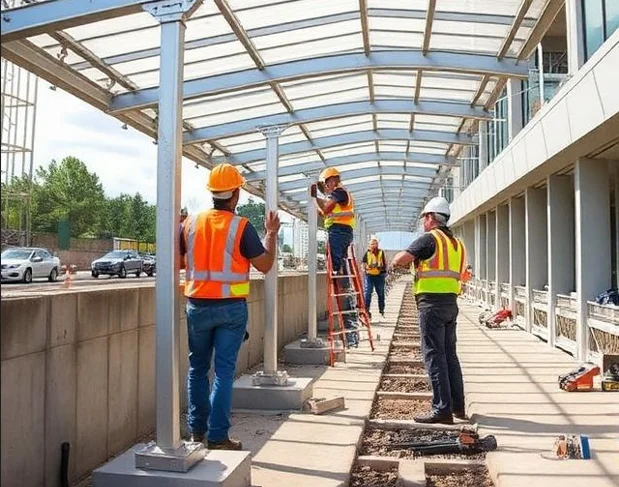
Proper installation forms the foundation for long-term canopy performance and safety. Prefabricated modular systems simplify construction by arriving with pre-engineered components ready for assembly, but professional installation remains crucial. Qualified contractors understand local building codes, proper anchoring techniques for different soil conditions, and structural requirements for specific wind and snow load ratings. Professional engineering stamps may be required for permit approval in many jurisdictions.
Site preparation ensures stable, level foundations for canopy support posts. Concrete footings sized according to engineering specifications distribute loads safely into the ground, preventing settling or tilting over time. Proper drainage around foundations prevents water accumulation that could undermine structural stability or create maintenance issues. Utility location services should identify underground lines before excavation begins, avoiding costly damage and dangerous situations.
Maintenance requirements vary by material choice but generally remain minimal for quality canopy systems. Aluminum and steel structures benefit from periodic inspection of fasteners, coating integrity, and drainage components. Tightening loose bolts, clearing debris from gutters, and touching up any coating damage prevents minor issues from developing into major problems. Polycarbonate and fabric roofing materials should be cleaned regularly to maintain appearance and light transmission properties, using appropriate cleaning products that won’t damage specialized coatings or finishes.
Conclusion
Walkway canopy kits offer valuable solutions for protecting pedestrians while enhancing property functionality and appearance. The diverse range of available designs, from sleek cantilever systems to traditional gabled structures, ensures options suitable for virtually any application, architectural style, and budget consideration. Modern materials like industrial-grade aluminum, weather-resistant steel, and high-performance polycarbonate deliver durability and low maintenance that maximize long-term value.
Selecting the ideal walkway canopy requires balancing aesthetic preferences with practical considerations including climate conditions, structural requirements, accessibility needs, and budget constraints. Whether prioritizing contemporary architectural statements, traditional design compatibility, or innovative features like integrated solar panels, today’s canopy market offers solutions that meet specific project objectives. The investment in quality walkway protection delivers benefits extending beyond weather shelter to include improved safety, reduced slip and fall risks, enhanced property appeal, and potential energy savings.
Working with experienced designers, engineers, and installation professionals ensures canopy systems meet performance expectations while complying with applicable building codes and regulations. Proper material selection, thoughtful design integration, and quality installation establish the foundation for decades of reliable service. As properties continue evolving to meet changing needs, modular canopy systems offer flexibility for future modifications or expansions, protecting both investments and people for years to come.
Frequently Asked Questions
What is the average lifespan of a walkway canopy kit?
Quality walkway canopy kits typically last 20 to 40 years depending on materials and maintenance. Aluminum and steel systems with proper coatings often exceed 30 years, while well-maintained timber structures may require more frequent attention but can last 20 years or more. Polycarbonate panels generally carry 10 to 20 year warranties against UV degradation.
Do walkway canopy kits require building permits?
Most municipalities require building permits for permanent walkway canopy installations. Requirements vary by location, structure size, and attachment methods. Consulting local building departments early in the planning process helps identify specific permit requirements, setback regulations, and engineering documentation needed for approval. Professional canopy suppliers often assist with permit applications.
How much do walkway canopy kits typically cost?
Walkway canopy kit costs vary significantly based on size, materials, design complexity, and regional factors. Basic aluminum systems may start around 75 to 150 dollars per square foot installed, while premium designs with specialized features can exceed 300 dollars per square foot. Steel systems, enclosed configurations, and custom architectural elements increase project costs. Obtaining multiple quotes helps establish realistic budget expectations.
Can walkway canopy kits withstand heavy snow loads?
Yes, properly engineered walkway canopy kits can handle substantial snow accumulation when designed for specific regional loads. Building codes establish minimum snow load requirements based on geographic location. Systems intended for areas with heavy winter weather incorporate reinforced structural members, appropriate roof pitches for snow shedding, and foundation designs that resist frost heaving. Professional engineering ensures adequate capacity.
What maintenance do walkway canopy kits require?
Maintenance needs vary by material but generally remain minimal. Aluminum and steel canopies benefit from annual inspections checking fastener tightness, coating condition, and drainage function. Polycarbonate panels should be cleaned periodically with mild soap and water to maintain clarity. Timber structures require regular inspection for rot or insect damage and periodic refinishing. Clearing debris from gutters and drainage points prevents water backup and potential damage.