
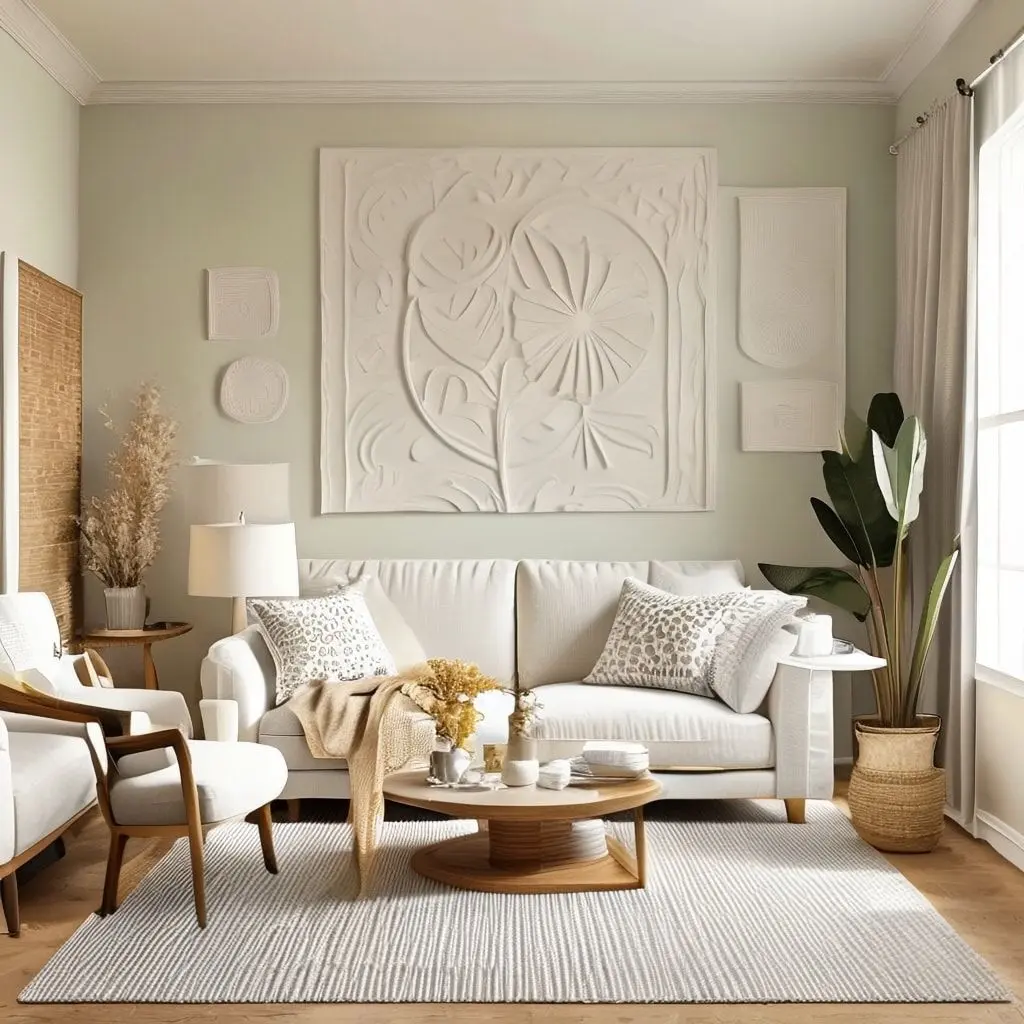
20+ Creative Modeling Paste Ideas for Your Home
Modeling paste ideas has emerged as one of the most versatile materials in the world of home decor and creative design. This thick, spreadable medium offers endless possibilities for adding dimension, texture, and visual interest to virtually any surface in your living space. Whether you are looking to refresh tired furniture pieces, create stunning wall art, or add architectural details to plain surfaces, modeling paste provides the perfect solution for transforming ordinary items into extraordinary focal points.
The beauty of working with modeling paste lies in its accessibility and forgiving nature. Unlike many specialized craft materials that require extensive training or expensive equipment, modeling paste welcomes beginners while still offering enough complexity to challenge experienced artists. Its ability to hold peaks, create raised designs, and accept various finishes makes it an indispensable tool for anyone interested in elevating their home decor through handcrafted touches.
This comprehensive guide will walk you through more than twenty innovative ways to incorporate modeling paste into your home decorating projects. From simple weekend updates to more ambitious creative endeavors, these ideas will inspire you to see the potential in everyday objects and blank surfaces throughout your home. Each technique builds upon fundamental principles while encouraging personal expression and experimentation.
Understanding Modeling Paste Basics
Before diving into specific projects, understanding the fundamental properties of modeling paste will help you achieve better results. This acrylic-based medium comes in various formulations, though most share similar characteristics. The paste typically has a thick, butter-like consistency that can be spread with palette knives, spatulas, or even repurposed household tools.
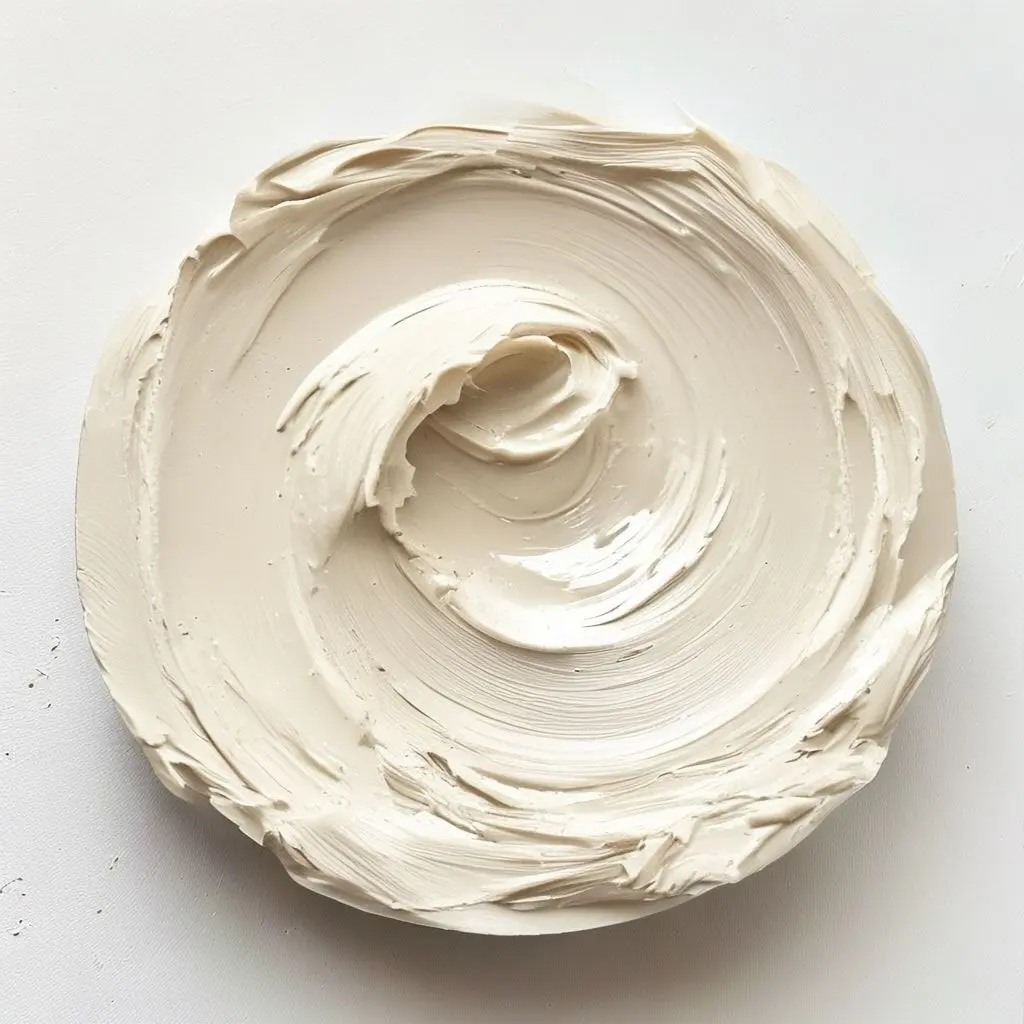
The working time varies by brand and environmental conditions, but you generally have between fifteen to thirty minutes before the paste begins to set. This window allows for manipulation, smoothing, or creating additional texture. Complete drying can take anywhere from several hours to a full day depending on the thickness of application. Thicker layers naturally require more time to cure completely.
One of the most appealing aspects of modeling paste is its versatility after drying. The hardened surface accepts acrylic paints beautifully, can be sanded for smoothness, or left textured for visual interest. This flexibility means you can change your mind about finishes even after the initial application has dried.
Textured Canvas Wall Art
Creating dimensional canvas art represents one of the most popular applications for modeling paste. Start with a stretched canvas in any size that suits your wall space. Apply the paste through stencils to create repeating patterns, or freehand abstract designs using palette knives. The raised elements catch light differently throughout the day, creating dynamic visual interest that flat paintings cannot achieve.
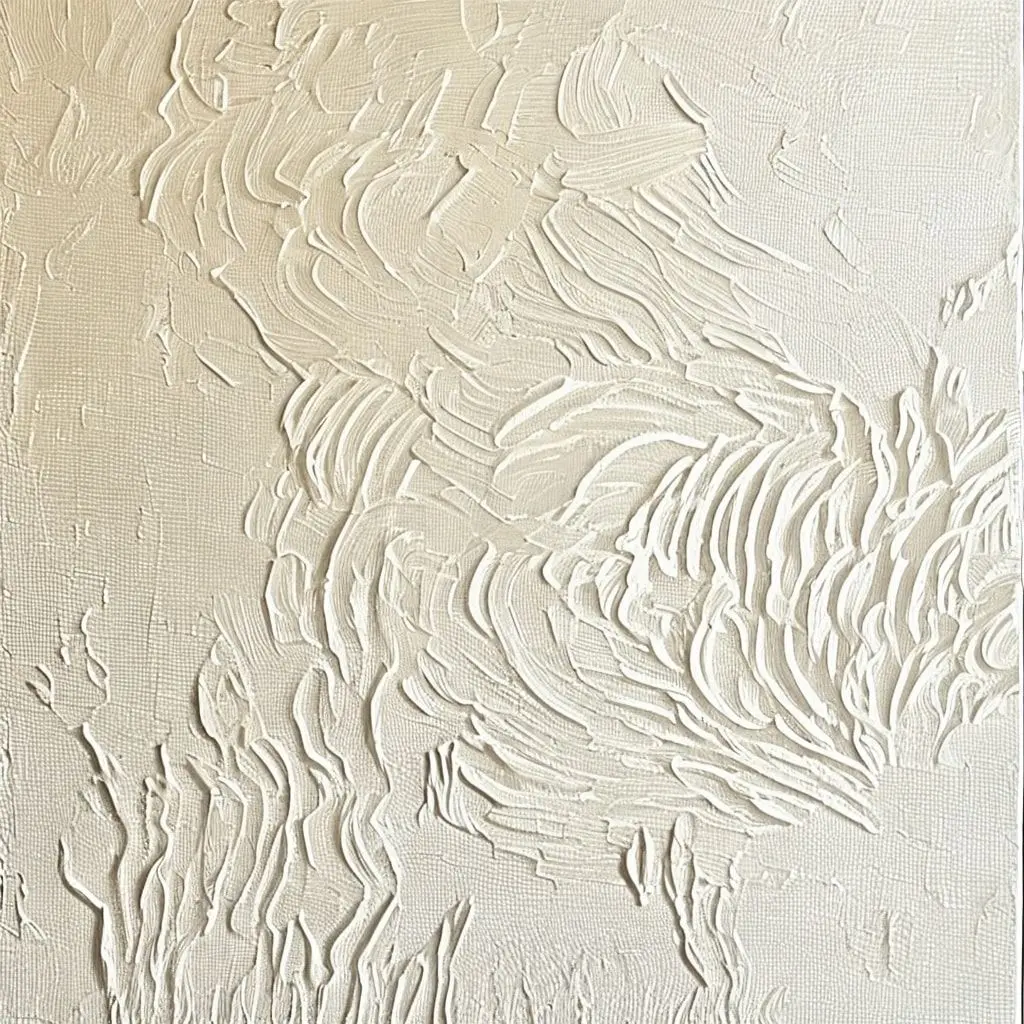
Consider building up multiple layers of texture, allowing each to dry before adding the next. This technique creates genuine depth that draws the eye and invites closer inspection. Once your texture work is complete and fully dried, apply acrylic paints in your chosen color scheme. The paint will naturally settle differently in recessed areas versus raised peaks, creating an organic variation in tone.
For a contemporary look, try creating geometric patterns with clean lines using painter’s tape as guides. Alternatively, embrace organic forms by spreading the paste in sweeping, gestural movements that mimic natural elements like waves, clouds, or wind-blown grass.
Furniture Embellishment Projects
Plain furniture pieces transform dramatically with strategic modeling paste applications. Dresser drawer fronts become canvases for ornate medallion designs that mimic expensive carved wood details. Apply paste through decorative stencils, building up the design in sections if needed for deeper relief.
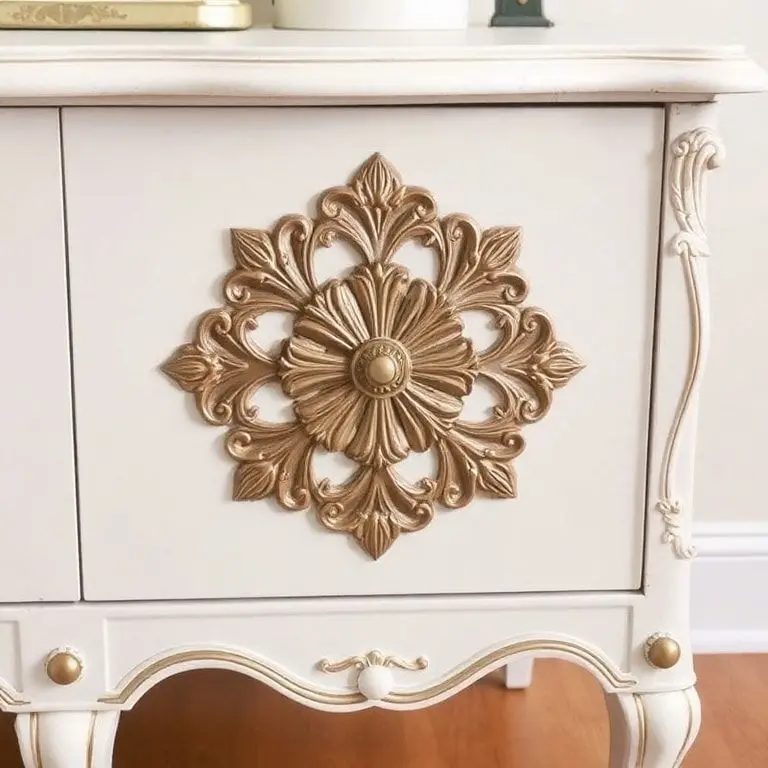
Tabletops benefit from border treatments that add formal elegance to simple pieces. Create raised edge details that frame the surface, then finish with paint or metallic waxes for a luxurious appearance. Even basic side tables gain personality when their legs receive subtle textural enhancements.
The key to successful furniture applications involves proper surface preparation. Clean surfaces thoroughly and apply a bonding primer if working with glossy finishes. This ensures your modeling paste adheres permanently and withstands the handling furniture naturally receives.
Dimensional Wall Panels
Transform blank walls into architectural features using modeling paste to create raised panel effects. Map out your panel layout using painter’s tape, then build up the borders with thick applications of paste. The result mimics expensive millwork at a fraction of the cost and with significantly less installation complexity.
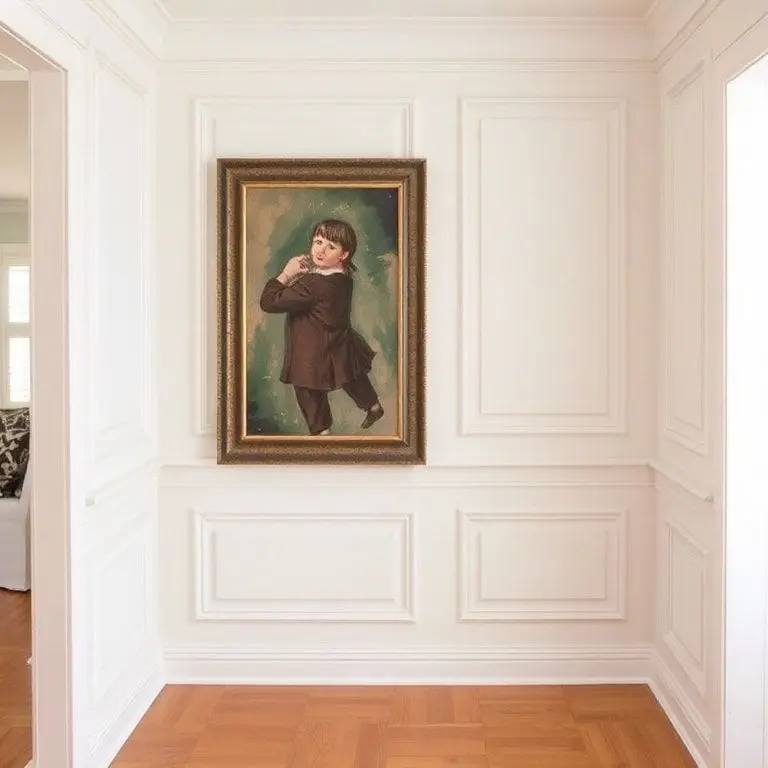
This technique works especially well in dining rooms, hallways, or anywhere traditional wainscoting might appear. Vary the panel sizes for visual interest, or maintain uniform dimensions for a more formal aesthetic. Paint the finished panels in contrasting colors to the wall, or use tone-on-tone schemes for subtle sophistication.
Consider adding additional decorative elements within the panels themselves. Small stenciled designs or freehand flourishes in the corners create custom details that make the treatment uniquely yours.
Vintage Mirror Frame Restoration
Outdated mirror frames gain new life through modeling paste applications. Add ornate corner details to simple rectangular frames, or build up elaborate baroque-inspired scrollwork around circular mirrors. The paste allows you to create the appearance of antique plaster moldings without the weight or fragility of genuine plaster.
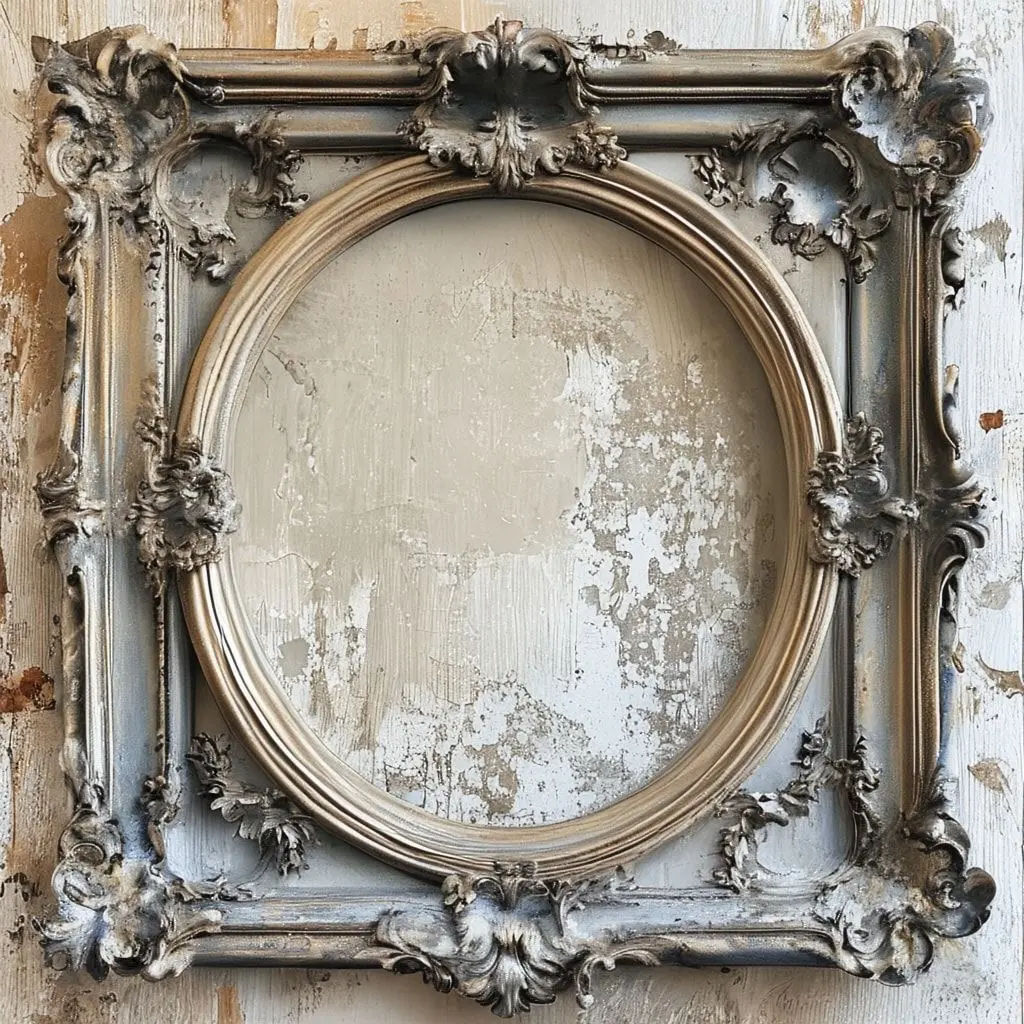
Work in small sections, allowing each area to set before moving to adjacent spaces. This prevents accidental smudging of completed work. Once dried, distressing techniques using sandpaper create authentic aged appearances. Apply darker paint colors, then sand raised areas to reveal lighter base coats underneath.
Finish with antiquing glazes or metallic waxes that settle into crevices while highlighting raised details. This layered finishing approach creates depth and dimension that makes new frames look like treasured vintage finds.
Textured Lampshade Updates
Plain fabric lampshades transform into designer pieces with modeling paste treatments. Apply paste through small stencils in repeating patterns around the shade. The three-dimensional designs become especially dramatic when the lamp is lit, casting interesting shadows on surrounding walls.
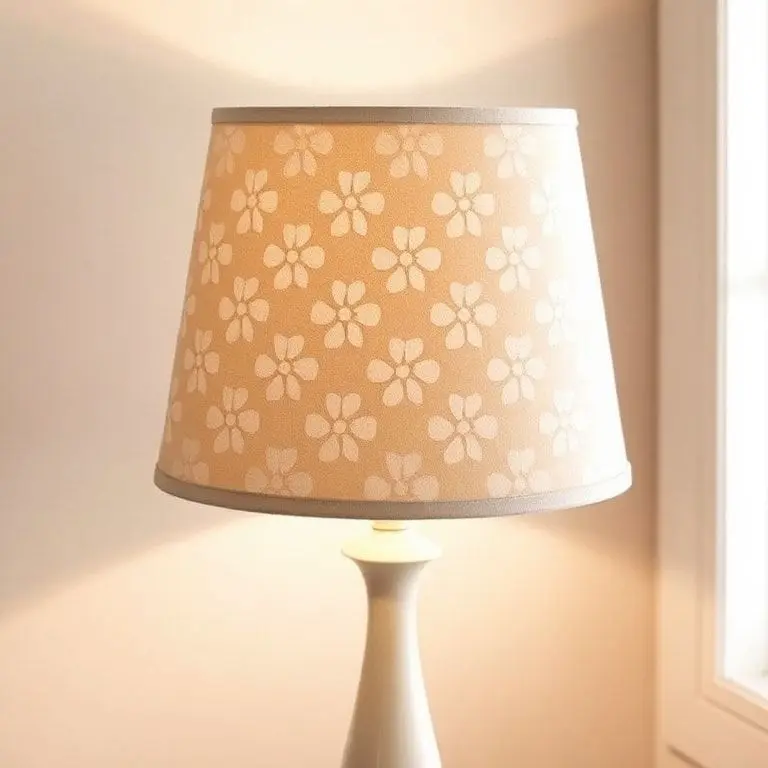
Keep paste applications relatively thin on lampshades to avoid excessive weight and to allow proper light transmission. Delicate patterns work better than heavy, solid designs for this application. Once dried, leave the paste in its natural off-white state for subtle elegance, or paint to coordinate with room colors.
Consider the lamp’s purpose when planning your design. Reading lamps benefit from more subtle textures that do not distract, while decorative lamps can feature bolder patterns that serve as focal points even when unlit.
Custom Picture Frame Matting
Elevate framed artwork by creating dimensional mats using modeling paste on mat board. Stencil delicate borders that complement the artwork’s subject matter. Botanical prints pair beautifully with leaf or vine patterns, while geometric art benefits from angular, architectural designs.
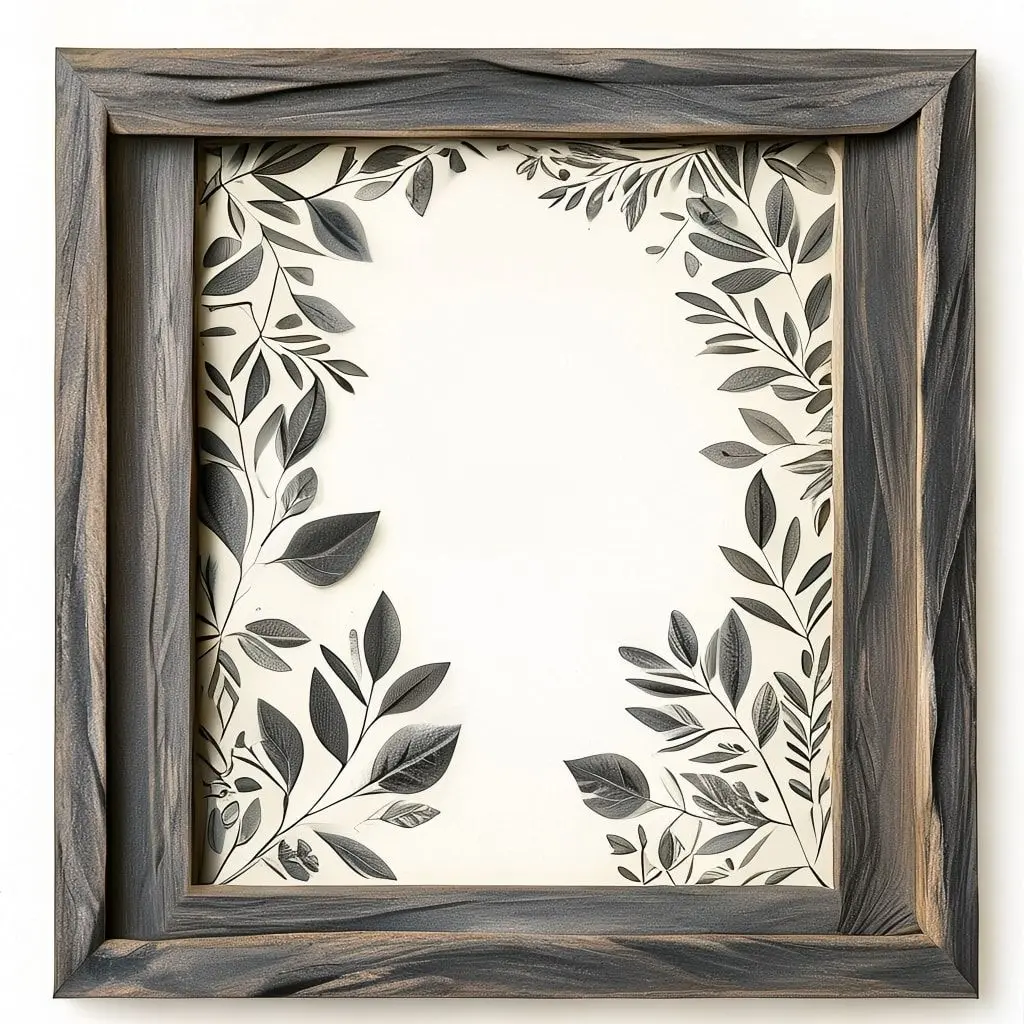
This technique allows customization impossible with standard pre-cut mats. Create mats that incorporate thematic elements from the artwork itself, establishing visual connections that unify the entire presentation. The dimensional quality adds a gallery-worthy finish that makes even simple prints appear more valuable .https://casolia.com/modeling-paste-ideas/
Work carefully to keep paste applications away from the opening edge where the artwork shows. Any irregularities in this critical area will be immediately noticeable. Precision in this detail separates amateur from professional results.
Architectural Ceiling Medallions
Ceiling medallions add traditional elegance to rooms but often come with high price tags and complex installation requirements. Create custom medallions using modeling paste applied directly to ceiling surfaces or onto circular backing boards that can be installed later.
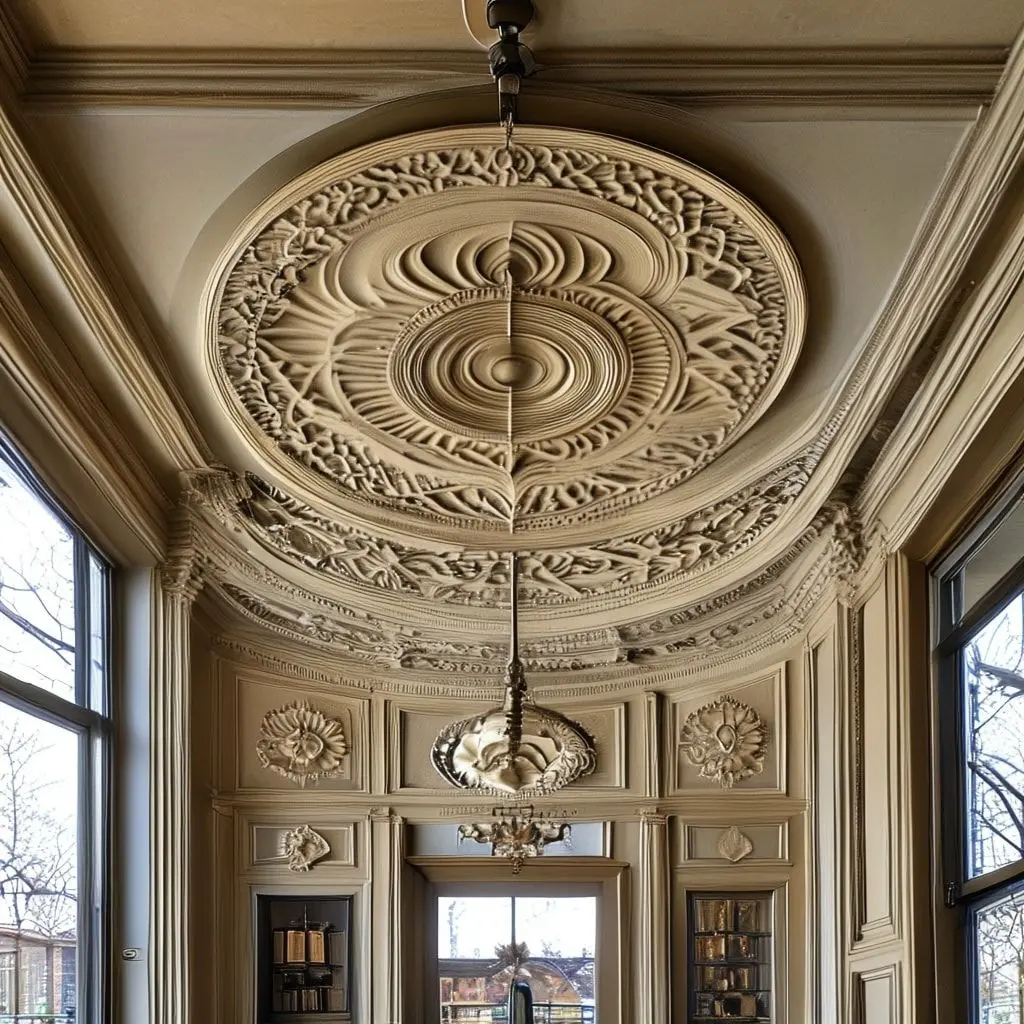
Start with a compass-drawn circle as your guide. Build up concentric rings of texture, incorporating stenciled or freehand decorative elements. Allow adequate drying time between layers to prevent sagging. This project requires patience but delivers dramatic results that become conversation pieces.
Paint finished medallions to match ceiling color for subtle dimension, or use contrasting metallic finishes for bolder statements. The light fixture mounted at the center becomes framed by your custom creation.
Decorative Storage Box Transformations
Plain wooden or cardboard storage boxes become decorative accessories through modeling paste applications. Create raised lid designs that transform functional storage into display-worthy pieces. Match the decorative treatment to room themes for cohesive design.
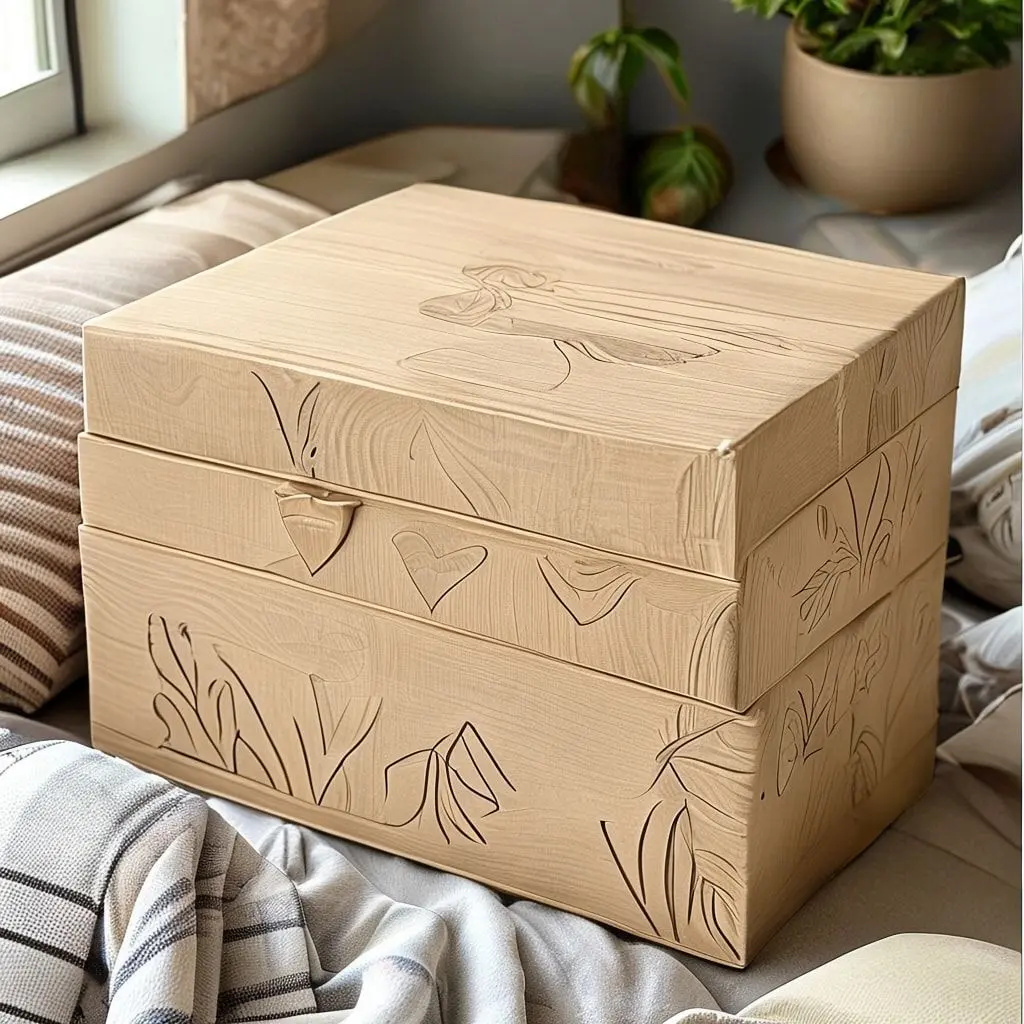
Small boxes benefit from simpler designs that do not overwhelm their scale, while larger pieces can handle more elaborate compositions. Consider the box’s ultimate purpose when planning designs. Bedroom storage might feature soft, romantic motifs, while office storage could incorporate more structured, geometric patterns.
Seal finished boxes with appropriate topcoats to protect decorated surfaces from handling. This practical step ensures your creative work remains beautiful through years of use.
Faux Tin Tile Backsplashes
Kitchen and bathroom backsplashes gain vintage character through faux tin tile treatments using modeling paste. Apply paste through tile-pattern stencils onto painted surfaces, creating the appearance of pressed metal tiles. This technique delivers the aesthetic of expensive tin tiles without the cost or installation complexity.
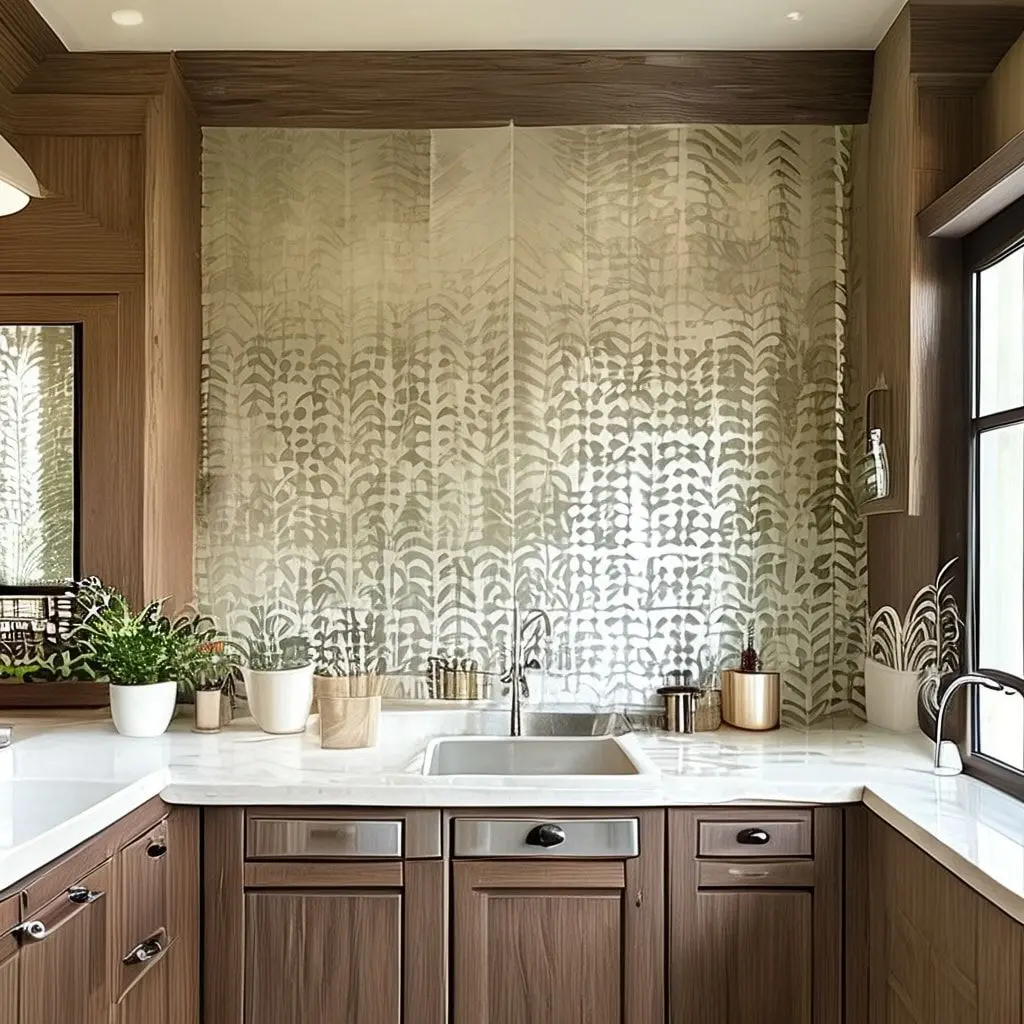
Work in manageable sections, ensuring pattern alignment between tiles. Consistency in pressure and paste thickness creates uniform results across the entire surface. Once dried, metallic paints or patina finishes enhance the metal illusion.
This approach works particularly well in small spaces where genuine tile installation might prove challenging. The relatively flat profile of modeling paste applications means no significant counter space is lost to bulky materials.
Customized Plant Pot Designs
Terracotta and ceramic plant pots become garden art through modeling paste embellishments. Create raised patterns that complement both the plants they will hold and the locations where they will be displayed. Mediterranean-inspired designs suit herbs and succulents, while more whimsical patterns enhance flowering plants.
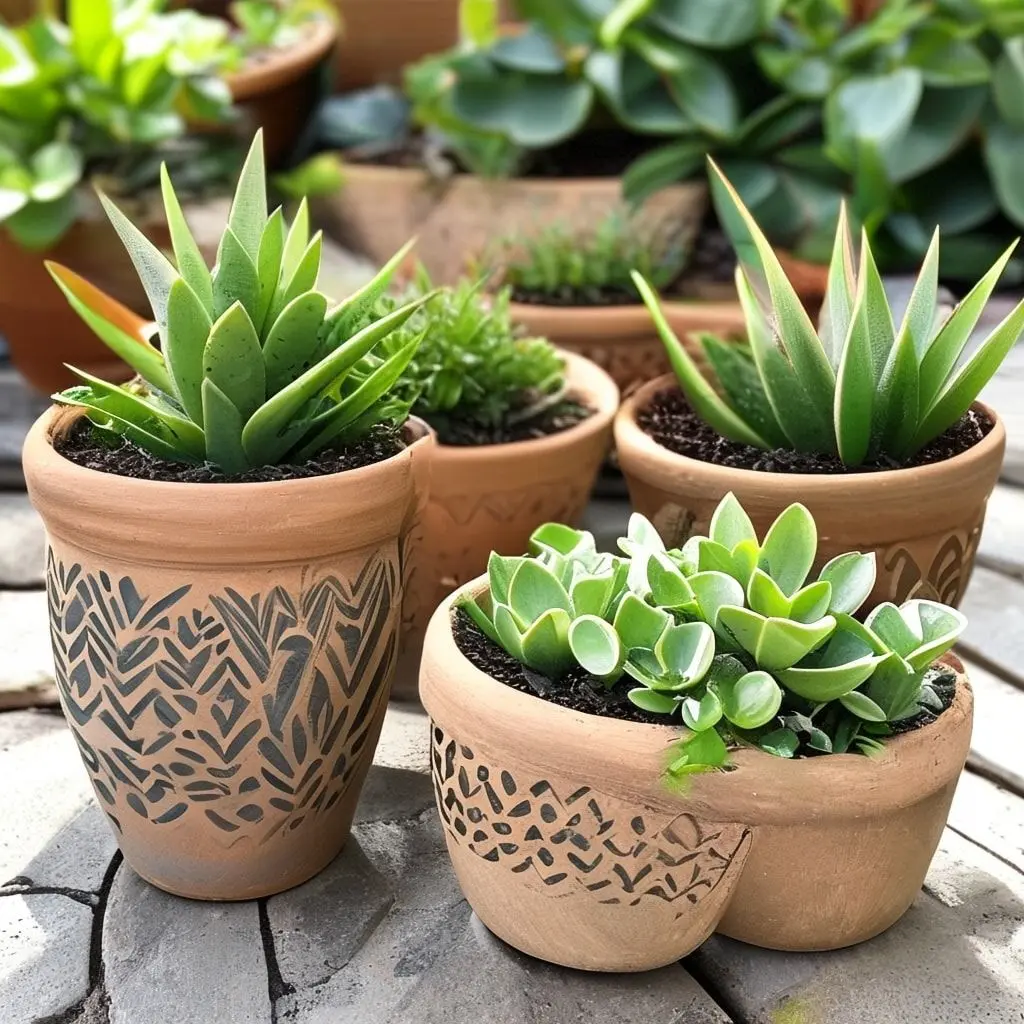
Ensure pots are clean and dry before application. The paste adheres well to most porous surfaces, making terracotta an ideal candidate. Consider applying a sealer after painting to protect outdoor pots from weather exposure.
Group several decorated pots in coordinating but not identical patterns for visual interest. This curated approach looks intentional and designer-inspired rather than random.
Relief Monogram Wall Art
Personal touches make houses feel like homes. Create custom monogram art using modeling paste to build up dimensional letters. Mount finished pieces in entryways, over beds, or anywhere personal identification adds warmth.
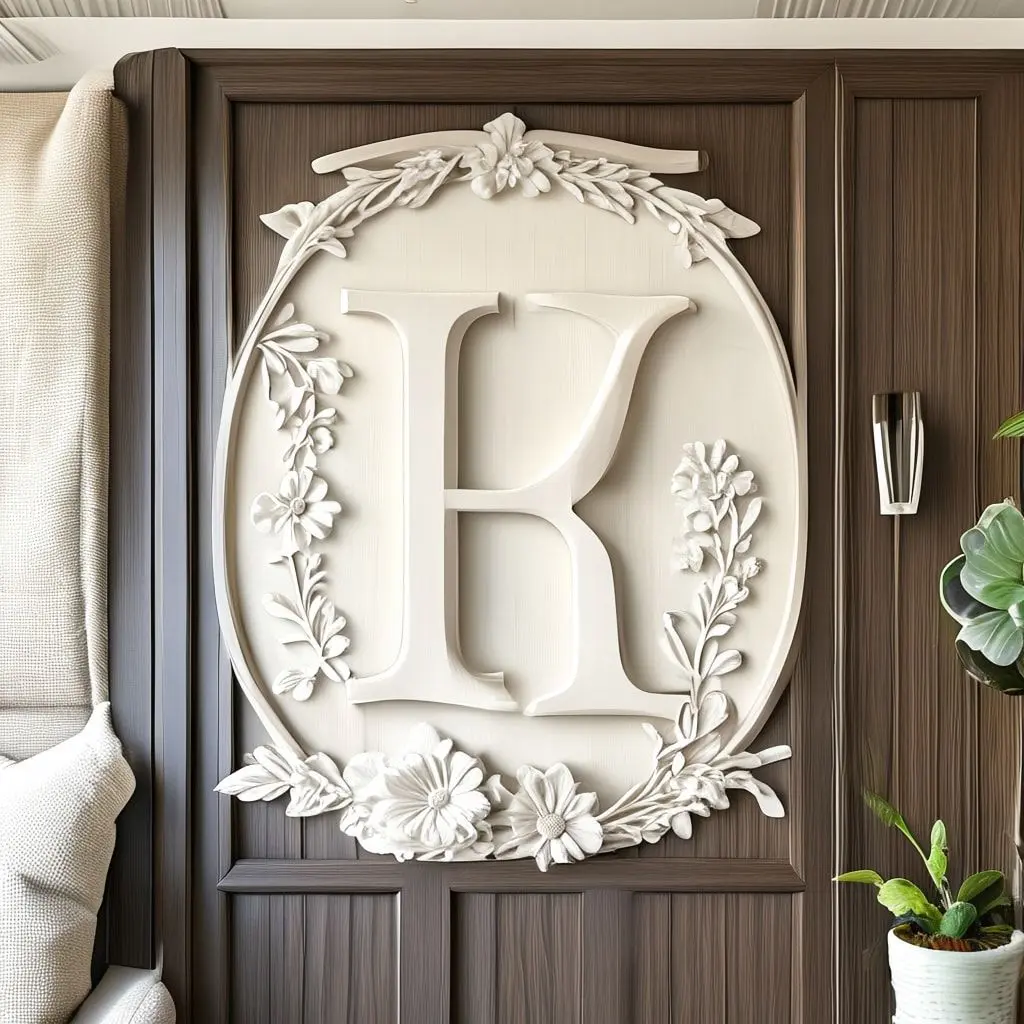
Choose letter styles that complement your decor aesthetic. Traditional serif fonts suit classic interiors, while modern sans-serif letters enhance contemporary spaces. Script fonts require more patience and skill but deliver elegant results worth the extra effort.
Consider incorporating additional decorative elements around the letter itself. Floral motifs, geometric borders, or abstract textures create finished pieces rather than simply decorated letters.
Window Valance Embellishments
Wooden window valances gain architectural interest through modeling paste applications. Add corner rosettes, center medallions, or running border patterns that tie into other room details. This treatment elevates simple boards into custom window treatments.
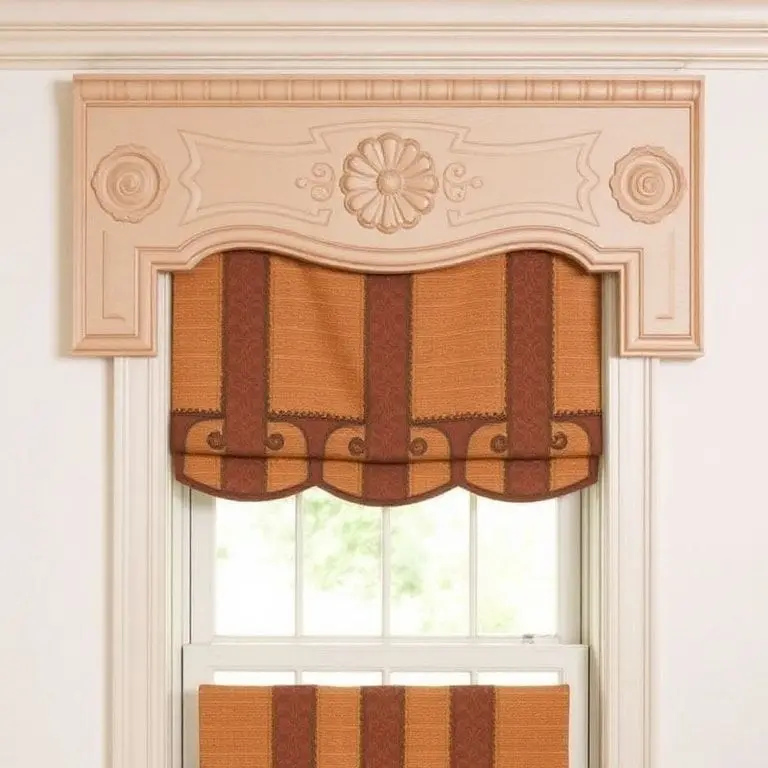
Plan designs that enhance rather than compete with window treatments below. Subtle textures often work better than bold patterns in this application. The goal is architectural enhancement, not overwhelming decoration.
Paint finished valances to coordinate with trim colors for integrated appearance, or use contrasting finishes for stronger definition.
Decorative Switch Plate Covers
Standard switch plates become decorative accents through modeling paste treatments. Create custom designs that coordinate with room themes. This small detail demonstrates attention to design throughout the entire space.
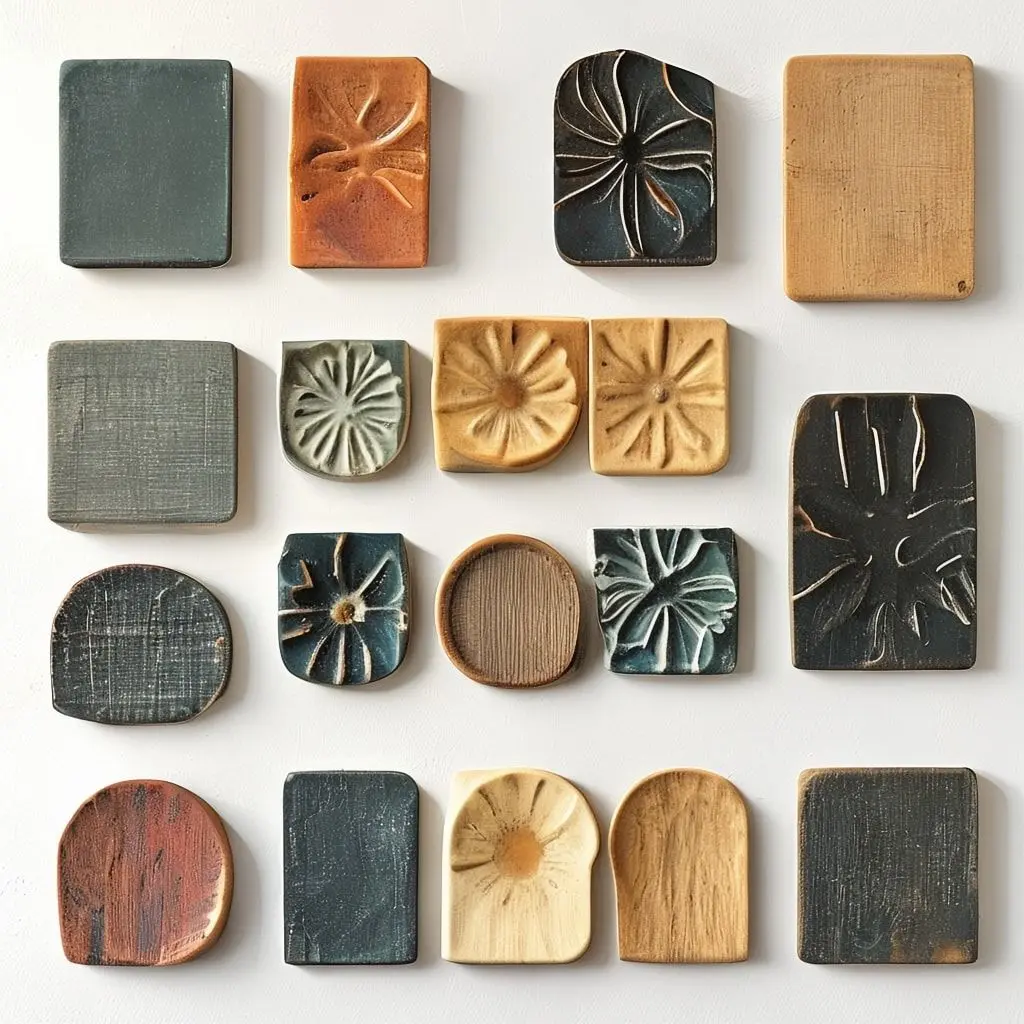
Work with plastic or wooden switch plates rather than metal versions. The paste adheres better to these materials. Keep designs relatively low-profile to ensure plates still mount flush against walls.
This project offers an excellent opportunity to experiment with techniques before tackling larger applications. The small scale means mistakes have minimal consequences while successful designs bring disproportionate visual impact.
Faux Leather Book Covers
Create designer book covers for displayed volumes using modeling paste to simulate embossed leather. Apply paste through decorative stencils onto craft paper or thin cardboard, then wrap around book covers. The dimensional patterns suggest expensive binding work.
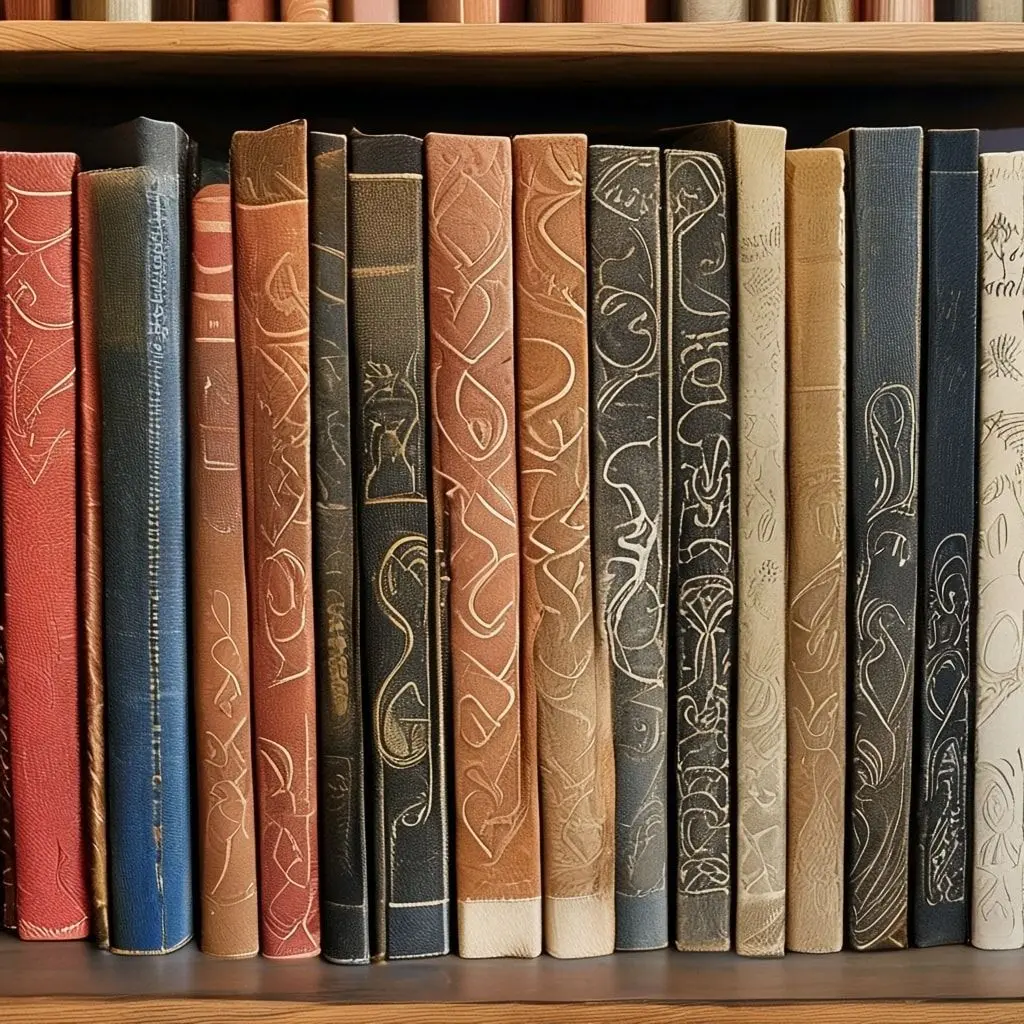
This technique works particularly well for creating cohesive sets from mismatched books. Uniform decorative treatments unify diverse volumes into intentional collections. Display on shelves, coffee tables, or anywhere books serve decorative purposes.
Consider color schemes that complement room palettes. Metallic finishes create library-worthy gravitas, while softer hues integrate books into lighter, more casual spaces.
Textured Tray Makeovers
Serving trays become statement pieces through modeling paste treatments. Apply designs to tray bottoms, creating decorative surfaces that show when trays are not in use. This dual-purpose approach maximizes both function and aesthetics.
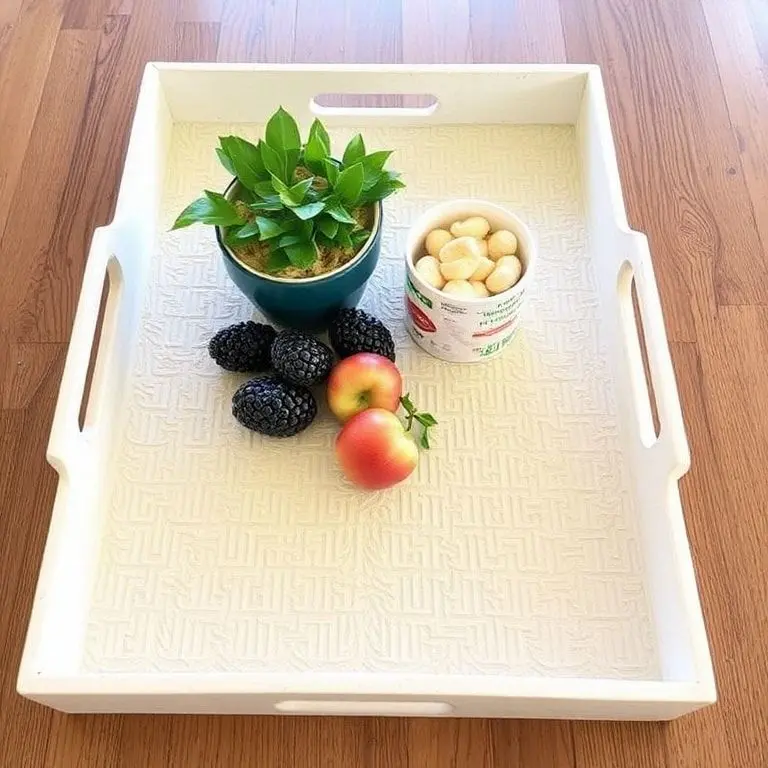
Ensure trays receive appropriate sealing for their intended use. Food-safe topcoats protect surfaces that will contact dishes and glassware. This practical consideration ensures decorated trays remain both beautiful and functional.
Match tray designs to typical contents or display locations. Coffee table trays might feature bold geometric patterns, while breakfast-in-bed trays could showcase softer, more romantic designs.
Headboard Design Elements
Upholstered or wooden headboards gain custom details through strategic modeling paste applications. Add corner flourishes, center medallions, or border treatments that create focal points in bedrooms. These personal touches distinguish your space from generic retail offerings.
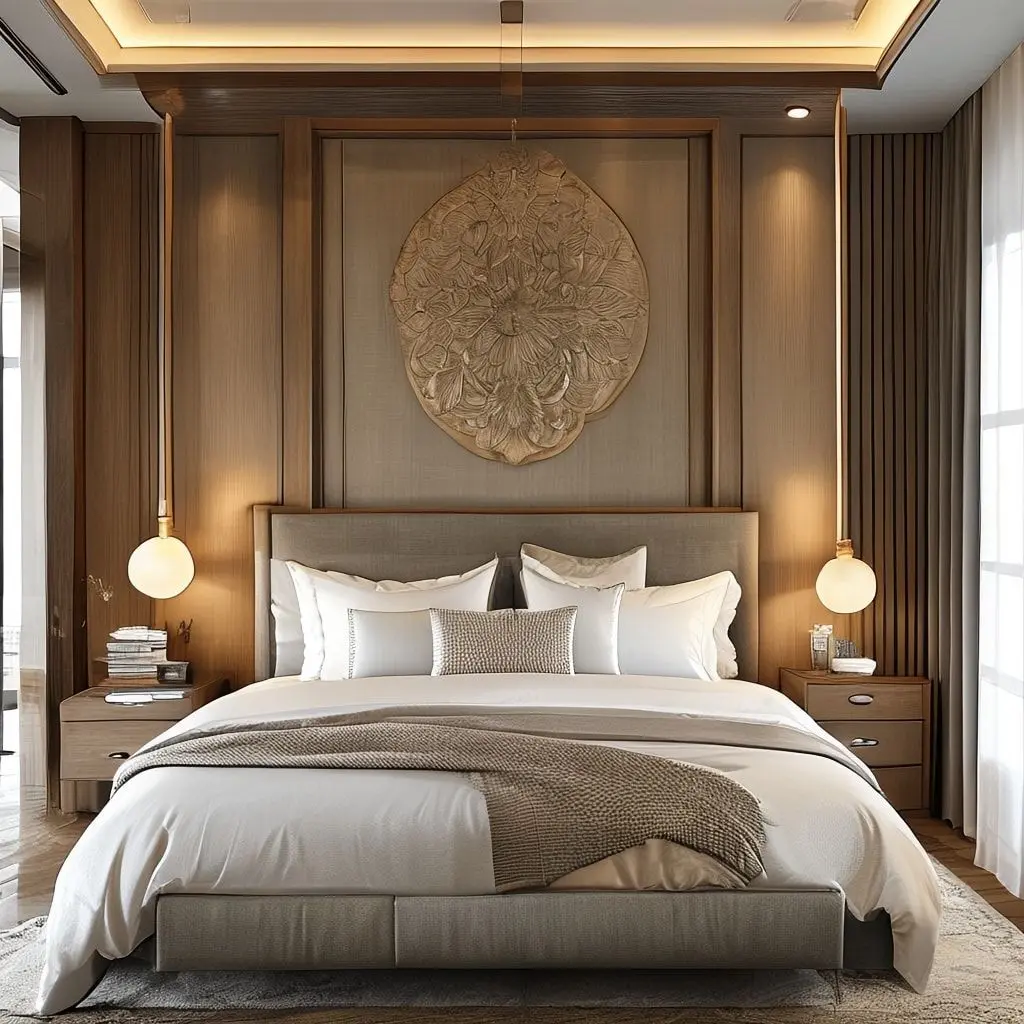
Plan designs that complement bedding and room decor without competing for attention. Headboards serve as backdrops for sleep spaces, so overly busy patterns can feel chaotic rather than restful. Balance is key.
Consider the viewing angle when planning designs. Headboard decorations are typically seen from standing positions near the bed, so ensure patterns read clearly from those perspectives.
Decorative Drawer Pulls
Standard drawer pulls gain personality through modeling paste enhancements. Build up decorative elements around basic knobs or create custom backplates that transform simple pulls into designer hardware. This subtle upgrade significantly impacts furniture appearance.
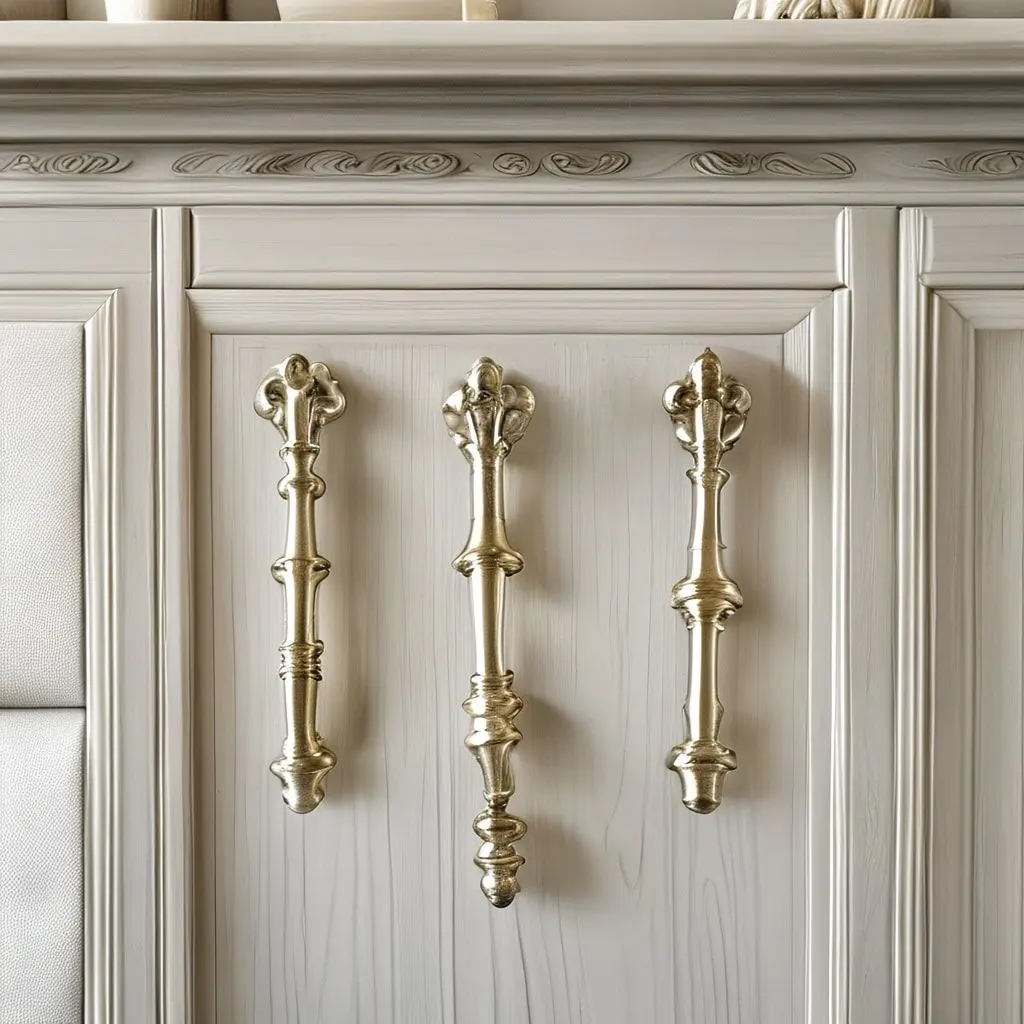
Keep designs practical for regular use. Avoid sharp edges or overly delicate details that might not withstand daily handling. The goal is enhanced beauty that maintains full functionality.
Create coordinating but not identical designs across multiple pulls for curated appearance. This approach suggests careful selection rather than matching set predictability.
Faux Tile Coasters
Protect surfaces while adding decorative touches through custom coasters featuring modeling paste designs. Apply patterns to tile squares or heavy cardboard, creating both function and beauty. These make excellent handmade gifts that showcase your creative skills.
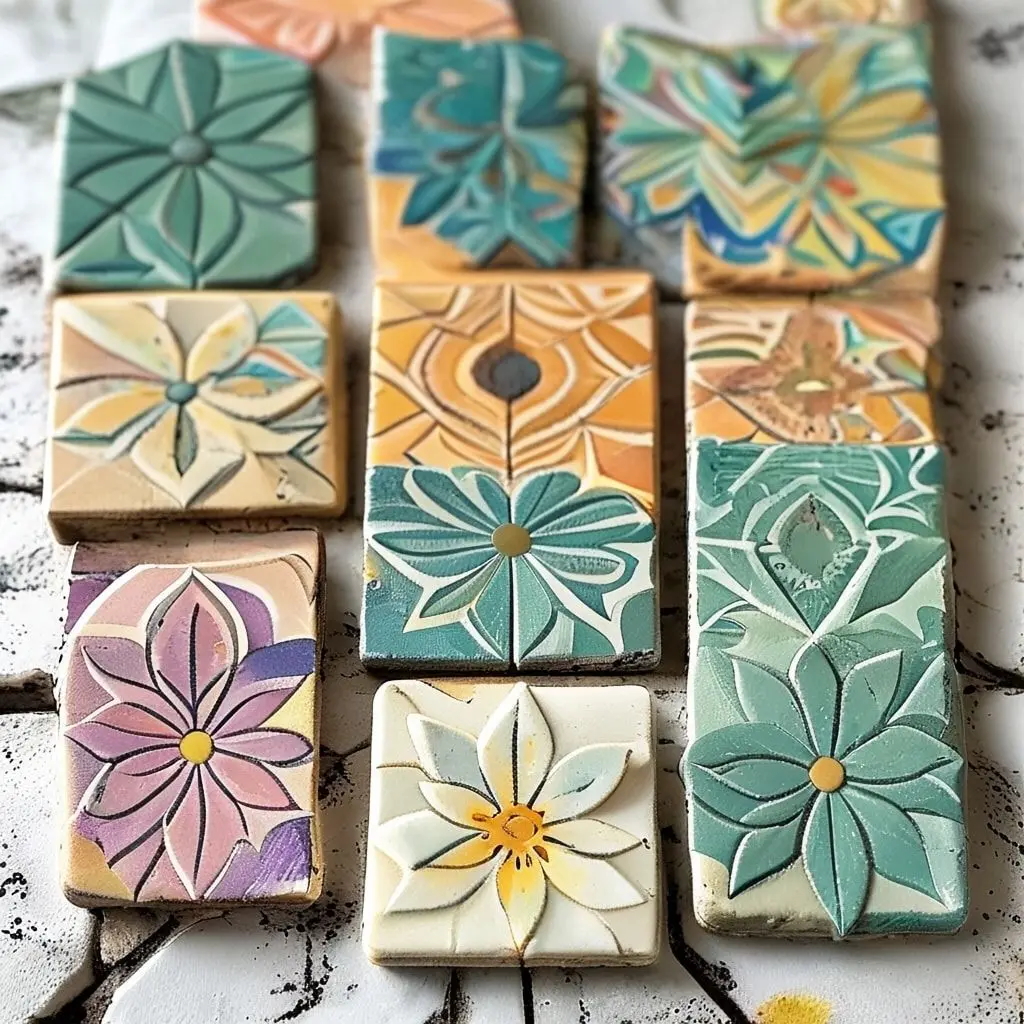
Work with waterproof sealers to ensure finished coasters withstand condensation from cold drinks. This practical consideration extends the life of your creative work while maintaining protective function.
Create sets in coordinating patterns rather than identical designs. This approach delivers visual interest while maintaining cohesive appearance.
Textured Journal Covers
Plain notebooks transform into creative tools through modeling paste cover treatments. Apply designs that inspire the creative work happening inside. Art journals might feature abstract textures, while garden journals could showcase botanical motifs.
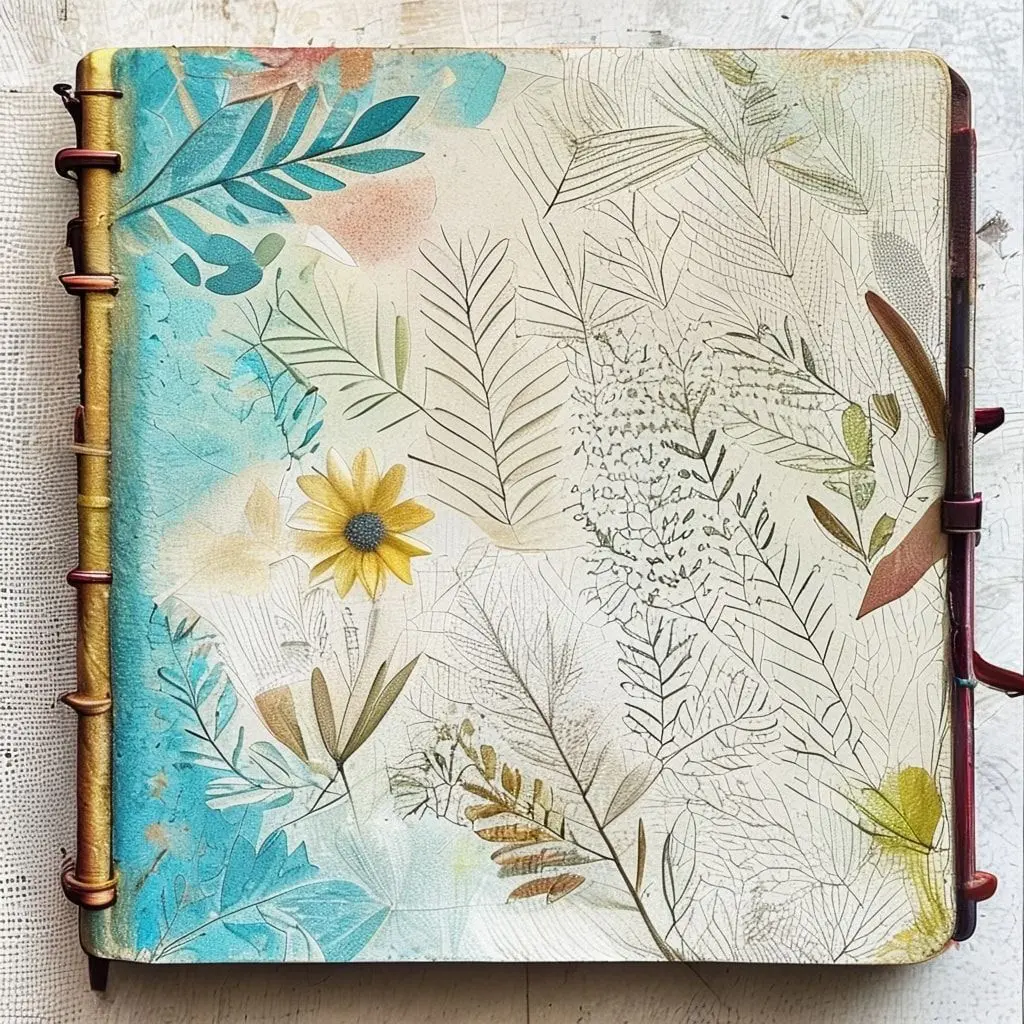
Consider the notebook’s ultimate use when planning designs. Frequently handled journals need durable finishes that withstand regular use. Adequate sealing protects your decorative work through extended service.
This project offers opportunities to experiment with smaller-scale techniques that might later translate to larger applications. The contained format encourages creative exploration without significant material investment.
Creating Lasting Beauty in Your Home
The projects outlined here represent just the beginning of what modeling paste can achieve in home decor applications. This versatile medium invites experimentation and personal expression while delivering professional-looking results accessible to crafters at any skill level. The dimensional quality it brings to surfaces creates visual interest that flat applications simply cannot match.
Success with modeling paste comes through understanding its properties, respecting drying times, and approaching each project with patience. While the material is forgiving, rushing through steps or skipping proper preparation leads to disappointing results. Taking time to plan designs, prepare surfaces, and allow adequate curing between steps ensures your creative efforts result in lasting beauty.
The most rewarding aspect of working with modeling paste involves the transformation of ordinary objects into personalized treasures. Each project becomes an opportunity to put your unique stamp on your living environment. The raised textures catch light throughout the day, creating ever-changing visual interest that brings spaces to life.
As you explore these techniques, you will likely discover additional applications specific to your home and aesthetic preferences. The fundamental skills translate across countless surfaces and design possibilities. What begins as a simple weekend project often evolves into a passionate creative practice that continually enhances your living space.
Frequently Asked Questions
What surfaces work best with modeling paste?
Modeling paste adheres well to porous surfaces including wood, canvas, paper, terracotta, and unglazed ceramics. For glossy or non-porous surfaces like metal or plastic, apply a bonding primer first to ensure proper adhesion. The paste can be used on walls, furniture, frames, and countless other items with appropriate surface preparation.
How long does modeling paste take to dry completely?
Drying time depends on application thickness and environmental conditions. Thin applications may dry within a few hours, while thick textured layers can require 24 hours or more. High humidity extends drying time, while warm, dry conditions speed the process. Always allow complete drying before painting or sealing to prevent cracking or poor finish adhesion.
Can modeling paste be painted after it dries?
Yes, dried modeling paste accepts acrylic paints beautifully, making it ideal for customized finishes. The textured surface can be painted in solid colors, or techniques like dry brushing can highlight raised areas while leaving recesses darker for enhanced dimension. Multiple paint layers and finishes can be applied to achieve desired effects.
Is modeling paste suitable for outdoor projects?
While modeling paste itself can withstand outdoor conditions when properly sealed, not all applications are practical for exterior use. Items protected from direct weather exposure like covered porches work well. For fully exposed outdoor items, apply multiple coats of outdoor-rated sealer to protect against moisture and temperature fluctuations that could cause cracking or degradation.
What tools do I need to apply modeling paste?
Basic application requires only palette knives or old credit cards for spreading. Stencils create patterned designs, while various sculpting tools add detailed textures. Many household items work perfectly including combs for linear patterns, sponges for organic textures, or even crumpled plastic wrap for random effects. Experimentation with different tools reveals unique possibilities for creative expression.

One Comment