18+ Creative Shed to Playhouse Ideas
Transforming an old shed into a 18+ creative shed playhouse ideas represents one of the most rewarding weekend projects for parents and grandparents alike. Rather than purchasing an expensive pre-built playhouse or watching an unused shed collect dust in your backyard, converting existing structures into imaginative play spaces combines practicality with creativity. This comprehensive guide explores numerous approaches to breathe new life into forgotten sheds, creating magical environments where children can explore, imagine, and grow.
The beauty of shed conversions lies in their flexibility. Whether you’re working with a small garden shed or a spacious storage building, the foundation already exists. You simply need vision, some basic materials, and the willingness to see potential where others see only peeling paint and cobwebs. The following ideas will inspire your transformation journey, regardless of your budget, skill level, or the current condition of your shed.
Cottage-Style Playhouse Transformation
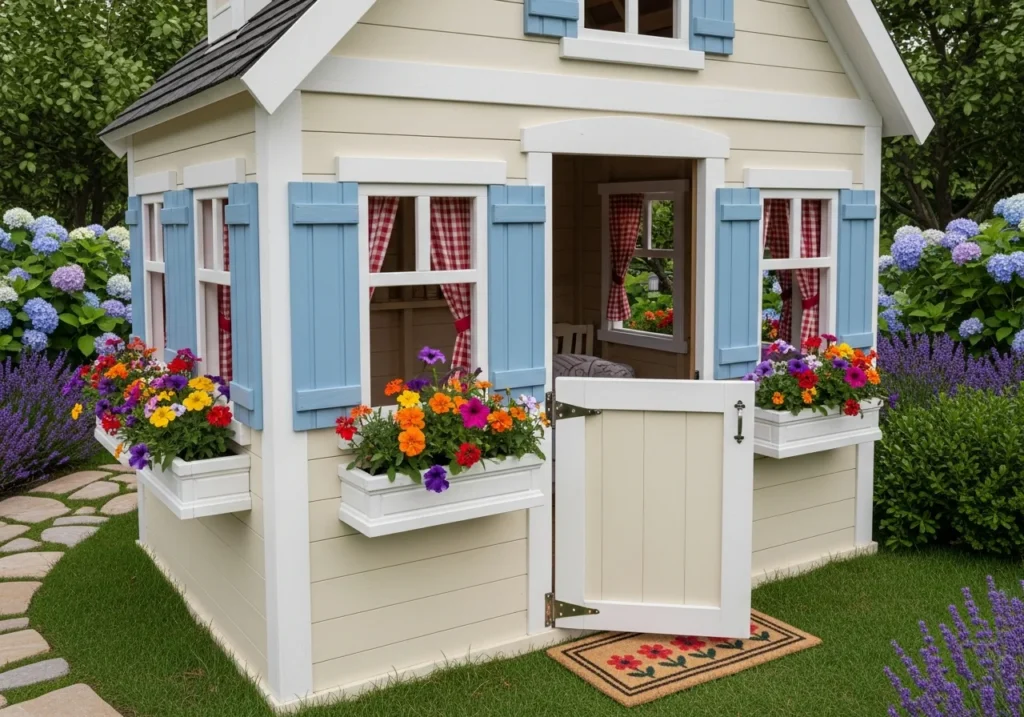
The cottage aesthetic remains timelessly popular for playhouse conversions. This approach emphasizes charm and whimsy through specific design choices. Begin by painting the exterior in soft, welcoming colors such as cream, butter yellow, or powder blue. Add shutters around existing windows or install new ones to create authentic cottage appeal. Window boxes filled with child-safe flowers or plastic alternatives provide finishing touches.
Inside, create a cozy atmosphere with gingham curtains, a small table and chairs, and perhaps a toy kitchen setup. Wallpaper or painted wainscoting adds character without overwhelming the small space. Consider installing a Dutch door, which allows the top half to open independently, perfect for imaginative shopkeeping games or serving pretend tea to visitors outside.
Modern Minimalist Play Space
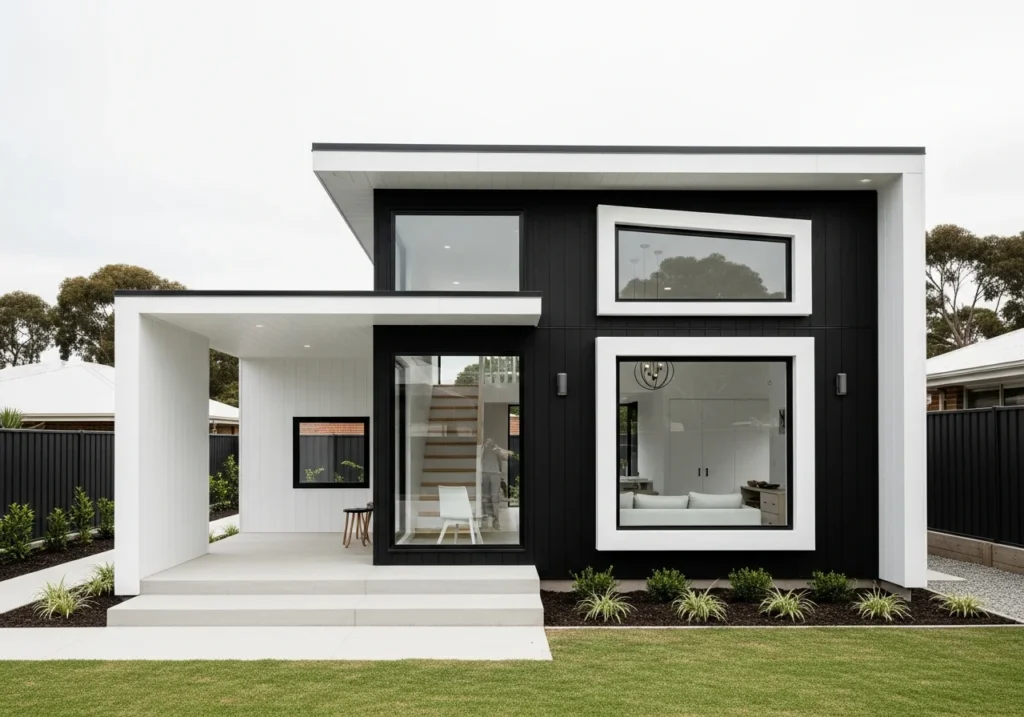
For families preferring contemporary aesthetics, a modern playhouse conversion offers clean lines and functional simplicity. Paint the exterior in monochromatic schemes featuring black, white, or gray tones. Install large windows to maximize natural light and create an airy feeling despite the compact footprint.
The interior should focus on multipurpose furniture and organized storage solutions. Floating shelves, built-in benches with storage underneath, and magnetic chalkboard walls combine functionality with style. This approach works particularly well for older children who appreciate dedicated creative spaces for art projects, reading, or quiet contemplation.
Rustic Woodland Retreat
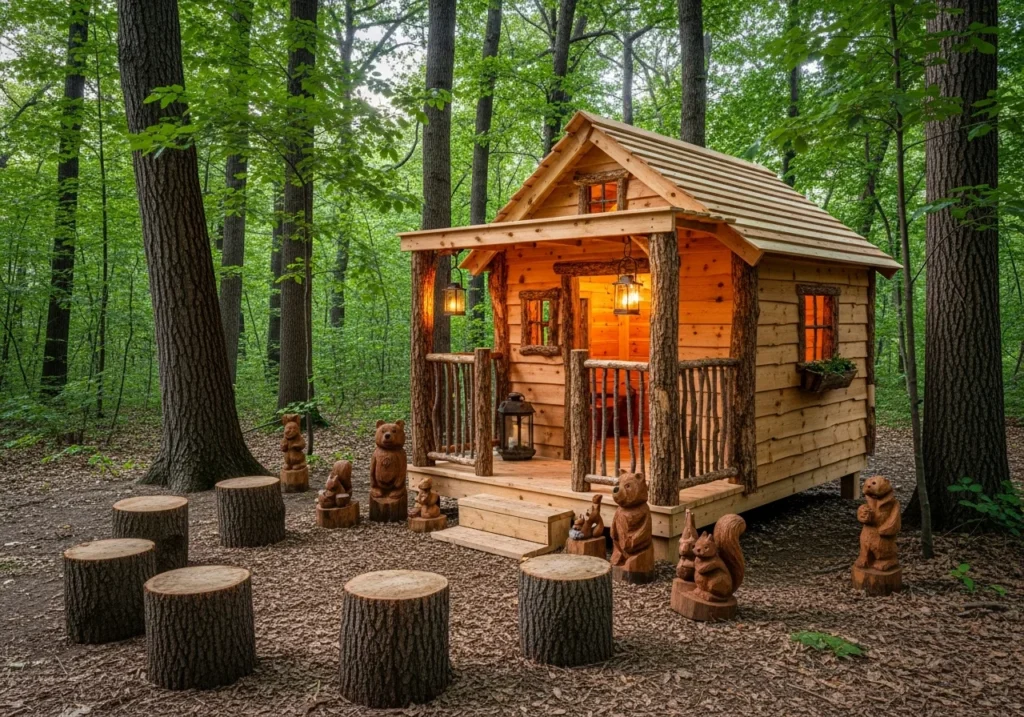
Embrace natural materials and earthy tones to create a woodland-inspired hideaway. Maintain or enhance existing wood siding, applying transparent stains that showcase the natural grain. Add log accents, twig railings, or a small covered porch with rustic wooden posts.
Inside, incorporate natural elements like tree stump stools, woven baskets for toy storage, and nature-themed artwork. Earth-tone fabrics and forest creature decorations complete the theme. This style works exceptionally well for sheds situated near wooded areas, helping the structure blend seamlessly with its surroundings while encouraging nature-based imaginative play.
Vintage General Store Conversion
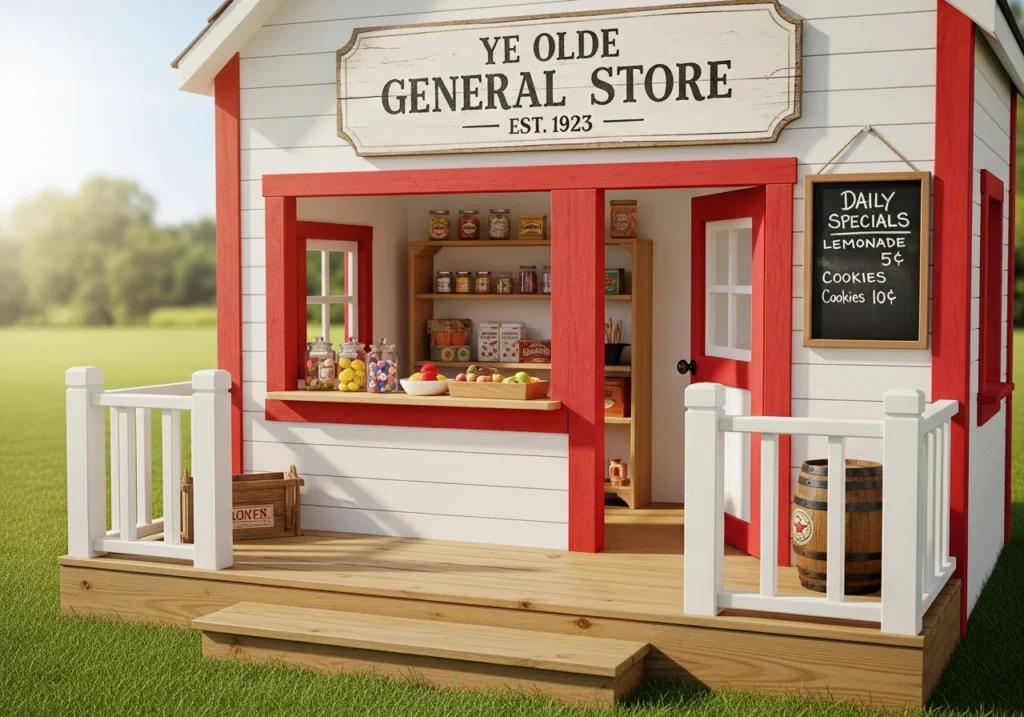
Transform your shed into a charming general store where children can engage in entrepreneurial role-play. Install a service counter at child height, complete with a vintage-style cash register, play money, and shopping baskets. Paint the exterior to resemble old-fashioned storefronts, perhaps adding a hand-painted sign announcing the establishment’s name.
Stock shelves with play food, empty product containers, and other store merchandise. A chalkboard menu and hanging scale add authentic touches. This concept naturally encourages social play, mathematics skills, and creative thinking while providing endless entertainment possibilities.
Cozy Reading Nook Sanctuary
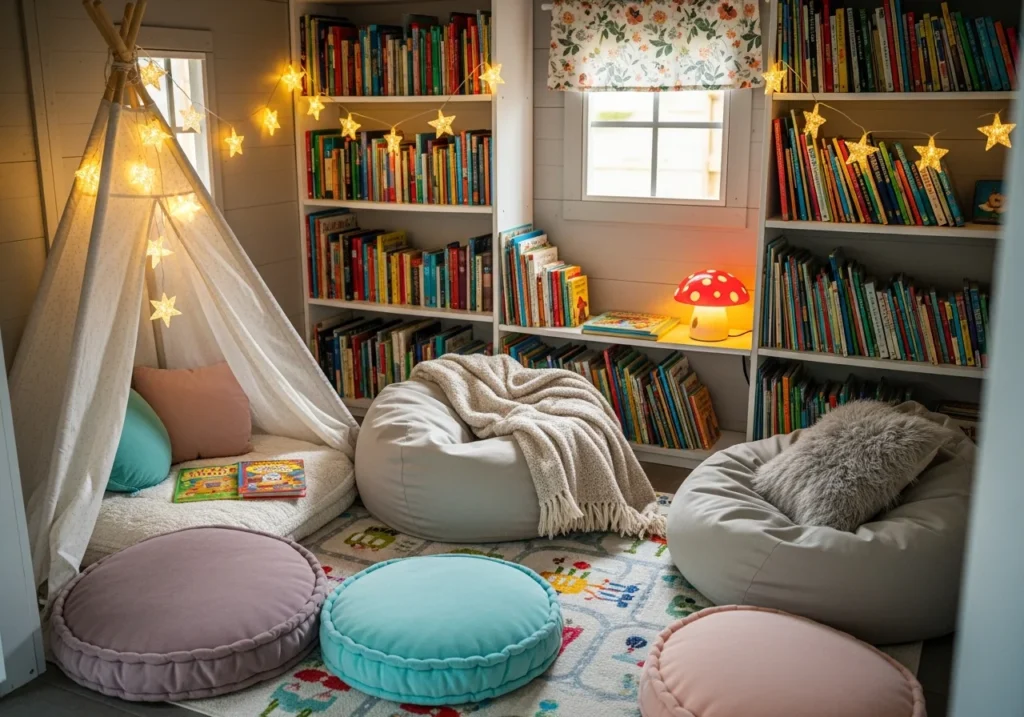
Convert your shed into a peaceful reading retreat designed to foster literacy and imagination. Install built-in bookshelves along the walls, creating a mini library atmosphere. Add comfortable seating options such as bean bags, floor cushions, or a small upholstered bench.
Good lighting is essential for this conversion. Install battery-operated LED lights or solar-powered options if running electricity seems impractical. Soft rugs, warm colors, and perhaps a small tent or canopy inside create inviting spaces where children naturally gravitate toward books. This transformation works beautifully for quieter children or those needing sensory-friendly environments.
Artistic Studio Space
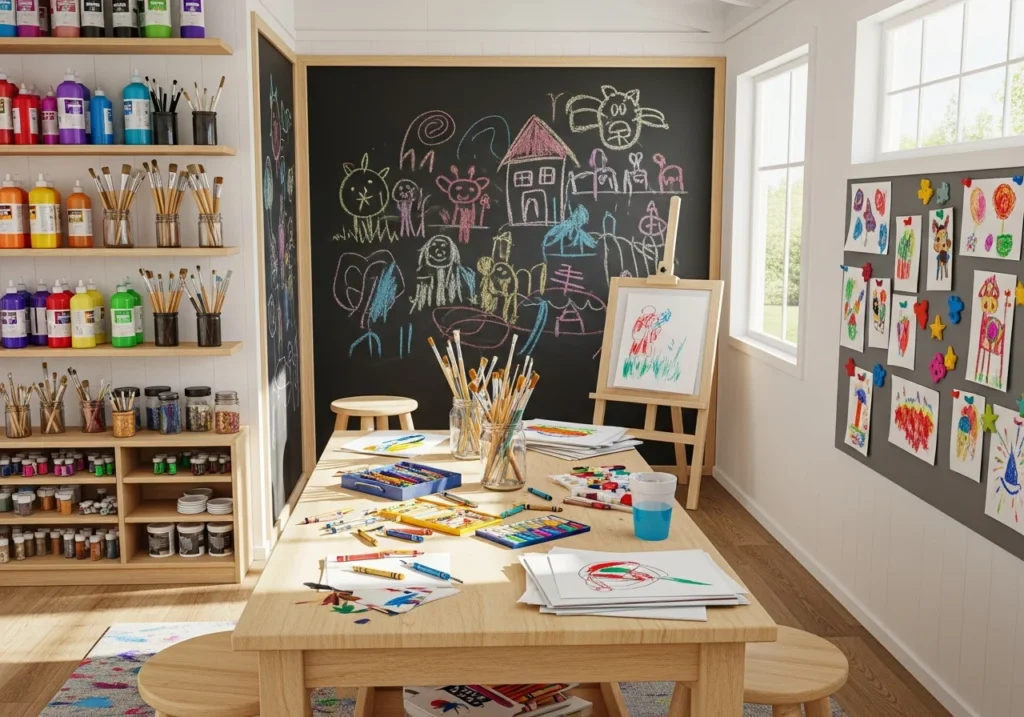
For creative children, converting a shed into an art studio provides dedicated space for messy projects without worrying about household surfaces. Install a work table at appropriate height, add open shelving for art supplies, and cover floors with easy-clean materials like vinyl or sealed concrete.
Paint one wall with chalkboard paint for spontaneous drawing, and another with magnetic primer for displaying finished artwork. Good ventilation becomes particularly important in art studios, so ensure windows open fully or install a small exhaust fan. Organize supplies in clear containers and label storage areas to encourage independence and responsibility.
Garden Playhouse with Planting Station
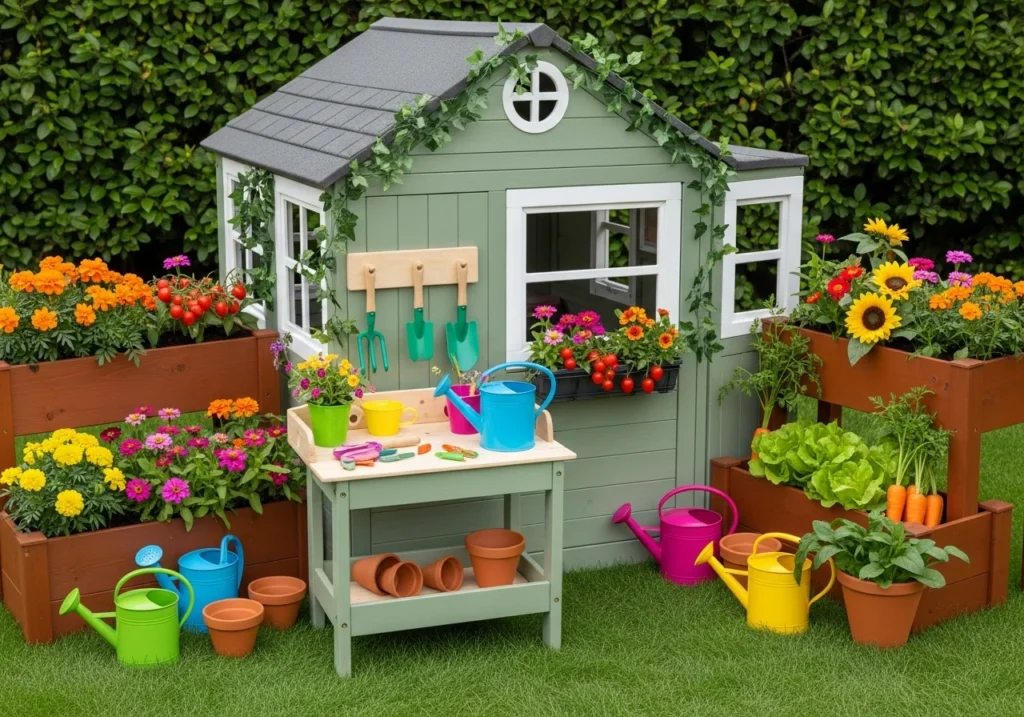
Combine playhouse fun with gardening education by incorporating a potting bench or raised planter boxes into your shed conversion. Paint the exterior in garden-appropriate colors like sage green or terracotta. Add decorative elements such as faux ivy, hanging flower baskets, or hand-painted garden signs.
Inside, dedicate one area to play and another to actual gardening activities. Child-sized gardening tools, watering cans, and seed packets create opportunities for hands-on learning. This dual-purpose space teaches responsibility while providing imaginative play opportunities, and it often becomes a favorite retreat during growing seasons.
Princess Castle or Fairy Tale Palace
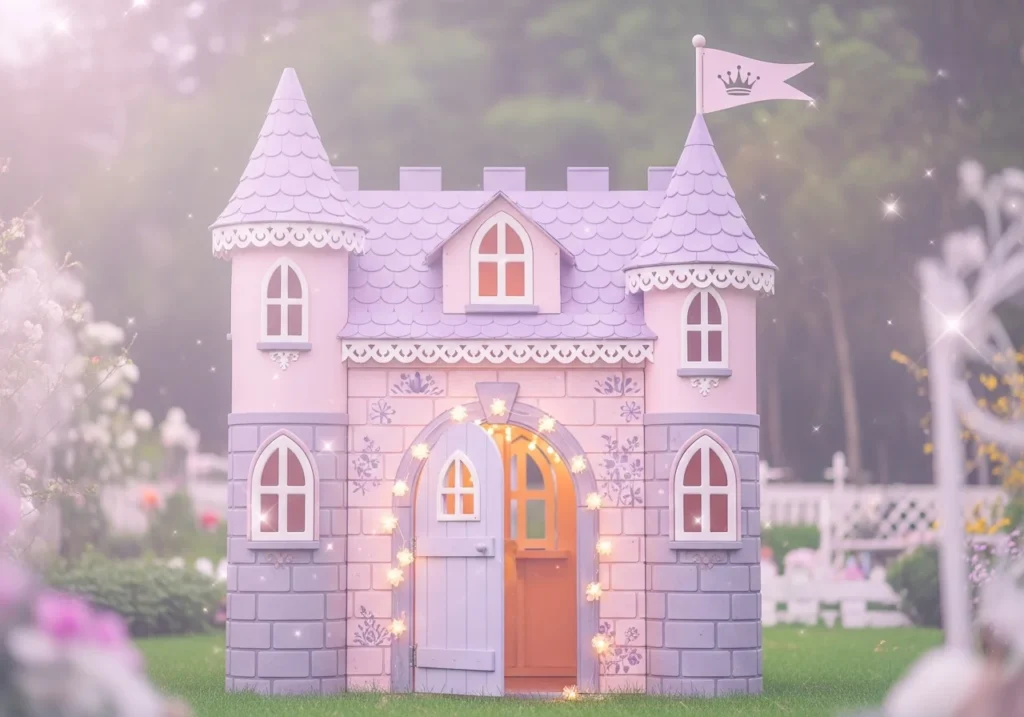
For children enchanted by fairy tales, transform your shed into a magical castle or palace. Apply soft pastel colors to the exterior, add decorative window trim resembling castle architecture, and consider installing a small turret or flag pole. Stenciled stone patterns can create the illusion of castle walls without expensive materials.
The interior might feature draped fabric creating royal chambers, cushioned seating areas, and storage trunks for dress-up costumes. String lights add magical ambiance, while crowns, wands, and fairy tale books complete the royal atmosphere. Despite the gendered associations, this theme often appeals to children of all identities who enjoy imaginative royal role-play.
Adventure Clubhouse Headquarters

Create an exciting clubhouse atmosphere perfect for secret meetings and adventurous play. Paint the exterior in bold colors and add a prominent sign designating it as official headquarters. Install a small ramp or ladder for adventurous entry options, and consider adding a small deck or platform if space permits.
Inside, incorporate elements like a message board, secret storage compartments, and perhaps a periscope or telescope at the window. Maps, compasses, and adventure-themed decorations inspire exploration games. This concept particularly appeals to older elementary-aged children seeking independence and private spaces for socializing with friends.
Farmhouse Play Kitchen
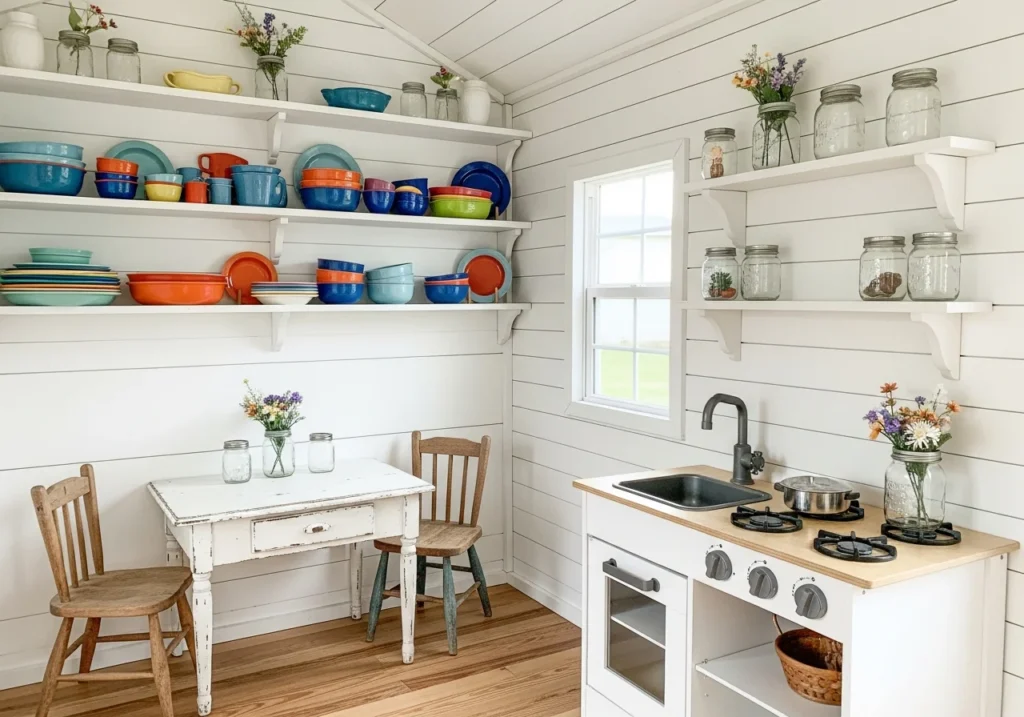
Transform your shed into an elaborate play kitchen reminiscent of farmhouse style. Install open shelving displaying play dishes, add hooks for hanging utensils, and include a pretend sink and stove area. Shiplap or beadboard walls painted in white or cream create authentic farmhouse appeal.
Incorporate a farmhouse table with chairs for pretend dining experiences. Mason jars, vintage-inspired containers, and chalkboard labels enhance the aesthetic. This elaborate setup encourages extensive imaginative play around cooking, meal planning, and hosting, often keeping children engaged for hours.
Science Discovery Lab
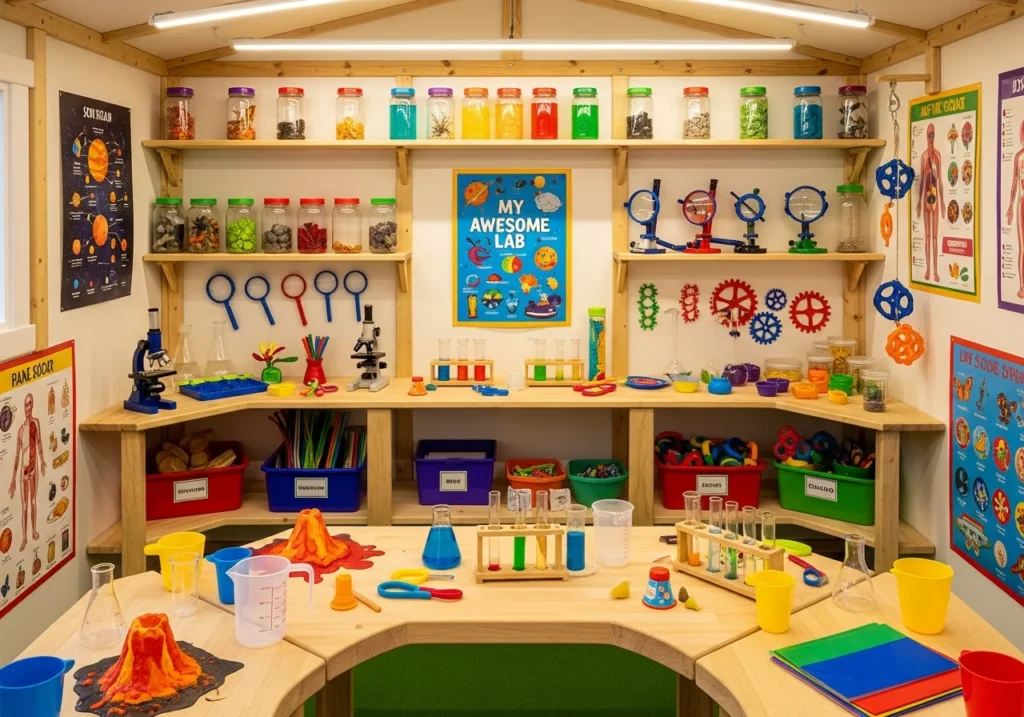
For budding scientists, create an exploratory laboratory within your converted shed. Paint the exterior in neutral tones, then outfit the interior with tables for experiments, shelving for specimens and supplies, and poster boards displaying scientific information.
Stock the space with age-appropriate science kits, magnifying glasses, microscopes, nature collections, and educational posters. Ensure adequate lighting and ventilation for this type of play space. Organization becomes key in science labs, so clear labeled containers help children maintain order while conducting their investigations.
Multi-Season Adaptable Space
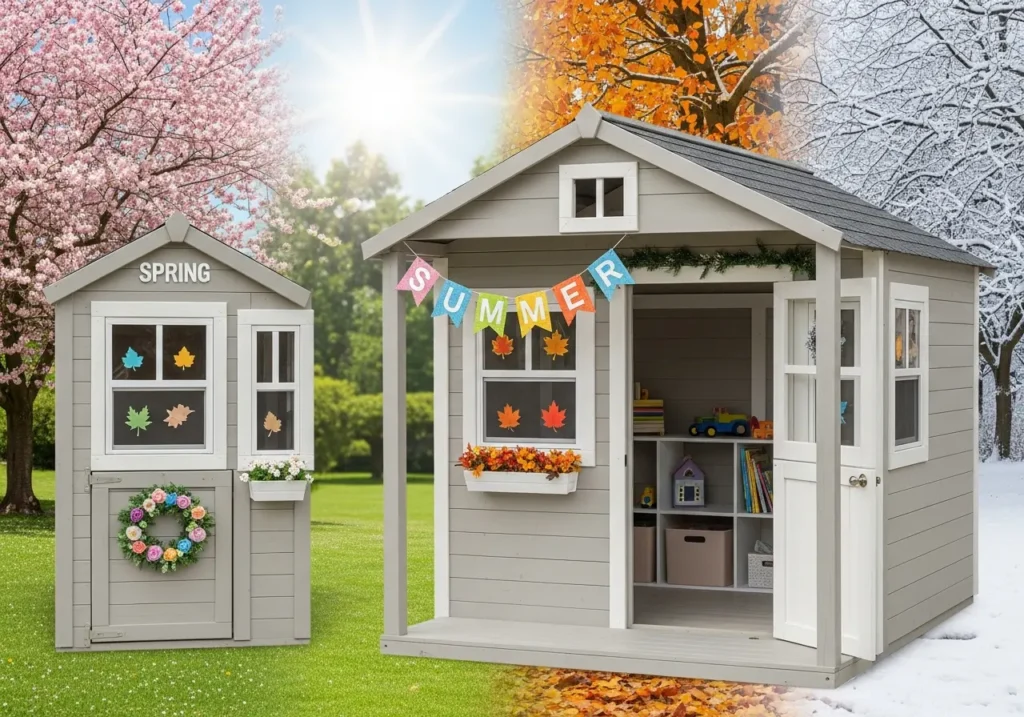
Design your playhouse conversion with seasonal flexibility in mind. Choose neutral exterior colors that work year-round, then use removable decorations to adapt the space for different seasons. Install weatherstripping and insulation to make the space comfortable during various weather conditions.
Create storage systems allowing easy rotation of seasonal toys and decorations. Spring might bring gardening supplies, summer could feature water play accessories, fall introduces harvest themes, and winter transforms the space into a cozy retreat. This approach maximizes use throughout the year while keeping the environment fresh and engaging.
Music and Performance Stage
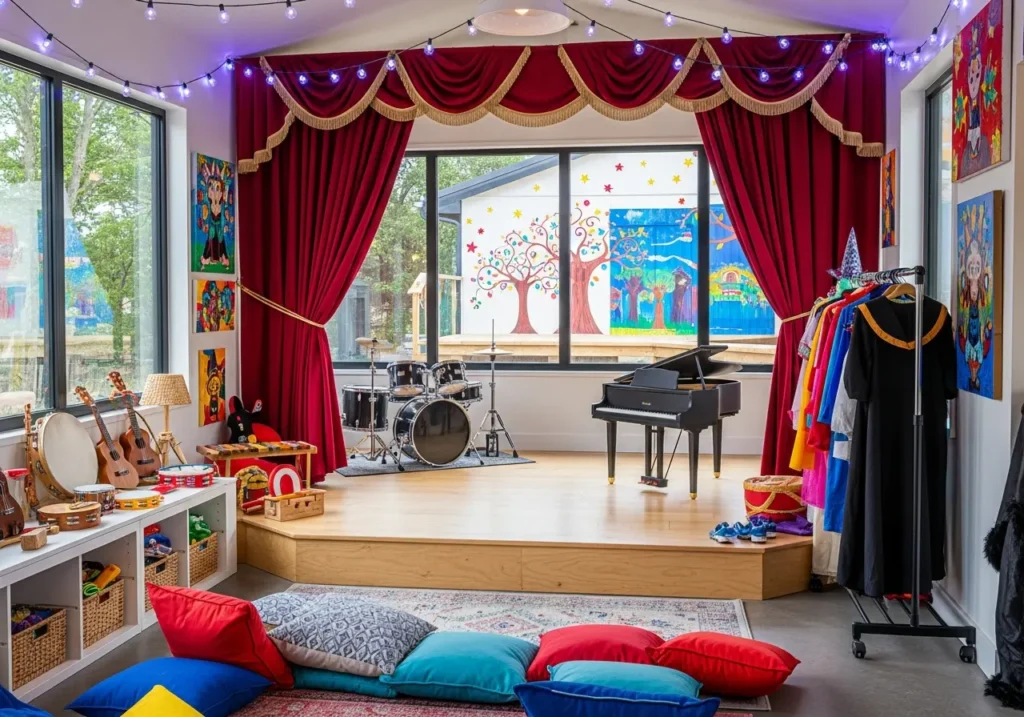
Convert your shed into a performance venue where children can explore musical talents and theatrical interests. Install a small raised platform serving as a stage, add curtains that can open and close, and include seating for audiences. Paint the exterior in vibrant, creative colors that announce the building’s artistic purpose.
Store musical instruments, costumes, and props in organized systems around the performance area. A small sound system or musical instruments appropriate for children’s ages complete the setup. This space encourages creative expression, confidence building, and provides entertainment during family gatherings.
Sensory-Friendly Calm Space
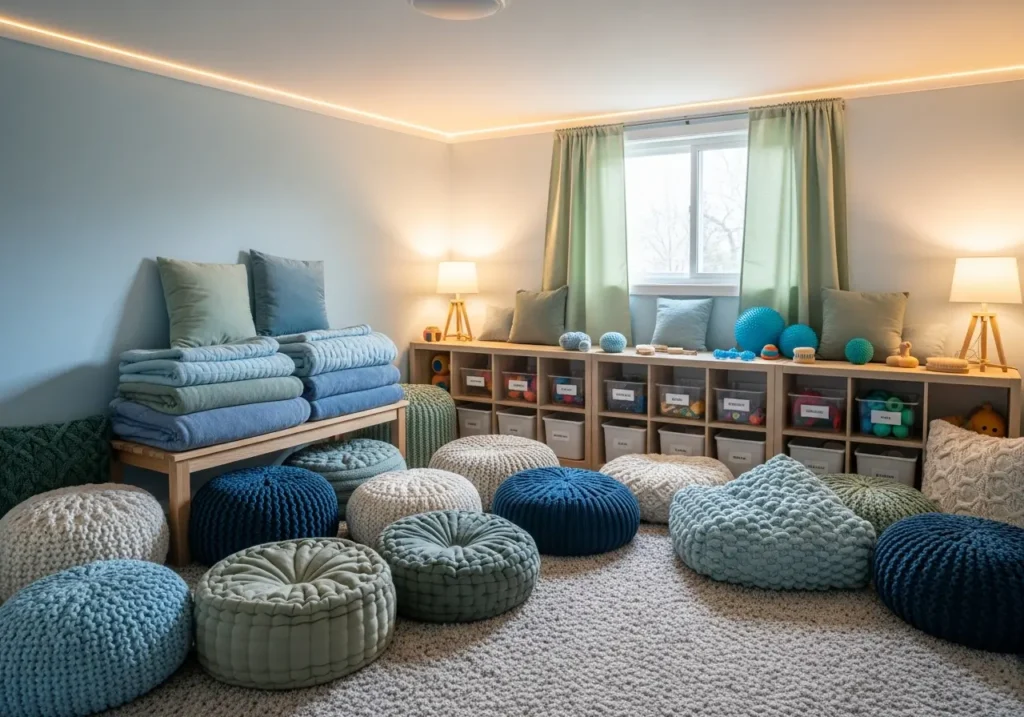
For children with sensory processing needs or those who benefit from quiet spaces, design a sensory-friendly playhouse. Choose calming exterior colors and ensure the interior offers controllable sensory input. Install dimmer switches or adjustable lighting, use soft textured materials, and minimize visual clutter.
Include sensory items like weighted blankets, fidget tools, soft cushions, and calming visual elements. Sound-dampening materials help create a peaceful environment. This thoughtful conversion provides essential regulation space for children who sometimes feel overwhelmed, while remaining enjoyable for all children seeking quiet time.
Outdoor Classroom Extension
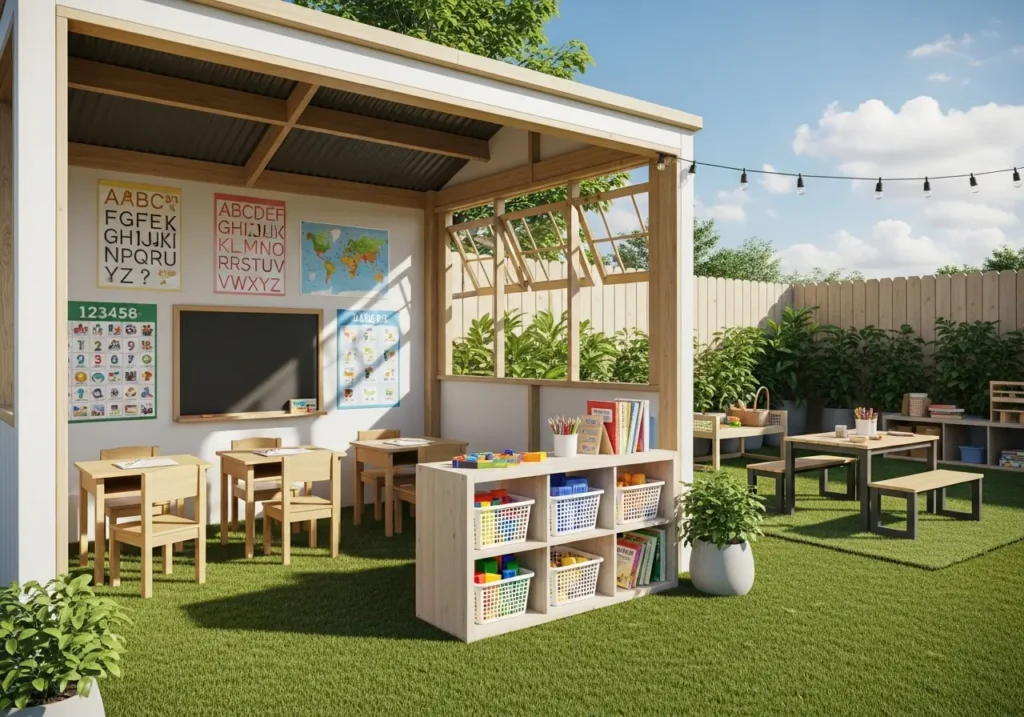
Teachers and homeschooling families can transform sheds into outdoor classroom extensions. Install a whiteboard or chalkboard, add desks or tables at appropriate heights, and create organized storage for educational materials. Paint the exterior in school-friendly colors and add educational decorations.
This dedicated learning space separates education from home living areas, helping children focus during instruction time. Incorporate educational posters, maps, and reference materials on walls. The outdoor setting provides fresh air and natural light, often improving attention and engagement during lessons.
Adventure Play Cafe
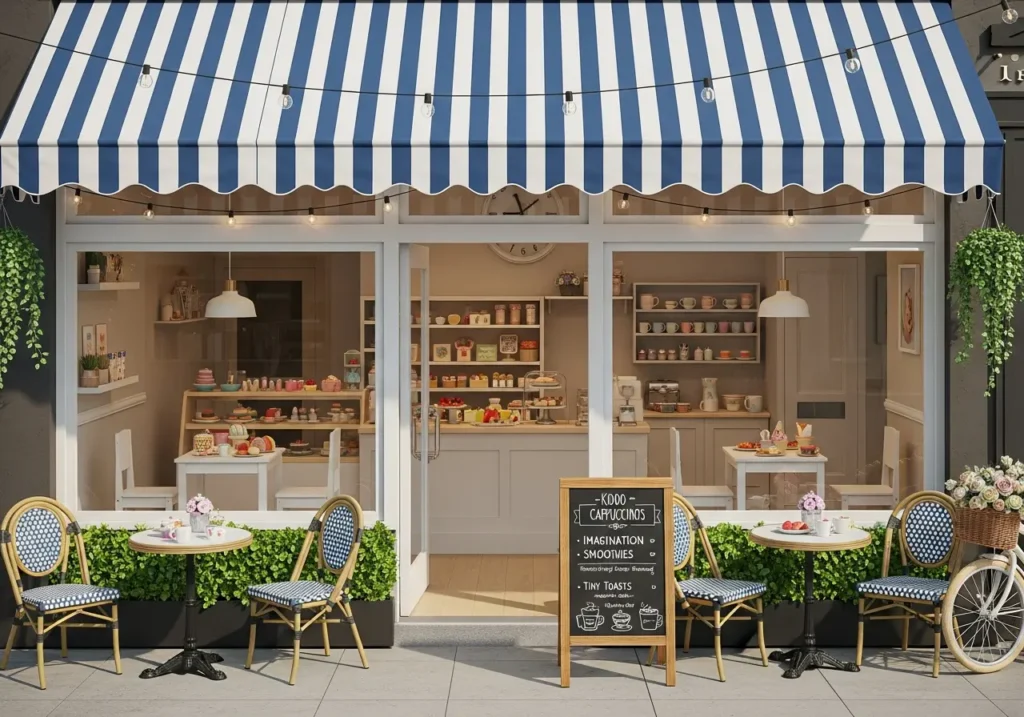
Create a charming play cafe where children can serve pretend refreshments and socialize. Install a service counter with a menu board, add small tables with chairs, and include play food, dishes, and a toy espresso machine. Paint the exterior to resemble a quaint cafe, perhaps adding a striped awning over the entrance.
Decorate with cafe-style elements like hanging plants, string lights, and chalkboard signs. This setup encourages social interaction, imaginative role-play, and even early math skills through pretend transactions. Many children enjoy the sophisticated feel of running their own cafe.
Pirate Ship or Nautical Adventure

Transform your shed into a seafaring vessel for imaginative ocean adventures. Paint the exterior in nautical colors like navy blue, white, and red. Add porthole windows, rope railings, and perhaps a ship’s wheel mounted outside. A flag featuring a friendly pirate design completes the exterior transformation.For more ideas visit Homeliaa
Inside, incorporate nautical elements like netting, treasure chests, maps, and maritime decorations. A telescope at the window allows children to watch for approaching ships or sea creatures. This themed approach inspires creative storytelling and active imaginative play.
Sports Equipment Storage with Play Area
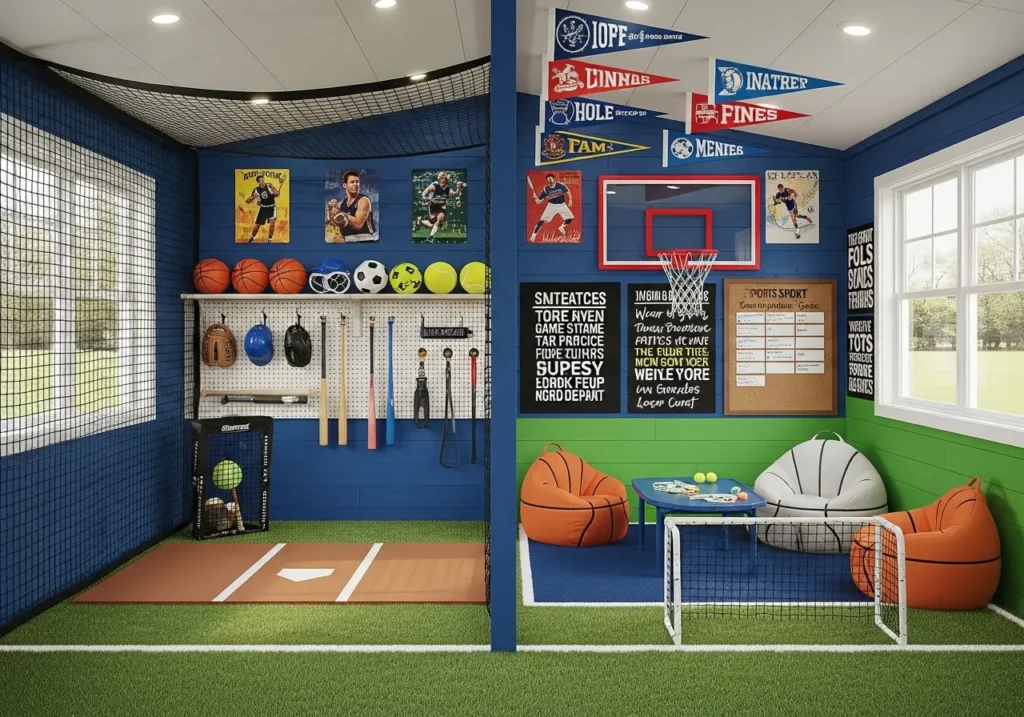
For athletic families, combine functional sports equipment storage with a play area. Dedicate one section to organized storage using hooks, shelves, and bins for balls, bats, and other gear. The remaining space becomes a mini sports clubhouse with seating, a small table, and sports-themed decorations.
This practical conversion keeps equipment organized and accessible while providing a gathering space before or after games. Include a bulletin board for team schedules and achievements. The dual functionality appeals to practical-minded parents while still creating special space for children.
Time Capsule Historical Building
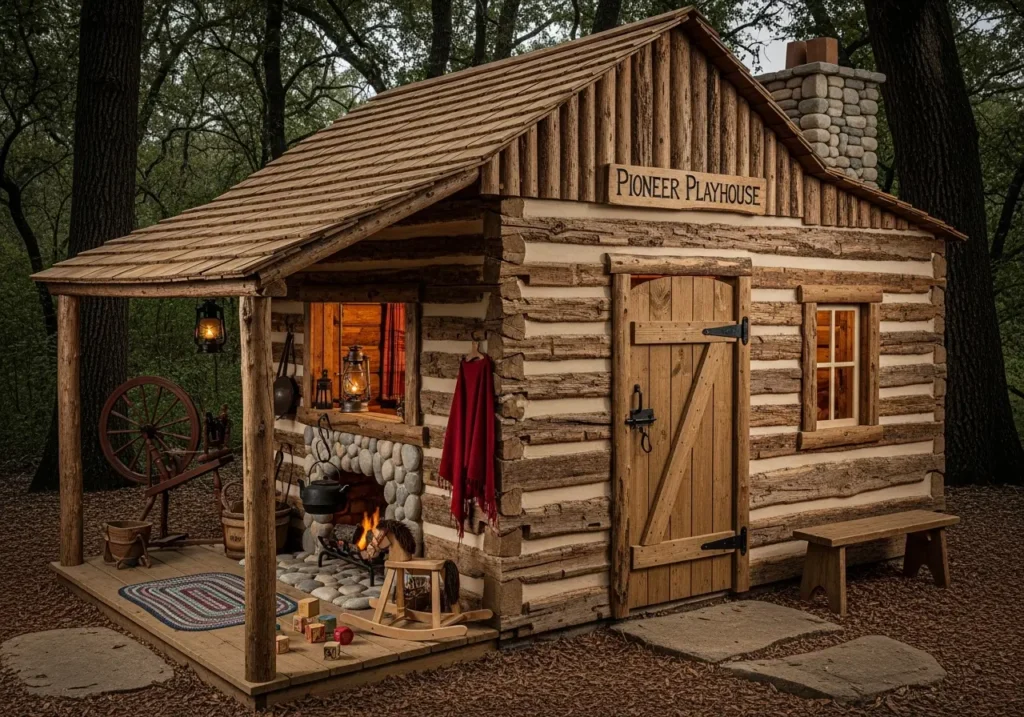
Create an educational playhouse by decorating it to represent a specific historical period. Whether a pioneer cabin, medieval dwelling, or 1950s diner, historical themes provide educational opportunities alongside imaginative play. Research appropriate colors, architectural details, and interior elements for your chosen era.
Stock the interior with period-appropriate props and decorations. This concept works wonderfully for history-loving families and provides talking points about how people lived during different times. Children naturally absorb historical information through play in these immersive environments.
Bringing Your Vision to Life
Starting your shed conversion begins with thorough cleaning and assessment. Remove everything from the shed, sweep away debris, and evaluate what repairs need attention before cosmetic work begins. Create a realistic budget accounting for both necessary structural repairs and desired decorative elements.
Involve children in age-appropriate ways during the planning and execution phases. Let them choose colors, help with painting, or select decorative elements. This involvement increases their investment in the space and creates memorable family experiences during the creation process.
Consider the project timeline realistically. Weekend warriors might complete simple conversions in a few days, while elaborate transformations could span several weekends. Work steadily without rushing, prioritizing safety and quality over speed.
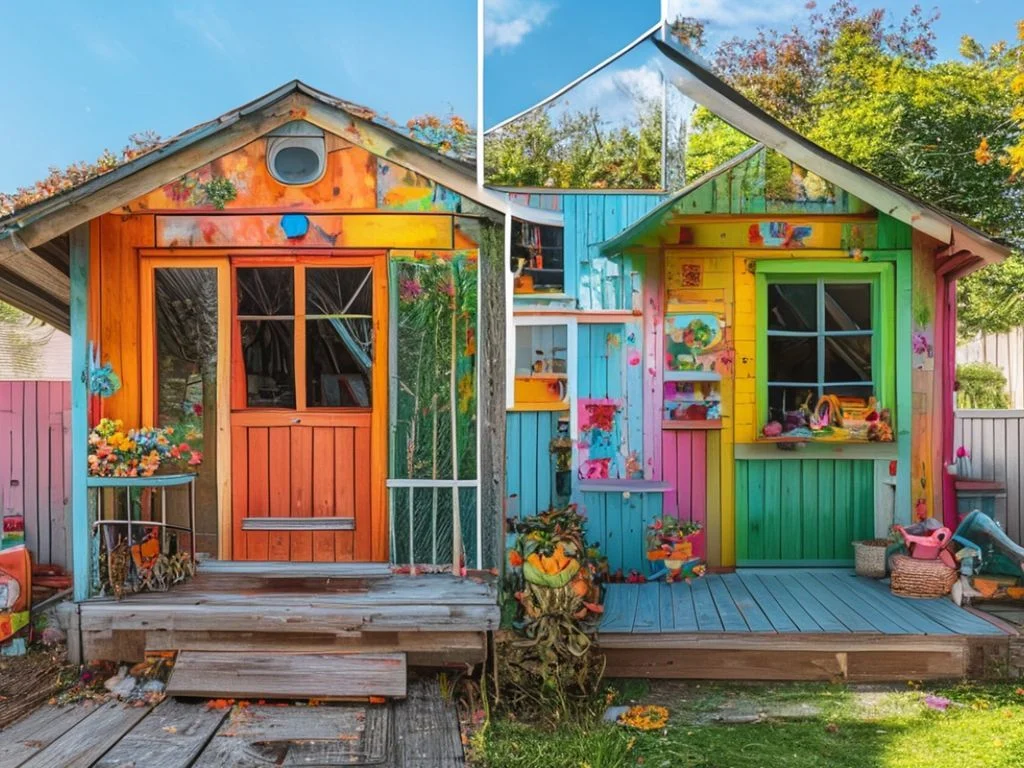
Document the transformation process through photographs. Before, during, and after images create wonderful memories and might inspire other families considering similar projects. Children particularly enjoy seeing the progression from dusty shed to magical playhouse.
Conclusion
Converting a shed into a playhouse represents more than a simple DIY project. These transformations create dedicated spaces where childhood imagination flourishes, memories form, and independence develops. Whether you choose elaborate themes or simple functional designs, the effort invested in creating special play spaces pays dividends through years of engaged, creative play.
The most successful conversions balance adult vision with childhood needs, creating environments that inspire rather than restrict play. Safety, comfort, and flexibility ensure these spaces remain relevant as children grow and interests evolve. Budget constraints need not limit creativity, as many stunning playhouses emerge from simple materials applied with thoughtfulness and care.
Your forgotten shed holds potential for transformation into something truly special. Armed with inspiration, practical knowledge, and commitment to creating magical childhood spaces, you can craft a playhouse that becomes a treasured part of your family’s story for years to come.
Frequently Asked Questions
How much does it typically cost to convert a shed into a playhouse?
Conversion costs vary widely depending on the shed’s condition and your design ambitions. Basic transformations requiring only cleaning, painting, and simple decorations might cost between 200 to 500 dollars. More elaborate conversions involving structural repairs, flooring replacement, new windows, electrical work, and extensive decorating could range from 1,000 to 3,000 dollars or more. Setting a realistic budget and prioritizing essential safety improvements before cosmetic enhancements helps manage costs effectively.
Do I need building permits to convert a shed into a playhouse?
Permit requirements depend on local regulations and the extent of your modifications. Generally, simple cosmetic changes like painting and decorating existing structures don’t require permits. However, adding electricity, making structural changes, or increasing the building’s footprint might require permits and inspections. Contact your local building department to understand specific requirements in your area before beginning major modifications.
How can I make the playhouse usable year-round?
Year-round usability requires addressing insulation, weatherproofing, and climate control. Install insulation in walls and ceiling, seal gaps around windows and doors, and ensure the roof is completely watertight. Adding a small electric heater for winter use or fans for summer ventilation extends comfortable usage across seasons. Choose flooring materials that tolerate temperature fluctuations and moisture. Proper ventilation prevents condensation and maintains air quality regardless of season.
What safety features should I include in a converted playhouse?
Essential safety features include sturdy construction with no protruding nails or sharp edges, secure windows that open for ventilation but include safety stops preventing children from falling through, smooth flooring without trip hazards, and proper anchoring to prevent tipping in high winds. Avoid locks that could trap children inside, ensure adequate ventilation to prevent stuffiness, and use non-toxic paints and materials throughout. Regular inspections catch potential safety issues before they become problems.
How do I maintain a shed playhouse over time?
Regular maintenance preserves your playhouse investment. Inspect the structure seasonally for damage, water infiltration, or pest activity. Repaint or reseal exterior surfaces every few years to prevent weather damage. Keep gutters and drainage clear to protect the foundation. Inside, regularly clean and organize to prevent clutter accumulation and maintain the inviting atmosphere. Address minor repairs promptly before they become major problems. Involve children in age-appropriate maintenance tasks to teach responsibility and care for shared spaces.