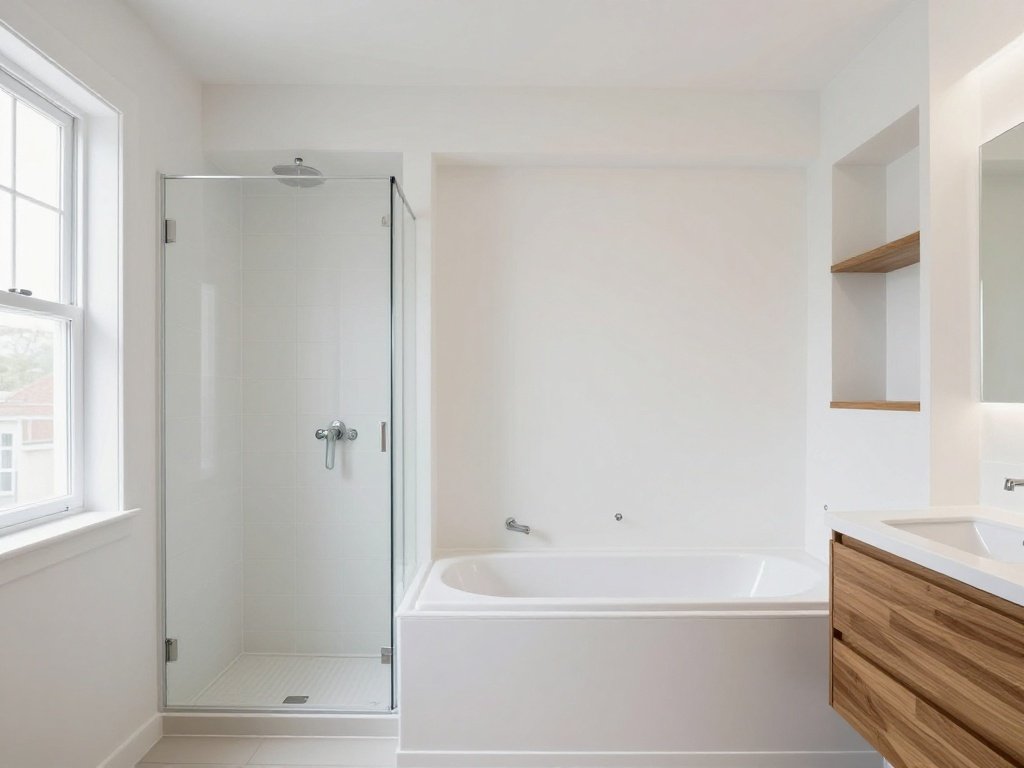
15 Bathroom Alcove Ideas to Maximize Space
bathroom alcove ideas Every bathroom has dead space, and most of us walk past it every single day without noticing. That gap beside the vanity, the blank wall in the shower, the awkward recess near the tub. These spots are usually ignored, yet they hold some of the best untapped potential in the entire room. An alcove turns that overlooked space into something useful bathroom alcove ideas and good looking at the same time.
If you have ever finished a shower and reached blindly for a shampoo bottle balanced on the edge of the tub, or watched towels pile up on a chair because there was nowhere else to put them, you already understand the appeal. Bathroom alcove ideas solve a problembathroom alcove ideas that almost every home has: not enough storage, not enough style, and not enough breathing room in a space that is often smaller than we would like.
This guide walks through fifteen practical and design forward ways to use alcoves in a bathroom, from built-in shower niches to vanity recesses, arched tub surrounds, and clever vertical storage tricks. Whether you are planning a full renovation or a smaller upgrade,bathroom alcove ideas these ideas are meant to help you get more out of every inch of wall you already have.
1. Classic Shower Niche for Everyday Essentials
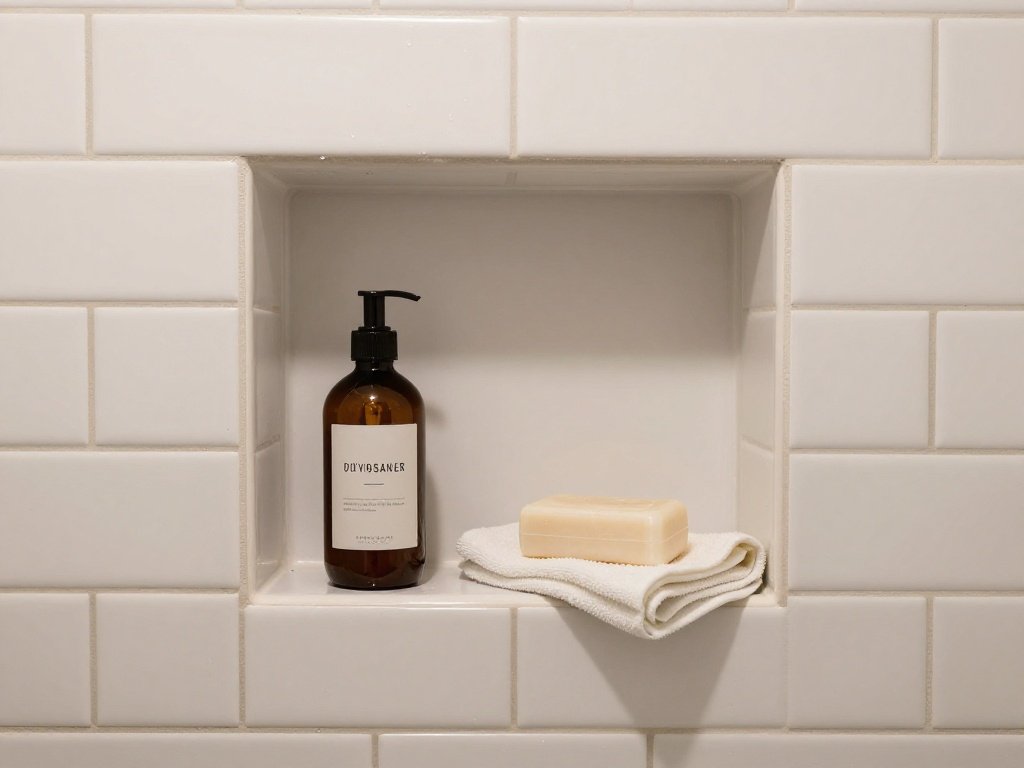
The most common and arguably most useful alcove in any bathroom is the shower niche. A rectangular recess built into the shower wall holds shampoo, conditioner, soap, and razors without the need for a hanging caddy or bulky shelf that collects bathroom alcove ideas soap scum. Most plumbers recommend positioning it between wall studs at a comfortable reaching height, usually somewhere between the shoulder and the chest.
The trick to making a shower niche look intentional rather than utilitarian is the finish inside. A contrasting tile, a different grout color, or a small ledge for a candle or plant can turn a purely functional cutout into something that feels designed rather than added as an afterthought.
2. Tub Alcove for a Cozy, Enclosed Soak
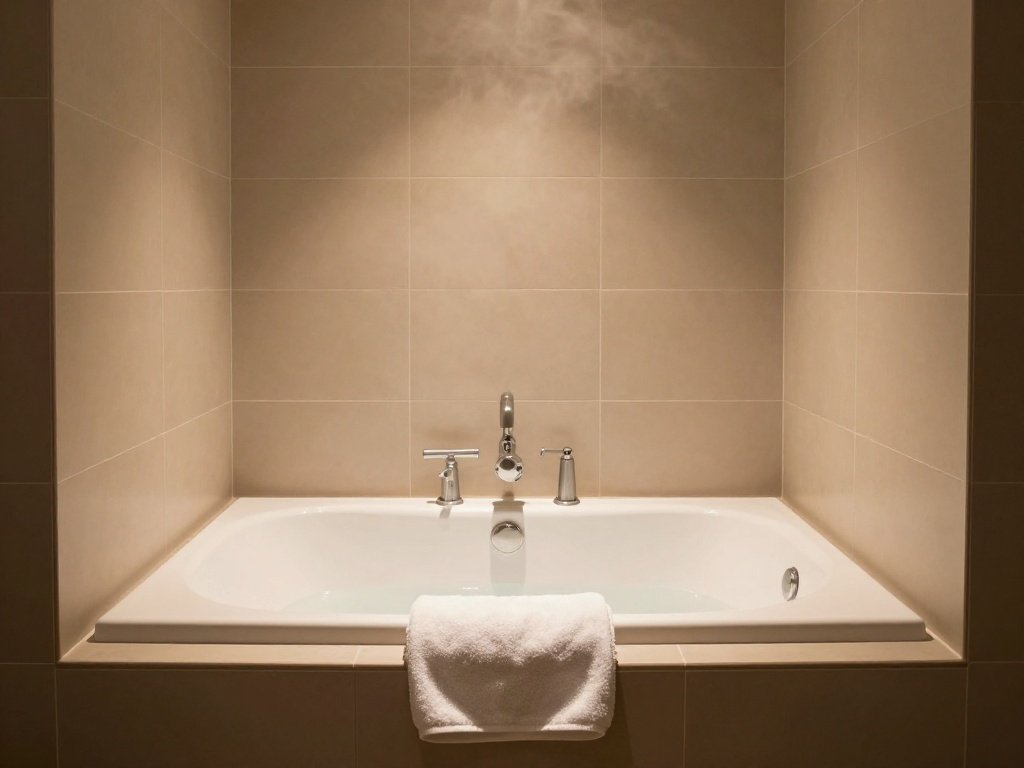
An alcove bathtub sits within a three-sided recess, with walls on either side and at the back. This layout is one of the most space-efficient ways to fit a bathtub into a standard bathroom because it does not require the extra clearance a freestanding tub needs. It also creates a naturally framed, almost cocoon-like feeling that many people find more relaxing than an bathroom alcove ideas open tub in the middle of the room.
Because the tub is boxed in on three sides, it also contains splashing far better than a freestanding model, which is a practical bonus if you are sharing the bathroom with kids.
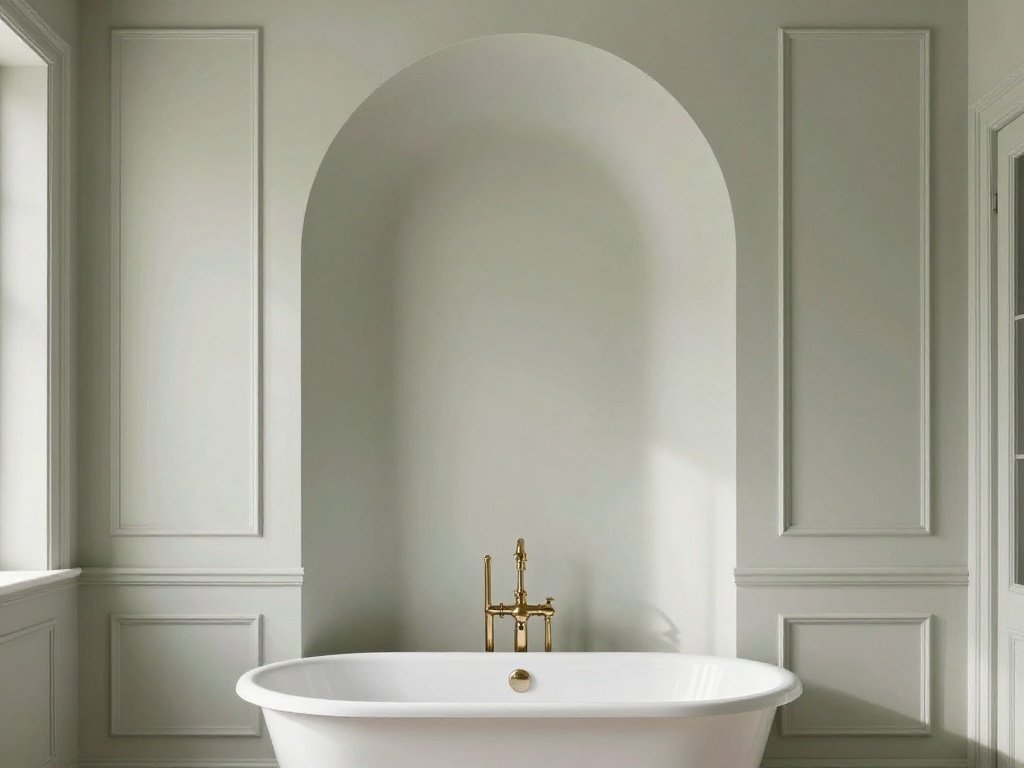
3. Arched Alcove for a Softer Architectural Look
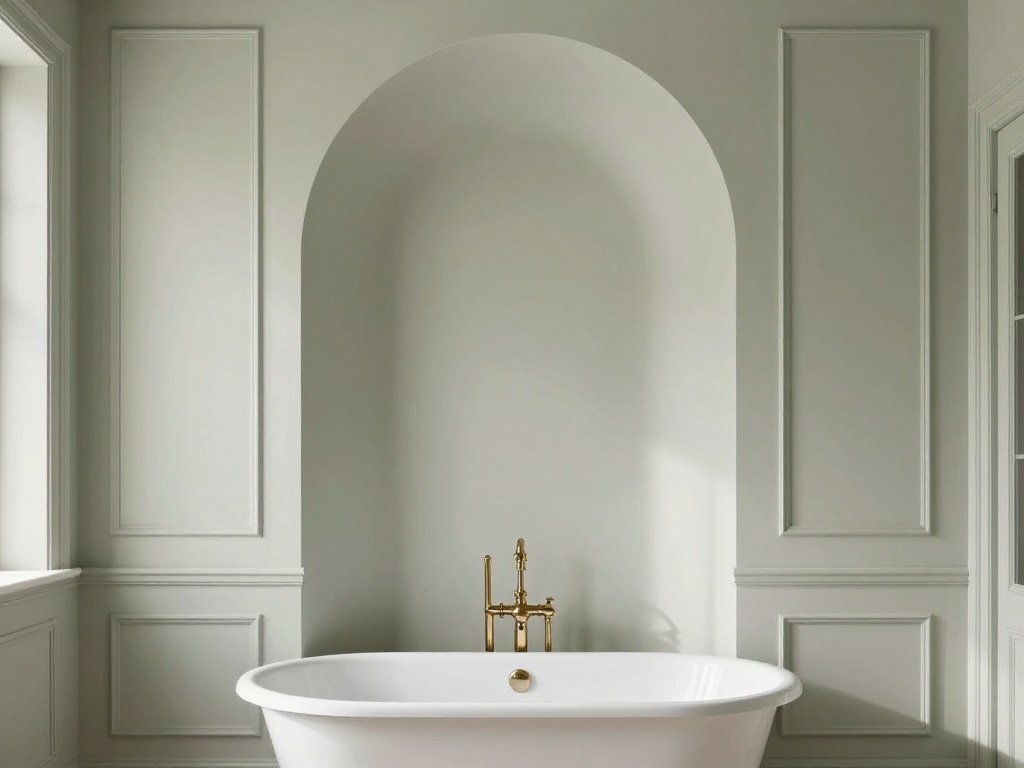
Sharp corners are functional, but a curved or arched alcove brings a softness that immediately changes the character of a room. This style works especially well around a freestanding tub or behind a vanity mirror, where the rounded line draws the eye upward and breaks bathroom alcove ideas the monotony of straight walls.
Arched alcoves pair beautifully with traditional or transitional bathrooms, particularly when finished in a contrasting paint color or wallpaper that highlights the curve rather than blending into the rest of the wall.
4. Vanity Side Alcoves for Hidden Storage
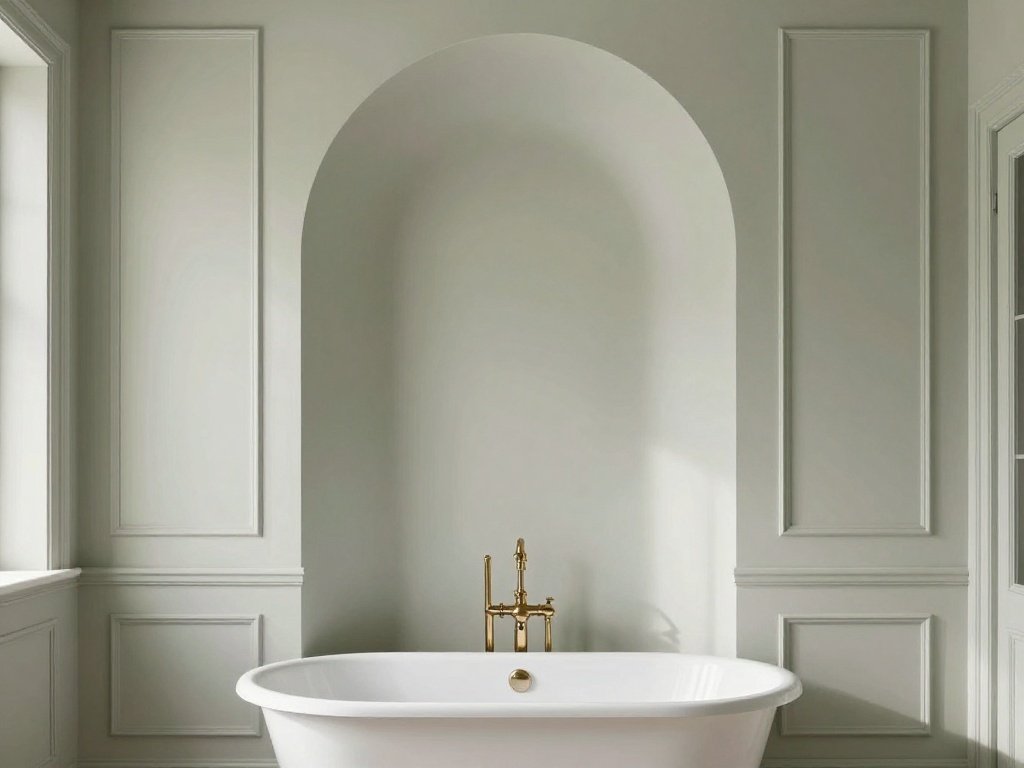
The space on either side of a vanity is often wasted, especially in narrow bathrooms where every inch counts. Building a shallow alcove into one or both sides gives you a spot for folded towels, baskets of toiletries, or open shelving without adding bulky cabinetry that eats into the room.
This approach also works well in rental-friendly versions, where a furniturebathroom alcove ideas piece with built-in side recesses mimics the look without any construction at all.
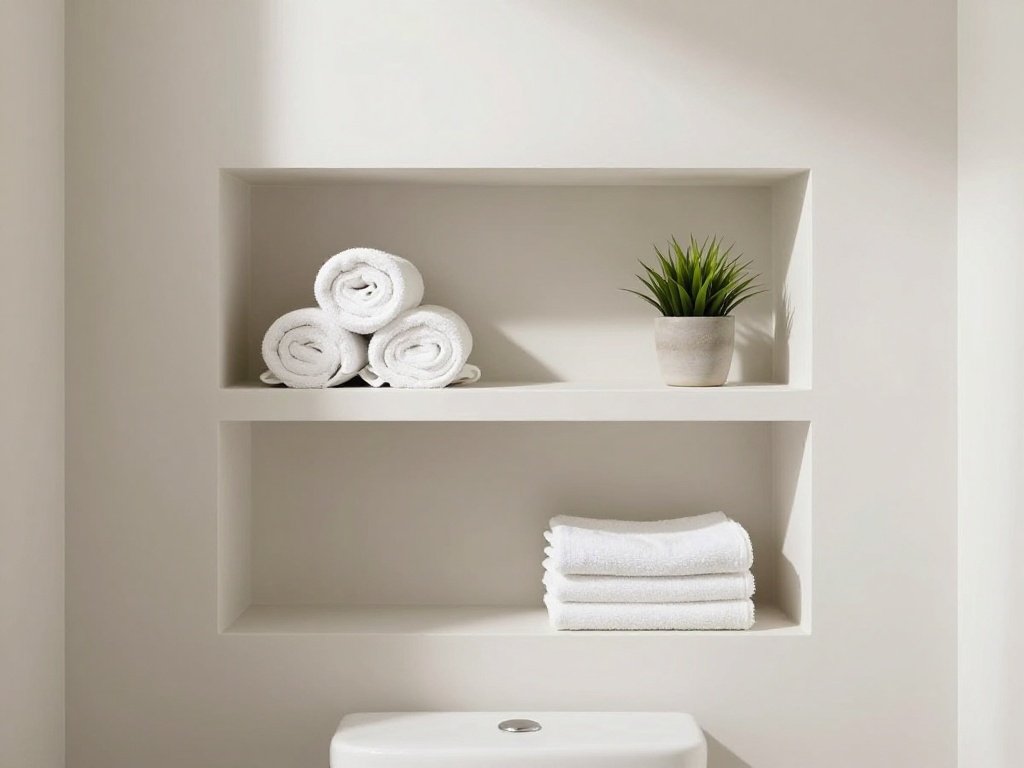
5. Recessed Shelving Above the Toilet
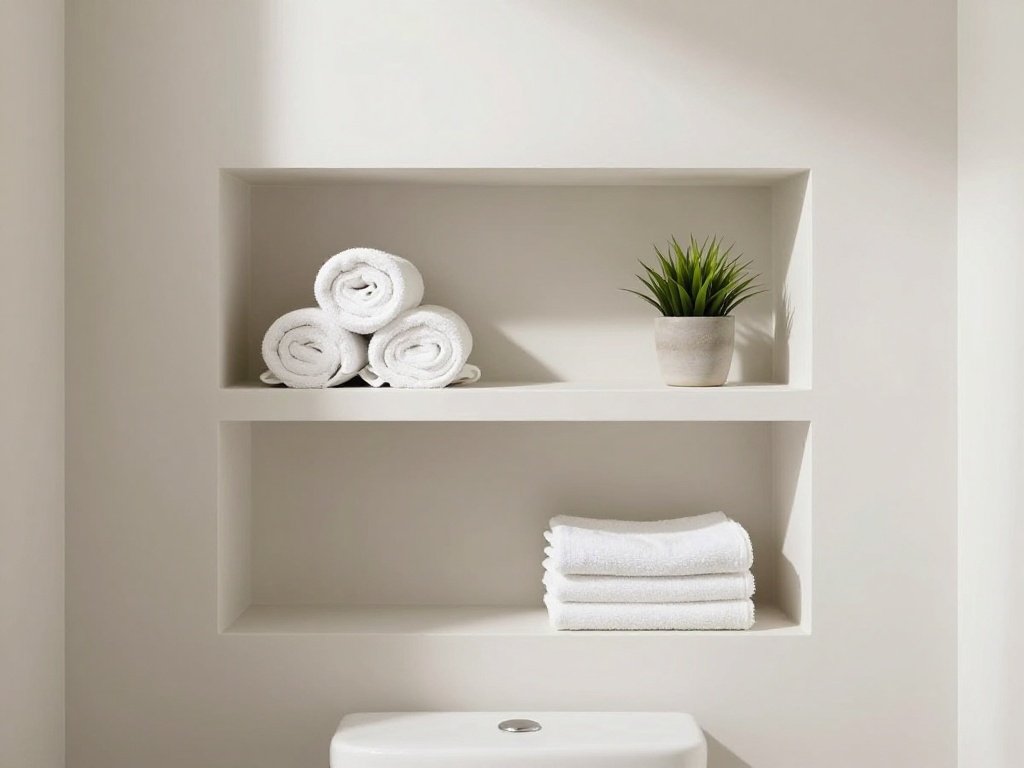
The wall above a toilet is one of the most underused areas in any bathroom. A recessed shelf here, rather than a surface-mounted cabinet, keeps the look streamlined and avoids making a small room feel boxed in. It is a particularly smart choice in bathrooms where floor space is already tight and there is no room for a freestanding storage unit.
Stack two or three shallow shelves for towels, toilet paper, and decorative touches like a small plant or framed art.
6. Towel Storage Nook Near the Shower
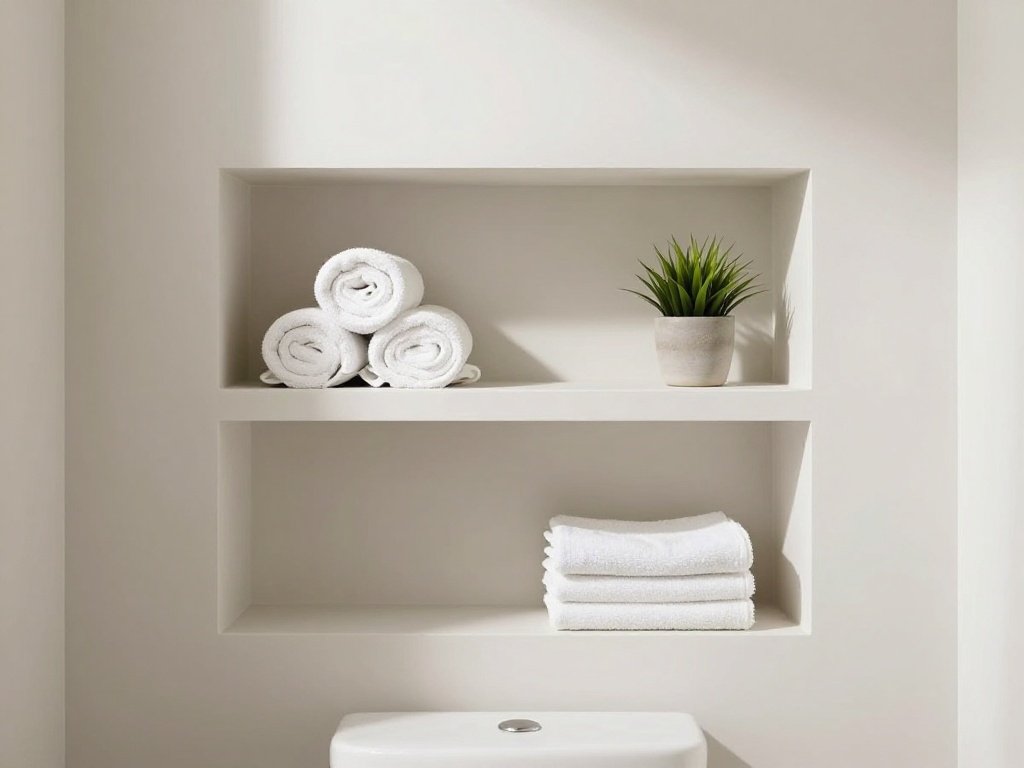
A shallow recess built near the shower entrance gives you a dedicated spot for rolled towels, which feels closer to a boutique hotel than a standard home bathroom. Because towels need airflow to stay fresh, this is one alcove where ventilation matters more than usual. A nook that is too enclosed can trap moisture, so leave some open sides or add a small vent if the space allows.
7. Mosaic or Patterned Tile Inside the Niche
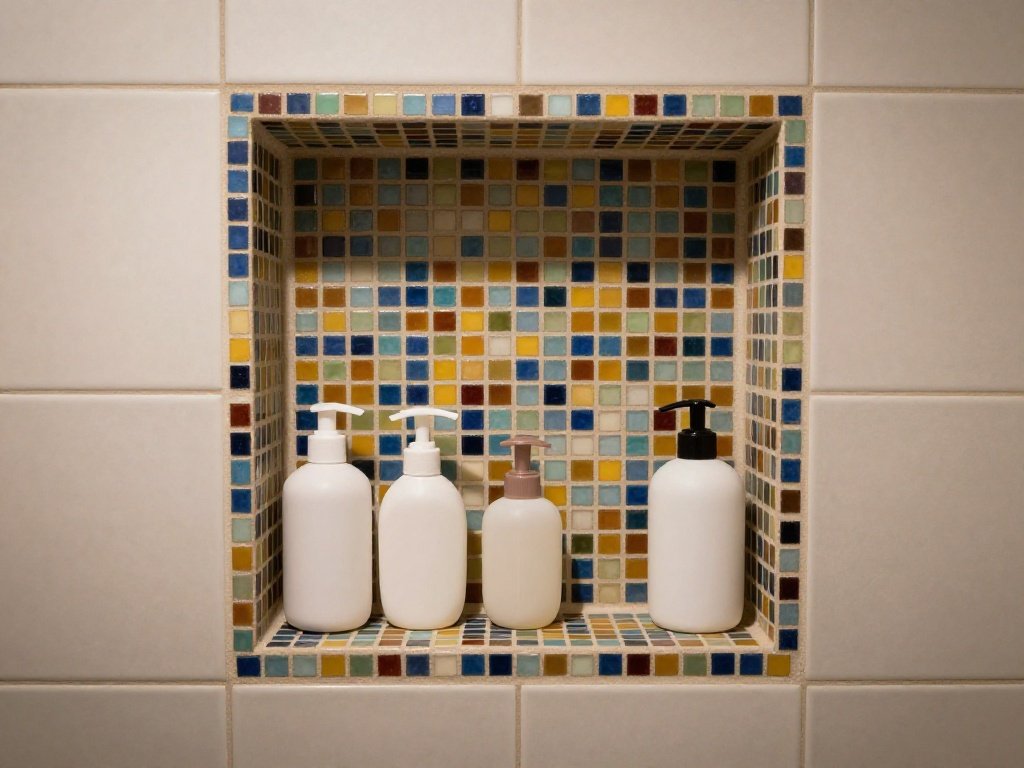
A plain recess can look like an afterthought if it is finished in the same tile as the rest of the shower. Lining the inside of a niche with mosaic tile, a bold color, or a contrasting pattern turns it into a genuine focal point rather than just a place to store bottles.
This is a low-cost way to add personality to a bathroom that otherwise sticks to a neutral palette. Even a single accent wall inside the alcove can do the job without overwhelming bathroom alcove ideas the rest of the room.
8. Backlit Alcove for a Spa-Like Glow
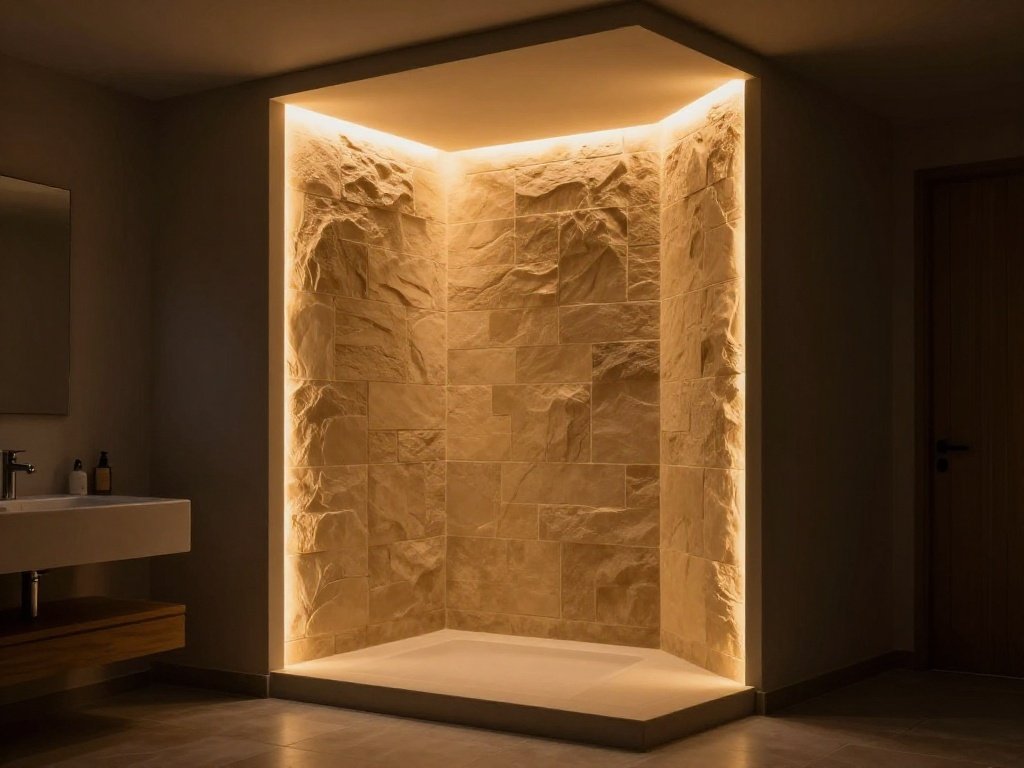
Lighting tucked inside an alcove, whether it is a shower niche, a tub surround, or a vanity recess, creates a warm, layered glow that overhead lighting alone bathroom alcove ideas cannot match. LED strip lighting hidden along the top or sides of the recess is the most common approach, and it works particularly well with stone or marble finishes that catch and reflect the light.
This idea works best in the evening, when softer lighting makes the bathroom feel more like a retreat and less like a purely functional space.
9. Double or Multi-Tier Shower Niche
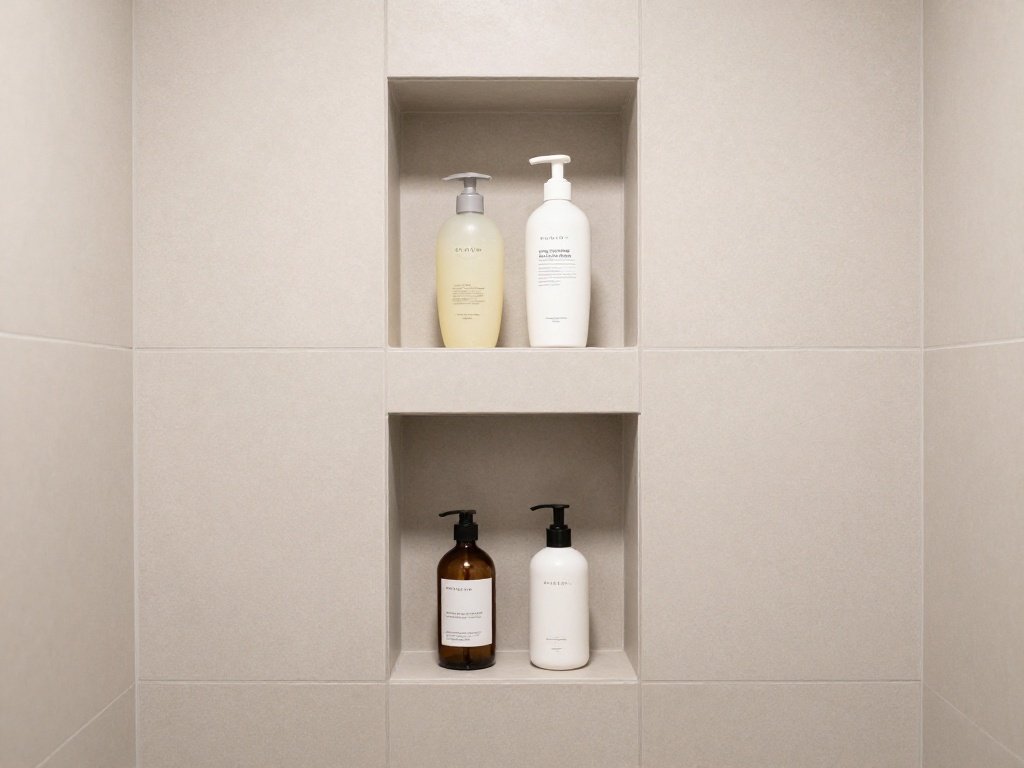
If your household includes more than one person using the same shower, a single niche fills up fast. A double or stacked niche, with two separate compartments at different heights, solves this without adding visible clutter. It is especially useful in shared bathrooms or family homes where everyone has their own products.
A horizontal layout works well for wider showers, while a vertical stack suits bathroom alcove ideas narrower stalls where width is limited.
10. Corner Alcove Shelf for Awkward Angles
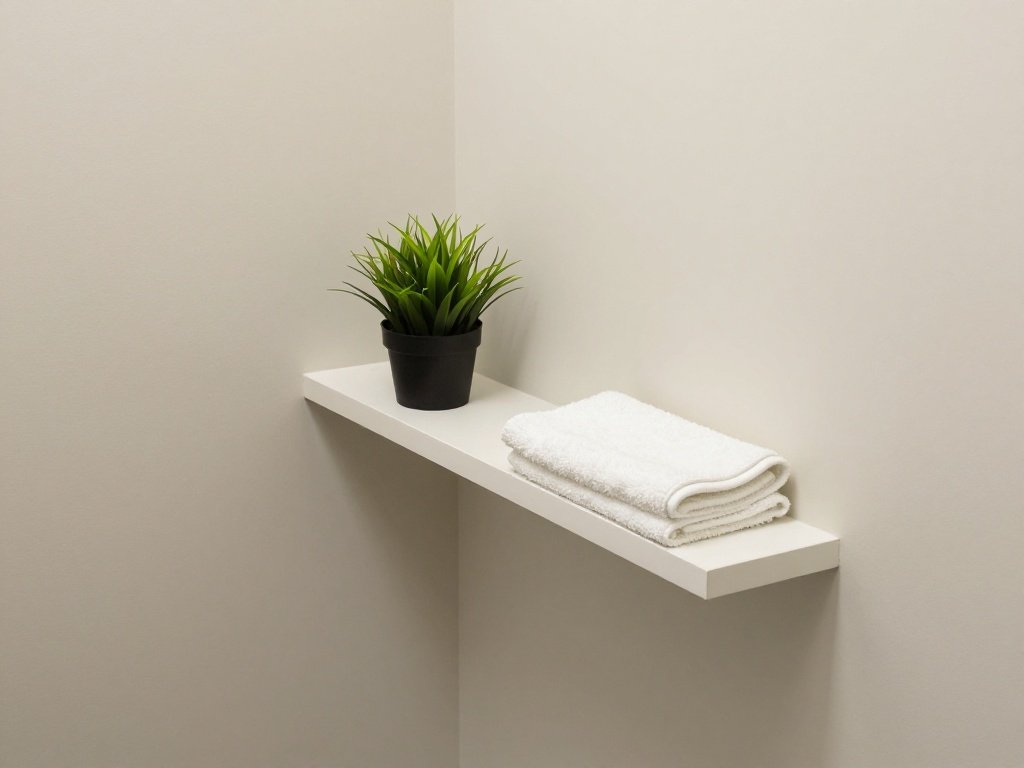
Not every bathroom has a wall cavity deep enough for a true recessed niche, particularly in older homes or apartments with limited renovation options. A corner shelf mimics the look and function of an alcove without requiring structural changes. Mounted diagonally across a bathroom alcove ideas corner, it occupies space that would otherwise go unused entirely.
This is one of the easiest upgrades on this list, since it typically requires nothing more than a drill and a level rather than a full renovation.
11. Mirrored Alcove Doors for Disguised Storage
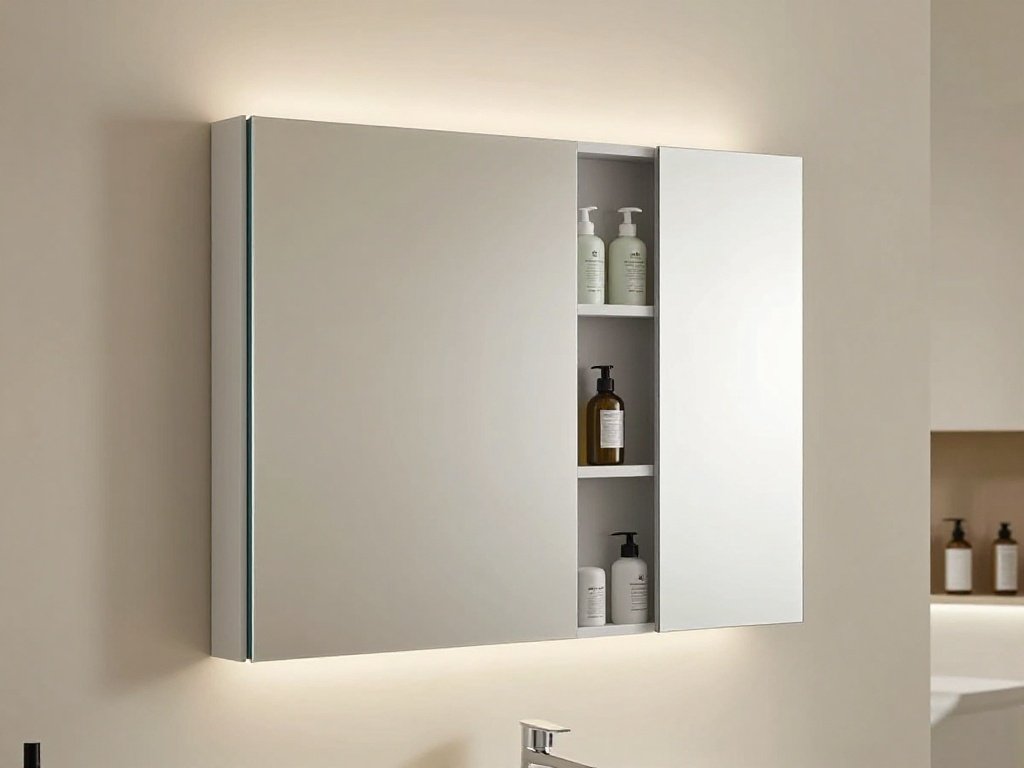
A recessed cabinet fitted with mirrored doors gives you the practical depth of a built-in storage area while doubling as the bathroom mirror. This is particularly useful in small bathrooms where there is no room for both a separate mirror and a medicine cabinet. The mirrored front also bounces light around the room, which helps a small space feel more open.
12. Vertical Shelving for Narrow Bathrooms
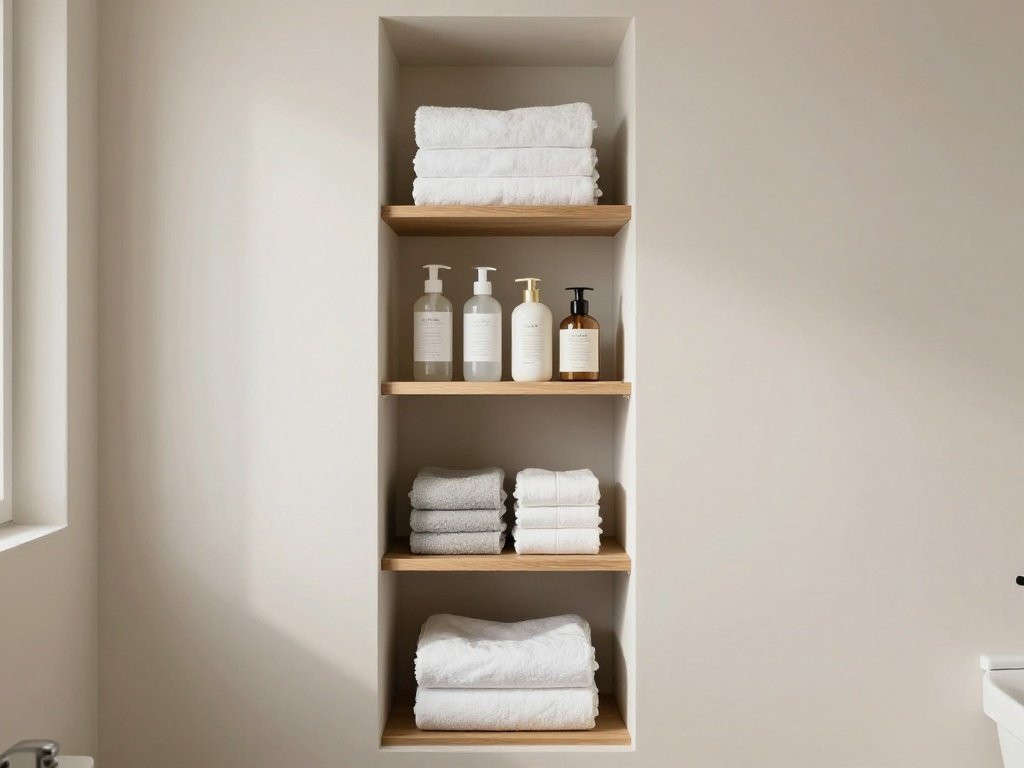
In compact bathrooms, height becomes your best resource once floor space runs out. A tall, narrow alcove built into the shower wall or beside the toilet can hold several smaller shelves stacked vertically, keeping everything organized without spreading out horizontally. This works particularly well in galley-style or long, narrow bathrooms where every wall is already accounted for.
13. Open Display Alcove for Styling Touches
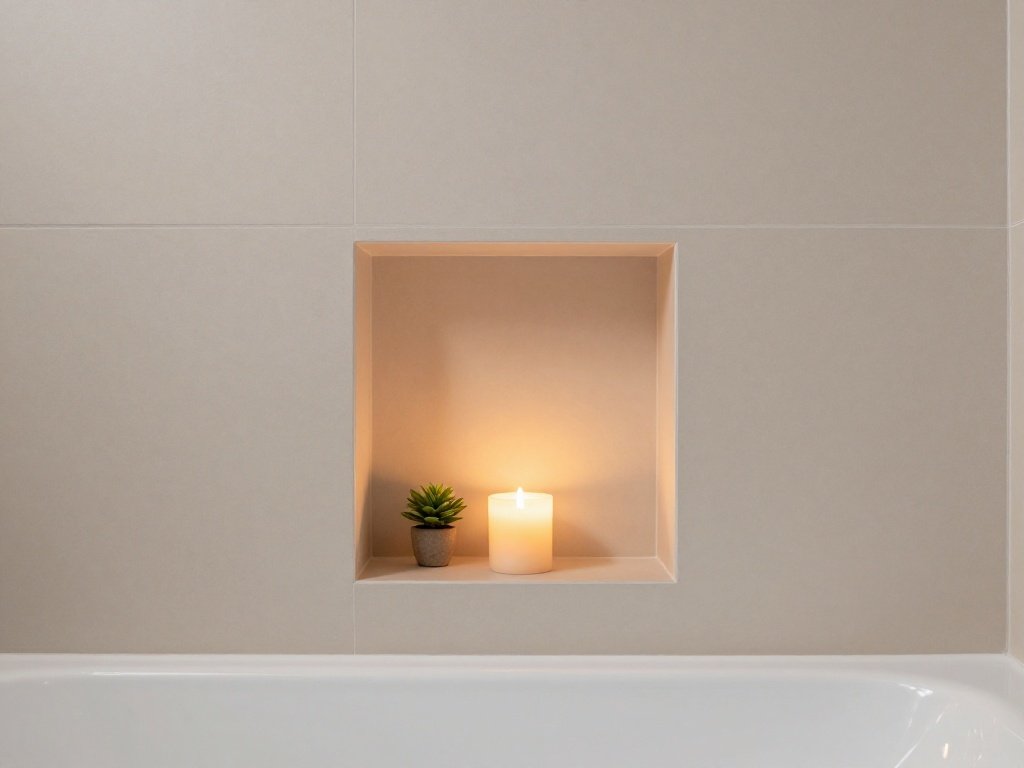
Not every alcove needs to be purely functional. A small open recess, styled with a candle, a plant, or a piece of art, gives a bathroom a more curated, finished feel. This idea works especially well near a tub or beside a mirror, where it draws the eye without interfering with daily routines.
The key is restraint. A styled alcove looks intentional with two or three items, but cluttered with too many.
14. Built-In Bench Alcove for Seating and Storage
In larger walk-in showers, a recessed bench alcove offers a place to sit, rest a foot while shaving, or set down a basket. Some designs combine the bench with a shelf below it, turning a single recess into both seating and storage. This is a particularly practical addition for households that include older family members or anyone who benefits from a place to sit while showering.
15. Full-Wall Alcove for a Statement Shower
For those willing to commit to a larger renovation, a full-length alcove running the entire width of one shower wall makes a dramatic statement. Rather than a single small niche, this approach treats the whole wall as a feature, often finished with a decorative tile or mosaic that matches or contrasts with the rest of the shower.
This style suits larger or shared bathrooms best, since it requires both the wall depth and the overall room size to avoid feeling oversized for the space.
Bringing It All Together
A bathroom alcove does not need to be complicated to make a real difference. Even a single, well-placed shower niche can clear away the clutter of bottles balanced on a tub ledge, and a styled recess near the vanity can turn a plain wall into something that feels finished and considered. The fifteen ideas above range from simple weekend upgrades, like a corner shelf, to larger renovation projects, like a full tub alcove or a statement shower wall, which means there is a starting point here regardless of your budget or the size of your space.
Frequently Asked Questions
How deep should a bathroom alcove be? Most shower niches work well at four to six inches deep, which is enough room for standard bottles without requiring major changes to the wall structure. Deeper alcoves, like those built for a tub, depend on the specific fixture size.
Do bathroom alcoves require special waterproofing? Yes, any alcove built into a shower or tub area needs a proper waterproof membrane installed behind the tile. Without it, moisture can seep into the wall cavity and lead to mold or damage over time.
Can I add an alcove to an existing bathroom without a full renovation? In many cases, yes. Corner shelves and floating shelf alternatives can mimic the look of a built-in alcove without cutting into the wall, making them a good option for renters or smaller budget updates.
What is the best height for a shower niche? A height between shoulder and chest level for the average user in the household tends to work best, since it keeps items within easy reach without requiring you to bend down during a shower.
Are bathroom alcoves more expensive than standard shelving? They typically cost more upfront because of the additional cutting, framing, and tiling work involved, especially if a tiler is charging per recess. However, many homeowners find the built-in look and added storage worth the extra cost over time.