
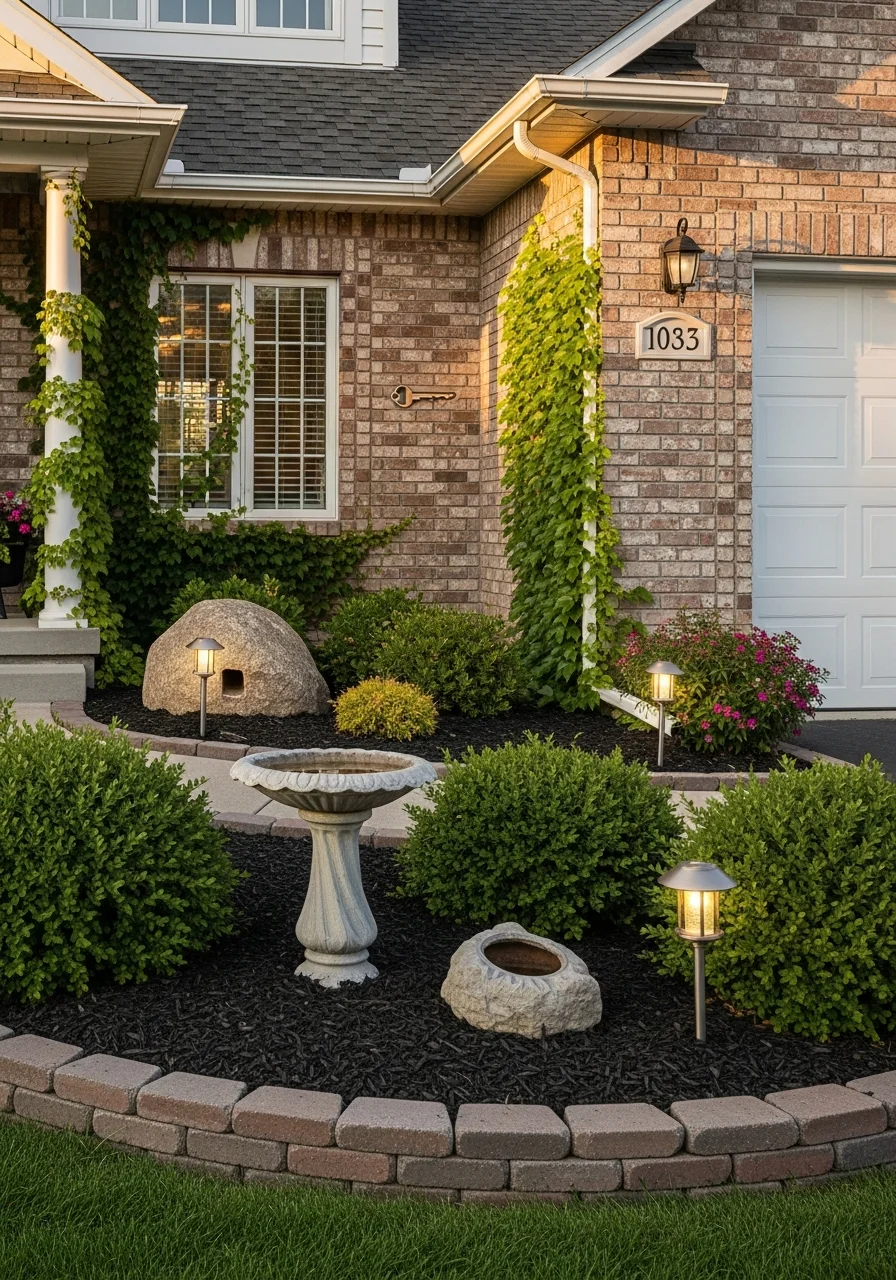
15+ Clever Ways to Hide Keys Outside Your Home
Getting locked out of your house ranks among the most frustrating experiences any homeowner faces. That moment of panic when you realize your keys are sitting on the kitchen counter while you stand outside can ruin an entire day. This common predicament explains why so many people choose to hide key somewhere on their property.
However, the challenge lies in finding hiding spots that outsmart potential intruders while remaining accessible when you need them most. Burglars know the typical locations homeowners use, checking under doormats, above door frames, and inside fake rocks within seconds of approaching a home. The solution requires thinking beyond these obvious choices and implementing truly clever concealment strategies that balance security with convenience.
This comprehensive guide explores creative, secure methods for hiding spare keys outside your home. From innovative commercial products to ingenious DIY solutions, you will discover approaches that protect your property while ensuring you never face the inconvenience and expense of calling a locksmith during an emergency.
Understanding the Risks Before You Hide key
Before exploring hiding methods, recognize that any outdoor key storage creates some security vulnerability. Professional thieves understand common hiding behaviors and systematically check predictable locations. The goal involves making your hide key so well concealed that a burglar would need unreasonable time and effort to locate it, time they typically lack when targeting homes.
Consider your neighborhood security level, the visibility of your property, and how frequently you need access to the spare key. These factors influence which hiding method works best for your situation. Additionally, inform only trusted family members and close friends about your hiding spot, as the security of any method depends heavily on limiting who knows the location.
Behind Removable Siding or Shutters
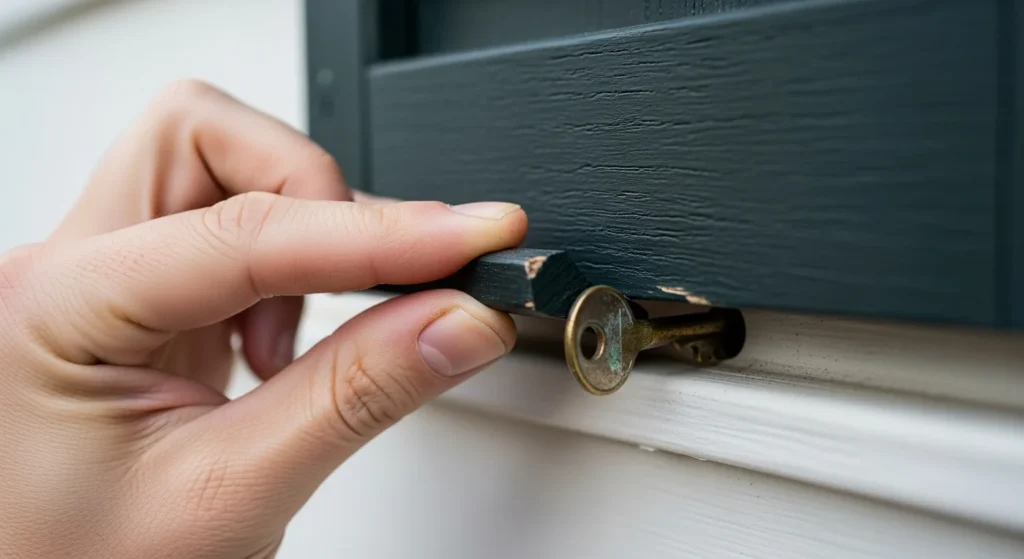
Many homes feature decorative shutters or sections of siding that can be partially loosened without causing visible damage. By carefully removing a single screw from a shutter or creating a small gap behind vinyl siding, you create a hidden pocket perfect to hide key storage. This method works exceptionally well because these architectural features appear completely normal while providing concealment in plain sight.
The key remains protected from weather while staying invisible to anyone casually observing your home. When you need access, simply reach behind the loose section, retrieve your key, and replace it after use. This approach requires a small investment of time during setup but provides long term security that far exceeds obvious hiding spots.
Inside a Buried Combination Lock Box
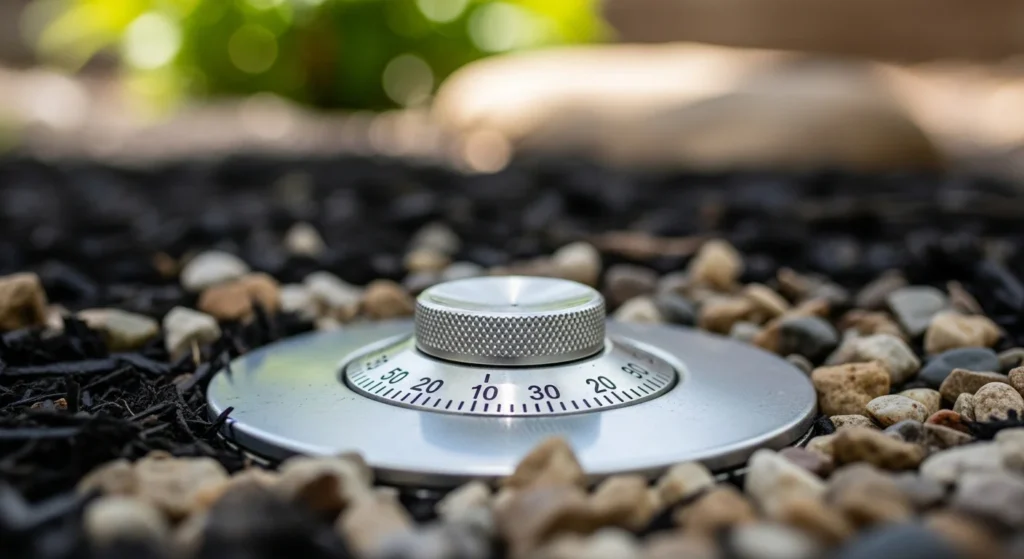
Underground lock boxes offer superior security compared to surface level hiding spots. These weatherproof containers bury flush with the ground, often disguised beneath a layer of mulch, gravel, or artificial turf. The combination lock ensures that even if someone discovers the box, they cannot access the contents without the correct code.
Installation requires digging a hole deep enough to accommodate the box while allowing the lid to sit level with the surrounding surface. Choose a location that appears natural, such as beneath landscaping rocks or near garden beds where disturbed ground seems normal. The physical security of burial combined with combination lock protection creates a formidable barrier against unauthorized access.
Within a Working Outdoor Light Fixture
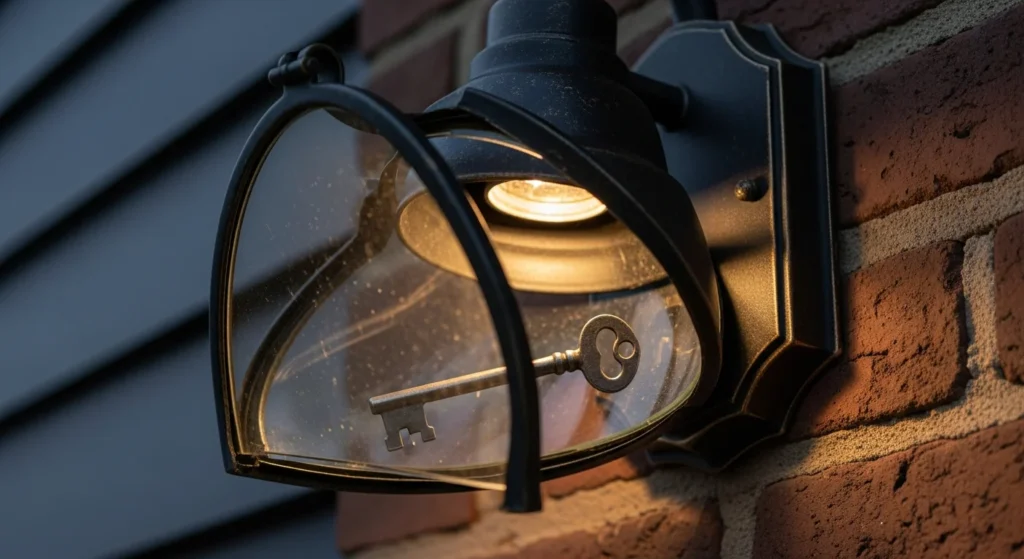
Outdoor light fixtures present an unexpected hiding location that most burglars overlook. Many wall mounted lights have enough space inside the housing to accommodate a hide keywithout interfering with the bulb or electrical components. This method requires ensuring the key stays away from any heat producing elements and positioning it where it will not rattle when the fixture experiences vibration.
Access involves simply unscrewing the fixture cover, retrieving the key, and replacing the cover. The everyday appearance of the light fixture provides excellent camouflage, and the slight inconvenience of unscrewing the cover actually enhances security by discouraging casual searchers. Just remember which light contains the key if you have multiple fixtures around your home.
Inside a Realistic Looking Sprinkler Head
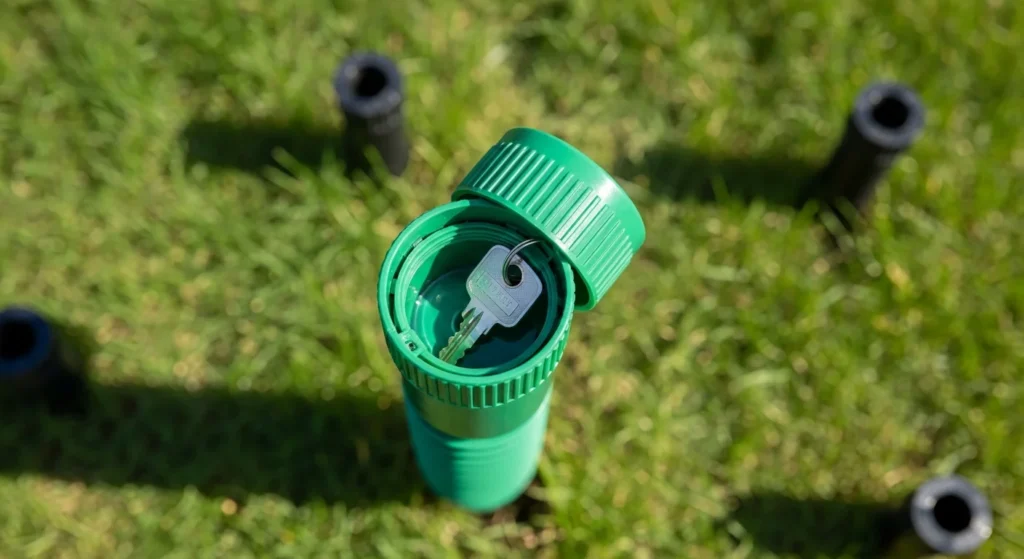
Hollow sprinkler head containers represent one of the most clever commercial hiding products available to hide key. These devices screw into the ground among your actual sprinkler heads, blending seamlessly into your irrigation system. The top unscrews to reveal a waterproof compartment sized perfectly for keys and small valuables.
The genius of this approach lies in its context. Burglars see sprinkler heads as functional landscaping equipment rather than potential hiding spots. Even if someone notices your sprinkler system, distinguishing the fake head from real ones requires close inspection that most intruders will not perform. Position the hiding sprinkler near actual irrigation components for maximum authenticity.
Attached Magnetically Under a Deck or Porch
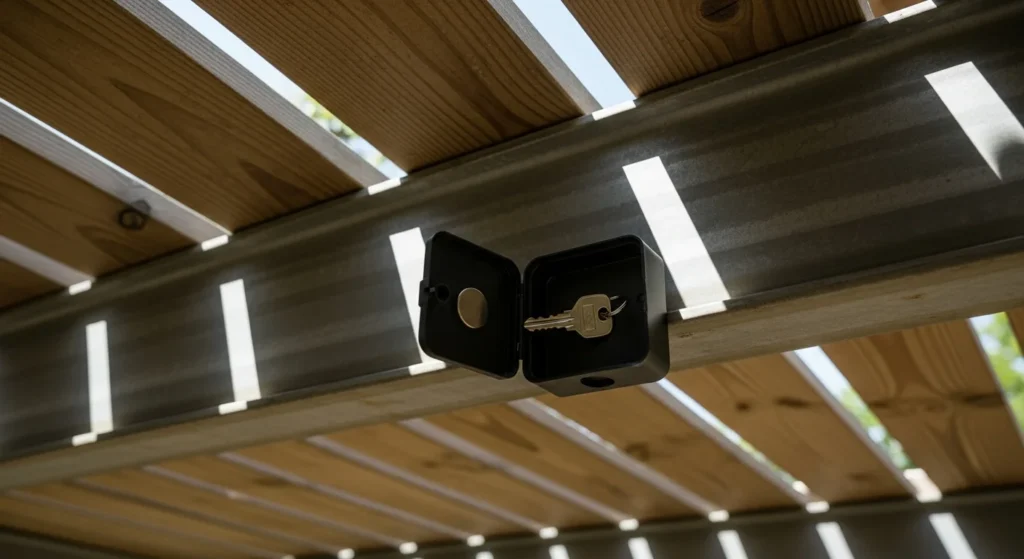
Magnetic key holders attached to the underside of decks, porches, or outdoor stairs provide quick access hide key while remaining completely hidden from view. These small metal boxes use powerful magnets to grip metal structural components, keeping your key secure even during storms or high winds. The concealment works because people rarely look underneath elevated structures when searching for hidden items.
Choose a location far enough from the edge that someone standing beside the deck cannot see the holder, but accessible enough that you can reach it without difficulty. Clean the metal surface before attaching the magnetic holder to ensure maximum grip strength. This method works best on homes with metal deck framing or support structures rather than purely wooden construction.
Inside a Hollowed Out Piece of Firewood
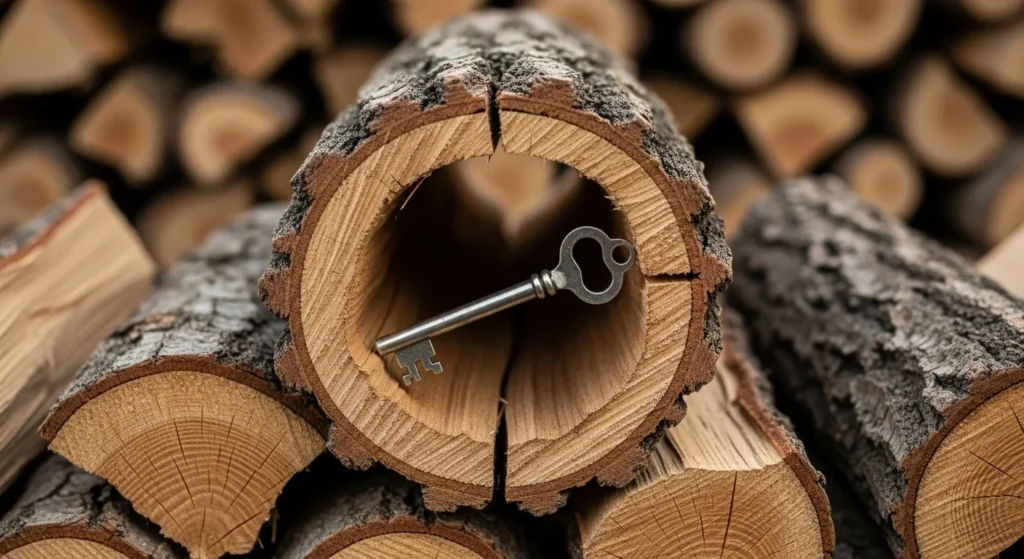
For homes with firewood stacks, creating a hollow compartment inside a realistic looking log offers exceptional concealment. This DIY project involves drilling out the center of a log section, creating a chamber large enough for your key, then covering the opening with a piece of bark that fits snugly into place. The modified log sits within your regular firewood stack, completely indistinguishable from surrounding pieces.
The natural randomness of stacked firewood makes it extremely difficult for anyone to identify which piece contains the hidden compartment. This method provides weather protection while requiring zero investment in commercial products. Just remember the unique characteristics of your hiding log to distinguish it from others when you need access.
Behind a Loose Brick or Stone
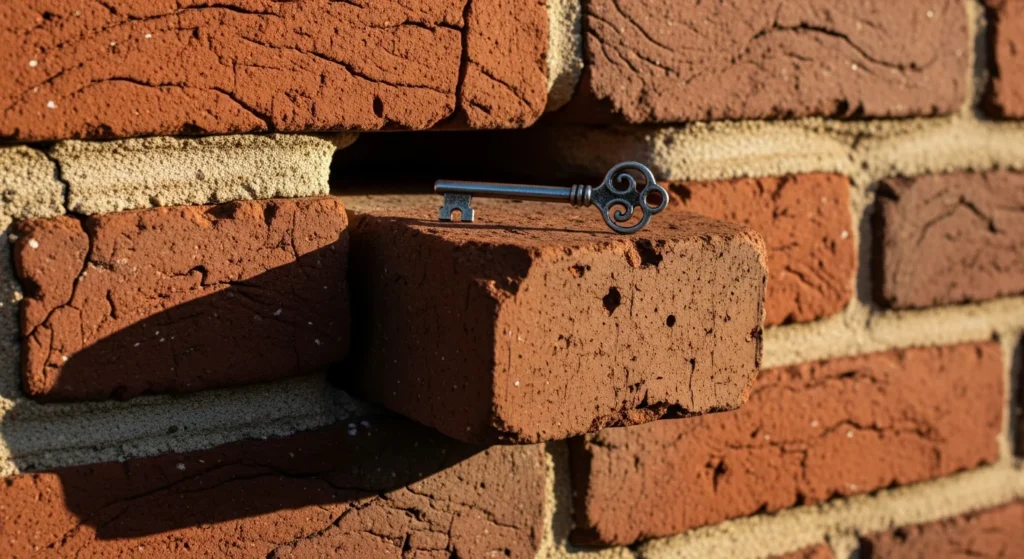
Homes with brick or stone exteriors often have mortar that can be carefully removed around a single brick or stone, creating a loose piece that pulls out to reveal a hiding space. This traditional method has survived for good reason, it works remarkably well when executed properly. The key involves choosing a brick in an inconspicuous location and making the removal and replacement process smooth enough for convenient access.
Apply a small amount of removable adhesive to keep the brick in place during normal conditions while allowing easy removal when needed. This prevents the brick from accidentally falling out while ensuring you can access your key quickly. Position your hiding brick low to the ground and away from main entrances where people naturally focus their attention.
Within a Birdhouse or Nesting Box
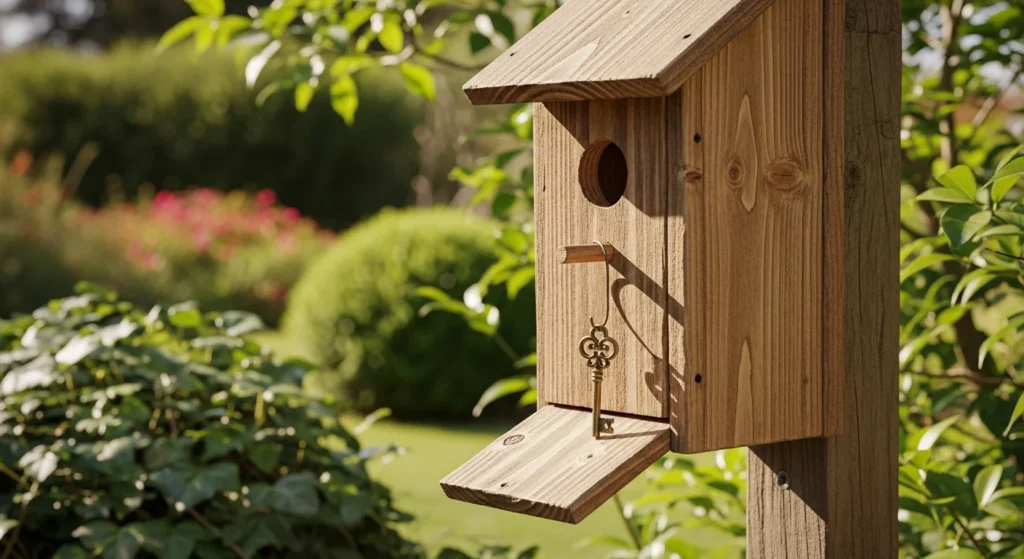
Functional birdhouses mounted on trees or posts around your property serve double duty as key hiding locations. The interior space accommodates a small waterproof container holding your key without disturbing any birds that might use the house. This method benefits from the commonplace nature of birdhouses in residential settings, making them essentially invisible to anyone searching for hidden keys.
Attach a small hook inside the birdhouse where you can hang a key ring, or use a magnetized container stuck to the interior wall. Access the key through the cleaning door that most well designed birdhouses include. The ecological benefit of providing bird habitat combines with practical security in a solution that enhances your property rather than detracting from it.
Underneath a Heavy Potted Plant
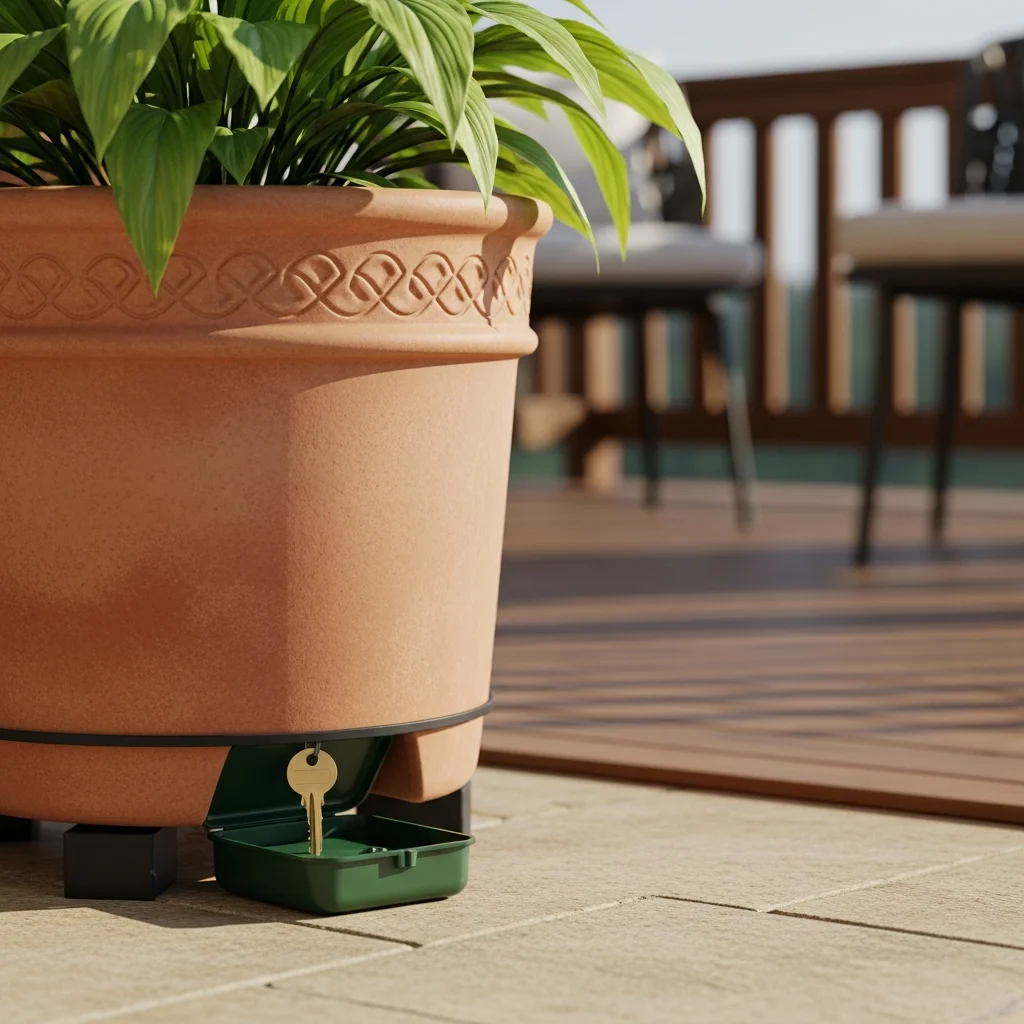
Large decorative planters create natural hiding spots beneath their considerable weight. Place a waterproof key holder or small container underneath a planter that requires two hands to lift, deterring casual searchers while remaining accessible when you need it. The key stays dry and protected while the planter serves its decorative purpose above.
Choose a planter in a location that appears natural and intentional rather than randomly placed. The weight of the pot and soil creates enough deterrence that most people will not bother lifting it to check underneath. This method works especially well with planters positioned near entrances where you naturally pause before entering the home.
Inside a Dryer Vent Cover
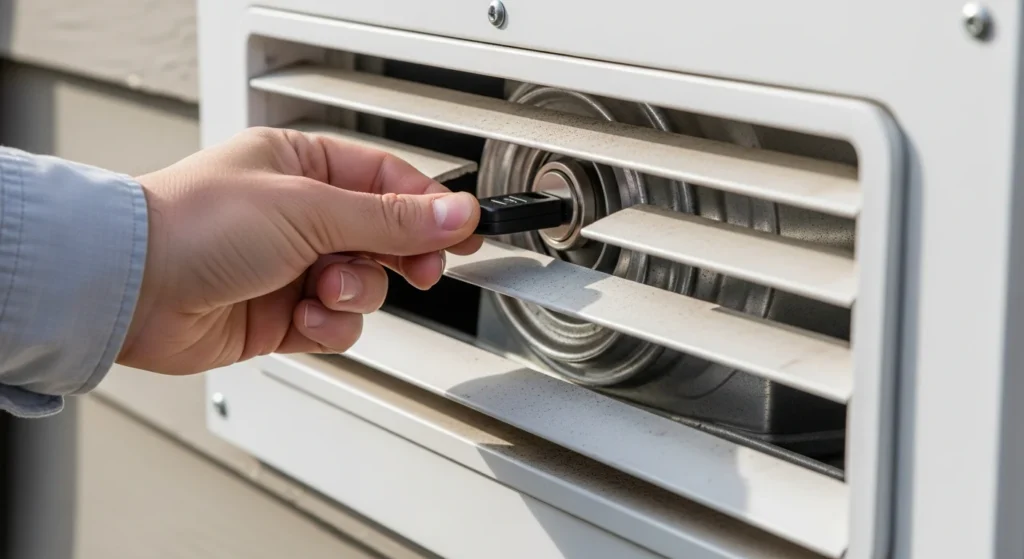
The slats of an exterior dryer vent cover can conceal a magnetic key holder attached to the vent duct just inside the opening. This location remains hidden from casual observation while staying accessible by reaching through the vent cover slats. The regular appearance of the vent cover provides perfect camouflage in a spot that receives little attention from passersby.
Ensure the magnetic holder attaches securely to the metal vent duct and positions far enough inside that it does not interfere with dryer operation or airflow. The slight inconvenience of reaching through the slats actually enhances security by making the key less accessible to quick searchers. Clean lint away from the area periodically to maintain easy access.
Within a Hollowed Out Garden Stepping Stone
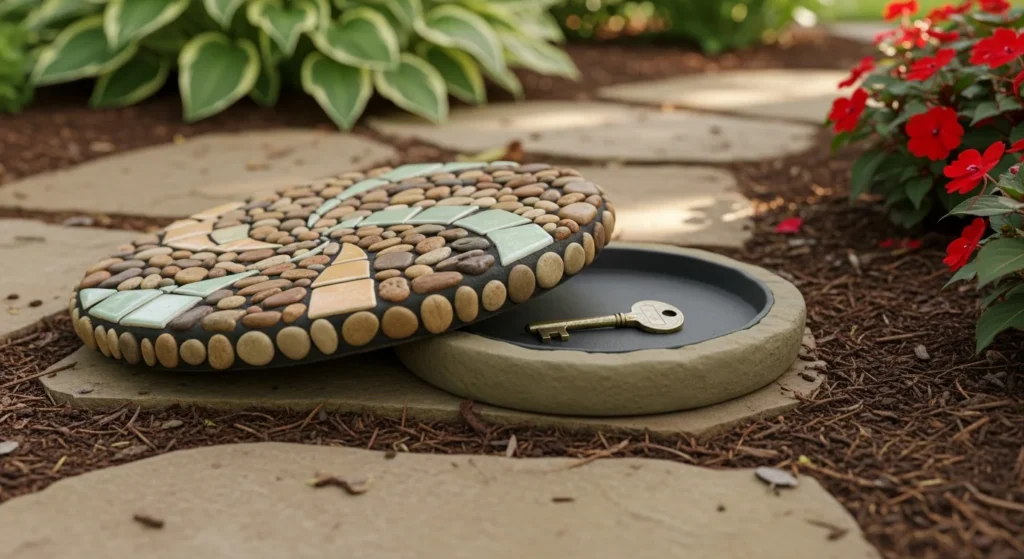
Creating or purchasing a hollow stepping stone with a concealed compartment offers a clever ground level hiding solution. These stones appear identical to surrounding pavers but contain a waterproof chamber accessed by lifting the stone. The natural placement within a garden path makes the hiding spot completely blend into the landscape design.
Position the hiding stone among several regular stones so its location does not stand out, but remember identifying features that help you locate it quickly. The weight of the stone deters casual lifting while the waterproof design protects your key from moisture. This approach combines function and security in a way that actually improves your landscaping.
Behind an Outdoor Electrical Outlet Cover
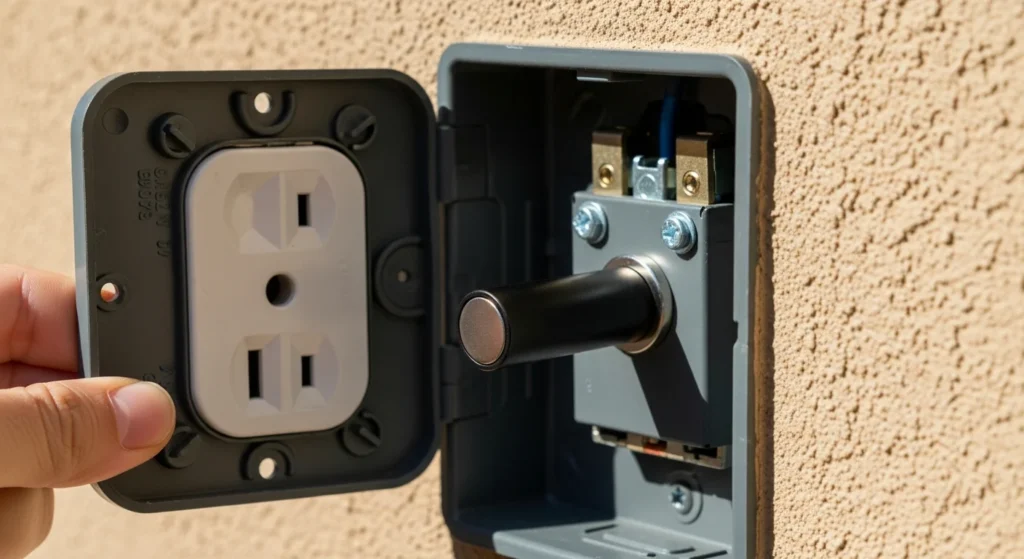
Some outdoor electrical outlets have enough depth behind the cover plate to accommodate a small magnetic key holder attached to the electrical box. This method requires caution to ensure the key holder does not interfere with electrical components or create any safety hazards. When done correctly, it provides a hiding spot that almost nobody thinks to check.
Turn off power to the outlet before installing the magnetic holder, ensuring it attaches to the metal box rather than near any wiring. The cover plate hide key everything completely while remaining easily removable with a screwdriver. This approach works best for rarely used outdoor outlets where frequent access does not draw attention to the location.
Inside a False Bottom Flower Pot
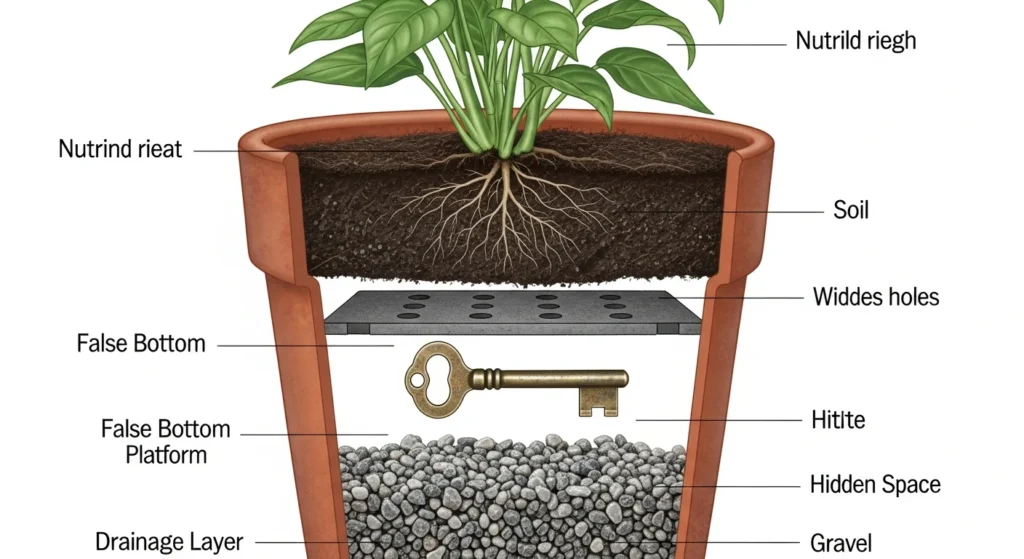
Creating a false bottom in a flower pot allows the pot to function normally while concealing a key underneath the soil level. This DIY project involves inserting a circular platform several inches below the pot rim, filling below it with gravel for drainage, then adding soil and plants above. The key rests on the false bottom, accessible by carefully removing the plant and soil layer.
This method provides excellent concealment because the pot appears to function exactly as expected, with healthy plants growing above the hidden compartment. The effort required to access the key deters quick searchers while remaining manageable when you need it. Choose a pot substantial enough that removing and replacing soil does not damage plant roots.
Attached Inside a Gutter Downspout
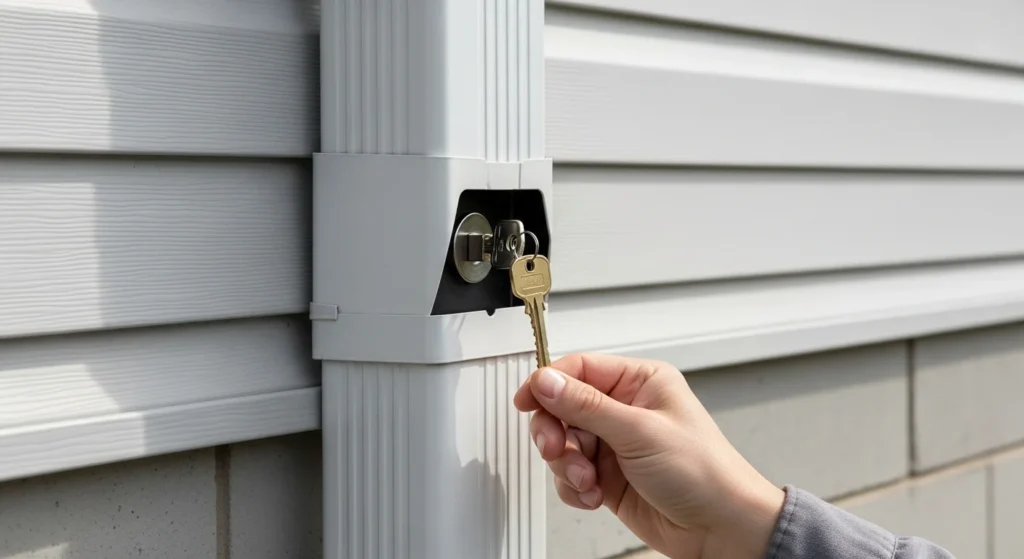
The interior of a gutter downspout offers a vertical hiding space that few people consider checking. By attaching a magnetic key holder or creating a small hook inside the downspout, you can position a key several feet above ground level where it remains dry and hidden. Access involves reaching up into the downspout opening, a motion that appears natural when done quickly.
This method works best with downspouts that have removable bottom sections or easy access points. The vertical nature of the hiding spot adds an extra dimension of security since most people search horizontally rather than thinking to check inside vertical pipes. Ensure the key attachment is secure enough to withstand rain and water flow during storms.
Within a Decorative Garden Statue or Gnome
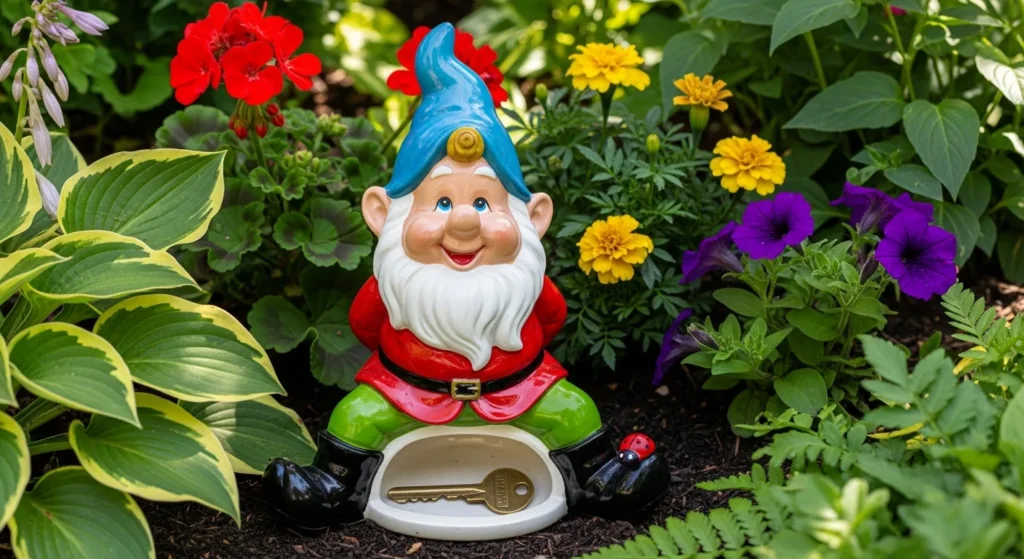
Hollow garden statues and decorative figures provide ready made hiding compartments that blend seamlessly into landscaping. Many of these items feature removable bases or access panels designed specifically for hiding valuables. The whimsical or decorative nature of garden ornaments makes them appear purely aesthetic rather than functional, providing psychological misdirection.
Position your hiding statue among other garden decorations to avoid drawing attention to a single ornament. The weatherproof construction of quality garden statues protects your key while the artistic design adds character to your outdoor space. This approach turns security into an opportunity for creative landscape design.
Modern Alternatives Worth Considering
While physical hiding spots serve their purpose, modern technology offers alternatives that eliminate the need to hide keys outside entirely. Smart locks with keypad entry allow you to share temporary codes with trusted visitors while maintaining security. These devices track access and can be controlled remotely through smartphone apps, providing convenience that traditional hidden keys cannot match.
Keyless entry systems remove the security vulnerabilities associated with hidden keys while solving the lockout problem completely. Before investing in these technologies, consider your comfort level with digital solutions and whether the added features justify the expense compared to simple hidden key methods.
Choosing the Right Method to hide key for Your Home
Selecting the best hiding method depends to hide key on your specific circumstances. Consider factors including your home’s architectural features, landscaping elements, neighborhood security level, and how frequently you need spare key access. Homes with extensive landscaping support different solutions than minimalist modern properties with limited outdoor features.
Evaluate each potential hiding spot during different times of day and from various angles to ensure it remains concealed from multiple perspectives. The best hiding location combines natural appearance, weather protection, and convenient access while requiring enough effort to deter quick searches. Sometimes combining methods, such as using both a lock box and a clever hiding location, provides additional security layers.
Maintaining Your Hidden Key System
Once you establish a hiding spot, maintain it properly to ensure long term reliability. Check weatherproofing regularly, especially after severe storms or extreme temperature changes to hide keys. Replace containers or holders that show signs of wear before they fail completely. Keep the hiding area clean and natural looking to avoid drawing attention through neglected appearance.
Periodically test your access to the hidden key, ensuring you can retrieve it quickly during an actual emergency. Consider changing hiding locations occasionally if you suspect anyone unauthorized might have discovered your spot. Update trusted family members about location changes to maintain the system’s usefulness for legitimate access needs.
Conclusion
Hiding a spare key outside your home requires balancing security concerns with practical access needs. The methods outlined above move far beyond the obvious hiding spots that burglars check first, offering creative solutions that blend into your property’s existing features. Whether you choose a commercial hiding product, implement a DIY solution, or combine multiple approaches, the key to success lies in thinking from a burglar’s perspective while making access convenient for yourself.
Remember that no hiding method provides absolute security. The goal involves creating enough difficulty and requiring enough time that a potential intruder moves on to easier targets. By selecting an appropriate hiding method for your specific situation and maintaining it properly, you create a practical solution to lockout emergencies while minimizing security risks. Consider your unique circumstances, available hiding locations, and personal preferences to implement a system that provides peace of mind along with reliable access to your home.
Frequently Asked Questions
What is the most secure way to hide key outside?
Buried combination lock boxes offer the highest security for outdoor key storage. The physical barrier of burial combined with combination lock protection creates two security layers that deter most intruders. Position the box in an inconspicuous location beneath landscaping elements for maximum concealment.
Should I tell my neighbors where I hide key?
Only share your hiding spot with people you trust completely, such as immediate family members or very close friends. Well meaning neighbors might inadvertently reveal the location through casual conversation. Instead, consider giving trusted neighbors an actual spare key to keep inside their home for emergencies.
How often should I change my key hiding location?
Change your hiding location if you suspect anyone unauthorized has discovered it, after home service visits where workers had extended property access, or every six to twelve months as a general security practice. Regular changes prevent long term pattern recognition that could compromise security.
Are fake rocks good for hiding keys?
Standard fake rocks have become too well known to burglars and should be avoided. However, high quality hollow rocks that match your actual landscaping materials can work if positioned naturally among real rocks rather than sitting obviously alone. The key involves making the fake rock indistinguishable from its surroundings.
What should I do if I lose my hidden spare key?
Immediately replace your home locks if you cannot locate a hidden spare key, especially if it went missing under suspicious circumstances. The cost of rekeying locks is minimal compared to the security risk of an unknown person potentially finding your key with your address attached. Prevention through secure hiding methods avoids this problem entirely.


One Comment