15 DIY Garden Gate Ideas Using Wire
Introduction
A garden gate is one of those features that quietly does a great deal of heavy lifting. It keeps deer, rabbits, and neighborhood dogs out of your carefully tended beds. It defines the boundary of your outdoor sanctuary. It greets every visitor with a first impression of what lies beyond. And when it is built with wire, either as the primary material or as an infill panel within a wooden or metal frame, it becomes a project that is both deeply practical and surprisingly creative.
Wire gates have been a staple of homesteads, cottage gardens, and backyard vegetable plots for generations. The appeal is straightforward: wire is affordable, durable, and transparent enough to let light filter through while still providing a real physical barrier. Whether you prefer the look of galvanized welded mesh against cedar posts or the softer silhouette of a chicken wire panel in a painted wood frame, there is a design on this list that will suit your garden, your skill level, and your budget.
What follows is a thorough collection of 15 wire garden gate ideas, complete with practical construction guidance, material choices, and design insights gathered from years of watching homeowners build things that last. Some of these ideas are beginner-friendly weekend projects. Others require a bit more planning and a few extra tools. All of them are worth your time.
Why Wire Works So Well for Garden Gates
Before getting into the specific ideas, it helps to understand why wire is such a reliable choice for garden gate construction. Unlike solid wood panels, wire allows airflow and visibility. Plants near the gate do not suffer from reduced sunlight, and you can see what is happening on the other side without opening it. Wire also adds less weight than solid materials, which means less stress on the hinges and posts over time.
Galvanized wire, in particular, resists rust and corrosion for years, even in rainy climates. Welded wire mesh holds its shape better than twisted varieties. Chicken wire, while not as rigid, is flexible enough to wrap around curves and arches with ease. Each type of wire brings its own character to a gate, and matching the right wire to the right frame design is where the real creativity begins.
1. Classic Cedar Frame with Welded Wire Mesh
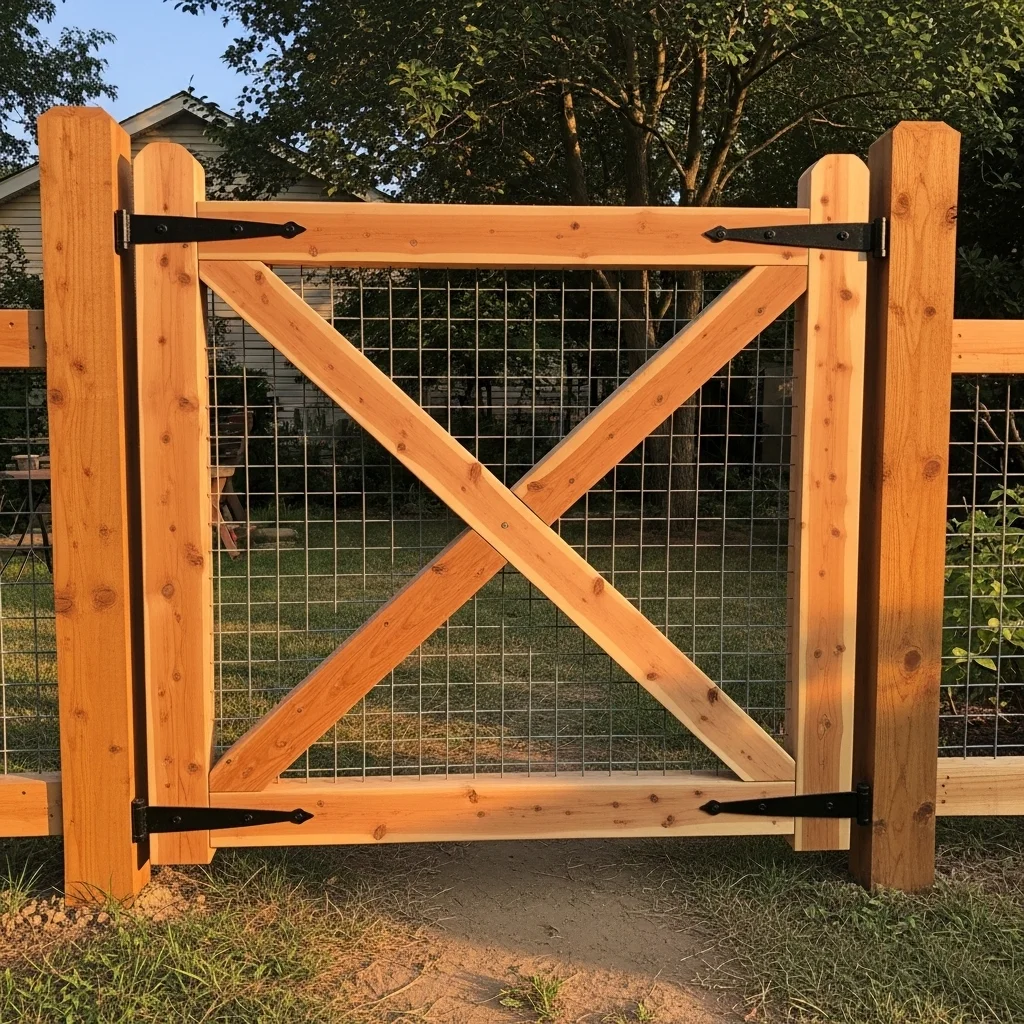
The most common and reliable wire gate design starts with a cedar wood frame. Cedar is naturally rot-resistant and holds fasteners well without splitting. Build a simple rectangular frame using two-by-four lumber, cut to your desired gate width, typically between 36 and 48 inches. Cut welded wire mesh to fit the interior of the frame and secure it using a staple gun with one-and-a-half-inch galvanized staples. Add a diagonal cross brace running from the lower hinge corner to the upper latch corner to prevent sagging over time. Install heavy-duty hinges and a spring-loaded latch, and you have a gate that will hold up for a decade without complaint.
2. Chicken Wire and Reclaimed Wood Gate
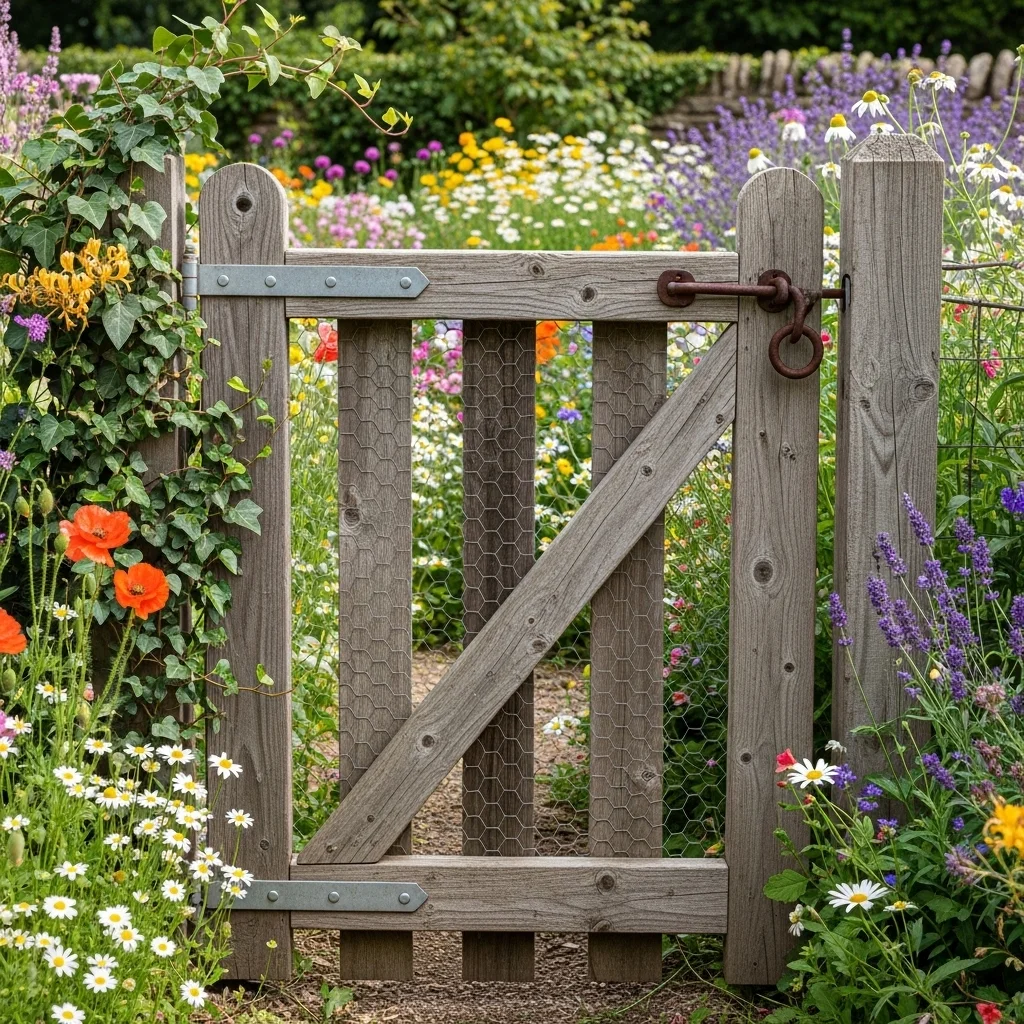
If you have access to old fence boards, pallet wood, or any reclaimed timber, a chicken wire infill gate is a satisfying project that costs very little. The frame does not need to be perfectly uniform since the rustic look is the entire point. Stretch chicken wire across the inside of the frame and staple it in place, pulling it taut before each staple to eliminate any sagging. A simple hook-and-eye latch keeps it closed. This design works beautifully in cottage gardens where the informal aesthetic complements informal planting.
3. Arched Wire Gate with Climbing Roses

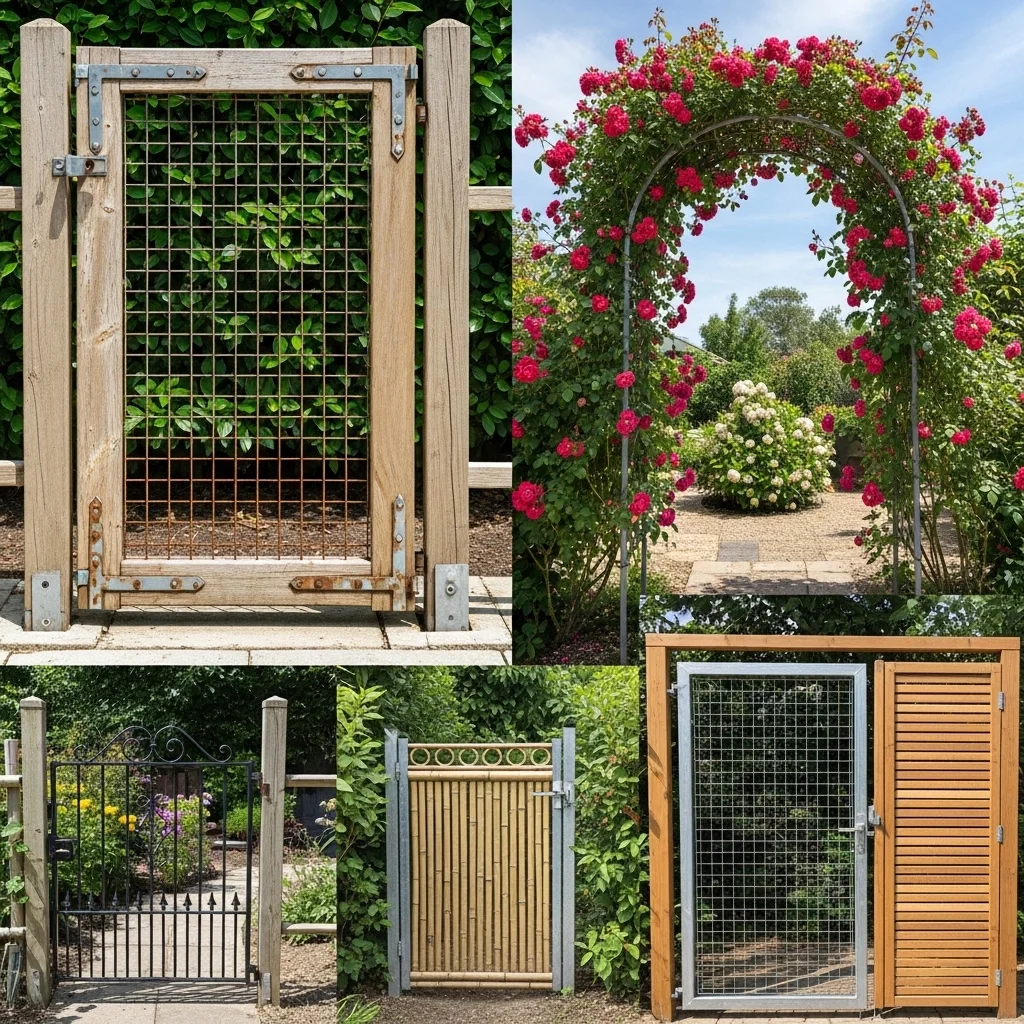
For a garden entrance that makes a statement, build a gate with a curved arched top and train climbing roses through the wire as they grow. Use flexible metal conduit or bent rebar to form the arch, then attach wire mesh to the frame. The key is using wire with an open enough weave that rose canes can be threaded through without cutting them back too aggressively. Within two to three growing seasons, the roses will soften the metallic lines completely, creating an entrance that looks like something out of a heritage garden in the English countryside.
4. Hog Wire Panel Gate in a Modern Wood Frame
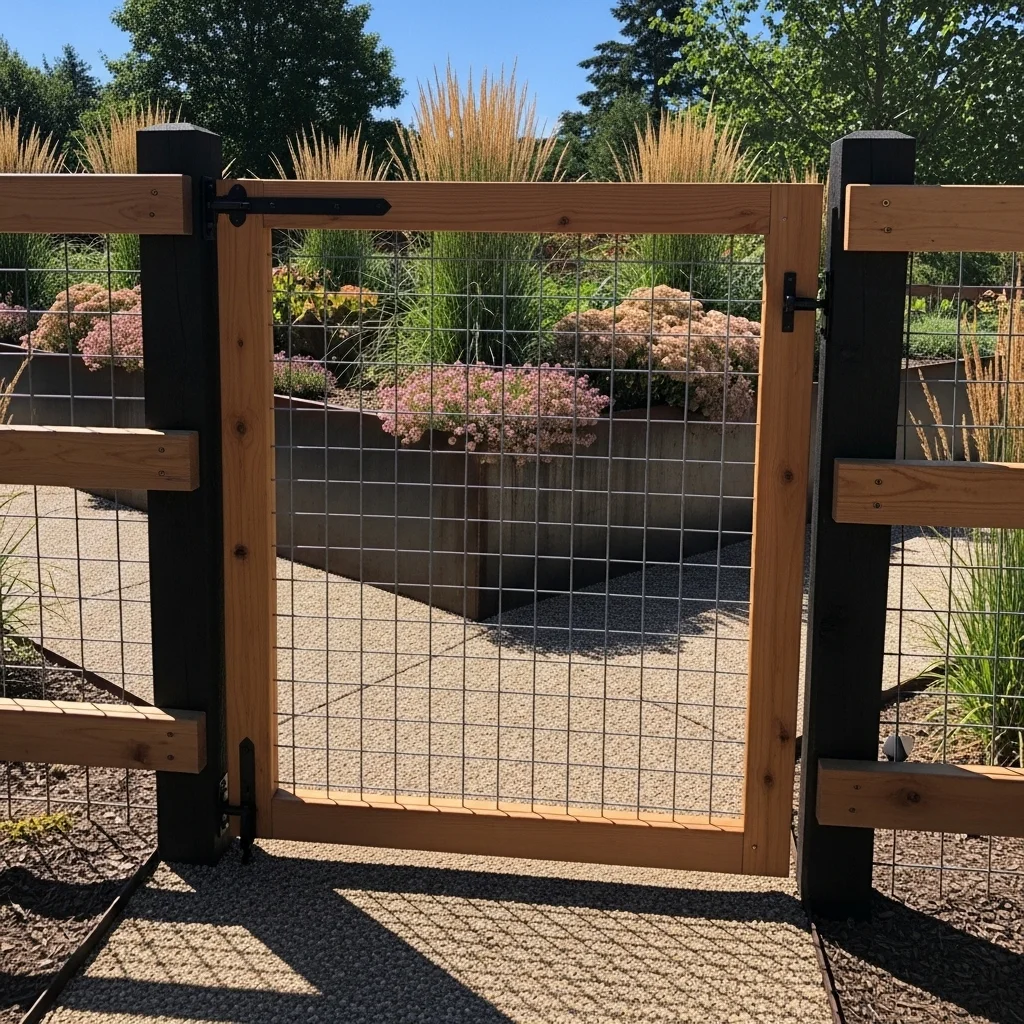
Hog wire, also called livestock panel wire, has become one of the most popular choices for contemporary garden fencing and gates. The large square openings give it a clean, architectural quality that pairs well with modern cedar or Douglas fir frames finished in black stain. Cut the hog wire panel to fit snugly inside the frame and secure it with fence staples along every point of contact. Because hog wire is thicker than standard chicken wire, the result is a gate that feels substantial and polished. It suits raised-bed vegetable gardens and urban back gardens equally well.
5. Wire Mesh Gate with a Painted Black Steel Frame
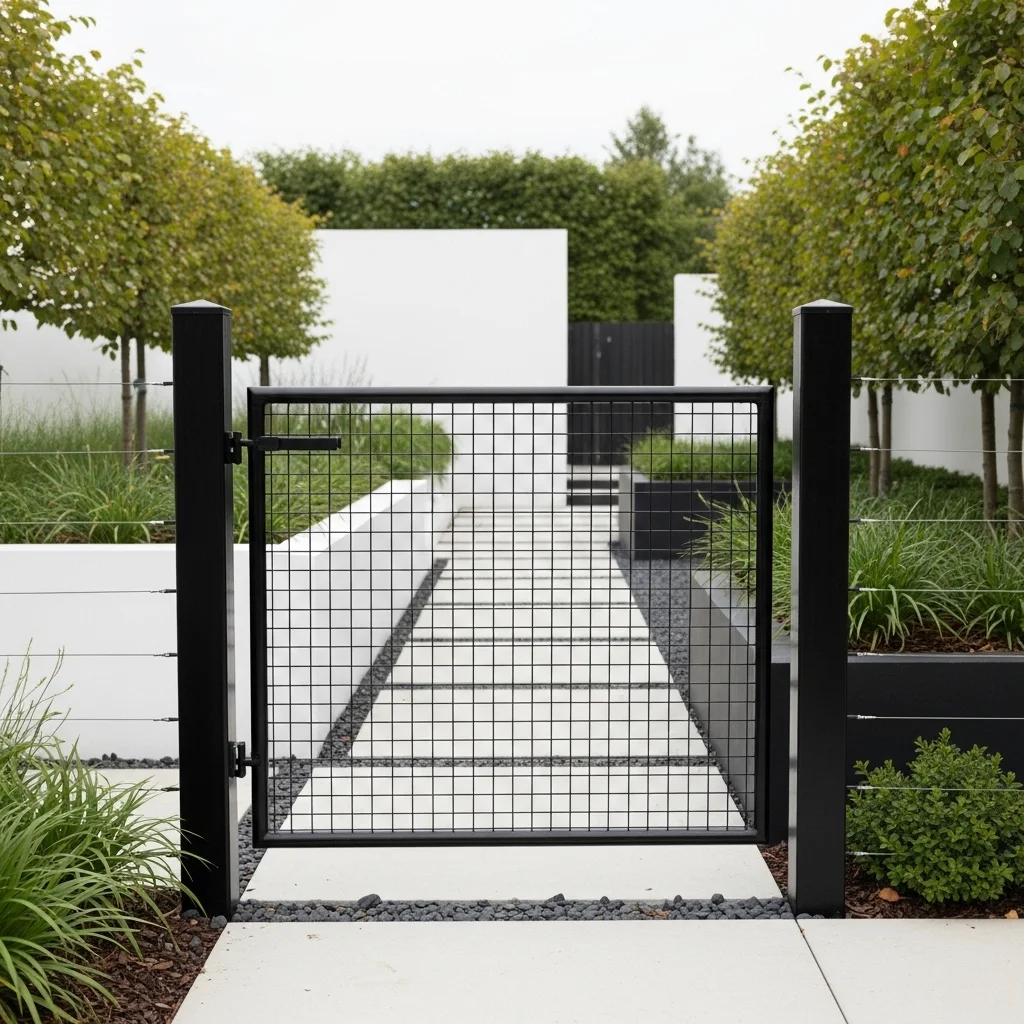
For gardeners who prefer an industrial or contemporary look, a steel tube frame filled with welded wire mesh is a sharp, long-lasting option. Use one-inch square steel tubing to weld or bolt together a rectangular frame, then attach fine wire mesh inside it. Finish the entire gate with a coat of black metal spray paint or powder coating for weather protection. The result is a gate that looks intentional and professional. Pair it with steel fence posts set in concrete for a fully cohesive design.
6. Free-Standing Deer-Proof Gate
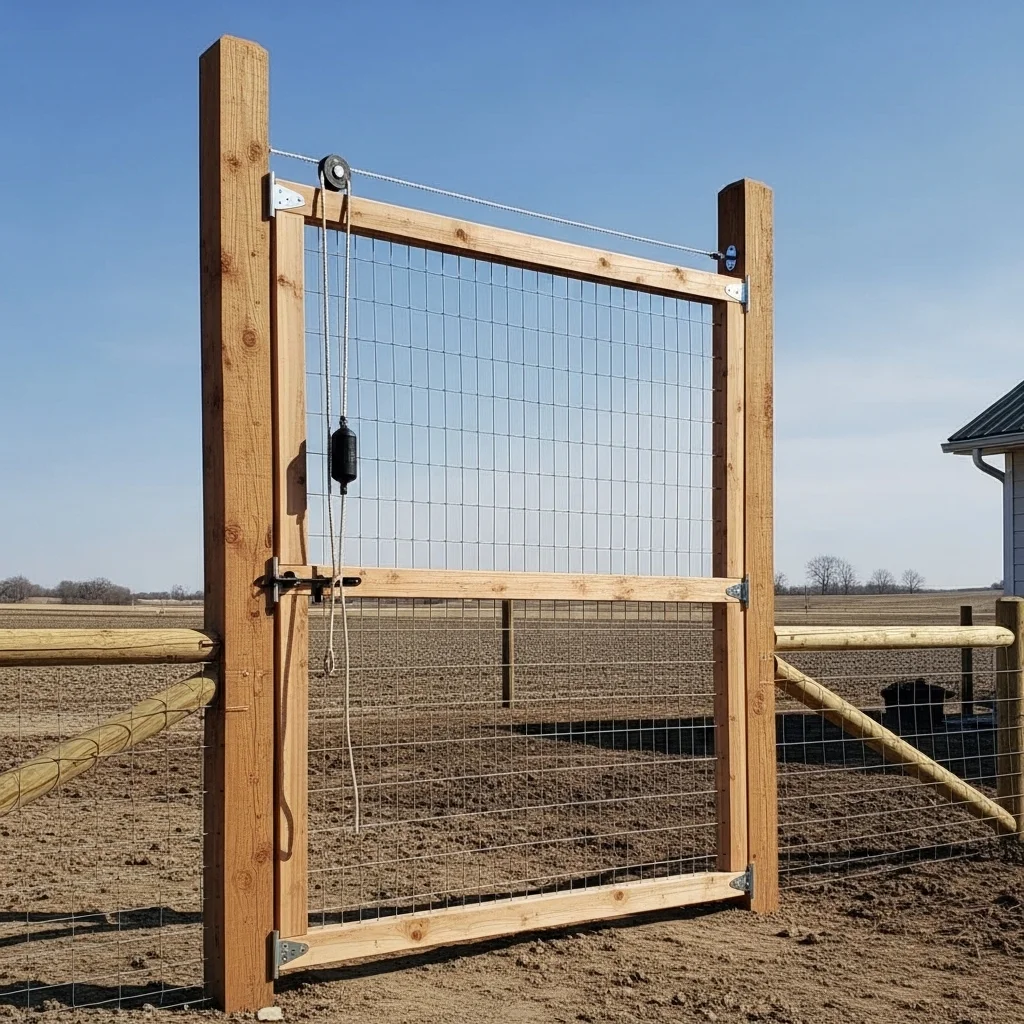
Gardens that need protection from deer require gates that are taller than the standard 48 inches. A free-standing deer-proof gate typically stands between 6 and 8 feet tall and attaches to a deer fence made from lightweight metal mesh. Build the main frame from four-by-four cedar posts and two-by-four rails, then attach tall sections of deer fencing wire along the full height of the gate. A weighted rope-and-pulley closure system ensures the gate swings shut automatically even when hands are full of tools or harvested vegetables. This design is particularly valuable on rural properties where deer pressure is constant.
7. Bamboo and Wire Fusion Gate

A bamboo frame with wire infill brings a calm, Zen-inspired quality to any garden entrance. Bamboo poles are lightweight, naturally weather-resistant, and easy to work with using basic tools. Lash the poles together at the joints using heavy-gauge garden wire, creating a frame that feels organic rather than manufactured. Then attach finer wire mesh across the interior to provide a functional barrier. Finish the wire lashing with a few decorative wraps for visual texture. This gate design works best in gardens with an Asian-inspired planting scheme or a naturalistic cottage feel.
8. Pallet Wood Gate with Wire Infill
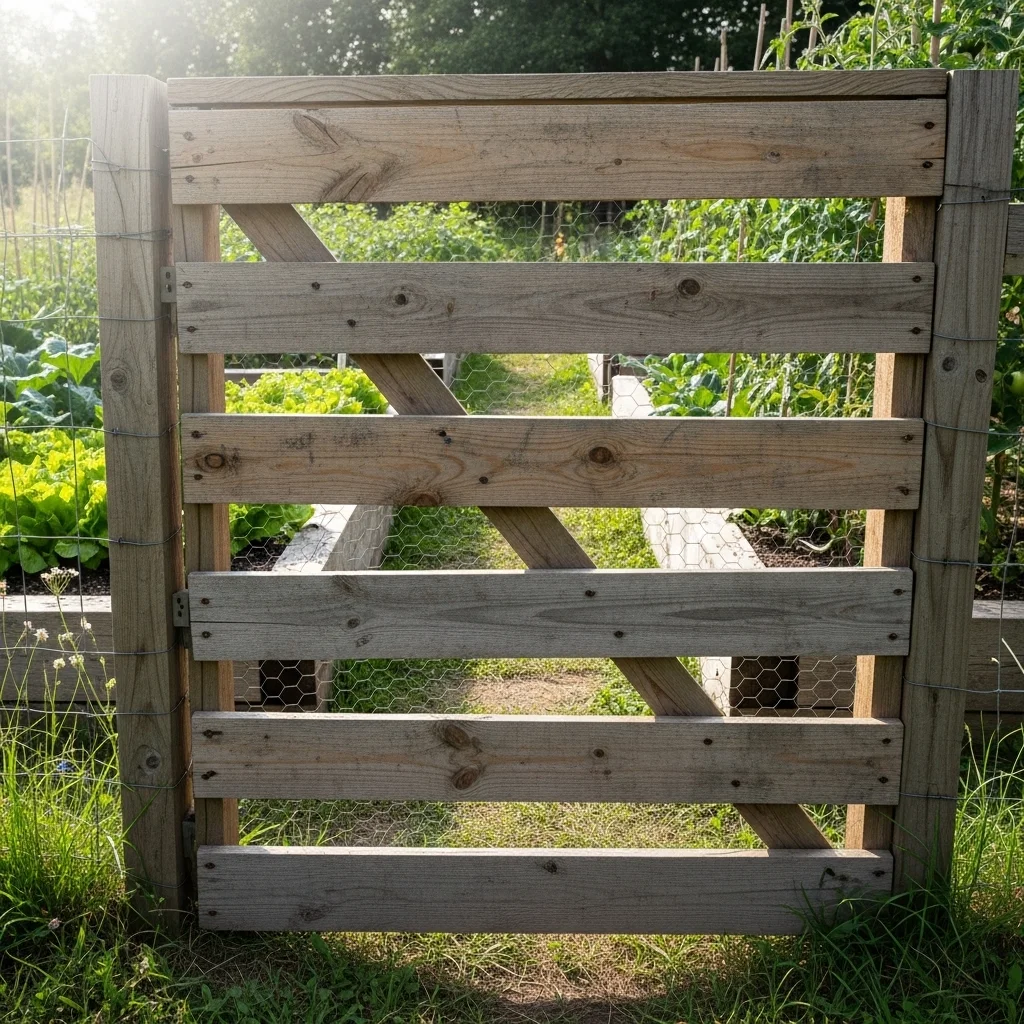
One of the most budget-conscious wire gate ideas involves taking apart a wooden shipping pallet and using the planks to build a gate frame. The planks are pre-cut to consistent widths and are usually made from hardwoods that are surprisingly durable. Fill the gaps between planks with chicken wire or hardware cloth stapled to the back of the frame. The result is a gate that combines the solid look of a wooden design with the pest-excluding benefits of wire coverage along every opening. This idea suits vegetable gardens and urban allotment spaces where materials are often sourced creatively.
9. Wire Gate with Decorative Ironwork Accents

Repurposed wrought iron pieces, found at salvage yards or flea markets, can be combined with wire mesh to create a gate with genuine vintage character. Weld or bolt iron scroll panels to a basic steel or timber frame, then fill the remaining open sections with galvanized wire mesh. The contrast between the ornate ironwork and the utilitarian wire creates a layered visual effect that looks far more expensive than it actually is. This type of gate is particularly at home in formal cottage gardens or heritage-style properties where architectural detail matters.
10. Hardware Cloth Gate for Small Animal Protection
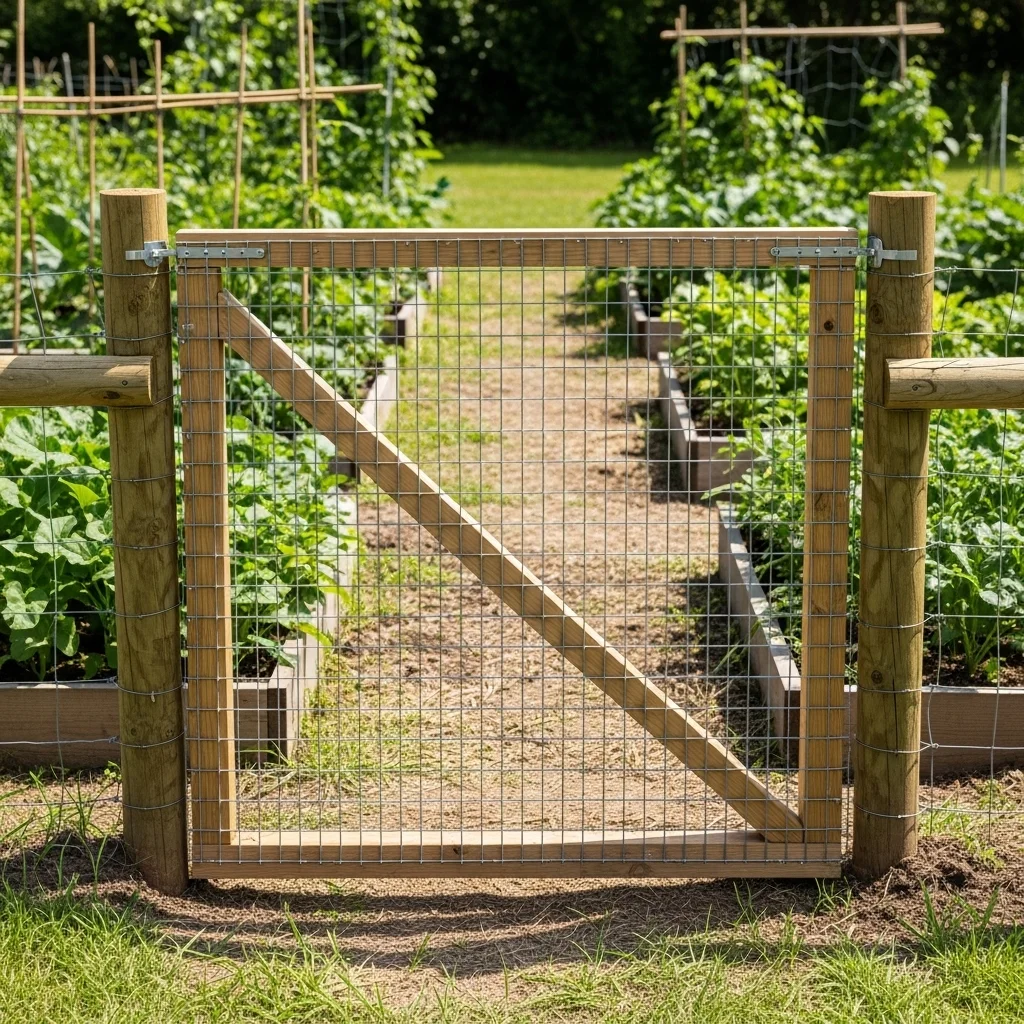
Hardware cloth, which is a tightly woven galvanized wire with very small openings, is the right choice when the goal is to exclude small animals such as rabbits, mice, or squirrels. Build a standard timber frame and cover it entirely with hardware cloth, stapling it securely every four to six inches around the perimeter. Bury several inches of the wire underground along the bottom edge of the gate posts to prevent animals from digging underneath. This is particularly important for kitchen gardens where root vegetables and leafy greens attract persistent wildlife.
11. Double Gate with Central Wire Panel
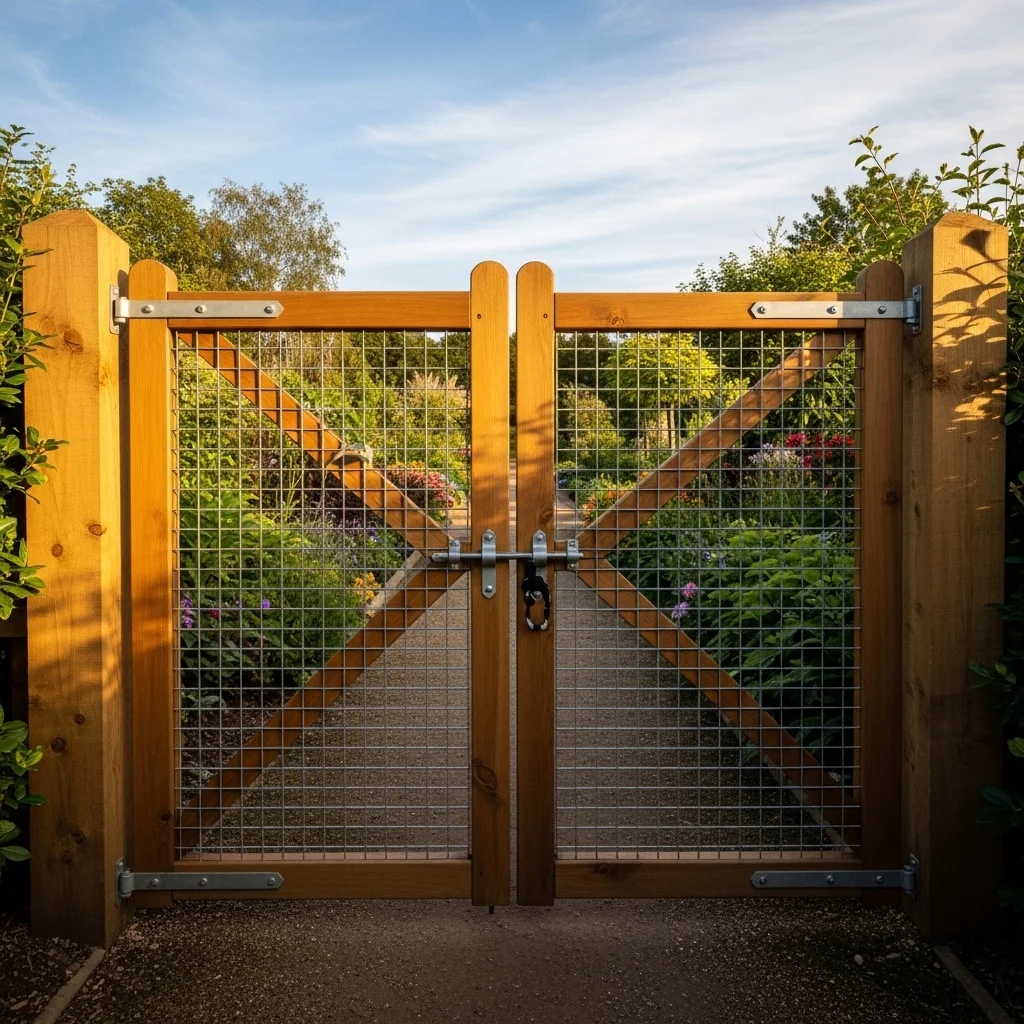
For wider garden entrances, a double gate design offers both practicality and visual balance. Build two identical frames of equal width, fill each with wire mesh, and hang them from posts on opposite sides of the opening with hinges facing inward. A central barrel bolt holds both gates together when closed. The two-panel design suits entrances wide enough for a garden cart or wheelbarrow to pass through easily, which is typically anything over 48 inches.
12. Rustic Post and Rail Gate with Wire Backing
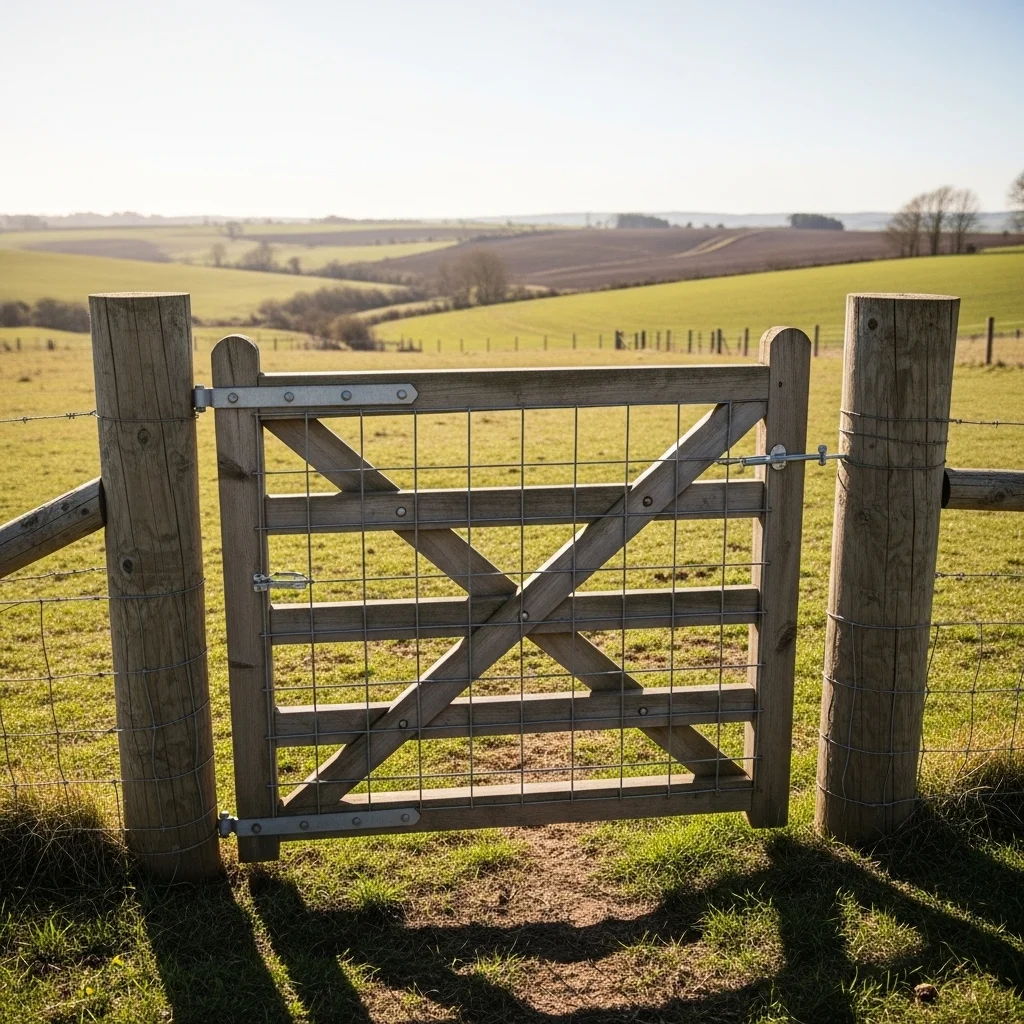
A post-and-rail design uses horizontal rails attached between two upright posts to create the gate frame, mimicking traditional farm fencing. Attach galvanized wire mesh or welded wire to the back of this frame to transform the decorative structure into a functional barrier. The wire disappears visually against the rails, allowing the rustic wooden look to dominate while still keeping livestock and wildlife where they belong. Finish the timber with a tinted exterior oil to bring out the natural grain.
13. Painted Wire Gate with Trellis Topper
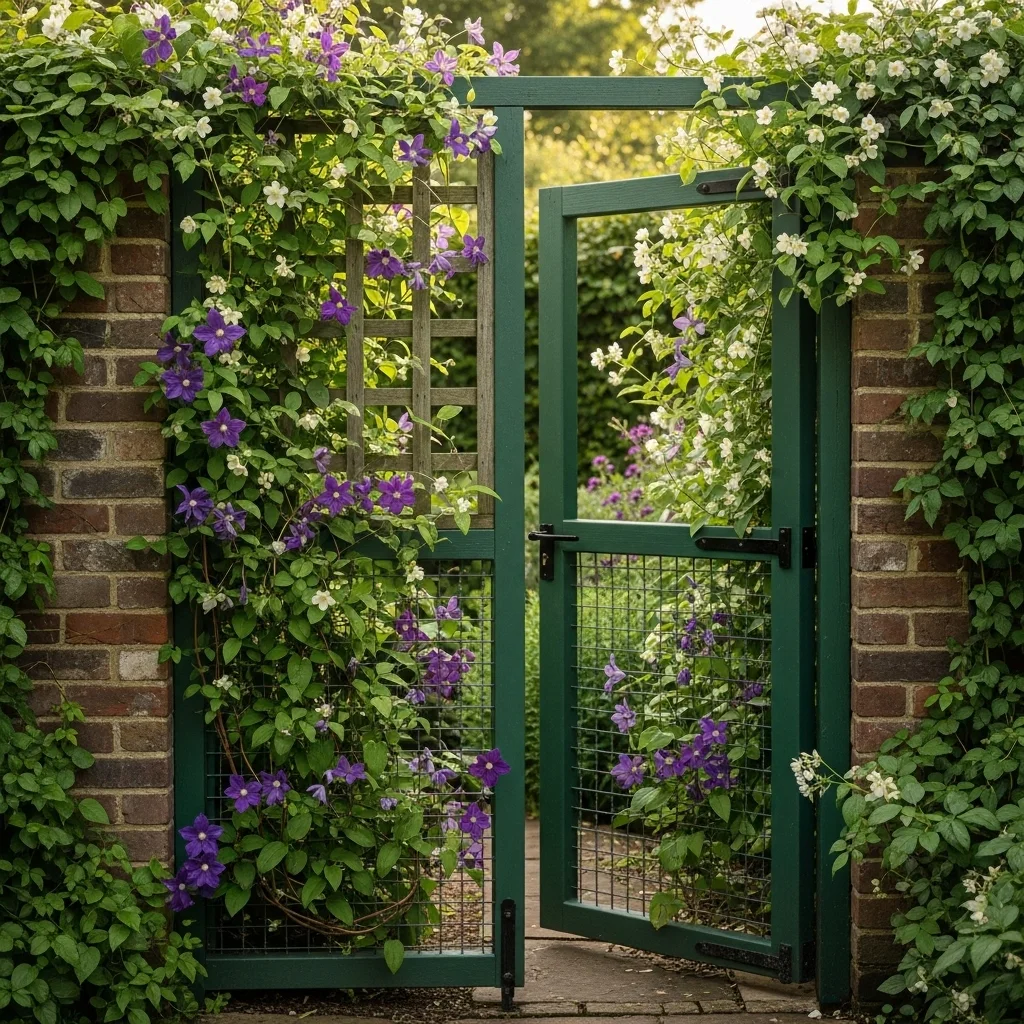
Add height and visual interest to a standard wire gate by attaching a wooden trellis panel above the main gate frame. Build the lower portion as a wire-filled rectangular frame, then add a narrower open trellis section across the top. Train climbing plants such as clematis, jasmine, or sweet peas through both the wire and the trellis. Paint the entire structure in a bold heritage color, deep green, slate blue, or charcoal, to make it a genuine focal point rather than just a functional barrier. This idea works in both formal and informal garden settings.
14. Chain-Link Gate with Timber Posts
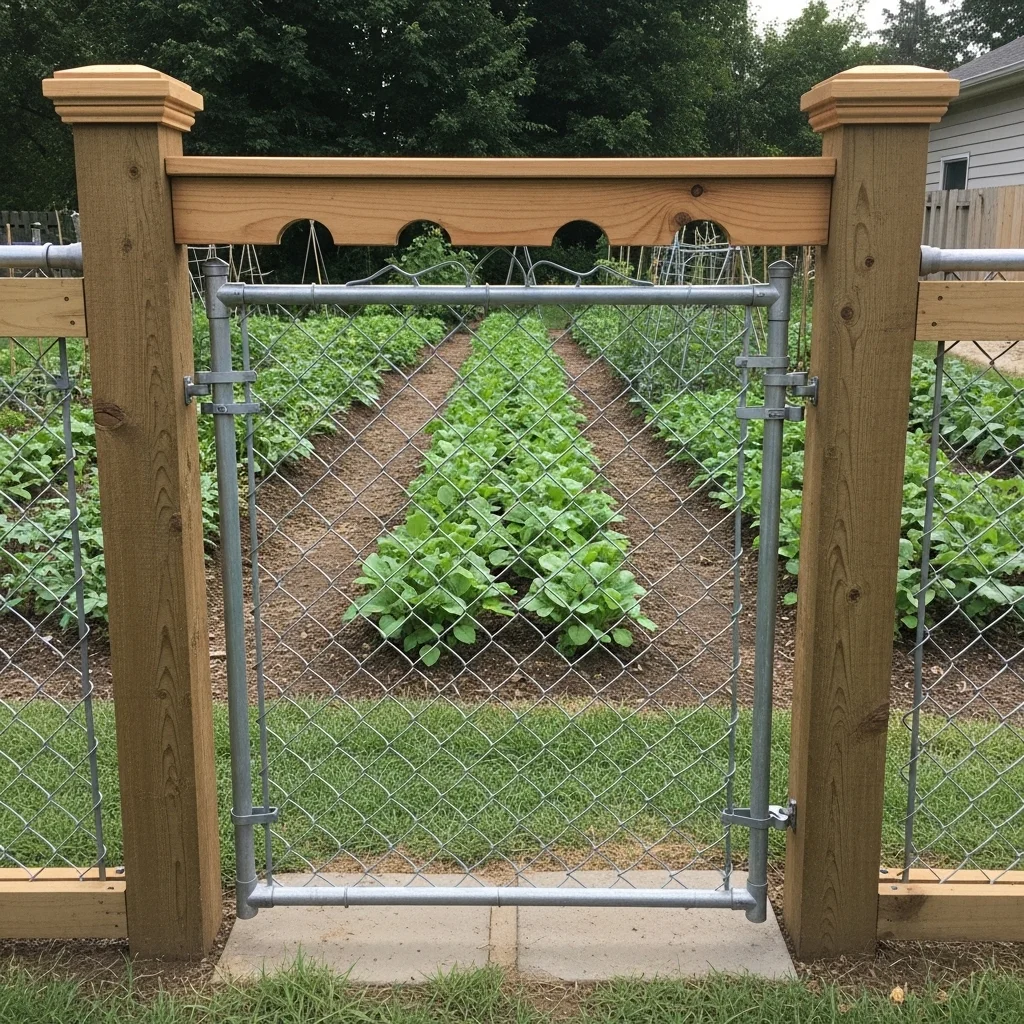
Chain-link is one of the most durable wire materials available and is often overlooked for residential garden gates because it is associated with industrial settings. However, when set within timber posts and topped with a decorative wooden cap rail, chain-link takes on a completely different character. It provides excellent visibility and airflow, requires almost no maintenance, and resists impact from both wildlife and heavy weather. For vegetable gardens on larger plots, a chain-link gate suspended between solid timber posts is one of the most reliable long-term solutions available.
15. Wire Gate with Integrated Planter Box
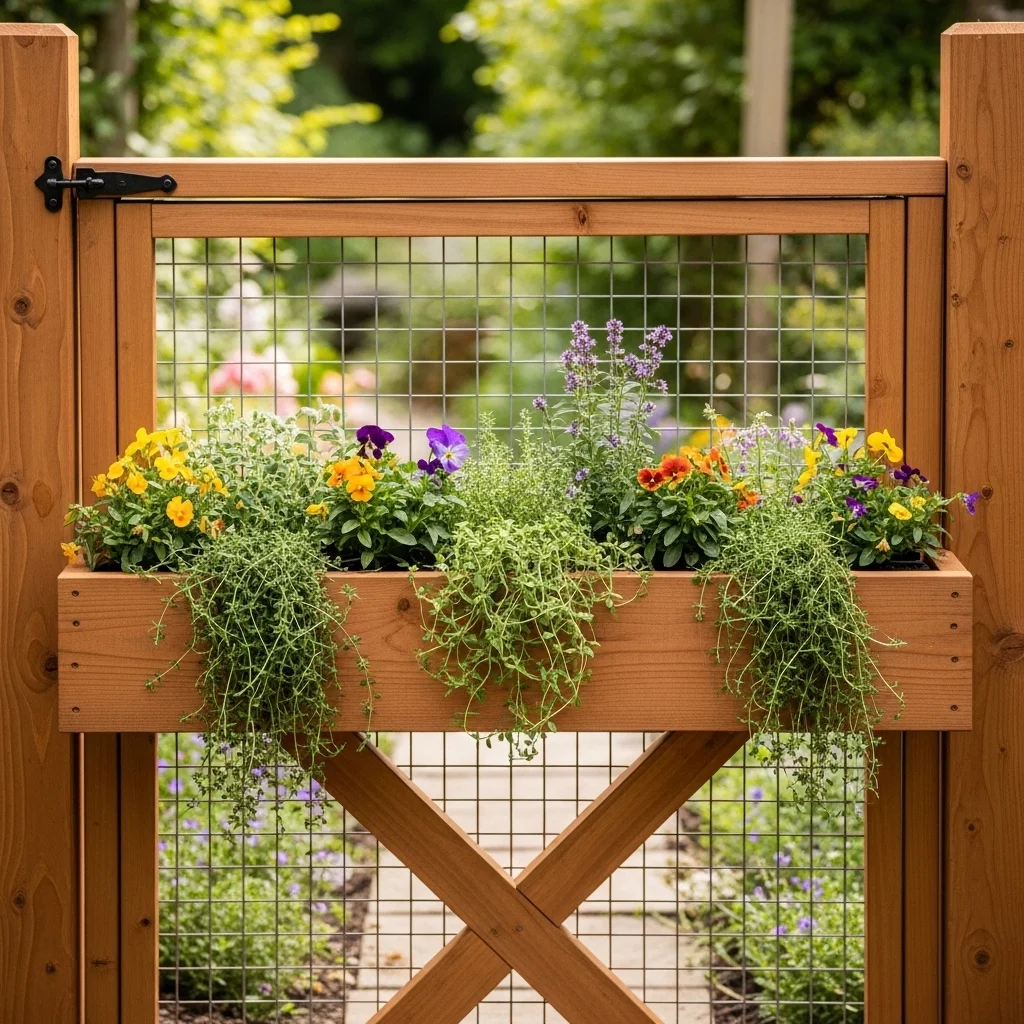
The most creative design on this list combines function and decoration by attaching a small planter box to the front face of a wire gate. Build a standard timber and wire frame, then mount a shallow cedar box along the lower rail on the exterior-facing side. Fill it with trailing plants, herbs, or seasonal flowers. The gate becomes a living piece of garden art that changes with the seasons. Use lightweight soil mix to keep the weight manageable for the hinges, and make sure the box has drainage holes to prevent water pooling against the timber frame.
Essential Tips for Building Any Wire Garden Gate
Regardless of which design you choose, several principles apply across all wire gate projects.
Always set gate posts in concrete for stability. The hinge post in particular takes constant stress from the weight and motion of the gate, and a post that is not firmly anchored will cause the gate to sag within a year. Use posts that are at least four inches square and set them at least 18 inches into the ground, deeper in colder climates where frost heave is a concern.
Choose galvanized hardware throughout. Hinges, screws, staples, and latches that are not rated for exterior use will rust and fail far sooner than the timber or wire they are attached to. Stainless steel is even better in coastal environments where salt air accelerates corrosion.
Install a diagonal brace on every gate. The brace should run from the lower hinge corner to the upper latch corner, not the other way around. This orientation resists the gravitational pull that causes gates to drop on the latch side over time. For more insights visit Homeliaa.
Make the gate slightly narrower than the post opening, leaving approximately one inch of clearance on either side. This prevents the gate from binding when the timber swells during wet weather.
Conclusion
Building a garden gate with wire is one of those projects that rewards both patience and imagination. Whether you are constructing a simple chicken wire panel in a reclaimed wood frame or commissioning a sweeping arched entrance with climbing roses threaded through galvanized mesh, the principles remain the same: choose durable materials, build a solid frame, set your posts properly, and match the design to the character of the garden it serves.
The 15 ideas in this article represent the full range of what is possible with wire as a primary or supporting material, from the utilitarian to the genuinely beautiful. Start with a design that matches your current skill level, and do not be afraid to add decorative elements as confidence grows. A gate you built yourself, that holds up through seasons and years, is one of the most satisfying things a gardener can add to an outdoor space.
Frequently Asked Questions
1. What type of wire is best for a garden gate?
Welded wire mesh is generally the best all-around choice for garden gates because it holds its shape, resists rust when galvanized, and provides a clean finished appearance. For smaller animal exclusion, hardware cloth with very tight openings is the better option.
2. How wide should a garden gate be?
A standard garden gate is between 36 and 48 inches wide. If you need to move a wheelbarrow or garden cart through regularly, aim for at least 36 inches. For wider openings, consider a double gate design to prevent sagging.
3. Do I need to set gate posts in concrete?
Yes, particularly the hinge post. Concrete anchoring prevents the post from shifting over time, which is the most common cause of a gate that starts to drag or fail to close properly. The latch post benefits from concrete anchoring as well.
4. How do I prevent a wire gate from sagging?
Install a diagonal cross brace running from the lower hinge corner to the upper latch corner. This is the single most effective way to prevent gate sag. Using heavy-duty hinges rated for the weight of the gate also helps significantly.
5. Can I build a wire garden gate without welding skills?
Absolutely. Most DIY wire garden gates use timber frames with wire mesh stapled or screwed into place. No welding is required. Metal tube frames can also be bolted together using connectors and fittings available at most hardware stores.