19+ Stunning Free Motion Embroidery Ideas to Try Today
Introduction:
Free motion embroidery ideas ,is one of those rare crafting techniques that feels equal parts liberating and rewarding. Unlike standard embroidery where every stitch follows a predetermined path, free motion embroidery hands complete creative control back to you. With the feed dogs lowered and a darning foot attached, your sewing machine transforms into a drawing tool, and the fabric becomes your canvas.
Whether you are a seasoned stitcher looking to expand your skills or a curious beginner ready to try something exciting, free motion embroidery ideas are everywhere. From personalizing home textiles to creating gallery-worthy textile art, the possibilities are genuinely limitless. This guide walks you through 20 of the most stunning and practical free motion embroidery ideas you can start today, covering everything from simple starter projects to more advanced creative challenges.
1. Botanical Leaf Panels on Linen
Botanical designs are among the most popular free motion embroidery ideas for good reason. Stitching detailed leaf panels onto linen fabric produces a refined, organic result that works beautifully in any home setting. Begin by sketching a loose leaf outline onto your fabric with a water-soluble pen, then use flowing stitched lines to create vein patterns and layered textures.
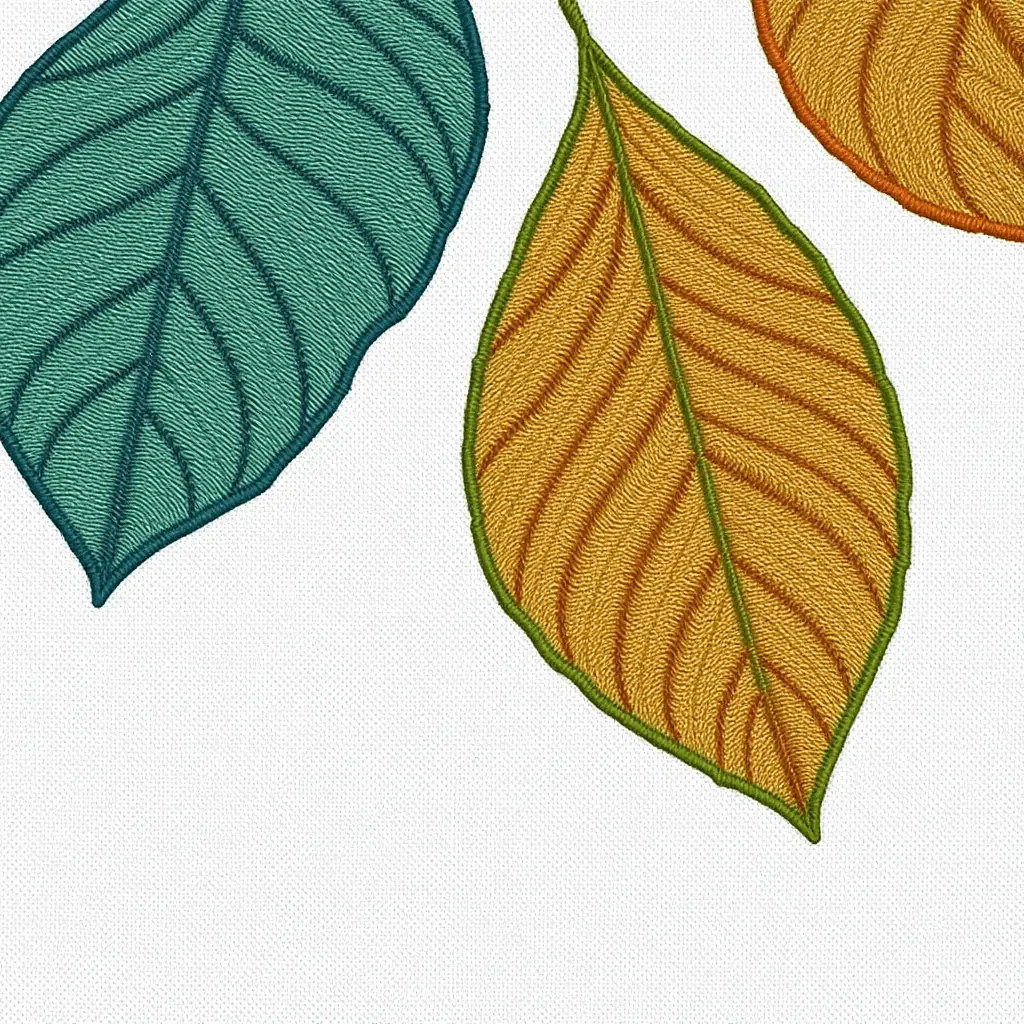
The natural irregularity of free motion stitching only adds to the botanical charm. Use earthy greens, warm ochres, and deep teals for a nature-inspired color palette that reads as sophisticated rather than craft-like.
2. Thread Painting Animal Portraits
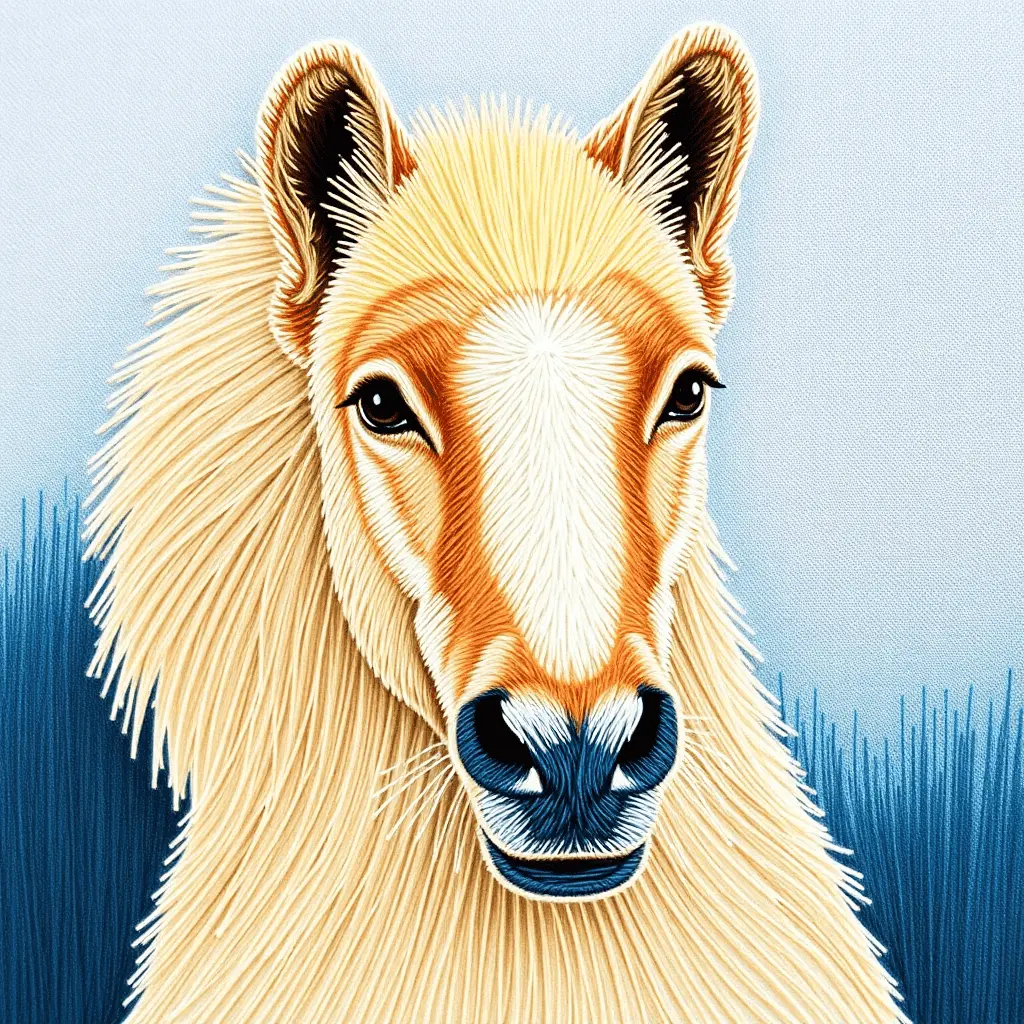
Thread painting is a form of free motion embroidery where you build up color and texture much like a painter layering oil on canvas. Animal portraits are a particularly compelling subject because they allow you to play with tonal shifts and directional stitching. A cat’s fur, a bird’s feathers, or a horse’s mane all translate magnificently through layered thread work. Start with a printed reference photo beneath water-soluble stabilizer, trace the major shapes first, and then fill in color and detail using closely worked rows of stitching in varied directions.
3. Floral Wreaths for Wall Art
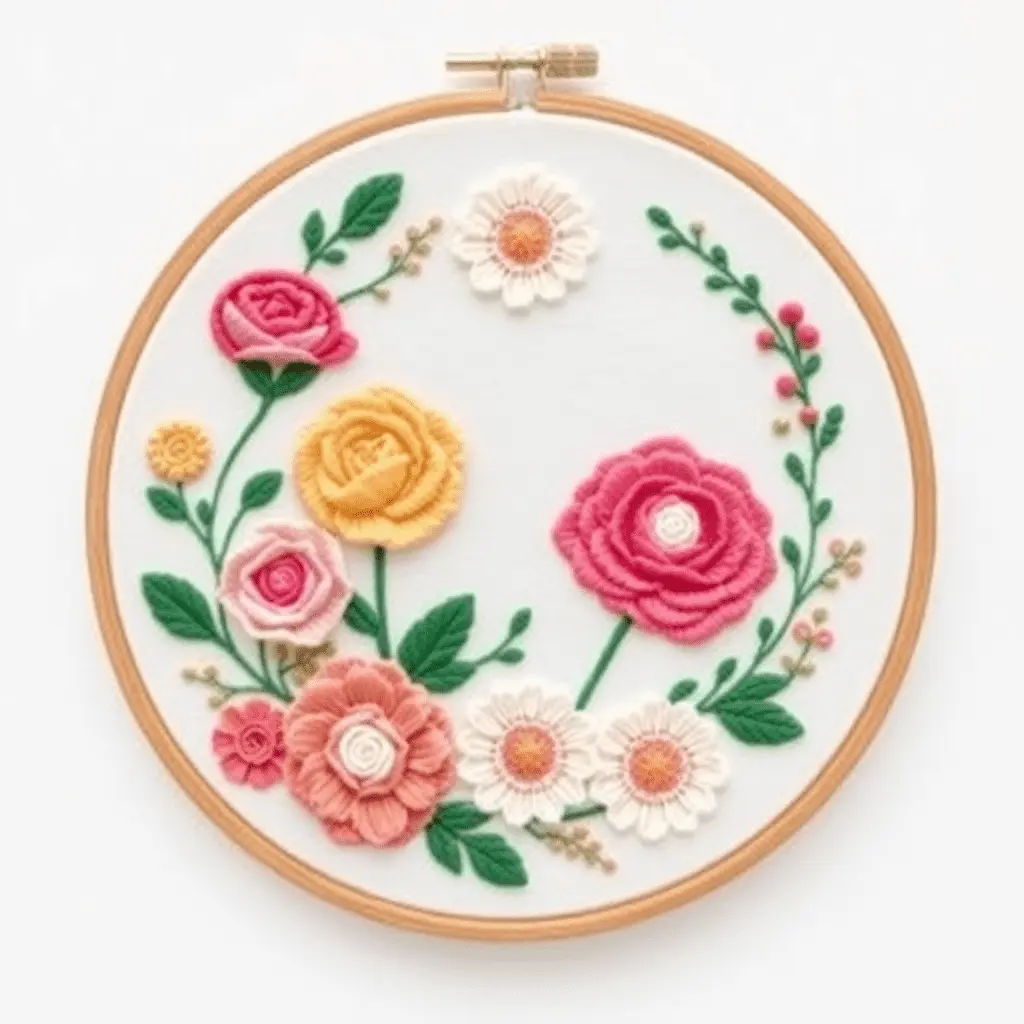
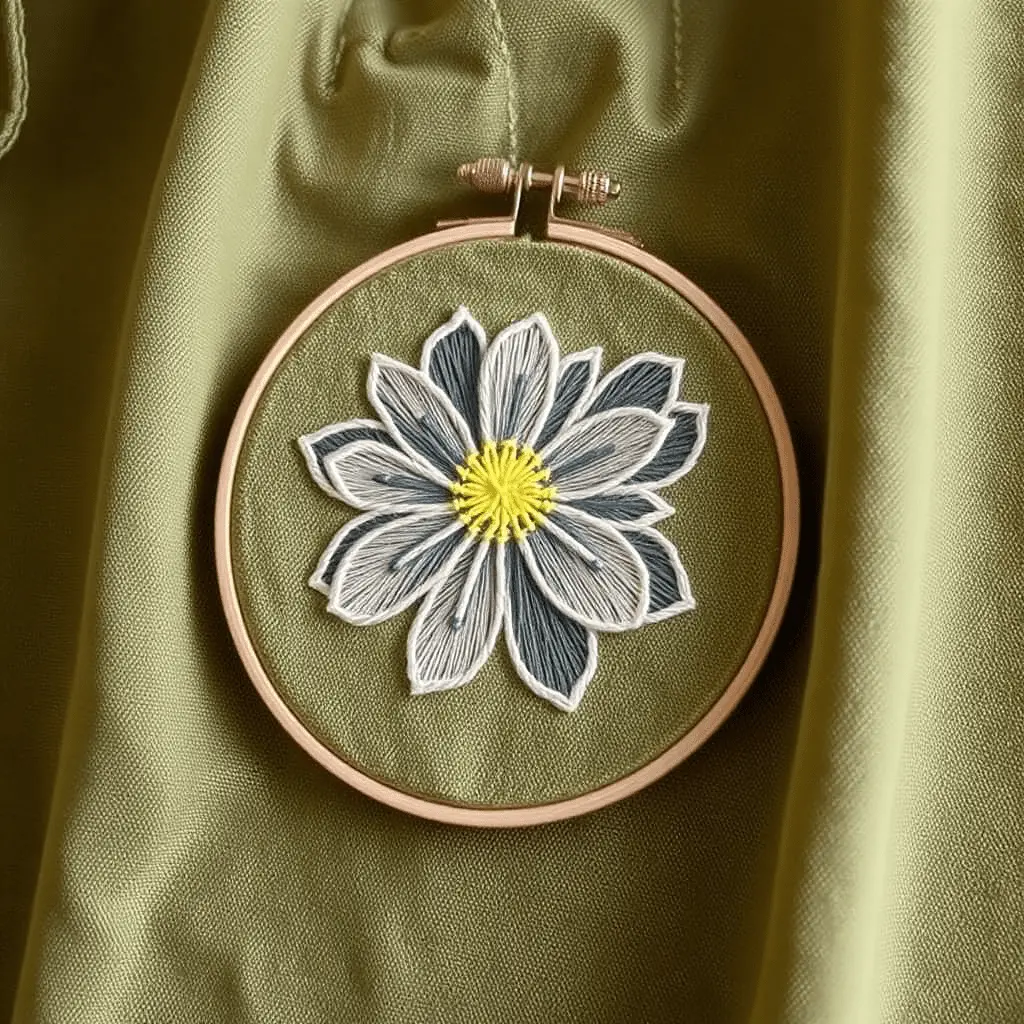
A stitched floral wreath makes an impressive piece of wall art that showcases what free motion embroidery can truly achieve. Choose a circular composition with loose, expressive blooms such as roses, peonies, or wildflowers. Work each bloom with open, looping stitches rather than tightly controlled lines to keep the result feeling fresh and painterly. Frame the finished piece in an embroidery hoop or a simple wooden frame. Varying your thread weight between sections of the wreath adds a pleasing dimensional quality that makes the finished piece look considered and skilled.
4. Personalized Embroidered Handkerchiefs
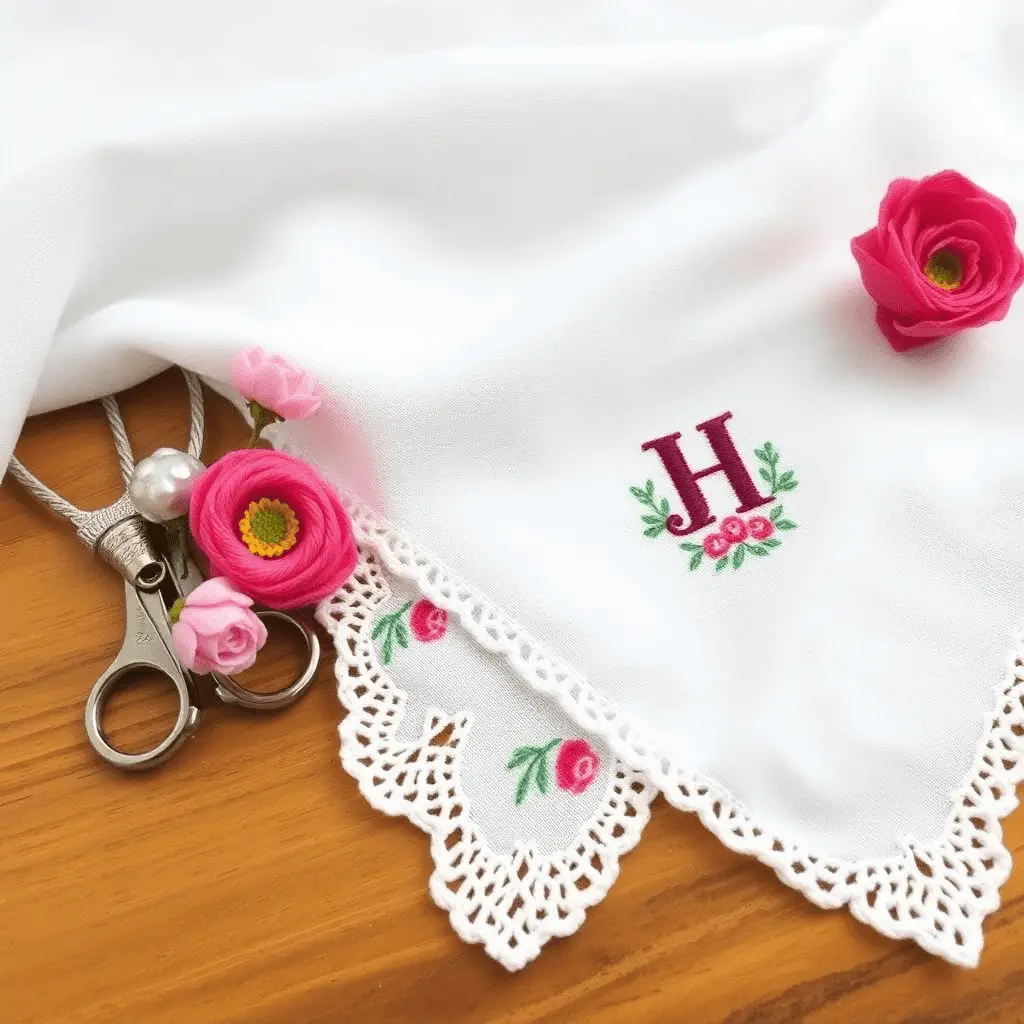
If you are looking for a beginner-friendly free motion embroidery project that also makes a meaningful gift, personalized handkerchiefs are an ideal starting point. Use a fine cotton handkerchief as your base and stitch initials, small floral clusters, or delicate borders along the edges. Because handkerchiefs are small and lightweight, they are easy to control under the needle and forgiving of minor tension variations. A small monogram surrounded by a few tiny stitched blooms is timeless, elegant, and genuinely appreciated as a handmade gift.
5. Stippled Background Texture on Quilts
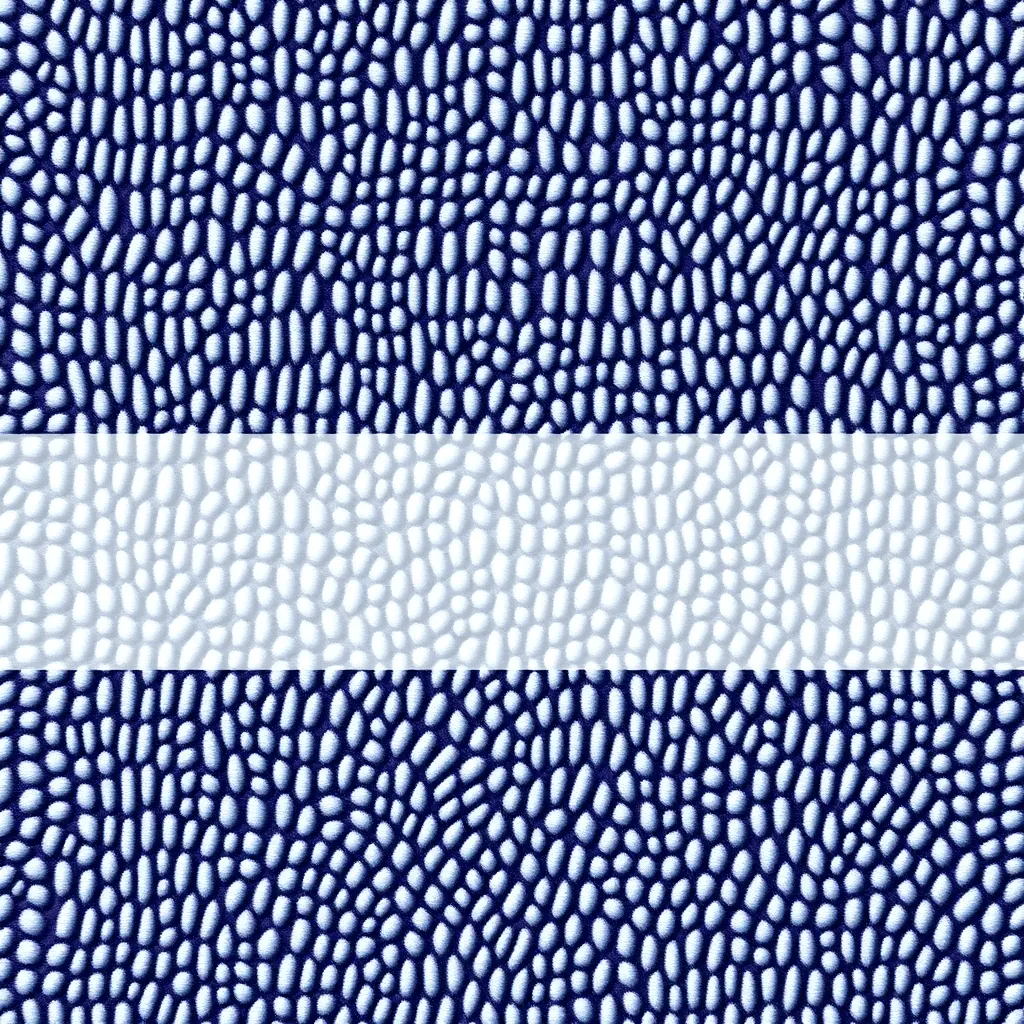
Stippling is a foundational free motion embroidery technique where you create dense, continuous curving lines that fill a background area without crossing over each other. Applied to quilts, stippling adds incredible texture and dimension, making the foreground design appear to float above the surface. Practice the rhythm of this movement on scrap fabric first, keeping your machine speed steady and your fabric movement smooth and consistent. Once you develop confidence, stippled backgrounds can become one of the most satisfying effects in your entire crafting toolkit.
6. Free Motion Lettering on Tote Bags
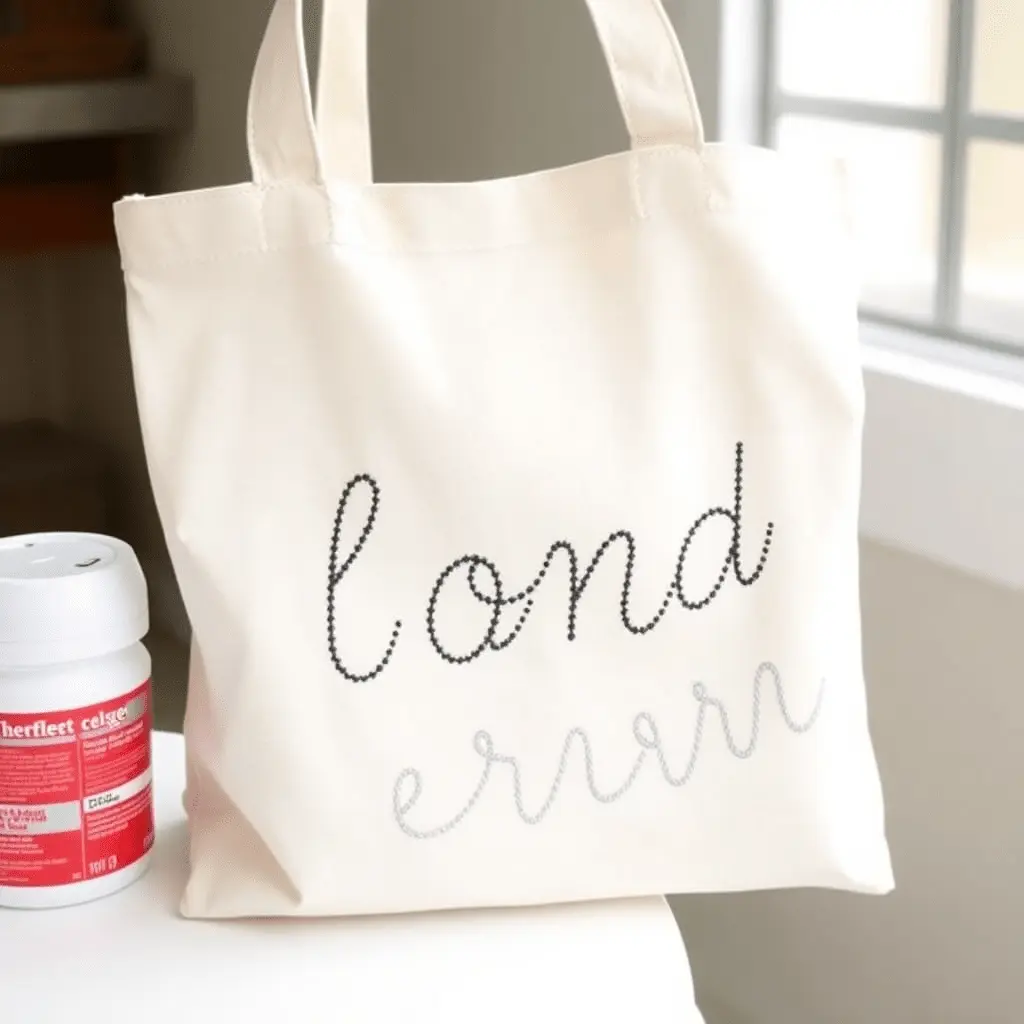
Stitched lettering on a plain canvas tote bag is a wonderful project for anyone who wants to practice free motion embroidery on a practical, everyday item. Sketch your chosen word or phrase lightly in chalk first, then trace each letter slowly with your machine, going over each line at least twice to ensure the lettering reads clearly. Cursive script tends to work particularly well because the connected letterforms naturally reduce the number of times you need to stop and reposition the fabric. Consider phrases that reflect your personality, a favorite quote, or simply a single meaningful word.
7. Mixed Media Textile Art Panels
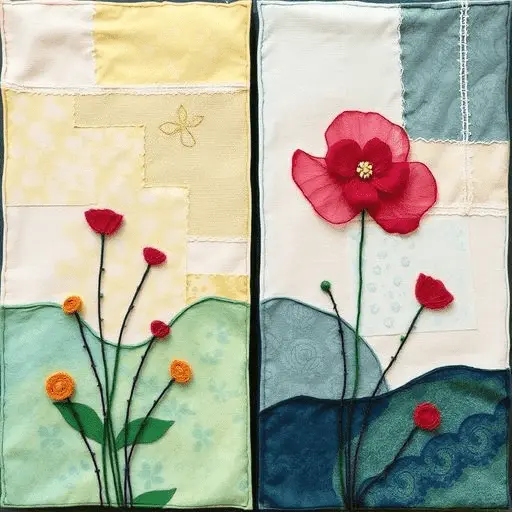
Free motion embroidery pairs brilliantly with other textile techniques to create layered mixed media artwork. Try combining hand-painted fabric with stitched details, or layer sheer organza over a printed base and stitch through both layers to create a translucent, dream-like effect. Textile artists frequently combine printing, painting, applique, and embroidery in a single piece, using the stitched lines to define shapes, add movement, or emphasize the play of light across different materials. This approach opens a genuinely exciting creative space where embroidery functions more like drawing or painting than traditional needlework.
8. Embroidered Denim Jacket Patches
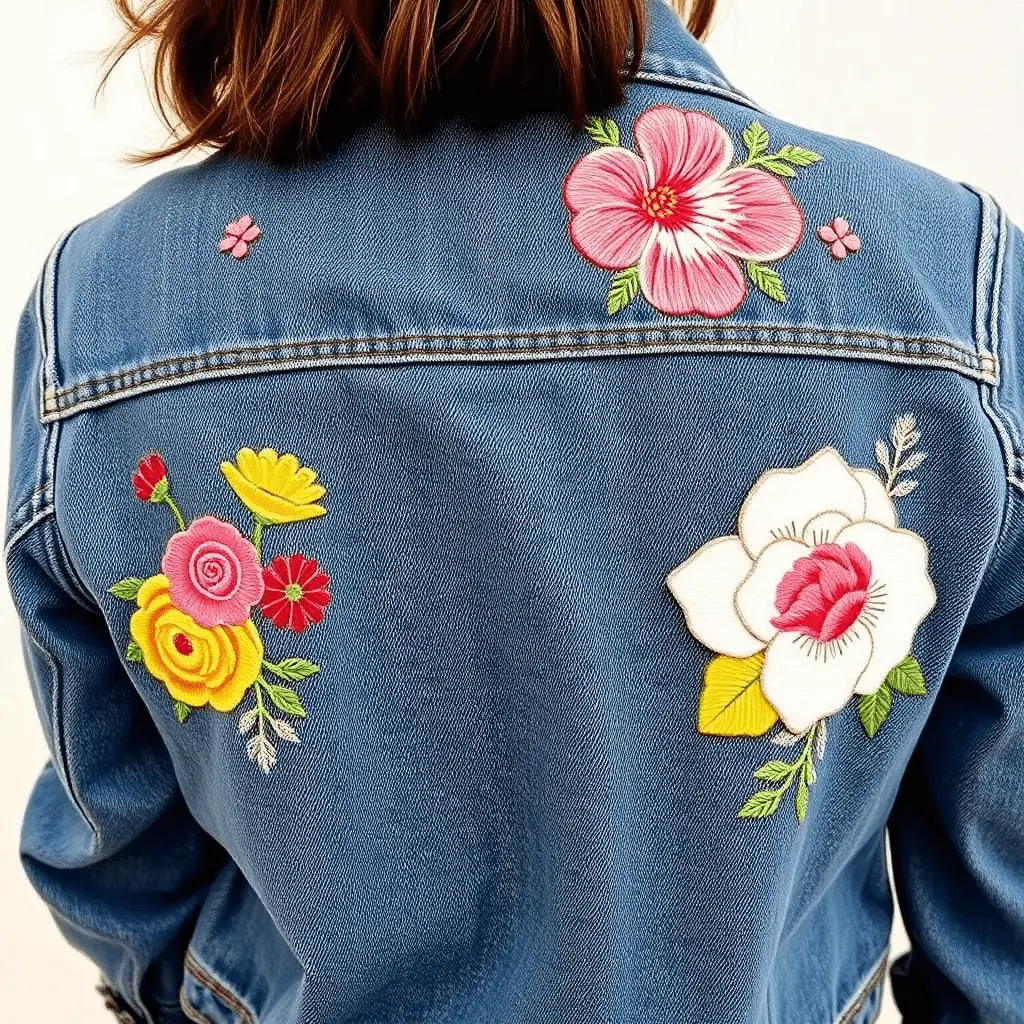
One of the most wearable and trend-forward free motion embroidery ideas is embellishing denim with stitched designs. A plain denim jacket becomes a personal statement piece when adorned with freehand embroidered flowers, abstract shapes, or small portrait details. Because denim is a firm and stable fabric, it handles the needle movement particularly well and rarely requires additional stabilizer. Work on individual fabric patches first and then sew them onto the jacket, or embroider directly onto the garment itself for a more seamless result. Bold floral clusters on the collar or back panel are especially striking.
9. Landscape Scenes on Fabric
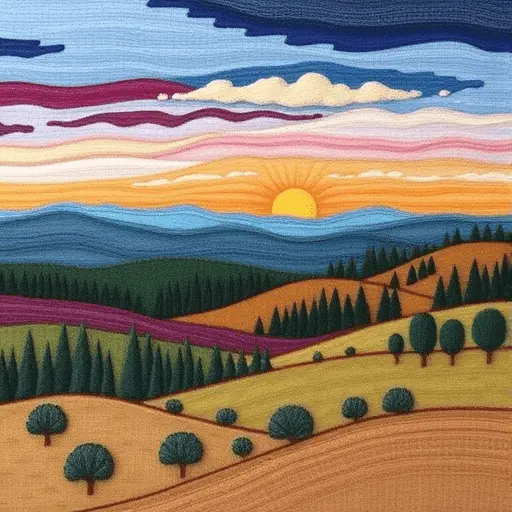
Stitching landscape scenes is one of the more advanced yet deeply rewarding free motion embroidery ideas available to textile artists. Rolling hills, tree lines at dusk, stormy skies, or coastal vistas translate into breathtaking embroidered scenes when approached with the right thread choices and stitching rhythm. Work in horizontal layers, starting from the sky and building downward. Use long, sweeping stitches for open spaces and shorter, textured marks for foliage and ground cover. Variegated thread is particularly effective for skies, blending color shifts across wide open areas with very little effort.
10. Baby Blankets with Forest Animal Motifs
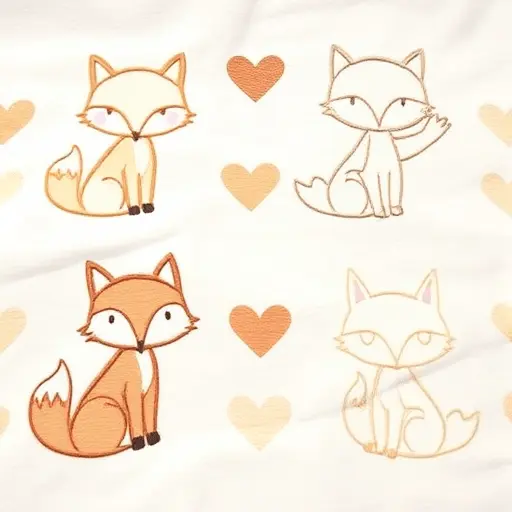
Stitching soft animal motifs onto baby blankets is a beautifully practical free motion embroidery project. Choose simple, rounded animal shapes such as foxes, owls, bunnies, or bears and work them in gentle, muted tones appropriate for a nursery setting. Because baby blankets are typically made from soft knit or fleece fabric, use a tear-away stabilizer underneath to keep the fabric stable during stitching. Keep your designs outlined and filled with open, looping stitches rather than dense fill stitching to preserve the softness of the blanket for the child who will use it.
11. Abstract Geometric Compositions
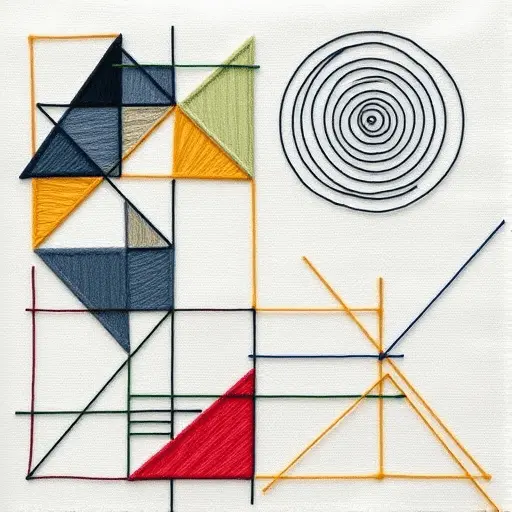
Not all free motion embroidery ideas need to be representational. Abstract geometric compositions, built from layered grids, overlapping triangles, spirals, and repeated angular marks, create visually compelling pieces that work beautifully as modern home decor. Choose a limited palette of two or three thread colors and work sections of the composition in different stitch directions to create contrast and rhythm across the surface. Geometric free motion work tends to suit those who enjoy a more structured creative approach while still benefiting from the expressive freedom that this technique provides.
12. Embroidered Table Runners with Floral Borders
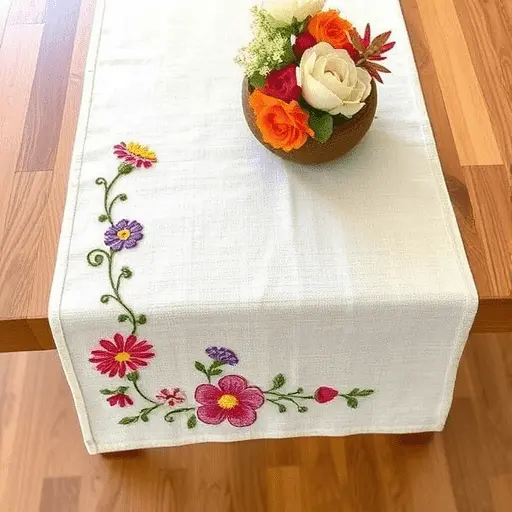
A handstitched table runner elevates the everyday dining table into something genuinely beautiful. Work a repeating border of flowers, leaves, and vines along both long edges of a plain linen runner using free motion embroidery. Daisies, poppies, and small climbing roses are all popular choices for this style of project. Use a tearaway stabilizer on the underside to keep your stitching even, and consider working in complementary thread colors rather than matching ones for a more vibrant, artisan result. This project is also an excellent way to practice maintaining consistent stitch density across a larger area.
13. Portrait Embroidery on Stretched Canvas
Portrait embroidery is where free motion technique truly becomes fine art. By working onto stretched cotton canvas backed with a firm iron-on interfacing, you can build up detailed facial portraits using only thread and a sewing machine. Study the tonal values of your reference image carefully and work in layers, starting with the lightest values and building toward the darkest.
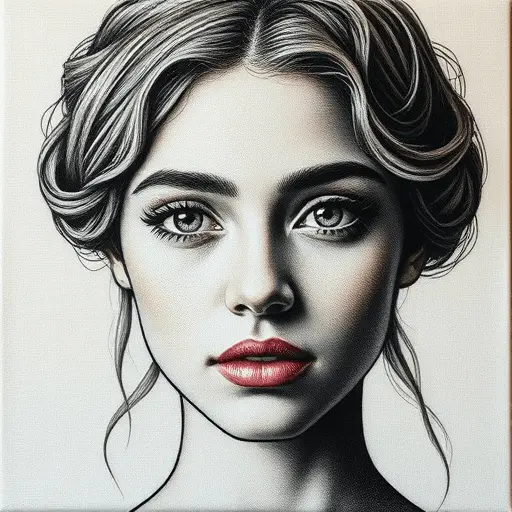
Use your stitch direction to follow the contours of the face, much as a pencil would follow form in a drawing. The result is a textile portrait that carries warmth, texture, and artistry that no digital print can replicate.
14. Coastal and Ocean-Themed Cushion Covers
Ocean-themed free motion embroidery on cushion covers brings a calming, natural atmosphere to any living space. Waves, sea glass shapes, coral forms, and simple nautical anchors all translate effectively through flowing, expressive stitching. Work on a firm cotton or linen fabric for the cushion front and combine different blue and teal thread weights to capture the movement of water.
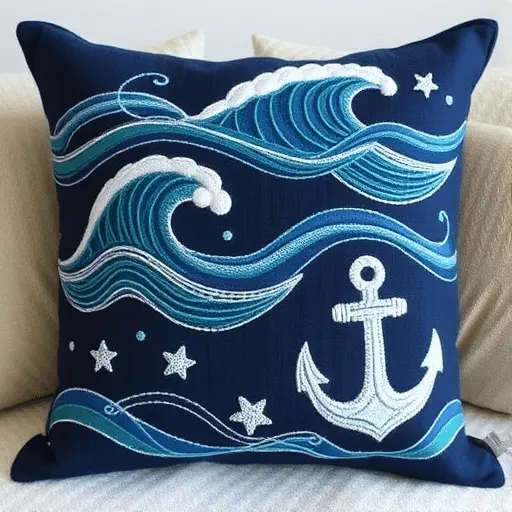
Whitework details using pale thread on a navy base give a particularly crisp, elegant result. This project works well as both a beginner introduction to free motion on home textiles and a more involved design challenge for experienced stitchers.
15. Inspiration Banner with Motivational Typography
A fabric banner stitched with a meaningful word or phrase makes a personal and uplifting addition to any workspace or studio. Choose a favorite saying, a single powerful word, or a name, and arrange the letters across a piece of natural linen or cotton canvas.
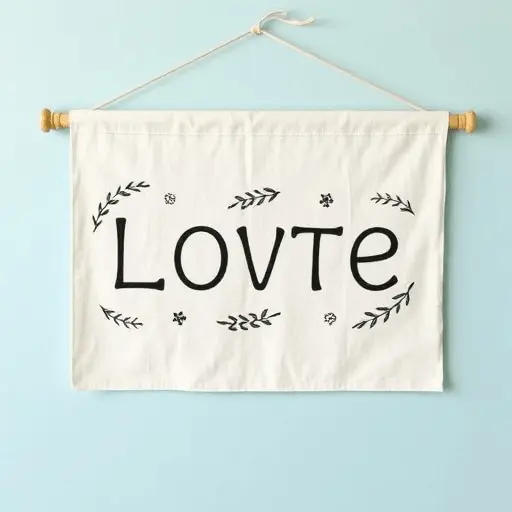
Work slowly over each letterform, tracing twice or three times for clarity, and then surround the text with loose botanical details such as scattered leaves, small flowers, or organic dot work. Hang the finished banner from a wooden dowel for a polished, handcrafted result that feels both contemporary and genuinely personal.
16. Thread-Sketched Cityscape Art
Urban architecture offers a fascinating subject for free motion thread sketching. Building facades, rooftop skylines, arched doorways, and narrow cobbled streets all translate into compelling stitched compositions when approached with confident, sketchy linework. Use a single color of thread against a contrasting fabric for a graphic, illustrative result, or layer multiple thread colors to suggest the warmth of light and shadow across stone and glass.
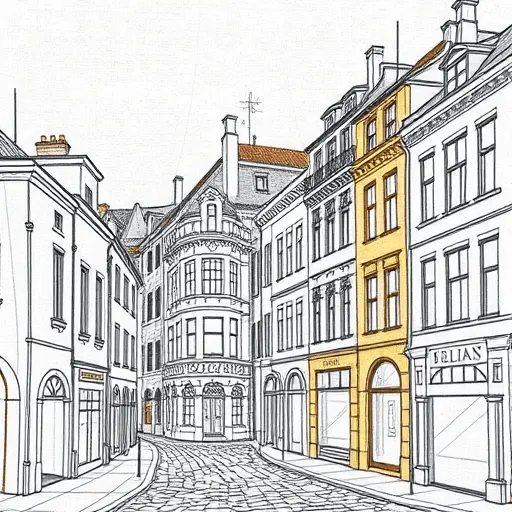
Cityscape thread sketching rewards stitchers who enjoy architectural detail and the challenge of translating complex three-dimensional space into a flat, stitched surface.
17. Embellished Fabric Book Covers
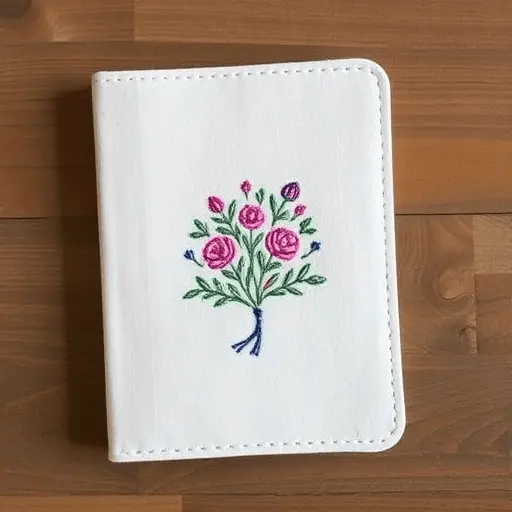
Protecting a journal or notebook with a handstitched fabric cover is a practical project that also showcases your free motion embroidery skills beautifully. Stitch a small central design, such as a floral cluster, a simple portrait, or an abstract composition, onto a piece of firm cotton or wool fabric and construct it into a slip-on cover for your favorite notebook. This project is small enough to complete in a single session, making it ideal when you want to practice new design ideas without committing to a larger piece. The finished item is both functional and a showcase of your craft.
18. Free Motion Embroidery on Paper
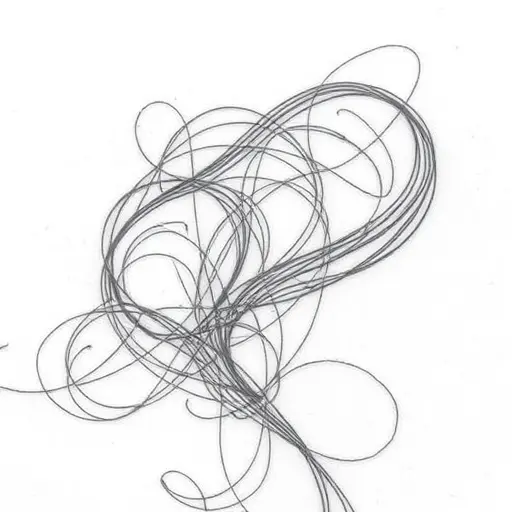
One of the more unexpected free motion embroidery ideas is stitching directly onto heavy paper or card. This approach, sometimes called machine drawing, produces a uniquely textural result that sits somewhere between printmaking and textile art. Work on cartridge paper or watercolor paper, moving it slowly beneath the needle to create flowing line drawings, dense textures, or expressive mark-making. The resulting pieces make beautiful greeting cards, art prints, or framed artworks. This technique also removes the challenge of fabric puckering entirely, making it a liberating option for days when you simply want to explore without constraints. https://sewingtrip.com/free-motion-embroidery-designs/
19. Stitched Map Art
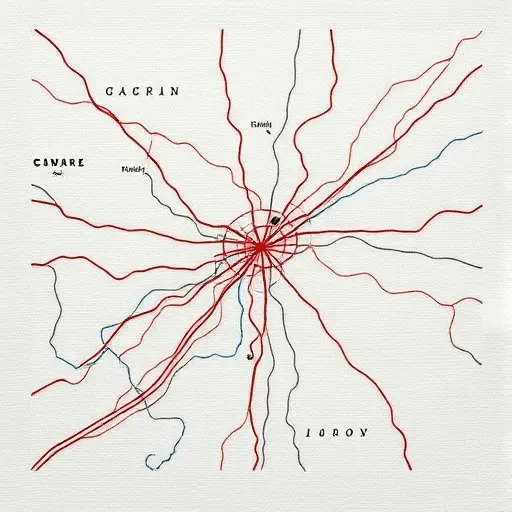
Map-based embroidery is a meaningful and visually engaging project that holds personal significance for the maker. Choose a map of a city, country, or neighborhood that matters to you and reproduce its outlines in thread on linen or cotton fabric. Trace major roads, coastlines, rivers, and borders using steady, controlled free motion lines, and mark significant locations with small, stitched symbols such as stars or dots. The finished piece makes an extraordinary gift for someone who has moved cities, grown up in a particular place, or simply loves a specific part of the world.
20. Embroidered Organza Overlays for Garments
Sheer organza takes on a spectacular quality when worked with free motion embroidery, making it perfect for adding decorative overlays to garments. Stitch floral or abstract designs directly onto organza and then attach the embroidered panel to a sleeve, neckline, or hem of a garment for an effect that is simultaneously delicate and dramatic. Because organza is very lightweight, use a wash-away or dissolve-away stabilizer underneath the fabric during stitching.
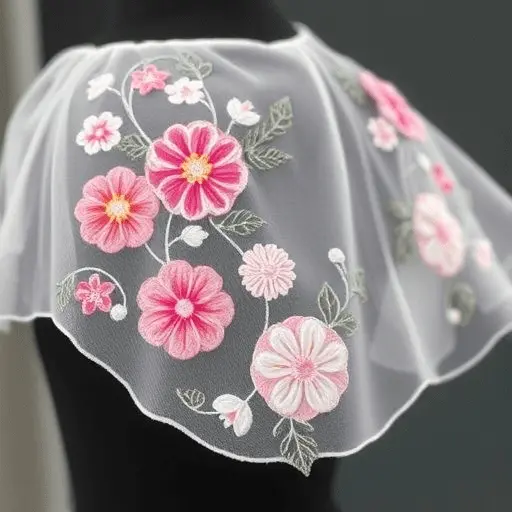
Once the stabilizer is removed, the organza retains its transparency while carrying the stitched design, creating a layered, ethereal quality that elevates the garment into something truly distinctive.
Conclusion
Free motion embroidery is one of the most genuinely expressive techniques available to anyone who works with fabric and thread. What makes it so compelling is not only the breadth of free motion embroidery ideas it accommodates but the way it rewards practice, patience, and a willingness to experiment. The twenty ideas covered in this guide range from quick beginner projects to ambitious textile art undertakings, and every single one can be adapted, expanded, and made entirely your own.
The most important step is simply to begin. Set up your machine, lower the feed dogs, attach your darning foot, and start moving fabric beneath the needle. Even your first imperfect attempts will teach you more than any tutorial can. With each session, your stitch confidence grows, your rhythm develops, and the gap between what you imagine and what you can stitch closes steadily. Pick one idea from this list, gather your materials, and let the thread lead the way.
Frequently Asked Questions
1. What machine settings do I need for free motion embroidery?
You need to lower the feed dogs on your sewing machine and attach a darning foot or free motion foot. Set your stitch length to zero and adjust thread tension as needed for your specific fabric and thread combination. Always test on scrap fabric before starting your actual project.
2. Do I need an embroidery hoop for free motion work?
An embroidery hoop is helpful for lightweight or fine fabrics as it keeps the fabric taut and prevents puckering. For firmer fabrics backed with stabilizer or iron-on interfacing, a hoop is not always necessary. Beginners often find a hoop easier to control.
3. What is the best fabric for free motion embroidery beginners?
One hundred percent cotton with a firm, close weave is the most recommended starting fabric. It handles repeated needle punctures well, does not stretch under the needle, and accepts a wide variety of threads without puckering or distortion.
4. Can free motion embroidery be done on any sewing machine?
Most modern domestic sewing machines support free motion embroidery as long as they allow you to lower or disengage the feed dogs. Check your machine’s manual to confirm this function. A basic machine with this capability is entirely sufficient for learning and practicing the technique.
5. How do I stop my bobbin thread from showing on top of the fabric?
Bobbin thread showing through the top of the fabric is usually a tension issue. Try loosening your top thread tension slightly and ensure your bobbin is correctly threaded and inserted. Practicing on scrap fabric with the same thread and fabric combination before starting your project helps you dial in the correct settings.