
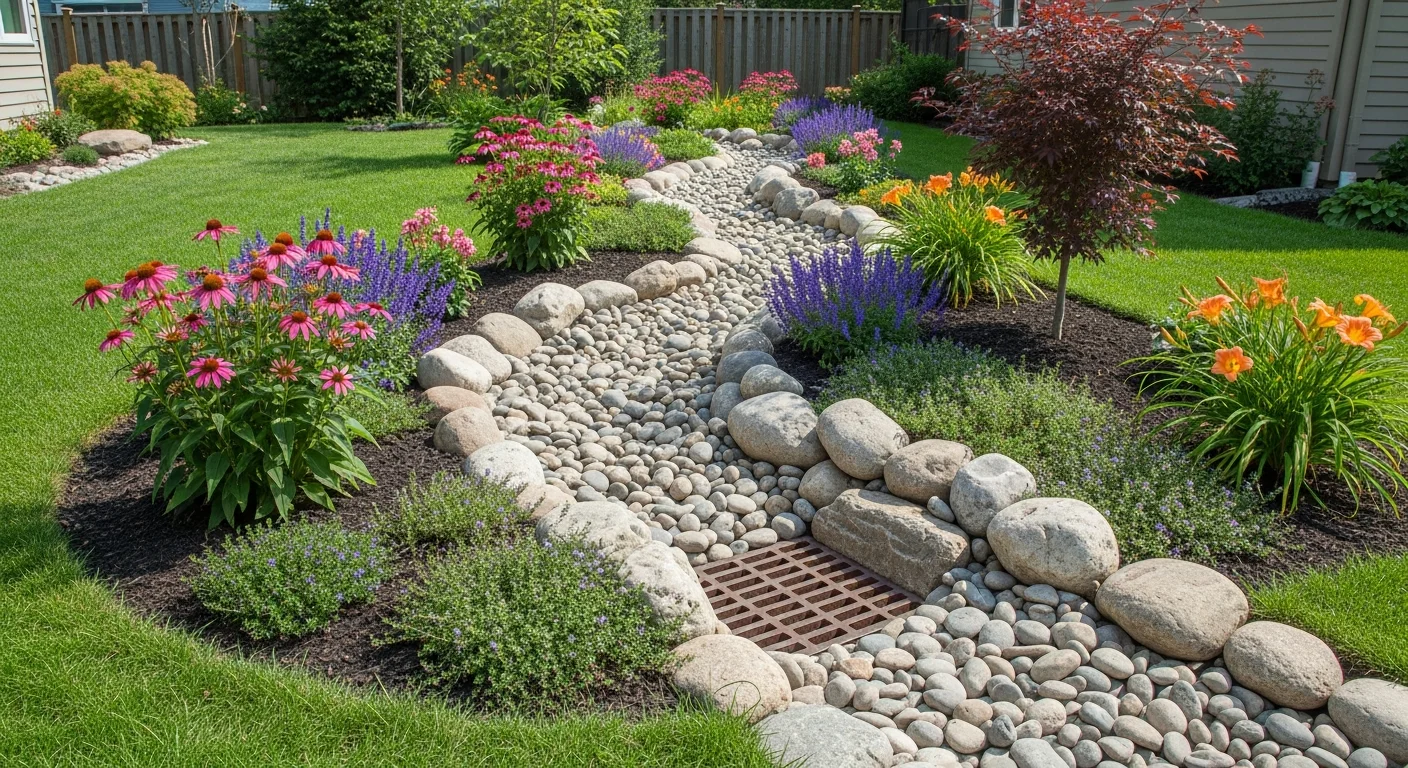
19+ Clever Ways to Hide Storm Drains in Your Backyard
Storm drains serve an essential purpose in managing water runoff and protecting your property from flooding and erosion. However, these functional fixtures often become glaring eyesores that disrupt the visual harmony of an otherwise beautiful backyard. The large metal grates, concrete surrounds, and industrial appearance of storm drains can make them the most prominent feature in your landscape for all the wrong reasons.
The good news is that hiding storm drains does not mean compromising their functionality. With thoughtful planning and creative solutions, you can successfully camouflage these necessary fixtures while maintaining easy access for periodic maintenance and ensuring they continue to perform their drainage duties effectively. The key lies in balancing aesthetics with practicality, choosing concealment methods that enhance your landscape design rather than hinder the drain’s operation.
This comprehensive guide explores more than nineteen proven techniques for disguising storm drains in residential backyards. From simple plant arrangements to elaborate hardscape installations, these strategies accommodate various budgets, skill levels, and landscape styles. Whether you prefer natural camouflage using vegetation, decorative elements that draw the eye away from the drain, or structural solutions that integrate the fixture into your overall design, you will find practical options that transform this problematic feature into an asset rather than a liability.
Strategic Planting Around Storm Drains
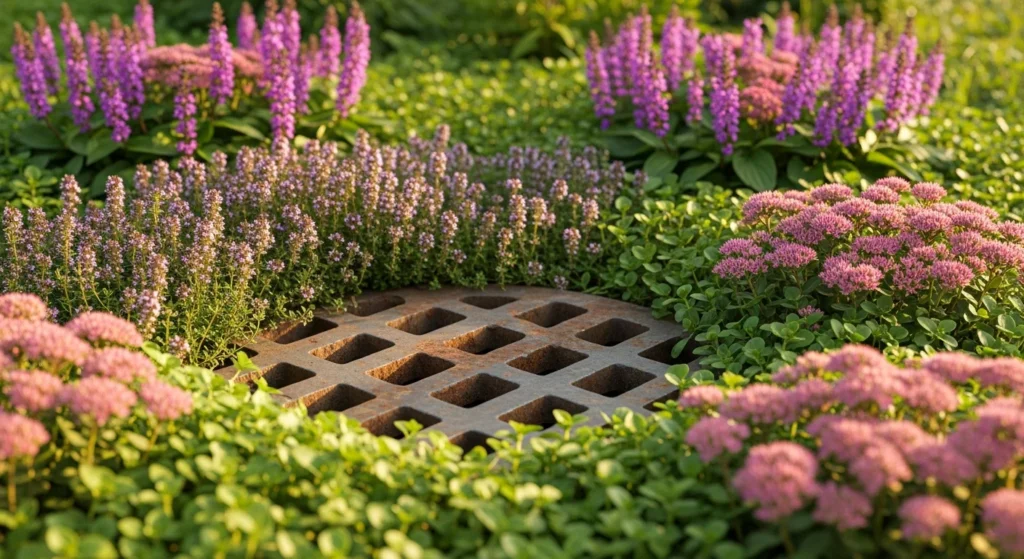
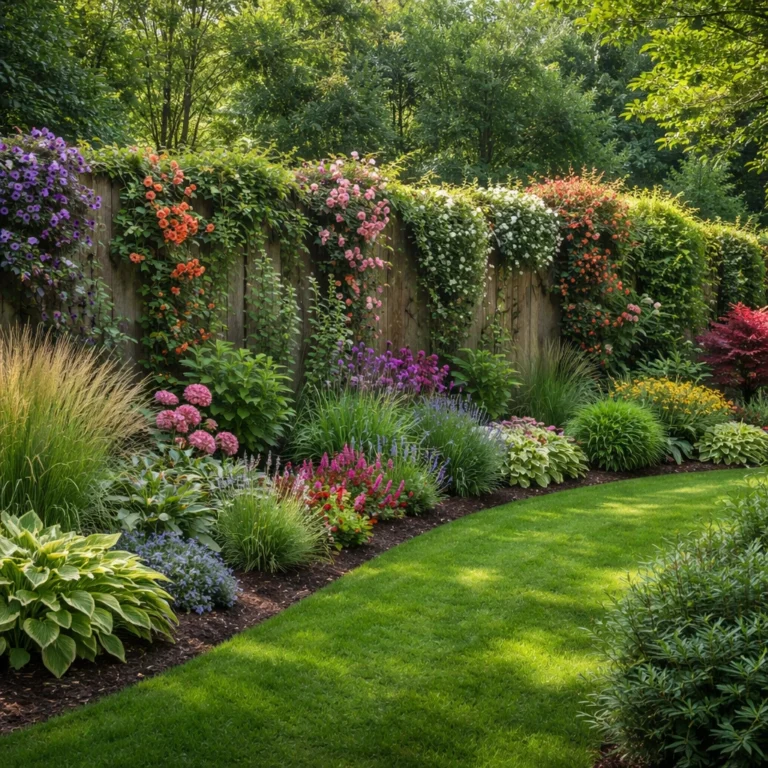
One of the most natural and cost-effective approaches to hiding storm drains involves strategic plant placement. Low-growing ground covers work exceptionally well for this purpose. Species like creeping thyme, sedum, ajuga, and vinca minor spread horizontally to create living carpets that soften the appearance of drain grates without blocking water flow. These plants tolerate occasional foot traffic when you need to access the drain for cleaning or inspection.
When selecting ground covers, choose varieties suited to your climate zone and the specific light conditions around your drain. For sunny locations, consider hardy options like Irish moss or creeping phlox that form dense mats. Shaded areas benefit from hostas planted in a circular pattern around the drain or sweet woodruff that thrives in low light. The foliage provides visual distraction while roots remain shallow enough to avoid interfering with drainage infrastructure.
Taller perennials planted in groupings around the perimeter of storm drains create effective screening without completely obscuring the fixture. Ornamental grasses like fountain grass or blue fescue add movement and texture while their fibrous root systems pose minimal risk to underground pipes. Daylilies, black-eyed Susans, and coneflowers establish attractive borders that guide the eye toward colorful blooms rather than the drain itself.
Container gardens offer another versatile planting solution. Large decorative pots positioned strategically around the drain add vertical interest and can be easily relocated when maintenance access becomes necessary. This approach works particularly well for renters or anyone hesitant to commit to permanent plantings. Fill containers with annuals for seasonal color changes or evergreen shrubs for year-round screening.
Decorative Stone and Gravel Solutions
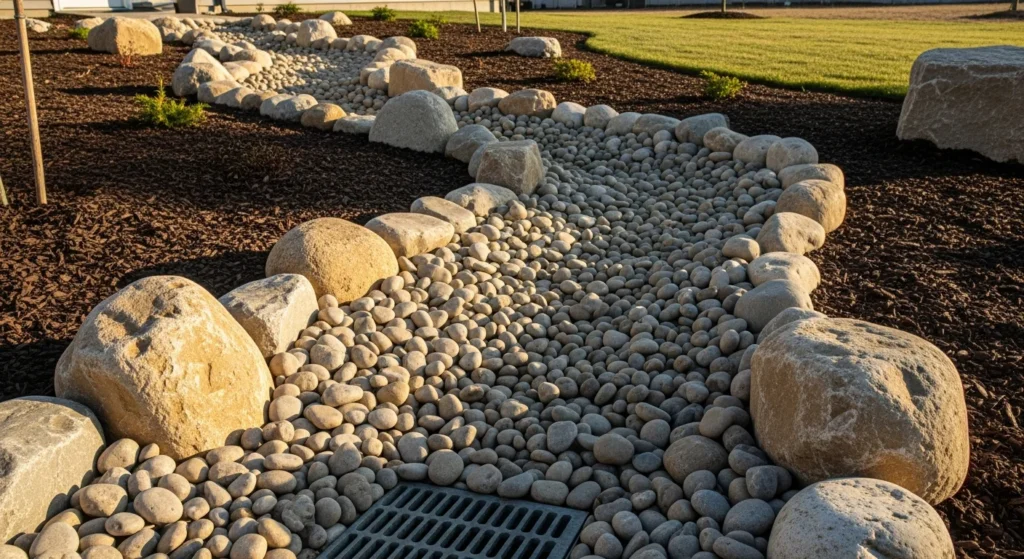
River rocks, decorative pebbles, and gravel create attractive alternatives to traditional grass or mulch around storm drains. A dry creek bed design transforms the drain into a deliberate landscape feature that appears intentional rather than utilitarian. Arrange stones of varying sizes to mimic natural stream beds, with larger boulders anchoring the edges and smaller pebbles filling the center channel. This approach channels rainwater visually and physically toward the drain while adding textural interest to flat yard spaces.
When implementing stone solutions, select colors and sizes that complement your existing landscape palette. Tan and gray river rocks blend seamlessly in natural settings, while polished white stones suit contemporary designs. Layer different stone types for dimensional appeal, placing larger specimen rocks as focal points and filling gaps with smaller aggregate. The irregular arrangement prevents an overly manufactured appearance.
Gravel beds surrounding drain grates serve dual purposes. The porous material allows water to percolate through to the drain while the loose stones discourage foot traffic that could compact soil and reduce drainage efficiency. Edge the gravel area with metal, plastic, or stone borders to contain materials and create clean transitions to adjacent lawn or garden beds. This defined perimeter makes the installation look purposeful rather than haphazard.
Decorative stone circles work well when the storm drain sits in open lawn areas where plantings might appear out of place. Create a perfect circle or organic shape around the grate using flagstone, slate, or fieldstone. Fill spaces between larger stones with decomposed granite or fine gravel. This hardscape solution requires minimal maintenance and withstands heavy rain events without washing away like mulch.
Installing Decorative Grate Covers
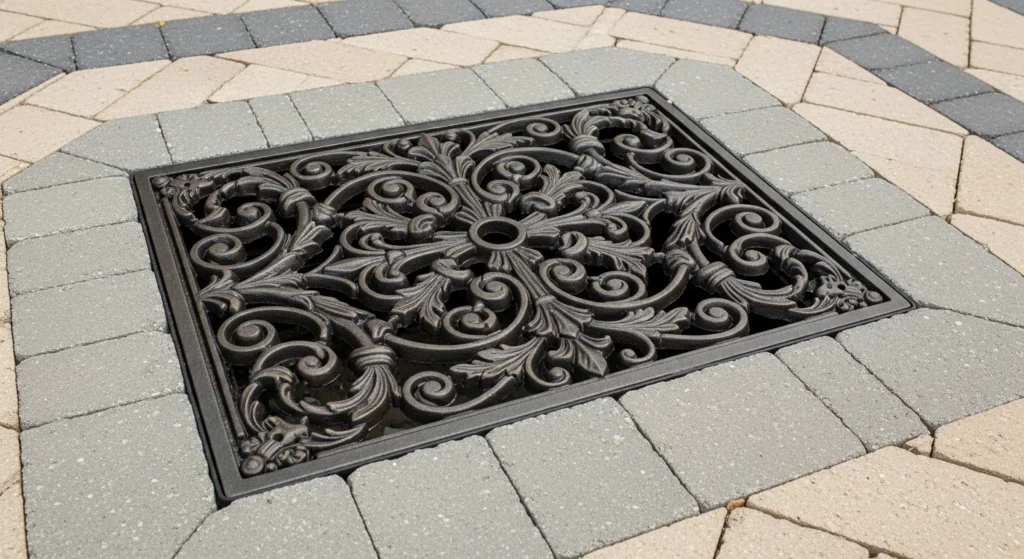
Replacing standard utilitarian drain grates with decorative alternatives dramatically improves their appearance without requiring extensive landscape modifications. Modern manufacturers produce ornamental grates in patterns ranging from traditional Victorian scrollwork to contemporary geometric designs. These upgraded covers maintain full drainage capacity while adding architectural interest to your yard.
Stainless steel decorative grates offer durability and resistance to rust while providing sleek, modern aesthetics. Perforated patterns with uniform hole spacing create subtle designs that blend into surrounding surfaces. Slotted grates feature linear openings that complement contemporary landscape designs with strong horizontal or vertical elements. Wave-pattern grates add organic flowing lines suitable for gardens with curved beds and informal layouts.
Cast iron remains a popular material for ornamental drain covers, particularly in traditional or historic landscape settings. The substantial weight of iron grates prevents shifting during storms while intricate patterns elevate the fixture to decorative status. Many cast iron options feature nature-inspired motifs like leaves, vines, or geometric medallions that reference historical architectural elements.
For maximum concealment, grass-topped drain covers allow turf to grow directly over the grate surface. These specialized covers feature recessed trays filled with soil where grass roots establish, creating nearly invisible drainage points. Pre-drilled holes and drainage membranes ensure water penetrates to the drain below while supporting healthy grass growth above. This solution works best in lawn areas where matching the surrounding turf provides seamless integration.
Building Dry Creek Bed Installations
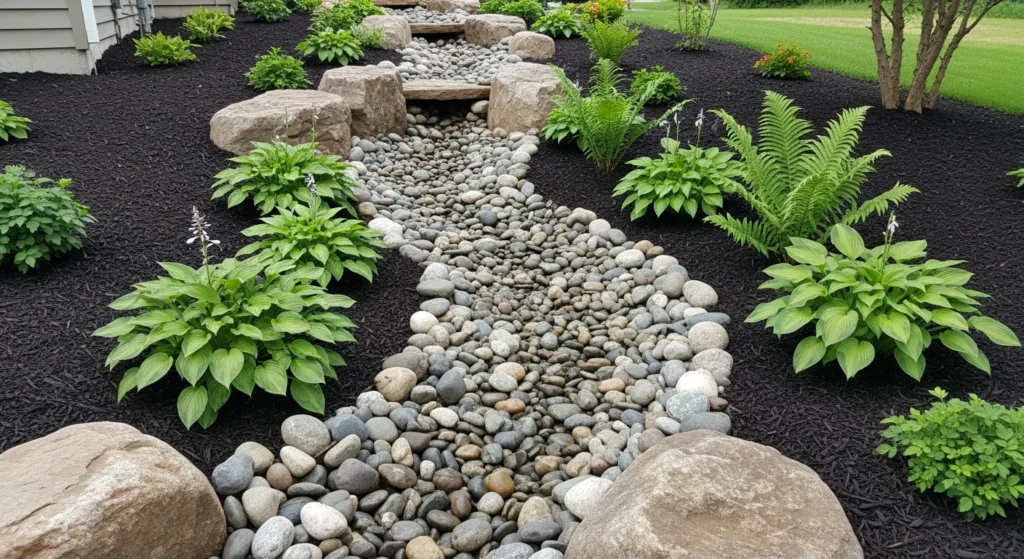
Dry creek beds represent one of the most attractive and functional methods for disguising storm drains in backyard settings. These naturalistic features mimic seasonal waterways that remain empty except during rain events when they channel runoff toward drainage points. The drain becomes the logical terminus of what appears to be a natural landscape element rather than an artificial intrusion.
Begin dry creek bed construction by mapping the ideal path from higher ground toward your storm drain location. The creek bed should follow natural contours and slope gradually downhill, just as water would flow naturally across the landscape. Excavate a shallow channel six to twelve inches deep and two to four feet wide, depending on the scale appropriate for your yard.
Line the excavated channel with landscape fabric to suppress weed growth, then fill with a graduated mix of stones. Position the largest boulders along the edges and at strategic points within the channel to suggest natural stone placement. Medium-sized river rocks fill the main channel, while smaller pebbles and gravel nestle between larger stones. Vary the rock colors and types within a cohesive palette for realistic appearance.
Enhance the natural look by planting moisture-loving species along the creek bed edges. Ferns, hostas, ligularia, and astilbe thrive in these transitional zones and reinforce the impression of a real waterway. During dry periods, the planted banks and artfully arranged stones create visual interest. When rain falls, water visibly flows through the rock channel toward the concealed drain, demonstrating the feature’s practical purpose while celebrating rather than hiding water management.
Creating Rain Garden Installations
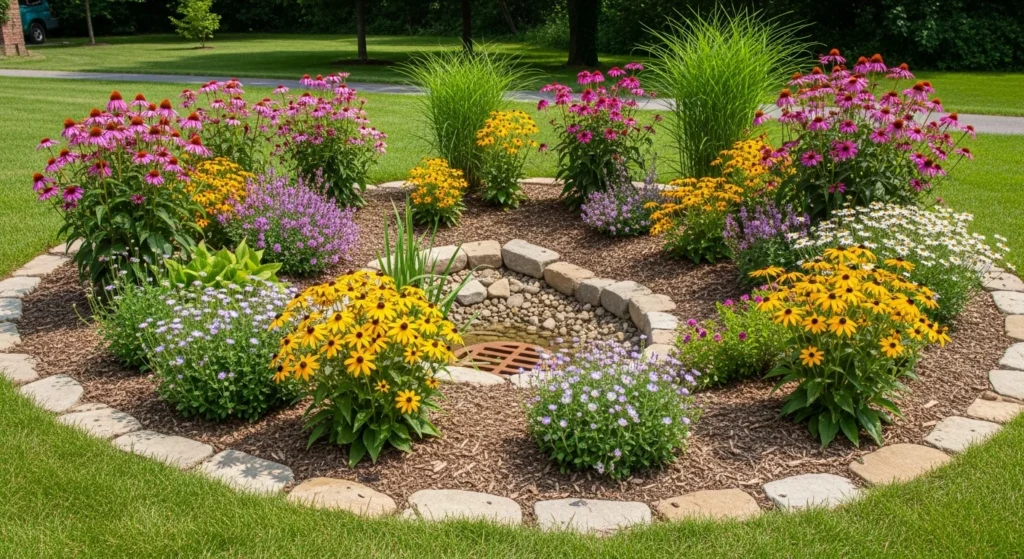
Rain gardens transform the area surrounding storm drains into beautiful, environmentally beneficial landscape features. These shallow depressions filled with native plants temporarily collect and filter stormwater before it enters drainage systems. The storm drain becomes the overflow mechanism for the rain garden during heavy precipitation events rather than the primary visible feature.
Design rain gardens as kidney-shaped or irregularly curved beds positioned around and slightly upslope from the drain. The deepest point should sit several inches below the surrounding grade to collect water, while berms on the downslope side direct overflow toward the drain. Size the rain garden to accommodate the typical runoff from your property, usually at least one hundred square feet for average residential yards.
Select native plant species adapted to both saturated and dry conditions since rain gardens experience periodic flooding followed by complete drainage. Black-eyed Susans, purple coneflowers, switchgrass, and blue flag iris handle moisture fluctuations well while providing seasonal color and texture. Layer plants by height with taller species in the center and shorter varieties around the edges for maximum visual impact.
Mulch the rain garden with shredded hardwood or pine bark to suppress weeds and retain moisture between rain events. Edge the perimeter with natural stone or metal borders to define the feature and prevent lawn grass from creeping into the planted area. The completed installation appears as an intentional garden bed rather than a random collection of plants around a drain, elevating the entire landscape’s design sophistication.
Constructing Raised Planter Beds
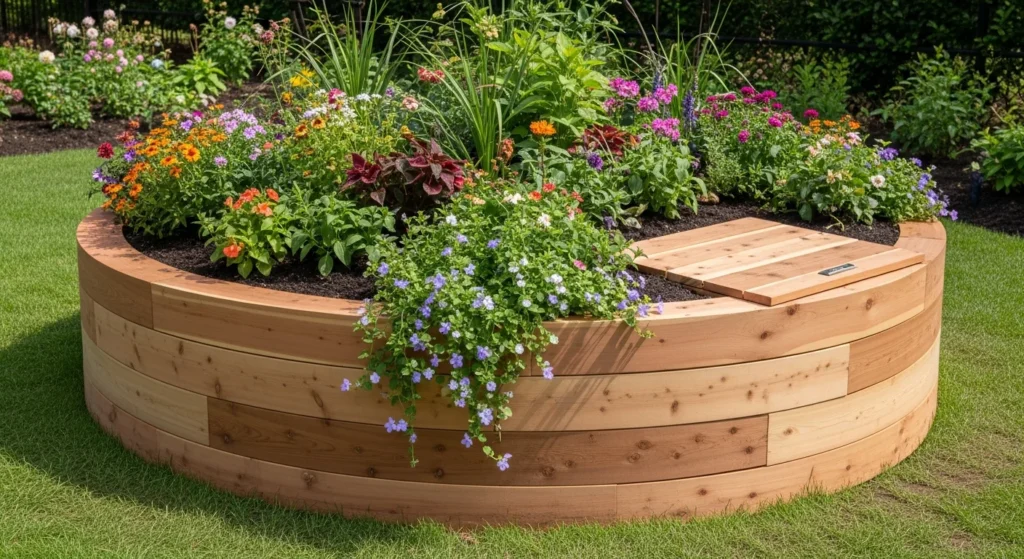
Raised beds built around storm drains create dramatic vertical elements while concealing the fixtures beneath lush plantings. This approach works particularly well when drains sit in otherwise flat yard areas where three-dimensional features add welcome relief. The beds provide ideal growing conditions for flowers, herbs, or vegetables while the drain remains accessible through strategically placed openings.
Build raised bed frames from naturally rot-resistant woods like cedar or redwood, composite lumber, or stacked stone. Circular or curved designs work especially well for surrounding drain installations, with the grate positioned near the center of the planting area. Leave gaps in the frame construction or create removable panels that allow access to the drain for periodic maintenance.
Size raised beds appropriately for the drain they conceal, typically four to six feet in diameter for standard residential drains. Height can range from twelve to twenty-four inches, providing sufficient soil depth for root development while creating substantial visual impact. Fill beds with quality garden soil amended with compost for optimal plant growth.
Plant raised beds densely with a combination of heights, textures, and bloom times for season-long interest. Trailing plants that cascade over the bed edges help soften the structure and blur the boundaries between hardscape and softscape. Include some evergreen selections to maintain visual screening during winter months when deciduous plants lose foliage. The abundant plantings draw attention upward and outward rather than downward toward the concealed drain.
Installing Permeable Paver Systems
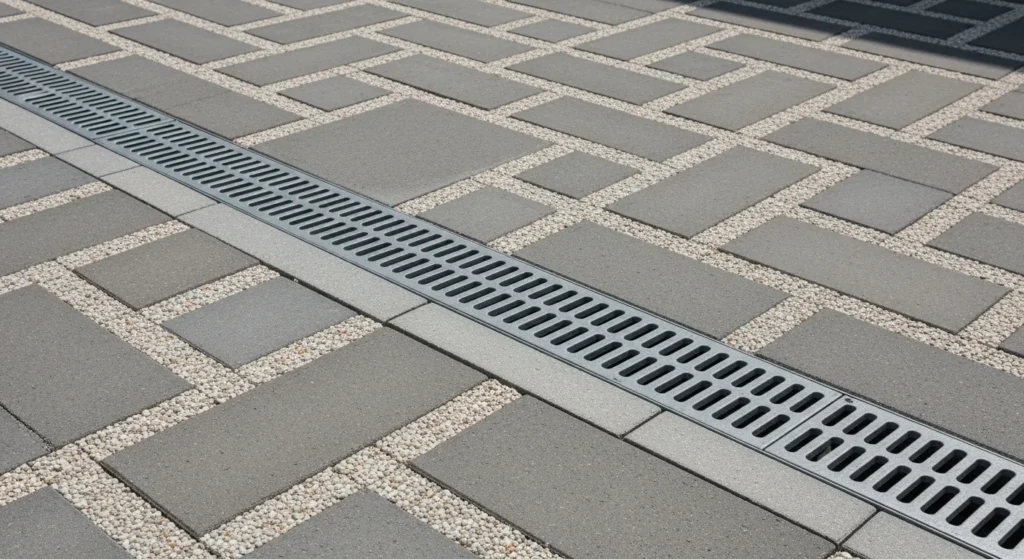
Permeable pavers surrounding storm drains create functional hardscape surfaces that complement the drainage infrastructure rather than competing with it visually. These specialized pavers feature wide joints or built-in gaps that allow water to percolate through the surface, reducing runoff while providing stable walking or driving surfaces. The drain grate becomes one element within a broader permeable surface rather than an isolated feature.
Permeable paver installations require proper base preparation to function effectively. Excavate the area to accommodate four to six inches of crushed stone base material, topped by one inch of bedding sand, and finally the pavers themselves. The stone base creates a reservoir that temporarily stores water before it infiltrates the soil or drains through connected systems.
Choose paver styles that coordinate with your home’s architecture and existing hardscape materials. Concrete pavers offer the widest variety of colors, shapes, and patterns at moderate cost. Natural stone pavers provide timeless beauty with unique color variations. Plastic grid systems filled with gravel or planted with grass create fully permeable surfaces suitable for moderate traffic.
Pattern the pavers to create visual interest that draws the eye across the entire surface rather than focusing on the drain location. Herringbone, basketweave, or running bond patterns all work well for permeable installations. Consider using contrasting colors or materials to define edges or create borders that further integrate the drain into the overall design scheme.
Adding Garden Benches and Seating
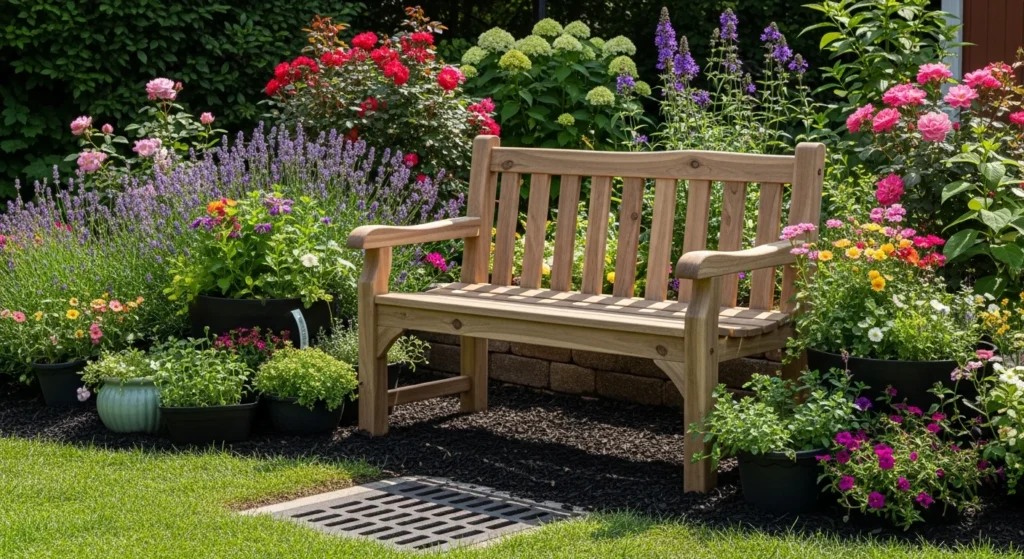
Strategically placed benches transform storm drain locations into destination points within your landscape. The seating structure casts shadows that help conceal the grate while providing a logical explanation for why a particular spot receives special treatment. This approach works best when the drain sits in an area that actually benefits from seating, such as near flower beds, water features, or pleasant views.
Select bench styles that match your landscape theme. Rustic wood benches suit cottage gardens and natural settings. Wrought iron or aluminum furniture complements formal designs. Contemporary concrete or composite materials work in modern landscapes. The key is ensuring the bench appears intentional rather than randomly placed to hide something.
Position benches slightly offset from the drain rather than directly over it. This placement allows the bench shadow to conceal the grate from most viewing angles while maintaining easy access for maintenance. Surrounding the bench with plantings, container gardens, or decorative elements creates a complete vignette that feels purposeful and inviting.
Enhance bench areas with mulched or graveled surrounds, stepping stone paths, and ambient lighting for evening enjoyment. These improvements transform problem areas into valued outdoor living spaces. The storm drain benefits from the concealment while you gain functional seating that encourages spending time in your backyard.
Painting and Artistic Treatments
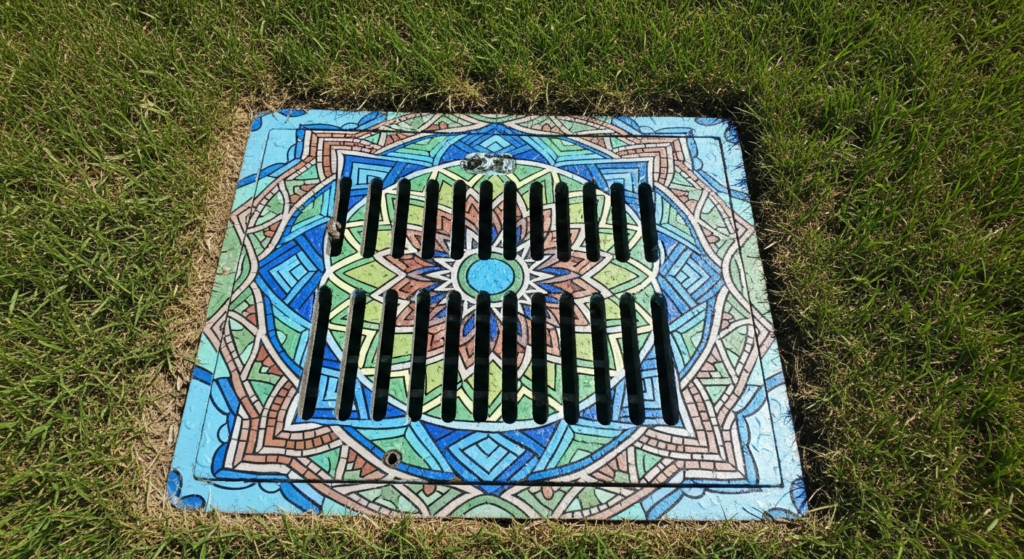
Paint offers one of the simplest and least expensive methods for disguising storm drain grates. Matching the grate color to surrounding surfaces helps it visually recede rather than standing out as a contrasting element. For grass locations, green paint blends the metal into the lawn. In paved areas, gray or tan tones coordinate with concrete or stone surfaces.
Take painting beyond basic camouflage by creating artistic designs that transform grates into decorative elements. Trompe l’oeil techniques can make flat metal surfaces appear three-dimensional or textured. Mandala patterns, geometric designs, or nature-inspired motifs turn utilitarian fixtures into yard art. This approach requires more skill but results in truly unique features that become conversation pieces rather than eyesores.
Prepare surfaces properly before painting to ensure long-lasting results. Clean grates thoroughly to remove dirt, rust, and debris. Apply rust-inhibiting primer designed for metal surfaces. Use exterior-grade paints formulated to withstand weathering, foot traffic, and temperature fluctuations. Multiple thin coats provide better coverage and durability than single thick applications.
Consider involving children in painting projects to create whimsical designs that reflect family personality. Handprints, colorful patterns, or imaginative scenes make the drain a source of pride rather than embarrassment. The participatory process builds memories while solving a practical problem.
Installing Artificial Turf Patches

Small sections of artificial turf placed over drain grates create nearly invisible coverage in lawn areas. Modern synthetic grass products closely mimic natural turf in color, texture, and appearance, making them difficult to distinguish from surrounding grass unless viewed at close range. The permeable backing allows water to drain through while the synthetic blades conceal the grate beneath.
Select artificial turf products specifically designed for drainage applications. These feature perforated backing with drainage rates that match or exceed natural grass infiltration. Avoid dense putting-green-style turf that might restrict water flow. Choose grass colors and blade lengths that match your existing lawn for seamless integration.
Cut artificial turf pieces slightly larger than the drain grate to ensure complete coverage with some overlap onto surrounding grass. Secure edges with landscape staples or adhesive to prevent shifting during storms or mowing. The turf can be temporarily removed for drain maintenance and easily replaced afterward.
This solution works best in lawns maintained at standard mowing heights where the artificial section blends naturally. In warm-season grass regions where lawns go dormant and brown in winter, the evergreen artificial turf patch will stand out during off-season months. Cool-season lawns maintain better year-round color matching.
Building Water Feature Integrations
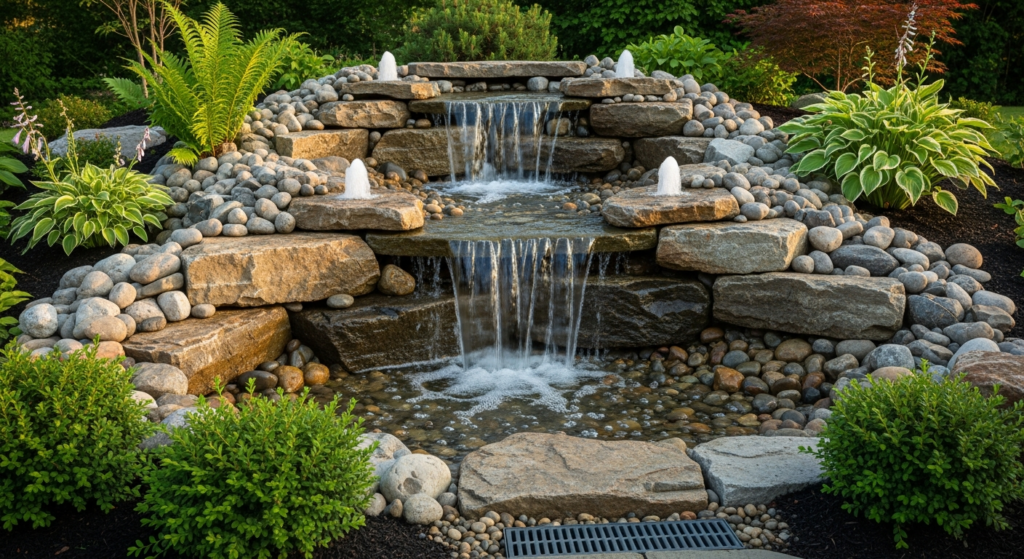
Water features like small ponds, fountains, or waterfalls can incorporate storm drains as functional components rather than hiding them. The drain serves as overflow protection during heavy rains while the decorative water element provides the primary visual focus during normal conditions. This ambitious approach requires more planning and investment but delivers exceptional results.
For pond installations, position the storm drain at the pond’s edge or beneath a constructed waterfall. During rain events, excess water flows over the pond rim into the drain. Build pond edges with natural stone stacked to conceal the drain grate while allowing water access. The sound of water cascading over stones into the drain mimics natural streams.
Fountain features can surround drain locations with basin reservoirs that catch and recirculate water for the fountain display. When rain exceeds the basin capacity, overflow drains through the storm drain system. The fountain becomes the attention-grabbing element while the drain functions quietly in the background.
Small pondless waterfall systems work particularly well with storm drains. Water pumps from a hidden reservoir through stacked stones, creating the sight and sound of running water. The reservoir sits atop the drain grate, using it as an overflow during storms. Surrounding stones, plants, and mulch complete the natural appearance.
Creating Mosaic Tile Designs

Mosaic tiles transform ordinary drain covers into colorful artistic expressions. This technique involves adhering small glass, ceramic, or stone tiles to the grate surface in decorative patterns. The finished mosaic becomes a garden focal point that celebrates the drain location rather than apologizing for it. Artistic homeowners can create custom designs while beginners can follow simple geometric patterns.
Clean and prepare the drain grate surface by removing rust and applying metal primer. Sketch your desired design on paper before beginning tile placement. Simple patterns like concentric circles, radiating lines, or color gradients work well for first attempts. More complex designs might incorporate images, symbols, or abstract compositions.
Use outdoor-rated thin-set mortar and grout products designed for freeze-thaw stability. Apply tiles working from the center outward to maintain pattern symmetry. Keep tiles small enough to fit within the grate openings while ensuring adequate spacing for water to flow through. After tiles are set, apply grout in colors that complement or contrast with the tile selection.
Seal completed mosaics with penetrating sealers to protect against water damage and staining. The sealed surface withstands foot traffic, weather exposure, and periodic cleaning. Mosaic drain covers become legitimate artwork pieces that enhance landscape value while serving their practical drainage purpose.
Disguising with Decorative Outdoor Rugs
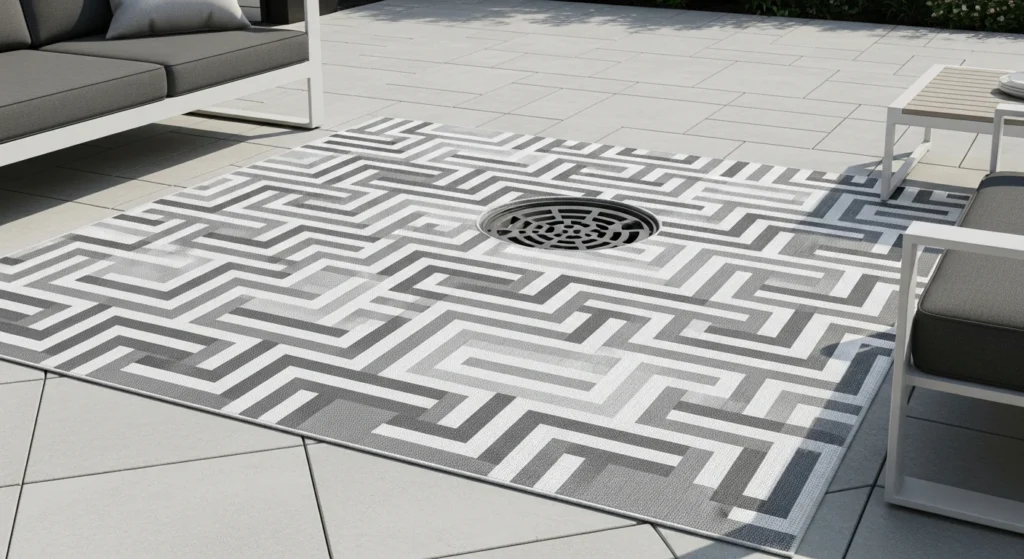
Weather-resistant outdoor rugs provide quick, temporary coverage for storm drains in patio or deck areas. Modern outdoor rugs resist fading, mildew, and moisture while offering countless design options from traditional patterns to contemporary graphics. The rug conceals the drain while defining outdoor living spaces and adding color, texture, and comfort underfoot.
Choose rugs sized appropriately to cover the drain completely while fitting proportionally within the surrounding space. Secure corners with outdoor-safe adhesive strips or weights to prevent shifting in wind. Select permeable rug constructions that allow water to drain through during rain rather than pooling on the surface.
This approach works best for drains in covered outdoor spaces like screened porches or pavilions where rugs remain relatively protected from weather extremes. Uncovered patio drains can use outdoor rugs seasonally, removing them during winter or heavy rain periods. The ability to change rugs allows updating the color scheme and style as desired.
Layer outdoor rugs over other concealment methods like painted grates or decorative covers for maximum effect. The combination provides visual interest at multiple levels while maintaining practical accessibility. Simply roll back the rug when drain maintenance becomes necessary.
Installing Drainage Swales and Bioswales
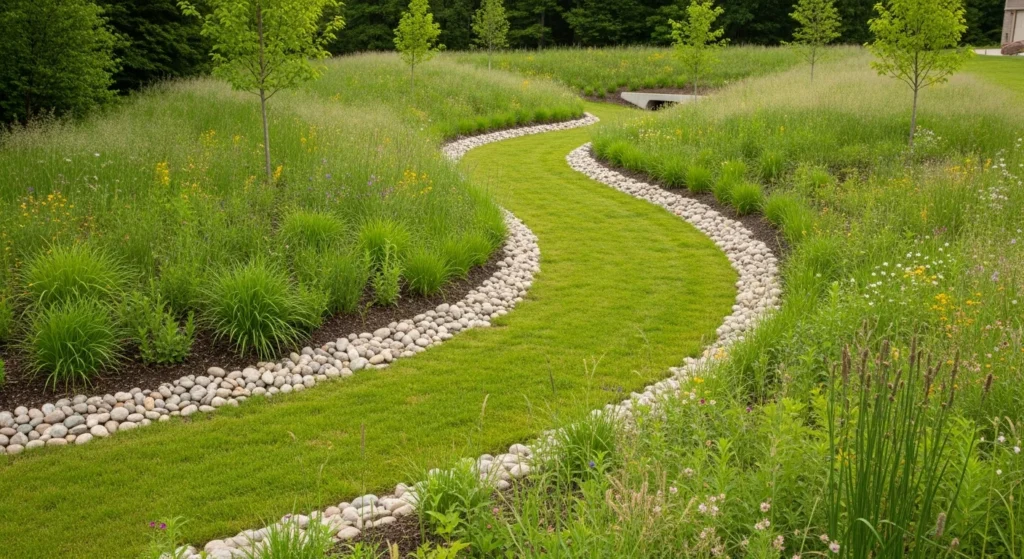
Shallow vegetated channels called swales direct water flow toward storm drains while appearing as intentional landscape features. These grass-lined or planted depressions slow runoff, filter pollutants, and guide water to collection points. The drain becomes the logical end point of an attractive, functional system rather than an isolated fixture.
Design swales with gentle side slopes and gradual grades that promote slow water movement and infiltration. Typical dimensions include twelve to twenty-four-inch depths and three to six-foot widths, depending on the volume of water they must convey. Shape swales with curves and bends that appear natural while following appropriate drainage paths.
Plant swales with durable grass species for simple maintenance or native wildflower and grass combinations for ecological benefits. The vegetation stabilizes soil, filters runoff, and adds seasonal color. Mow grass swales regularly to maintain tidy appearances. Naturalized plantings require less frequent maintenance while supporting pollinators and wildlife.
Edge swales with river rocks, split rail timbers, or native stone to define boundaries and prevent erosion. These edges help separate the swale from adjacent lawn or garden areas while adding visual interest. The drain grate appears as a natural component of the water management system rather than an afterthought.
Using Removable Decorative Covers
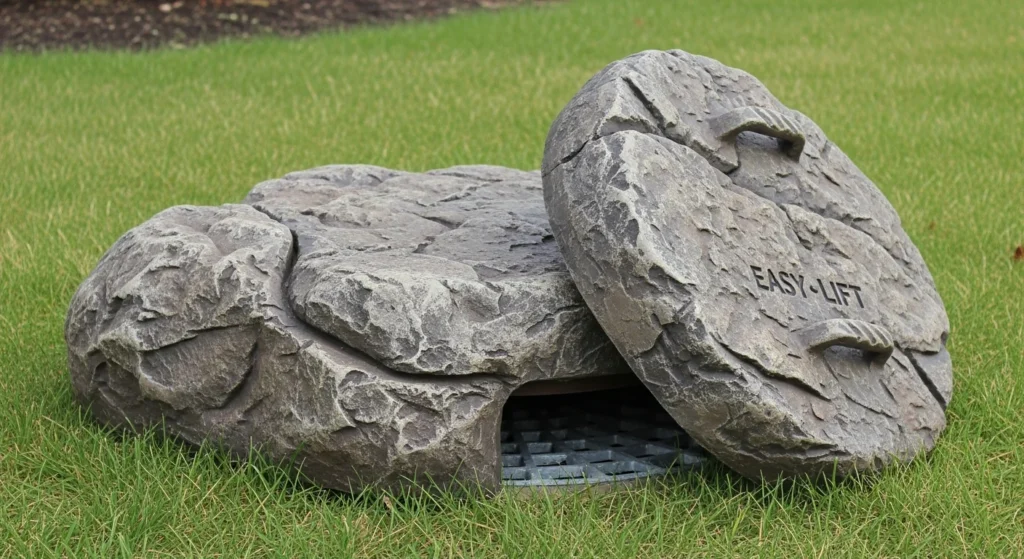
Specially designed decorative covers lift off for maintenance access while providing attractive screening during normal use. These products range from simple metal or plastic shells to elaborate custom-fabricated enclosures. The removable design acknowledges that drain access remains necessary while prioritizing aesthetics between maintenance events.
Lightweight covers made from weather-resistant plastics or fiberglass mimic natural materials like stone or wood without excessive weight. Realistic faux rock covers blend into boulder gardens or naturalistic landscapes. Wood-look covers coordinate with deck and fence materials. Select designs that complement your existing landscape rather than introducing jarring new elements.
Custom metal fabrications offer ultimate design flexibility for homeowners seeking one-of-a-kind solutions. Local metalworkers can create laser-cut patterns, sculptural forms, or geometric structures that align perfectly with your aesthetic vision. Powder coating in custom colors ensures long-lasting beauty and rust resistance.
Ensure removable covers include handles, grips, or recessed areas that facilitate lifting without special tools. The cover should fit securely enough to resist wind displacement but not so tightly that removal requires excessive effort. Test the cover periodically to verify you can access the drain easily when needed.
Building Stepping Stone Paths
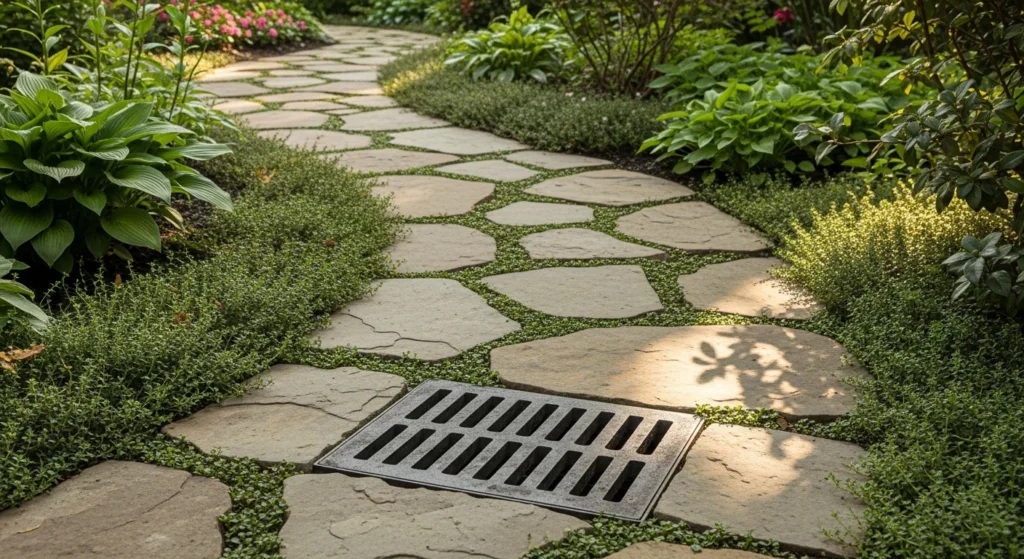
Stepping stone paths that incorporate the drain grate as one of the stones cleverly disguise the fixture as a functional landscape element. This approach works when the drain location aligns logically with desired walking routes through your yard. The grate becomes just another step rather than a distinct feature requiring explanation.
Select stepping stones that match the drain grate in size or create a pattern that incorporates the grate proportionally. Natural flagstone, concrete pavers, or large flat rocks work well for informal paths. Space stones at comfortable walking intervals, typically twelve to eighteen inches apart for adult strides.
Prepare the stepping stone path by excavating slightly for each stone to create level, stable surfaces. Bed stones in sand or fine gravel for stability and drainage. The drain grate should sit at the same height as surrounding stones to prevent tripping hazards. If the grate sits too high or low, adjust the surrounding grade or grate height to achieve uniformity.
Fill spaces between stepping stones with groundcover plants, decorative gravel, or mulch to complete the cohesive design. The path should appear purposeful and well-planned rather than random. Adequate lighting along the path ensures safe navigation at night while showcasing the attractive installation.
Creating Xeriscaping Designs
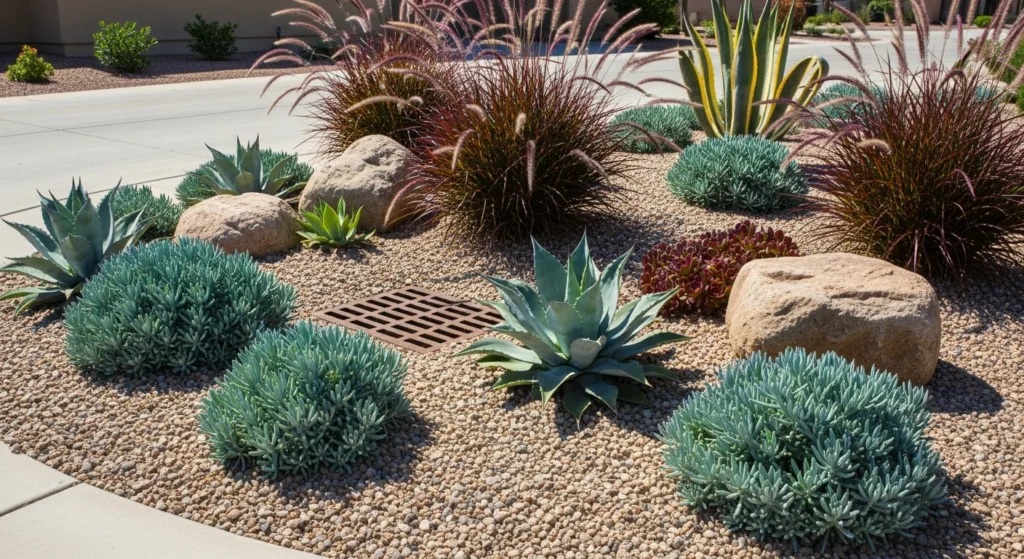
Drought-tolerant xeriscaping that incorporates decorative rocks, succulents, and low-water plants provides effective drain concealment while conserving water resources. These designs embrace the drain as part of a broader strategy celebrating resourceful water management rather than trying to hide it completely. The result is environmentally responsible landscaping with exceptional visual appeal.
Design xeriscape areas with layers of different materials and textures. Start with decomposed granite, gravel, or crushed rock as the base layer. Add larger boulders and specimen rocks as focal points. Intersperse drought-tolerant plants like agave, yucca, sedums, and native grasses at strategic intervals. The drain grate becomes one element within this diverse composition.
Select materials in complementary color families for cohesive appearance. Tan and gray rocks pair well with blue-green succulents. Rust-colored decomposed granite complements burgundy sedums and purple ornamental grasses. The drain grate can be painted to coordinate with the predominant material colors.
Edge xeriscape areas clearly to distinguish them from adjacent lawn or traditional garden beds. Metal edging, natural stone borders, or brick mowing strips all work well. The defined perimeter signals intentional design choices rather than haphazard material placement. Xeriscaping around drains reduces maintenance needs while creating sustainable, attractive landscapes.
Installing Channel Drain Systems
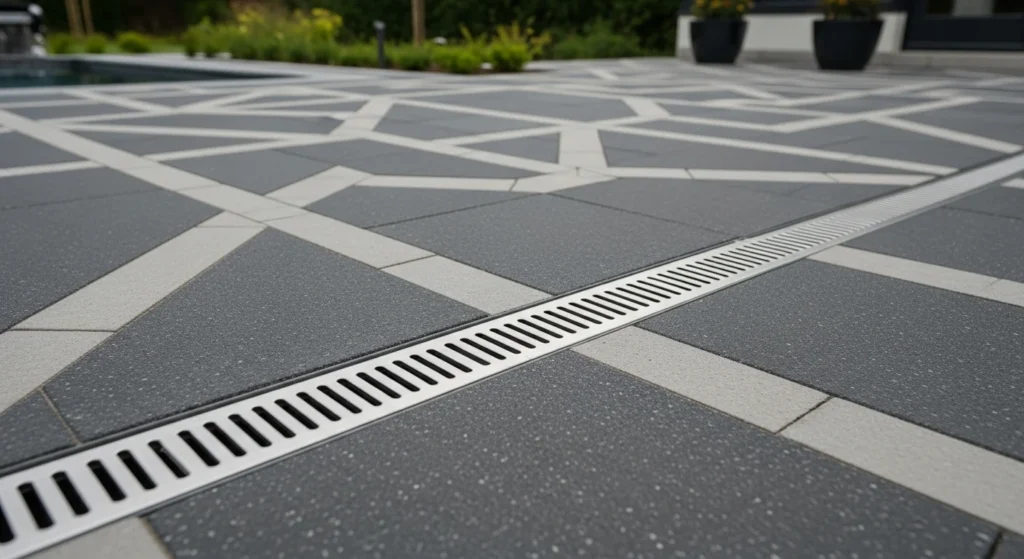
Linear channel drains with decorative grate covers create sleek, contemporary alternatives to traditional round drain basins. These systems feature long, narrow trenches covered with stylish grates that blend more easily into modern landscape designs. While this requires replacing existing drainage infrastructure, the improved aesthetics often justify the investment.
Channel drains excel in paved areas like driveways, patios, and walkways where linear features complement the geometric nature of hardscape installations. The narrow profile makes them less visually dominant than large circular grates. Modern designs include options like slot drains with minimal surface interruption or decorative grates with attractive patterns.
Install channel drains along the edges of paved surfaces or as integrated elements within the paving pattern. Proper installation requires precise grading to ensure water flows toward the drain and adequate base preparation to prevent settling. Many systems include catch basins and connection points for underground drainage pipes.
Select grate styles that coordinate with your hardscape materials and architectural style. Stainless steel grates offer contemporary appeal and durability. Cast iron provides traditional aesthetics. Decorative patterns ranging from wave designs to perforated grids allow customization. The unified appearance of a well-designed channel drain system elevates the entire landscape’s professional quality.
Implementing Smart Grading Solutions
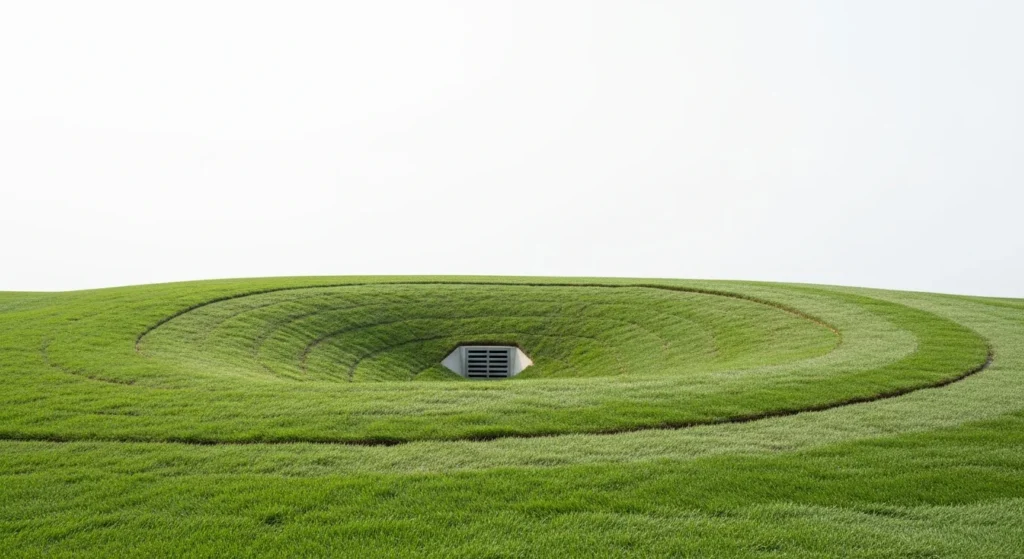
Sometimes the best solution for hiding storm drains involves improving the surrounding grade to minimize their visual prominence. Strategic earth moving and regrading can lower grates relative to the surrounding terrain or create subtle depressions that reduce sightlines to the drain from primary viewing areas. This foundational approach often works best combined with other concealment techniques.
Professional grading ensures water still flows efficiently toward the drain while reducing its visual impact. Subtle berms positioned strategically can block direct sightlines from patios, windows, or other frequently occupied areas. The drain remains accessible but becomes less obvious from everyday vantage points.
Lowering a drain grate slightly below the surrounding grade helps it disappear into the landscape, particularly in lawn areas where grass can grow right to the edge. However, the grate must remain high enough above the buried drain box to prevent soil from washing into the system. Professional installation ensures appropriate depths and relationships.
After regrading, establish grass, groundcovers, or other plantings quickly to stabilize the new contours and complete the natural appearance. Erosion control measures like mulch or temporary erosion blankets protect bare soil until vegetation establishes. The improved grading provides a better foundation for any additional concealment methods you choose to implement.
Incorporating Retaining Wall Features
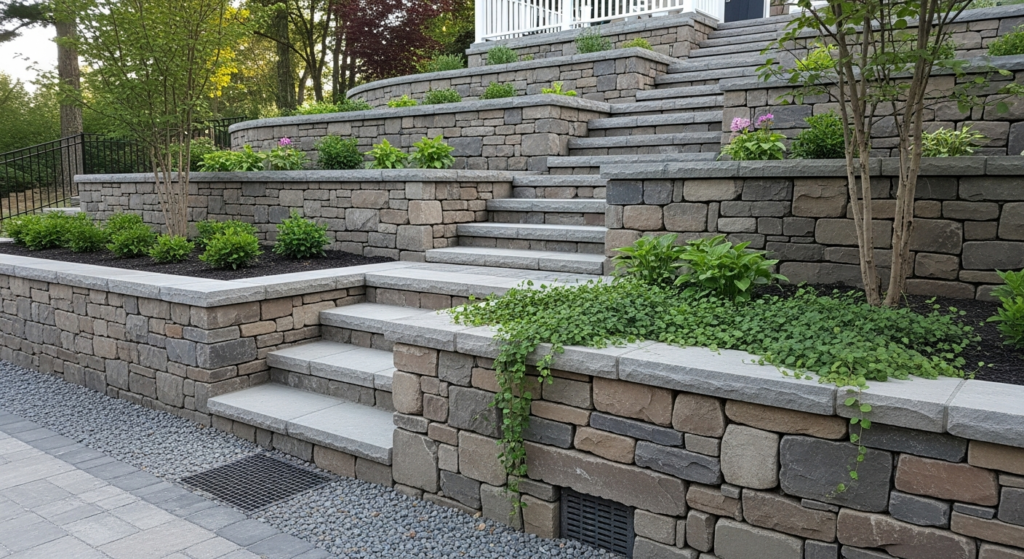
Retaining walls built around or near storm drains can create terraced landscapes that shift attention away from the drainage fixture while adding dimensional interest to flat yards. The drain becomes a functional component of the broader terracing system rather than an isolated problem feature. This approach works particularly well on sloped properties where retaining walls serve obvious structural purposes.
Design retaining walls that create planting beds at different elevations, with the storm drain positioned at the lowest level where water naturally collects. The wall structure frames the drain area while elevated plantings draw the eye upward. Natural stone, concrete block, or timber walls all work depending on your landscape style and budget.
Incorporate the drain into the wall design by building around it rather than over it, ensuring maintenance access remains possible. Some designs position drains behind retaining walls where they collect water that seeps through the wall structure. Others place drains at the base of walls in swales or drainage channels.
Plant the terraced beds created by retaining walls with cascading plants that spill over the edges, drawing attention to the lush vegetation rather than the infrastructure below. Lighting integrated into the wall structure adds nighttime appeal while highlighting the plantings. The complete installation transforms a utilitarian drain location into a sophisticated landscape feature.
Building Fire Pit Surrounds
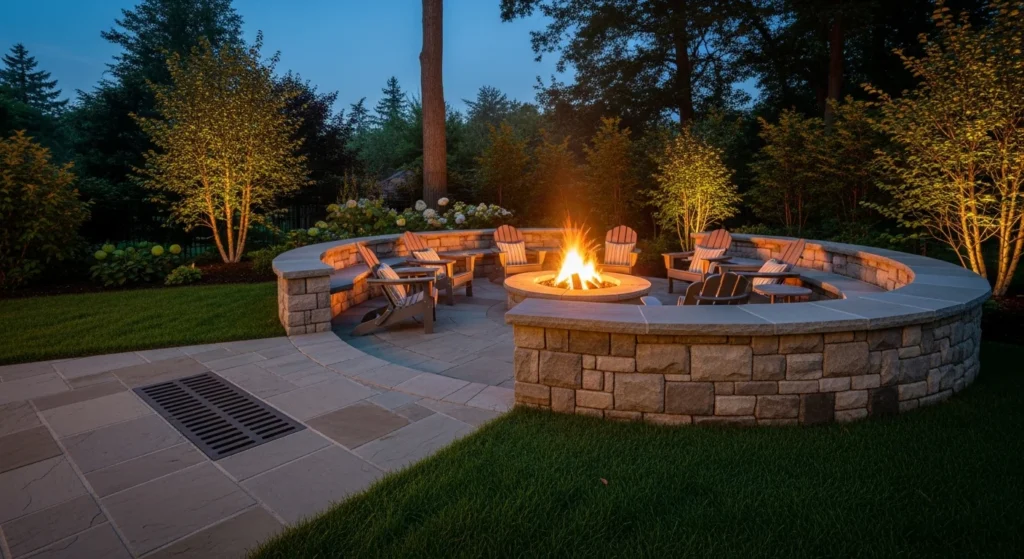
Fire pits constructed around or near storm drains cleverly repurpose problem areas into desirable gathering spaces. The drain handles overflow from the fire pit area while the structure itself conceals the grate from most viewing angles. This creative solution requires careful planning to ensure safe fire pit operation while maintaining drain functionality.
Position fire pits slightly offset from drains rather than directly over them to prevent heat damage to drain components. The fire feature becomes the visual focal point while its shadow and surrounding materials help obscure the drain. Built-in seating walls around the fire pit further screen the drain from view.
Use the drain beneficially by sloping the fire pit surround to direct water toward it during rain events. This prevents pooling in the fire pit depression and ensures the area dries quickly after storms. The drain becomes a practical asset for the fire pit installation rather than an unrelated fixture requiring concealment.
Select fire pit materials and designs that complement your overall landscape aesthetic. Natural stone surrounds suit rustic or traditional yards. Contemporary steel or concrete fits modern designs. The investment in a quality fire pit delivers entertainment value while solving the drain concealment challenge, making it a dual-purpose improvement.
Conclusion
Storm drains need not remain ugly blemishes marring your backyard’s beauty. The nineteen-plus strategies outlined in this guide demonstrate that effective concealment is entirely achievable through natural, decorative, and structural solutions. From simple plant arrangements and painted grates to ambitious water features and fire pit installations, options exist for every budget, skill level, and landscape style.
The most successful drain concealment strategies share several characteristics. They maintain full drain functionality without blocking water flow or restricting maintenance access. They appear as intentional design elements rather than afterthoughts or cover-ups. They complement the surrounding landscape rather than introducing jarring visual elements. They acknowledge that drains serve important purposes worthy of thoughtful integration rather than desperate hiding.
When selecting among these approaches, consider your yard’s specific conditions including sun exposure, soil type, existing landscaping, and typical drainage patterns. Evaluate your maintenance willingness since some solutions require more ongoing care than others. Factor in budget constraints while recognizing that drain concealment often delivers value beyond aesthetics by creating functional outdoor spaces you actually use.
Start with simple, reversible techniques like plant arrangements or decorative stones before committing to permanent installations. Observe how solutions perform through complete weather cycles including heavy rains that test drainage capacity. Refine your approach based on real-world results, adding layers of concealment until you achieve the desired balance of beauty and function.
Remember that storm drains protect your property from water damage worth thousands of dollars in potential repairs. Treating these fixtures as design opportunities rather than necessary evils shifts your perspective and opens creative possibilities. With the right approach, your storm drain can transition from backyard eyesore to integrated landscape element that enhances rather than detracts from your outdoor environment.
Frequently Asked Questions
Can I permanently cover a storm drain in my backyard?
No, storm drains must remain accessible for periodic maintenance and cleaning. Use removable covers, lightweight materials, or plantings that can be temporarily relocated when access is needed. Permanently sealing or building over drains creates safety hazards and may violate local codes. Most municipalities require clear access to drainage infrastructure.
Will planting around storm drains block water flow?
Strategic plantings around drains enhance appearance without blocking water if done correctly. Use shallow-rooted ground covers rather than deep-rooted trees or shrubs. Maintain clear space immediately around the grate opening. Select plants that tolerate both wet and dry conditions since the area experiences moisture fluctuations during rain events.
How do I know if my storm drain is public or private?
Check your property survey or contact local municipal offices to determine drain ownership. Drains within public easements or connecting to municipal systems typically belong to the city. Private drains on your property remain your responsibility. Ownership determines who maintains the drain and what modifications are permitted.
What is the best low-maintenance solution for hiding storm drains?
Decorative stone arrangements require minimal upkeep while effectively concealing drains. River rocks, gravel beds, or dry creek bed designs need occasional replenishing but no watering, fertilizing, or regular maintenance. Alternatively, decorative grate replacements provide permanent solutions requiring only periodic cleaning with no landscape maintenance.
Are there safety concerns with hiding storm drains?
Yes, concealment methods must not create tripping hazards or prevent people from seeing the drain location. Avoid designs that encourage walking directly on grates which could shift or break. Ensure adequate lighting in areas where concealed drains might pose navigation risks. Never block drainage flow which could cause flooding or property damage.


One Comment