15+ Kitchen Peninsula Ideas Attached to Walls
The kitchen is the heart of every home, and its layout determines how efficiently and comfortably that heart beats every single day. Among all the design choices available to homeowners today, the kitchen peninsula attached to a wall stands out as one of the most versatile, practical, and visually rewarding additions you can make. It delivers the benefits of a kitchen island without demanding the same square footage, making it a smart solution for both compact apartments and generously sized homes alike.
A kitchen peninsula is a counter extension that connects to a wall on one end and remains open on the remaining three sides. This single structural characteristic sets it apart from a freestanding island and opens up a remarkable range of design possibilities. Whether you want additional prep space, casual dining seating, integrated storage, or a natural room divider between your kitchen and living area, a wall-attached peninsula can accomplish all of these goals within a single well-planned feature.
This article explores 15 of the most inspiring and functional kitchen peninsula ideas attached to walls, covering everything from layout variations and countertop selections to seating arrangements and lighting choices. Whether you are planning a full renovation or a focused upgrade, these ideas will give you the direction and confidence to transform your kitchen into a space that works beautifully for your lifestyle.
1. The Classic L-Shaped Peninsula Layout
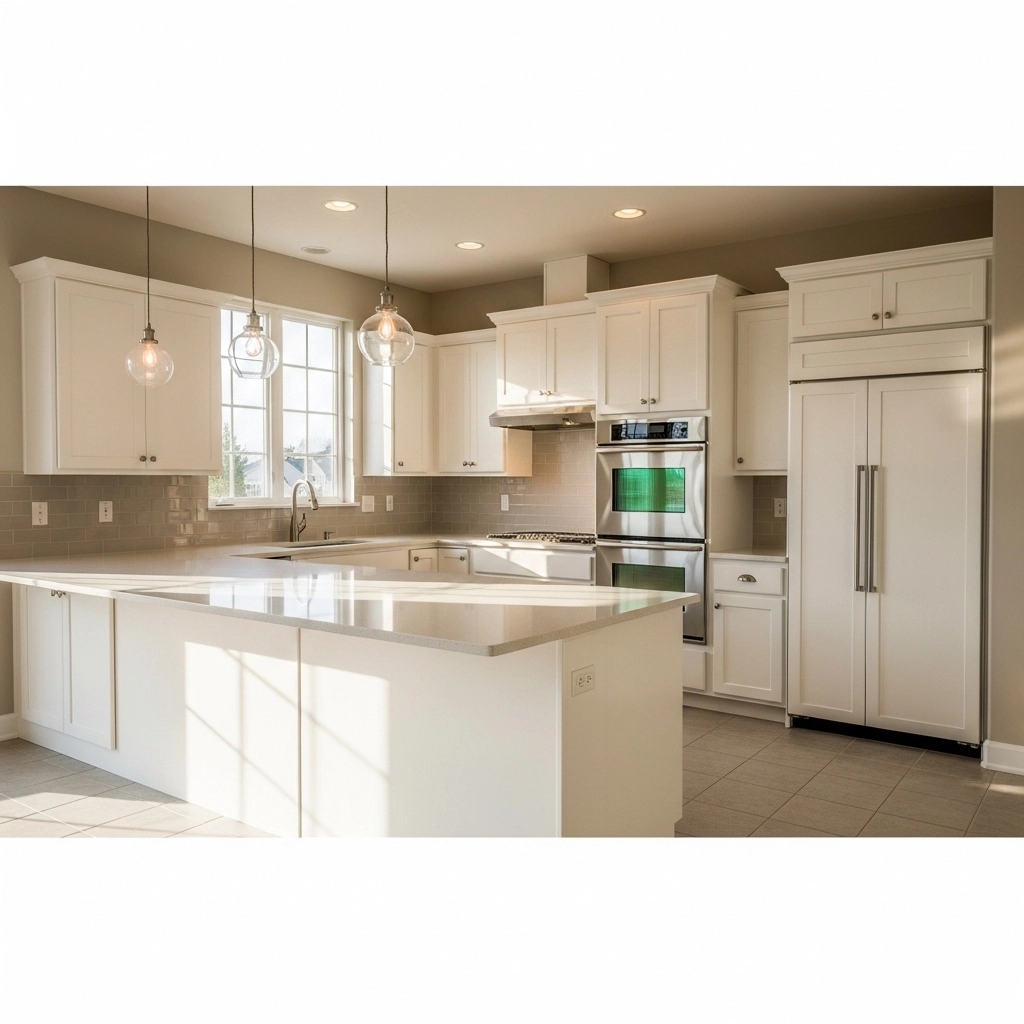
The L-shaped kitchen peninsula is the most widely used configuration among homeowners and designers alike. In this layout, the peninsula extends perpendicularly from an existing wall of cabinets, creating an L-shape that dramatically expands the available counter space and storage capacity. This arrangement establishes a natural work triangle between the sink, stove, and refrigerator, which is widely considered the gold standard for kitchen workflow efficiency.
For smaller kitchens, the L-shaped peninsula makes the space feel larger while still delivering meaningful functionality. For larger kitchens, it creates defined cooking and prep zones that keep the room organized and purposeful. Paired with shaker-style cabinetry and a quartz countertop, this layout strikes a balance between timeless design and modern sensibility.
2. The U-Shaped Peninsula for Maximum Counter Space
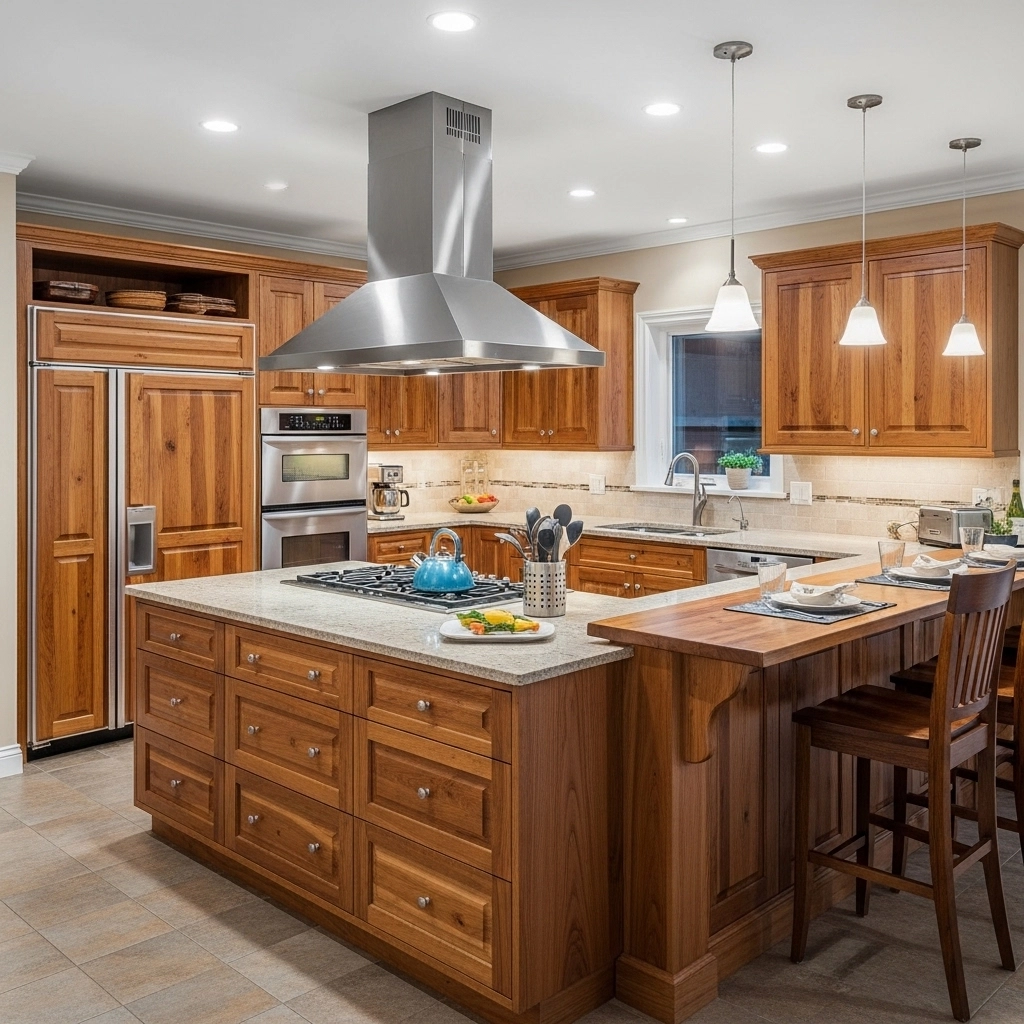
Adding a peninsula to an existing L-shaped kitchen creates a U-shaped layout that surrounds the cook on three sides with countertop and storage. This is the preferred choice for avid home cooks who demand maximum workspace without compromise. The wall-attached end of the peninsula anchors the entire configuration, keeping the layout stable while the open sides remain accessible for movement and seating.
The U-shaped peninsula kitchen works particularly well in medium to large kitchens where the additional cabinetry does not create a cramped feeling. Deep drawers on the interior face of the peninsula can hold pots, pans, and baking sheets, while the exterior face can accommodate open shelving or decorative paneling that faces the living space.
3. The G-Shaped Peninsula for Storage-Intensive Kitchens
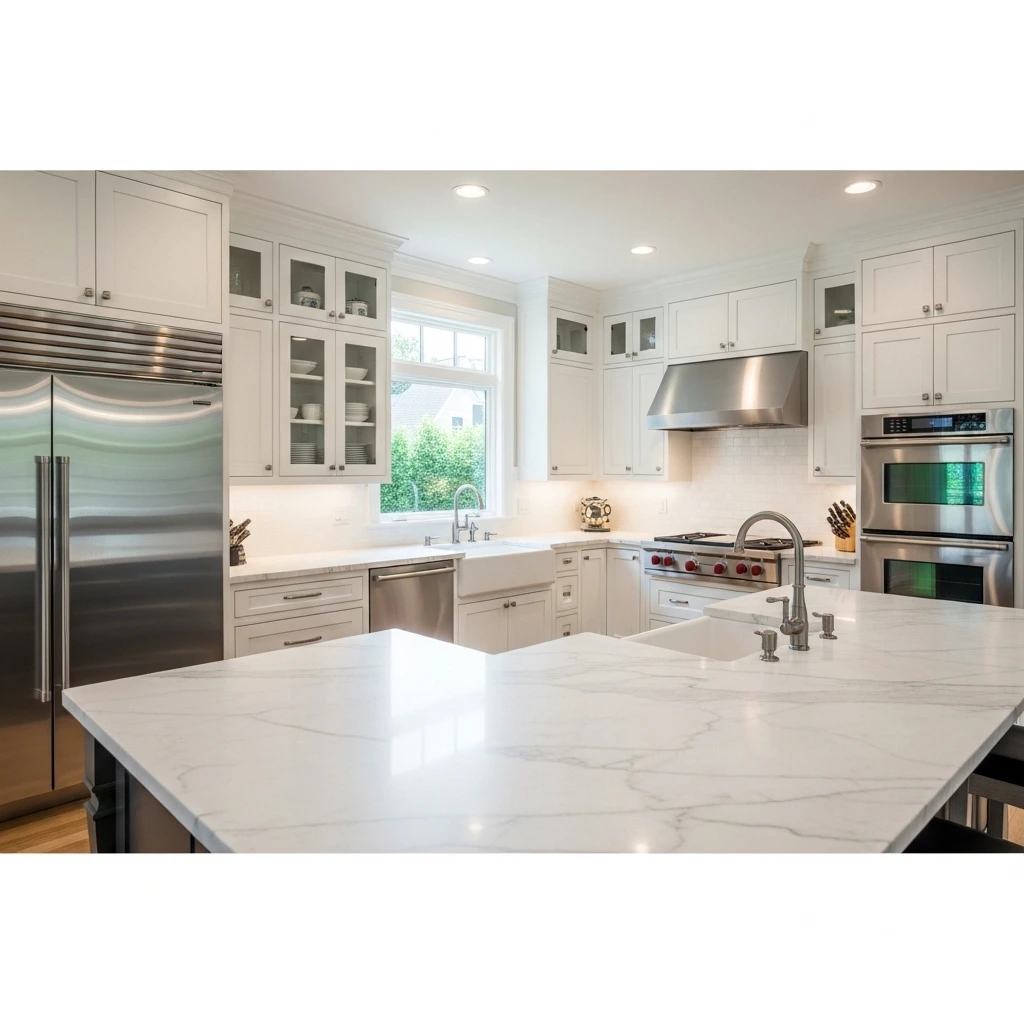
The G-shaped kitchen takes the U-shaped layout one step further by adding a partial fourth wall of cabinetry, creating a peninsula that partially encloses the cooking area. This configuration is ideal for households that need an extraordinary amount of storage and counter space, such as large families or those who cook and entertain frequently.
Optimizing the G-Shape Layout
The key to making a G-shaped peninsula work is ensuring that the opening remains wide enough for comfortable movement. A minimum clearance of 42 inches between the peninsula and the opposite cabinetry is strongly recommended, with 48 inches being the preferred standard for households with multiple cooks. This layout benefits greatly from a cohesive cabinetry design that runs continuously around the perimeter, giving the entire kitchen a polished, built-in appearance.
4. Peninsula with Seating and Bar Stools
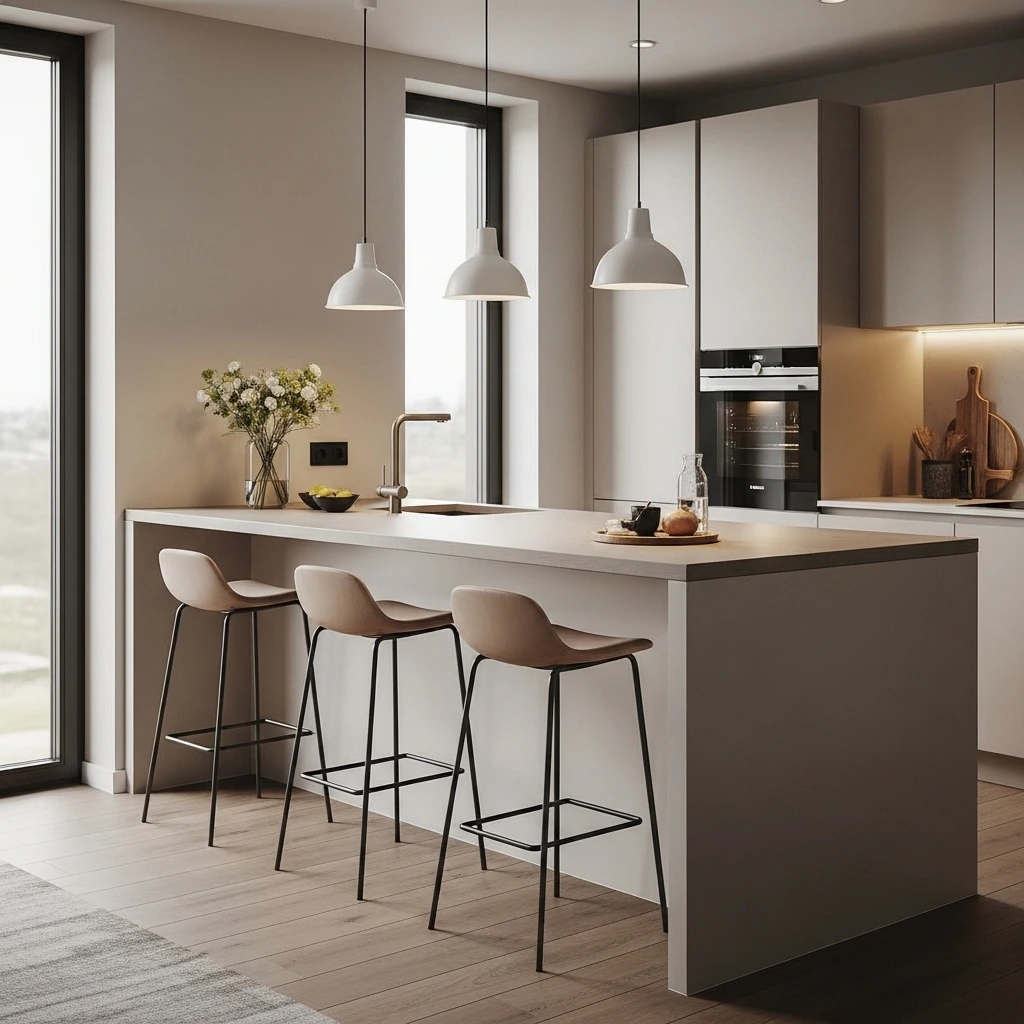
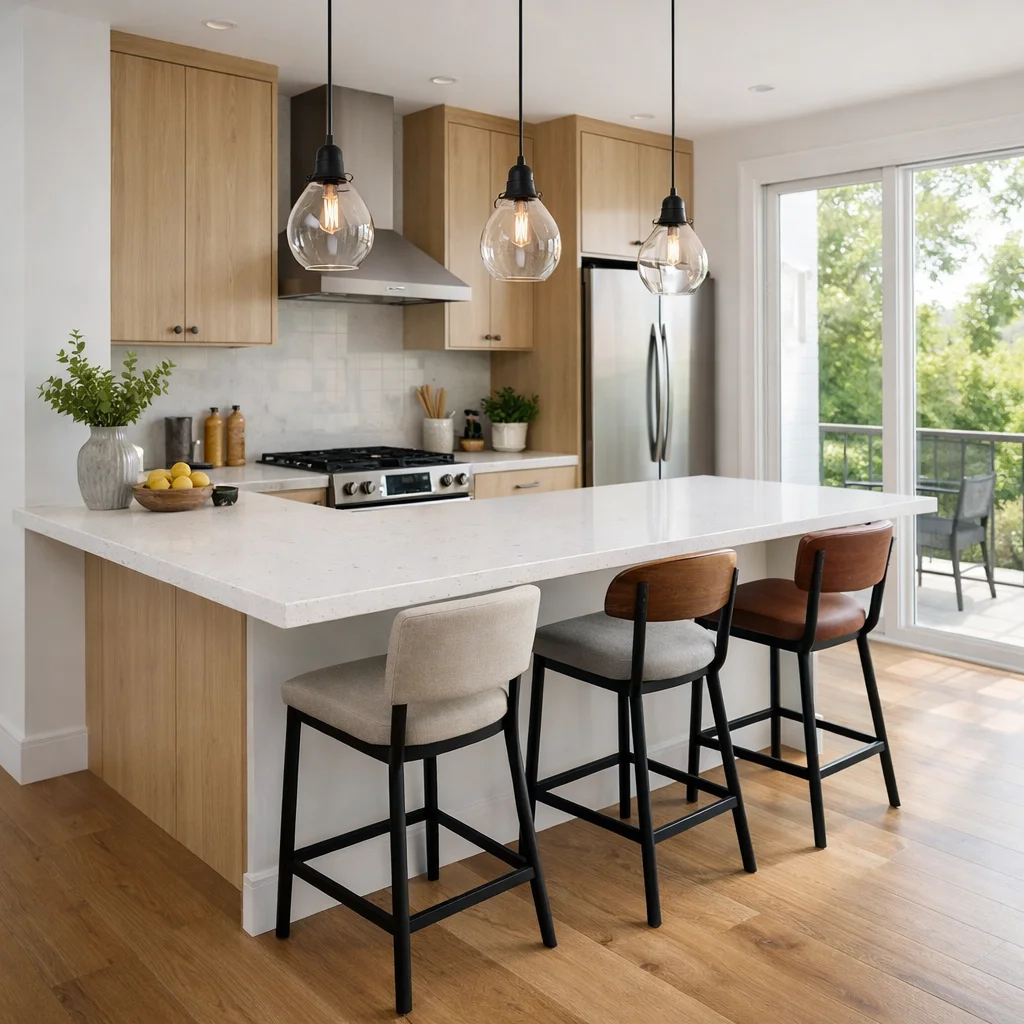
One of the most popular reasons homeowners choose a wall-attached peninsula over a simple counter extension is the opportunity to incorporate casual seating. By allowing the countertop to overhang on the open side of the peninsula, you create a natural bar-style seating area that accommodates two to four bar stools. This transforms the peninsula into a multifunctional hub where family members can sit for breakfast, children can do homework, and guests can socialize while meals are being prepared.
The overhang should extend at least 12 inches to provide adequate knee clearance for seated guests. For standard counter height of 36 inches, standard bar stools at 24 to 26 inches work well. For a raised breakfast bar at 42 inches, counter-height stools at 28 to 30 inches are the appropriate choice.
5. Peninsula with Integrated Sink
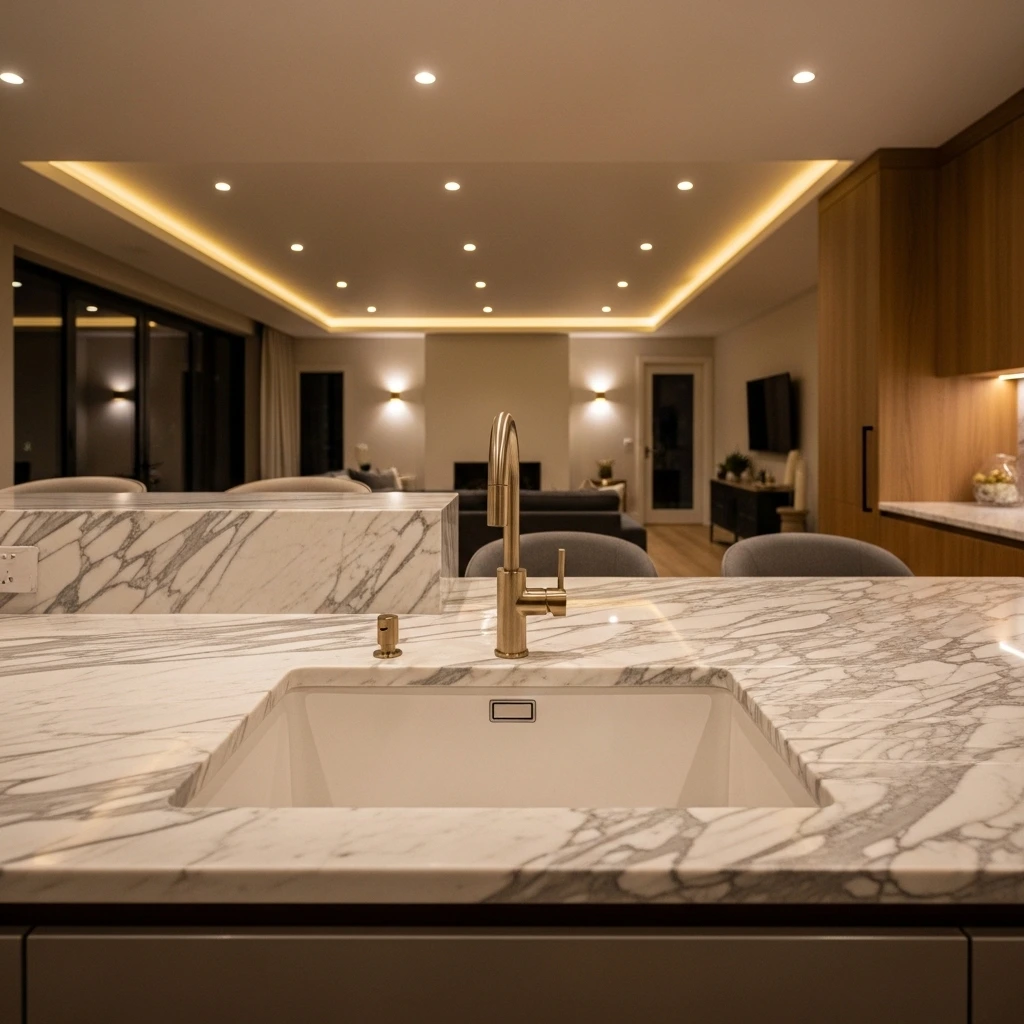
Installing a sink within the peninsula is a highly practical design decision that adds meaningful functionality while creating a natural focal point in the kitchen. A peninsula sink positioned facing the living room or dining area allows the cook to face guests and family members while washing dishes or preparing ingredients, eliminating the isolated feeling of working at a wall-mounted sink.
Choosing the Right Sink Style
An undermount sink is the most popular choice for peninsula installations because it creates a seamless countertop surface that is easy to clean and visually elegant. A farmhouse-style apron sink can also work beautifully in a peninsula setting, particularly in rustic or transitional kitchen designs. Whichever style you choose, ensure the plumbing connection to the wall is properly planned during the rough-in stage of construction, as retrofitting a sink into an existing peninsula requires significant work.
6. Peninsula with Integrated Cooktop
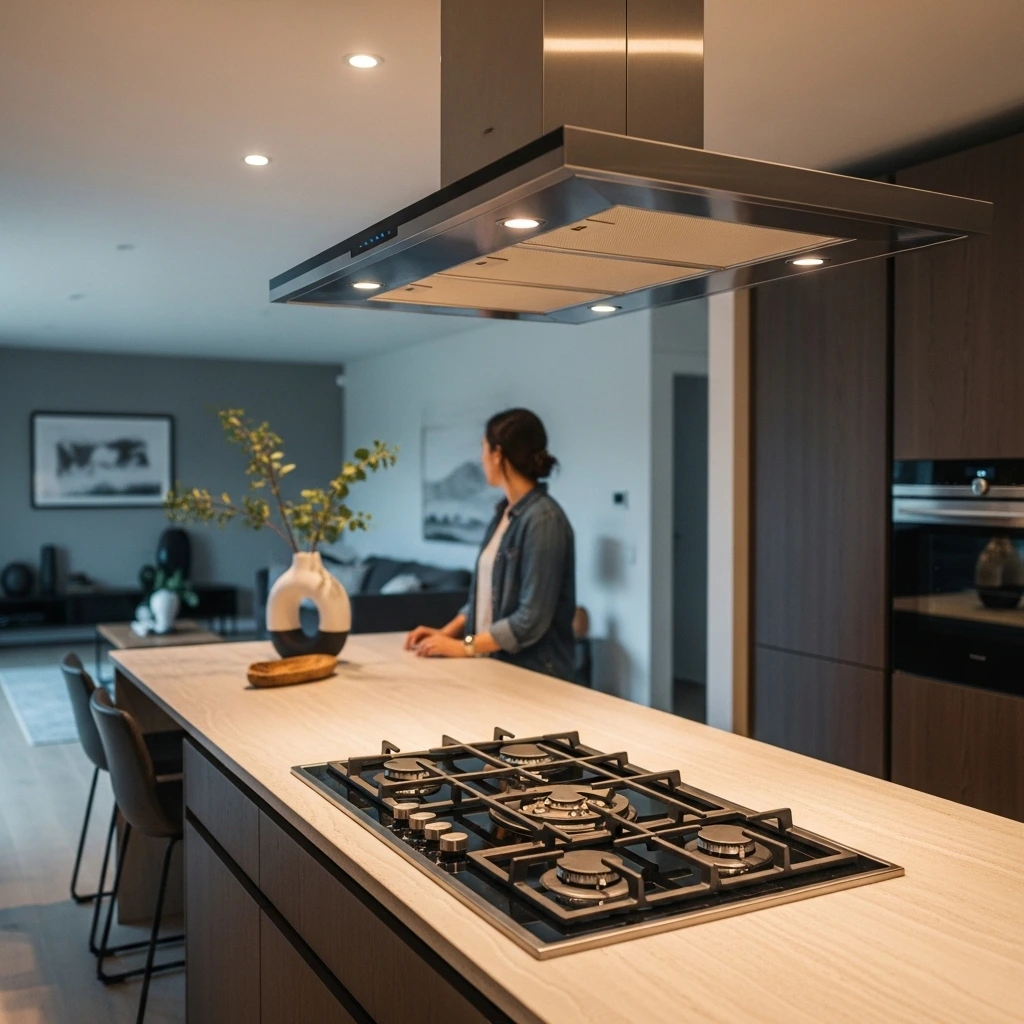
Placing a cooktop within the peninsula is a bold design move that pays off significantly in terms of functionality and visual drama. It allows the cook to face outward toward the dining or living area while cooking, creating a social cooking environment that keeps the kitchen connected to the rest of the home. This setup also frees up valuable counter space along the back wall for other appliances, prep surfaces, or decorative elements.
A peninsula cooktop requires a well-designed ventilation solution. A ceiling-mounted range hood directly above the peninsula is the most effective option and adds a strong architectural element to the space. Downdraft ventilation systems are a cleaner alternative for those who prefer an unobstructed sightline above the peninsula.
7. Marble Countertop Peninsula for Luxury Appeal
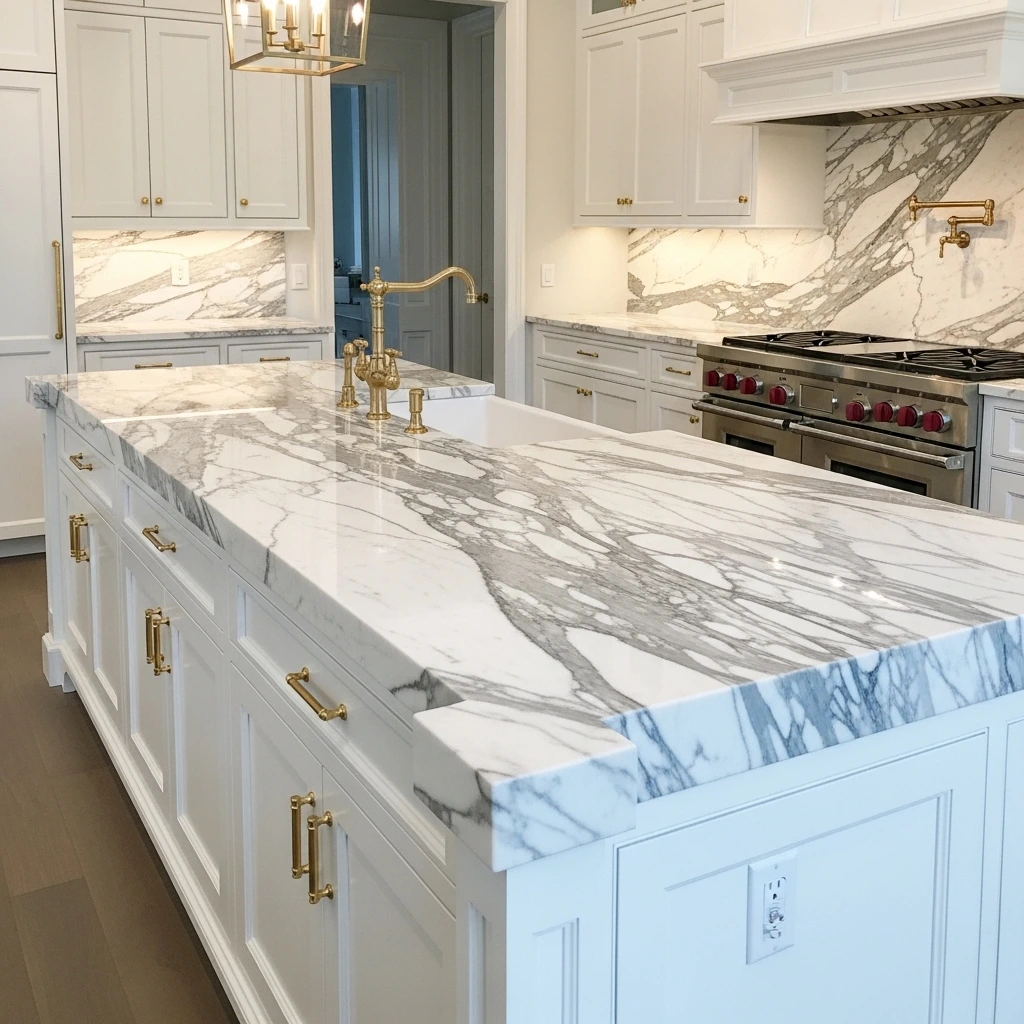
The countertop material you choose for a wall-attached peninsula significantly influences the overall look and feel of the kitchen. Among all available options, marble remains the most coveted choice for its natural veining, cool surface, and timeless elegance. A marble peninsula countertop instantly elevates the perceived value and sophistication of any kitchen, from a contemporary urban apartment to a grand country estate.
Calacatta and Carrara marble are the two most popular varieties for kitchen peninsulas. Calacatta offers bold, dramatic veining against a bright white background, while Carrara delivers a softer, more subtle pattern with light grey veining. Both require sealing to prevent staining, and both reward careful maintenance with decades of breathtaking beauty.
8. Quartz Countertop Peninsula for Durability and Style
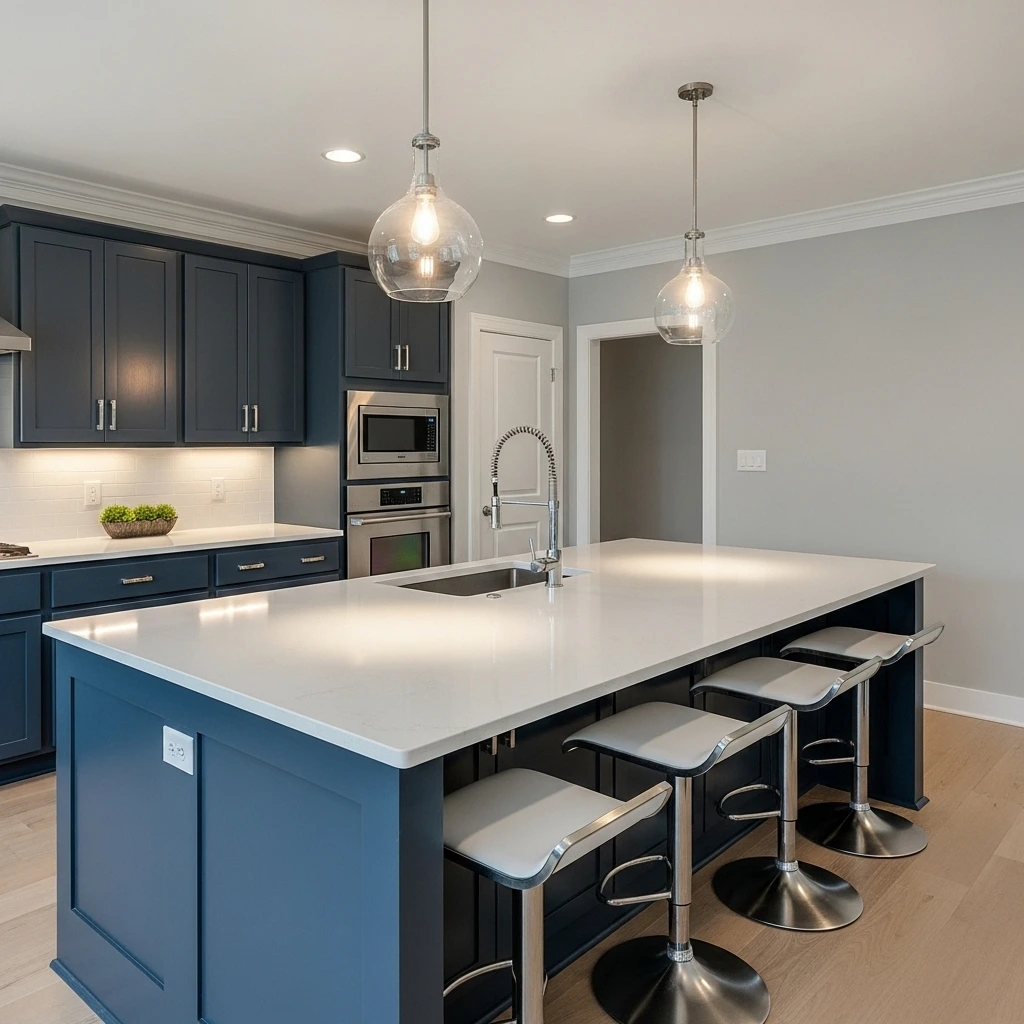
For homeowners who want the visual appeal of natural stone without the maintenance demands, engineered quartz is the leading alternative. Quartz countertops are non-porous, highly resistant to staining and scratching, and available in hundreds of colors and patterns that convincingly replicate marble, granite, and other natural materials.
A white quartz peninsula countertop pairs beautifully with virtually any cabinet color, from crisp white to deep navy, charcoal grey, or warm sage green. Quartz also holds up exceptionally well in high-traffic kitchen environments, making it an especially practical choice for the peninsula surface, which tends to receive heavy daily use from multiple household members.
9. Open Shelving on the Peninsula Back Panel
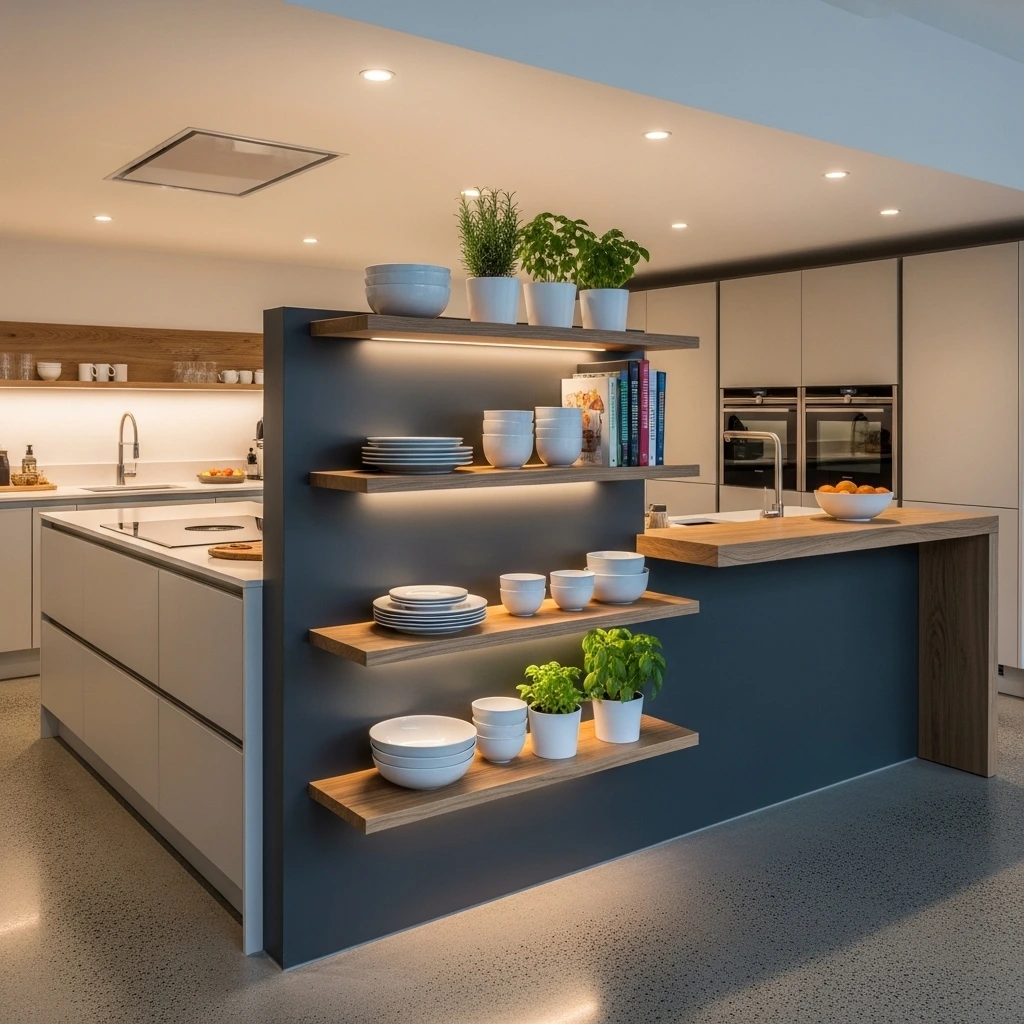
The back panel of a wall-attached peninsula, which faces the living or dining area, represents a design opportunity that many homeowners leave underdeveloped. Rather than finishing this surface with simple cabinetry or flat paneling, consider incorporating open shelves that hold curated dishware, cookbooks, decorative items, or small plants. This approach adds warmth, personality, and visual interest to both the kitchen and the adjoining living space.
Open shelving on the peninsula back panel also contributes to a more open and airy feeling in the overall space. Floating shelves made from natural wood add a warm organic texture that contrasts beautifully with painted cabinetry and stone countertops, while white painted shelves maintain a clean, cohesive look in all-white kitchens.
10. Pendant Lighting Above the Peninsula
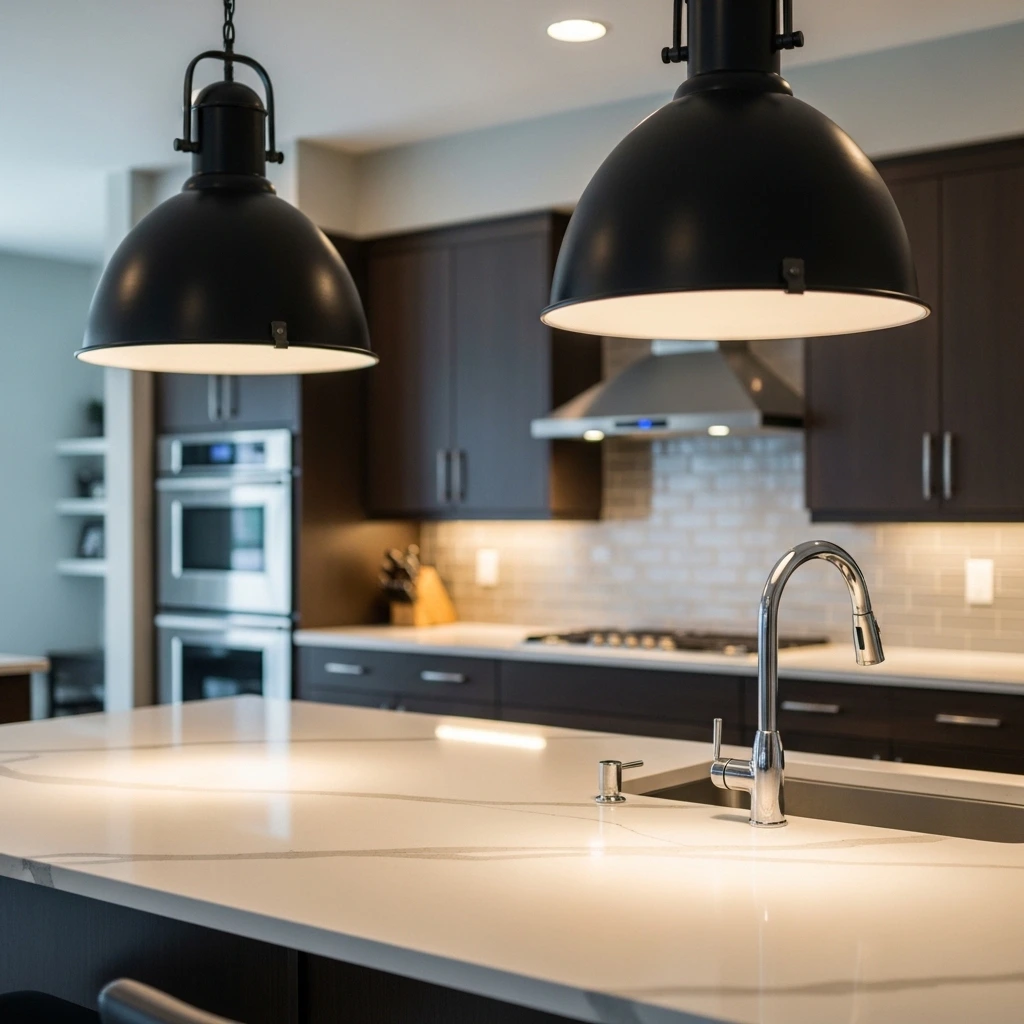
Lighting is one of the most powerful tools in kitchen design, and pendant lights suspended above a wall-attached peninsula serve both functional and decorative purposes simultaneously. Task lighting ensures the countertop surface is well-lit for food preparation, while the pendant fixtures themselves act as sculptural elements that define the peninsula as a design focal point within the larger room.
Selecting Peninsula Pendant Lights
For a peninsula measuring between four and six feet in length, two pendant lights spaced evenly above the surface create a balanced, symmetrical arrangement. For longer peninsulas, three pendants provide better coverage and a stronger visual statement. The bottom of each pendant should hang approximately 30 to 36 inches above the countertop surface to provide effective illumination without obstructing sightlines. Industrial metal pendants work well in modern and transitional kitchens, while glass globe pendants suit contemporary and minimalist spaces.
11. Peninsula as an Open-Plan Room Divider
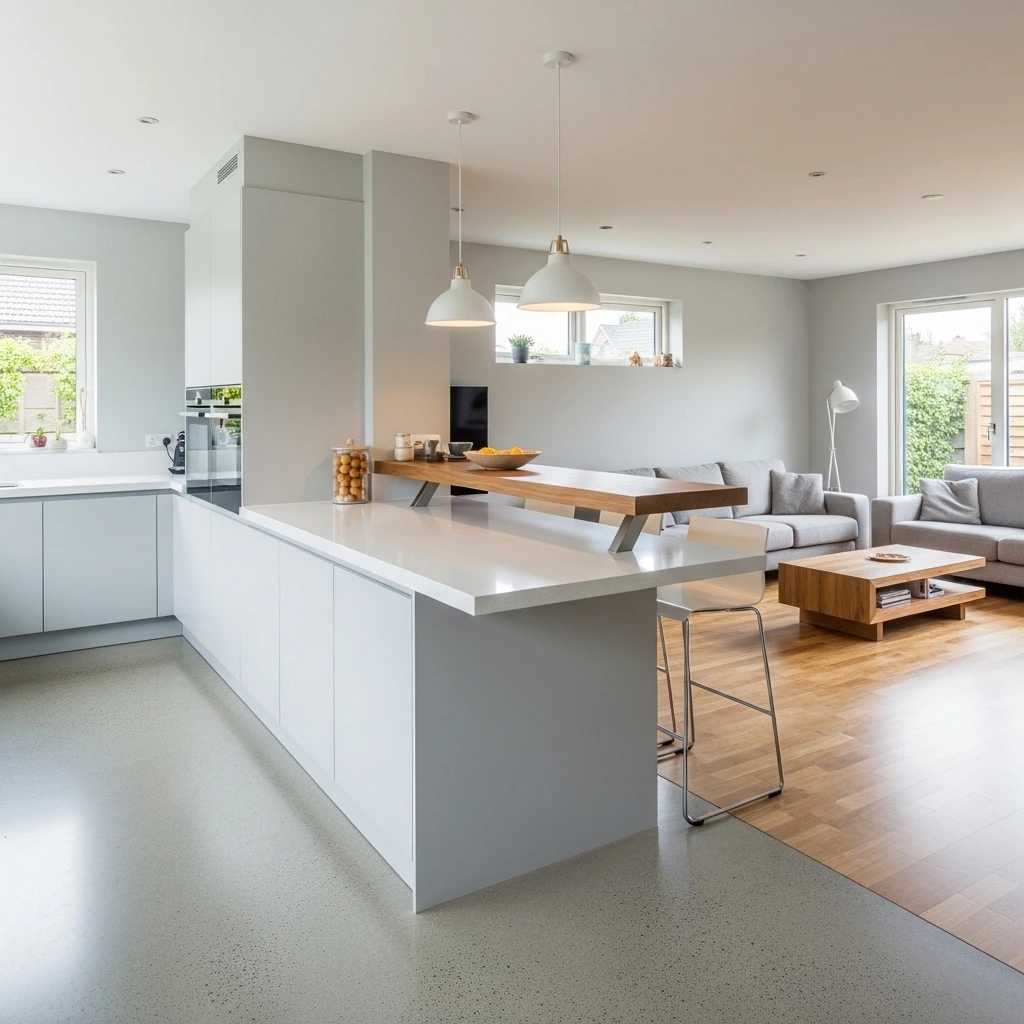
In open-plan homes where the kitchen flows directly into the living or dining area, a wall-attached peninsula provides an elegant and functional way to define zones without erecting a wall or installing a permanent partition. The peninsula creates a visual and physical boundary that separates the cooking zone from the relaxing zone, allowing each area to feel purposeful and distinct while maintaining the openness and connectivity of the overall floor plan.
This zoning approach is particularly effective when the peninsula countertop height is set at 36 inches for the kitchen side and raised to 42 inches on the living room side, creating a natural visual screen that conceals kitchen clutter from guests seated in the adjacent living area.
12. Small Kitchen Peninsula for Compact Spaces
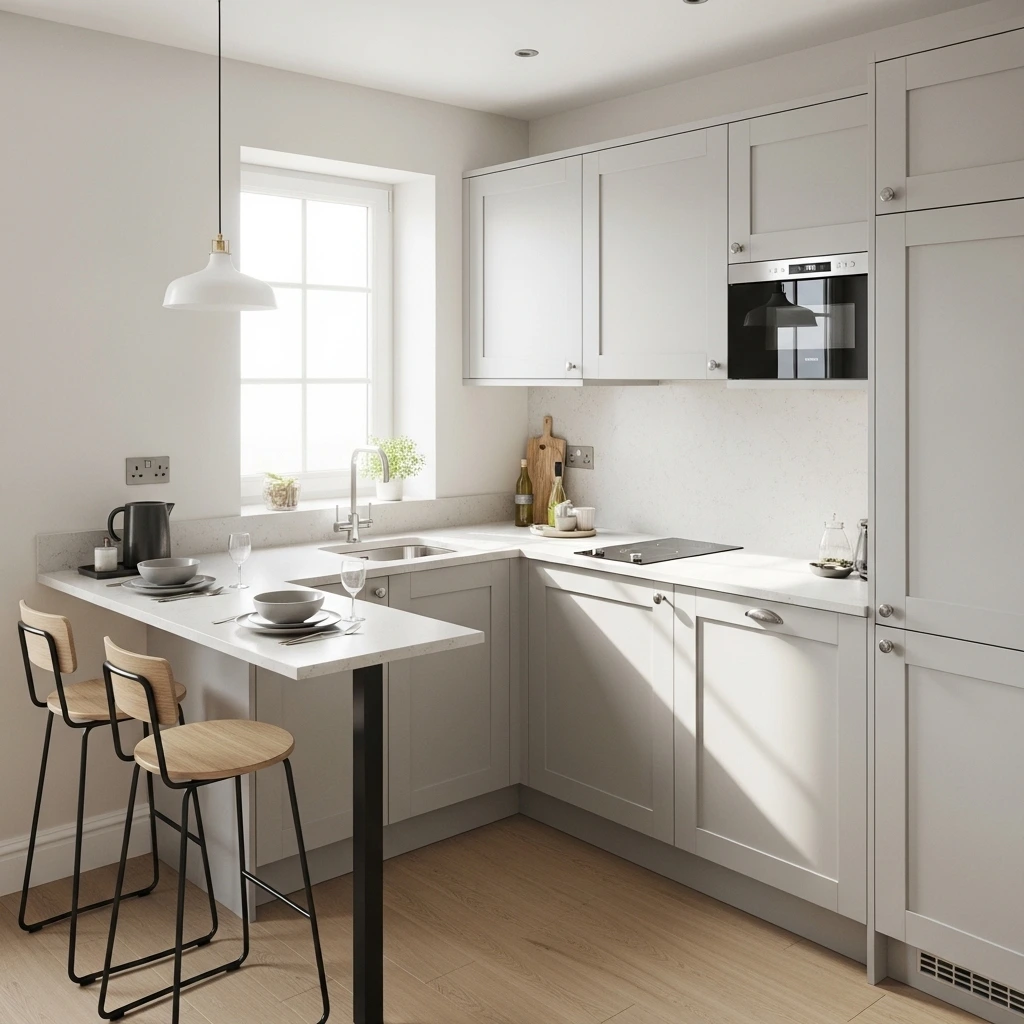
The widespread assumption that a peninsula requires a large kitchen is entirely unfounded. Even a compact peninsula measuring just two to three feet in length can make a meaningful difference in a small kitchen by adding prep space, a small seating ledge, or additional storage beneath. The key is proportional planning that ensures the peninsula does not compromise the minimum walkway clearance of 36 to 42 inches required for comfortable movement.
Making the Most of a Small Peninsula
In a small kitchen, a slim peninsula with a single-tier overhang for one or two stools can replace a separate dining table entirely, freeing up floor space in the adjacent room. Choosing the same cabinetry finish and countertop material for both the peninsula and the main kitchen ensures a cohesive look that makes the space feel intentional rather than cluttered. For more insights visit Homeliaa.
13. Two-Tone Cabinetry Peninsula Design
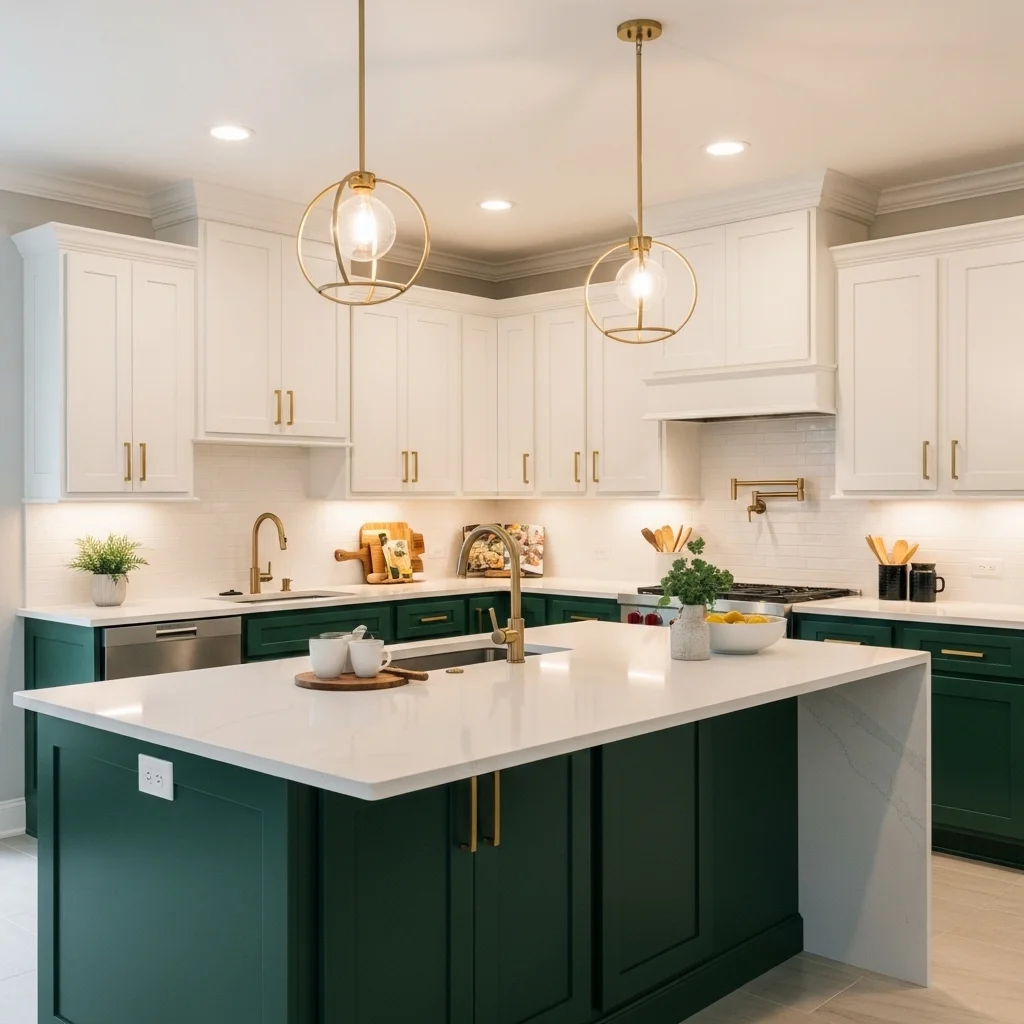
One of the most popular contemporary design trends involves using two distinct cabinet colors or finishes in a single kitchen, with the peninsula serving as the perfect canvas for the contrasting color. While the perimeter cabinetry might be painted in a neutral white or light grey, the peninsula cabinets can feature a bold color such as navy blue, forest green, charcoal, or deep burgundy that anchors the space and adds visual depth.
This approach works especially well when the contrasting peninsula color is echoed in other elements of the kitchen, such as bar stool upholstery, hardware finishes, or pendant light shades. The result is a kitchen that feels layered, intentional, and design-forward without being overwhelming.
14. Waterfall Countertop Peninsula for a Contemporary Statement
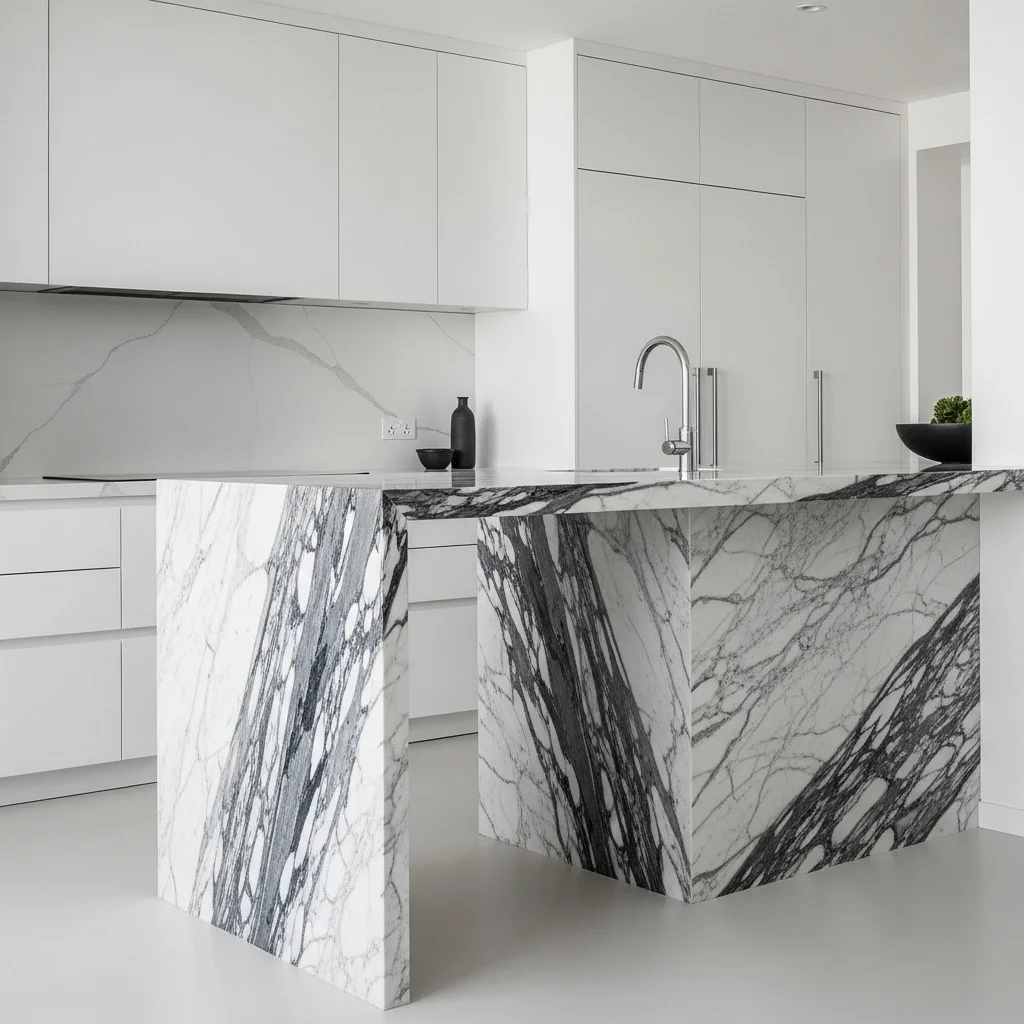
The waterfall countertop treatment, in which the countertop material extends vertically down one or both sides of the peninsula to the floor, is one of the most visually striking design choices available for a wall-attached peninsula. This technique creates the impression of a solid, monolithic structure and is particularly impressive when executed in marble, quartz, or a dramatic natural stone with bold veining.
A waterfall peninsula countertop works best in contemporary and minimalist kitchens where clean lines and high-impact materials are the primary design language. It also adds a protective layer to the cabinetry sides, shielding them from scuffs and impacts in high-traffic areas.
15. Rustic and Farmhouse Style Peninsula Design
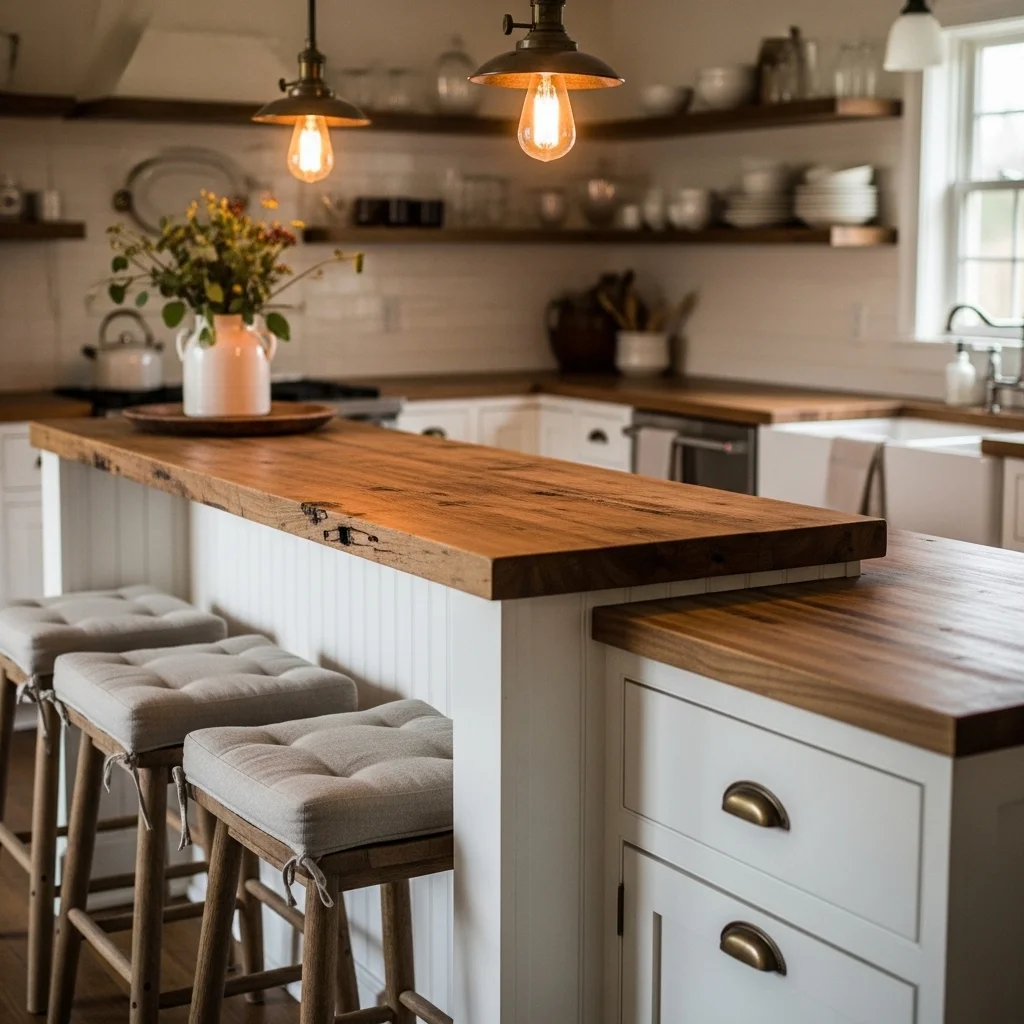
Not every kitchen peninsula needs to express a contemporary or minimalist aesthetic. A rustic or farmhouse-inspired peninsula brings warmth, character, and a sense of lived-in comfort that feels increasingly welcome in modern home design. Reclaimed wood countertops, shiplap or beadboard panel finishes on the back face of the peninsula, and vintage-style hardware all contribute to a farmhouse aesthetic that feels both timeless and deeply personal.
Paired with apron-front sinks, open wooden shelving, pendant lights with an Edison bulb aesthetic, and natural linen bar stool cushions, a farmhouse peninsula creates a kitchen environment that feels genuinely welcoming and full of personality. This style tends to age particularly gracefully, looking better with each passing year as the materials develop a natural patina.
How to Plan Your Kitchen Peninsula Attached to a Wall
Before committing to any of the peninsula ideas described in this article, careful planning is essential. Begin by measuring your available floor space and marking out the intended footprint of the peninsula with painter’s tape to visualize how it will affect movement through the kitchen. Consult with a kitchen designer or contractor if you are planning to include a sink, cooktop, or other integrated appliance, as these additions require plumbing and electrical work that must be coordinated well in advance.
Consider how the peninsula will interact with natural light sources in the kitchen. A peninsula that blocks a window can make the space feel darker and more enclosed, so positioning is crucial. Where possible, orient the peninsula parallel to the primary light source to maximize brightness throughout the kitchen.
Finally, think carefully about the relationship between the peninsula and the adjacent living spaces. The materials, colors, and style of the peninsula should feel like a natural continuation of the overall home interior, creating a seamless visual flow from one room to the next.
Conclusion
A kitchen peninsula attached to a wall is far more than a simple counter extension. It is a transformative design element that simultaneously addresses storage needs, workflow efficiency, social connectivity, and aesthetic ambition. The 15 ideas explored throughout this article demonstrate that whether your kitchen is compact or expansive, your design preferences minimalist or richly detailed, there is a peninsula configuration that will suit your space perfectly.
The most successful peninsulas are those that are planned thoughtfully, built with quality materials, and styled to reflect the personality of the household they serve. Whether you choose a bold two-tone cabinetry design, a dramatic waterfall countertop, a casual seating bar, or a simple rustic farmhouse aesthetic, a well-executed wall-attached peninsula will enrich your kitchen and your daily life for many years to come.
Frequently Asked Questions
1. What is the minimum space required for a kitchen peninsula attached to a wall?
You need at least 36 inches of clearance on each open side of the peninsula for comfortable movement. A width of 42 to 48 inches is preferable if multiple people use the kitchen simultaneously. The peninsula itself can be as short as two to three feet in smaller kitchens.
2. What is the difference between a kitchen peninsula and a kitchen island?
A kitchen peninsula is connected to a wall or existing cabinetry on one end, while a kitchen island is completely freestanding with open floor space on all four sides. A peninsula generally requires less floor space and can be more practical for smaller or medium-sized kitchens.
3. Can I add a sink or cooktop to a kitchen peninsula?
Yes, both a sink and a cooktop can be integrated into a kitchen peninsula. A sink requires a plumbing connection routed through the wall, while a cooktop requires gas or electrical connections and a ventilation solution such as a ceiling-mounted range hood or a downdraft system.
4. What countertop material works best for a kitchen peninsula?
Quartz is the most popular choice for its durability, low maintenance, and wide range of colors. Marble is preferred for luxury kitchens where aesthetic impact is the priority. Butcher block adds warmth and a natural feel, while granite offers unique natural patterning and excellent heat resistance.
5. How many bar stools fit at a kitchen peninsula?
This depends on the length of the peninsula overhang. Allow approximately 24 inches of width per stool for comfortable seating. A four-foot peninsula overhang can comfortably accommodate two stools, while a six-foot overhang can seat three people with adequate elbow room for each.