23+ Modern Plaster Fireplace Ideas for a Chic Home
There is a reason the plaster fireplace has become one of the most searched and admired design elements in contemporary interiors. It sits at the intersection of architecture and art, giving a room a focal point that feels both ancient and thoroughly current. Unlike tile surrounds or painted brick, a plaster fireplace carries a handcrafted quality that photography barely captures. The texture catches daylight differently in the morning than it does in the amber glow of evening. The surface breathes with the room.
Whether you are working with a dated brick fireplace that needs a complete transformation, building a new home from the ground up, or somewhere in the middle, plaster offers a level of versatility that few other materials can match. It can be applied over drywall, over existing masonry, over tile, and the results are consistently stunning. It comes in countless finishes, from the polished depth of Venetian plaster to the earthy softness of Roman clay, and it suits nearly every design sensibility, from serene minimalism to warm Mediterranean warmth.
1. The All-White Plaster Fireplace with No Mantel
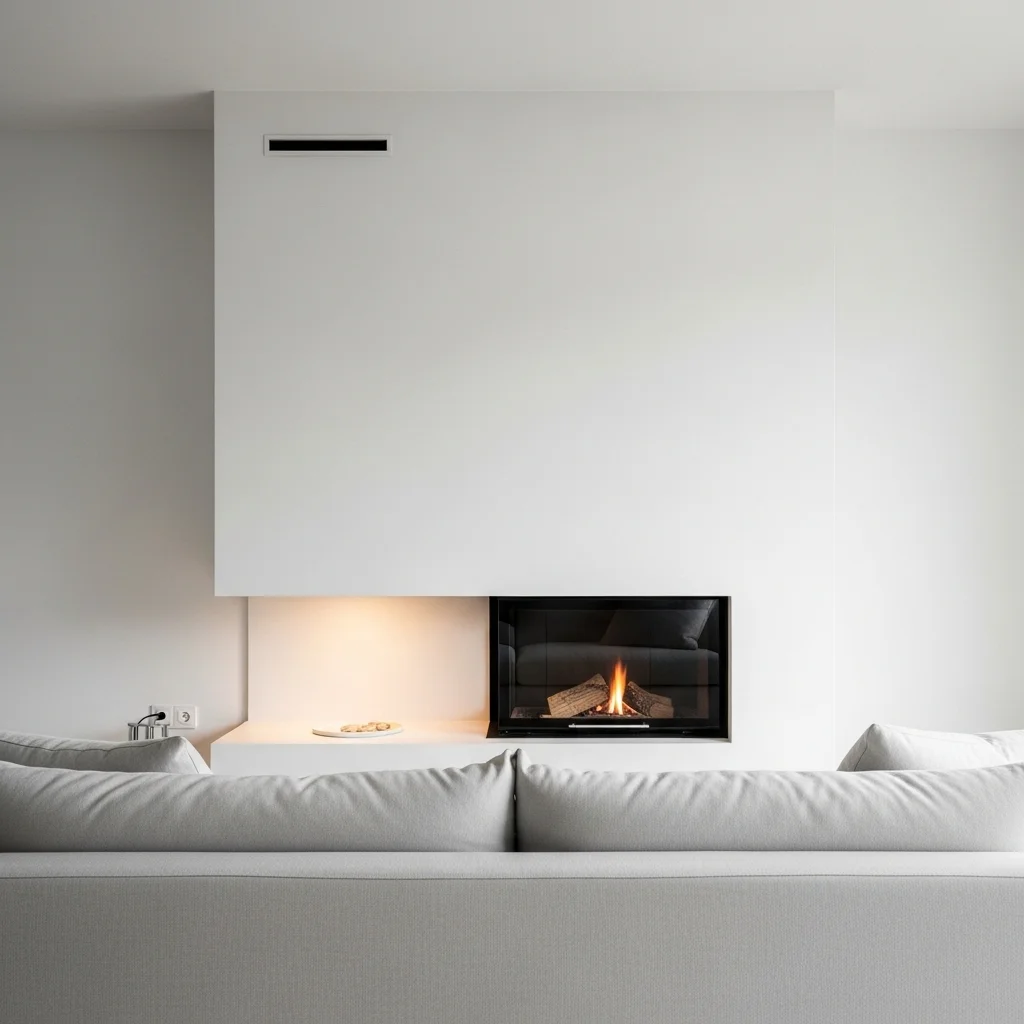
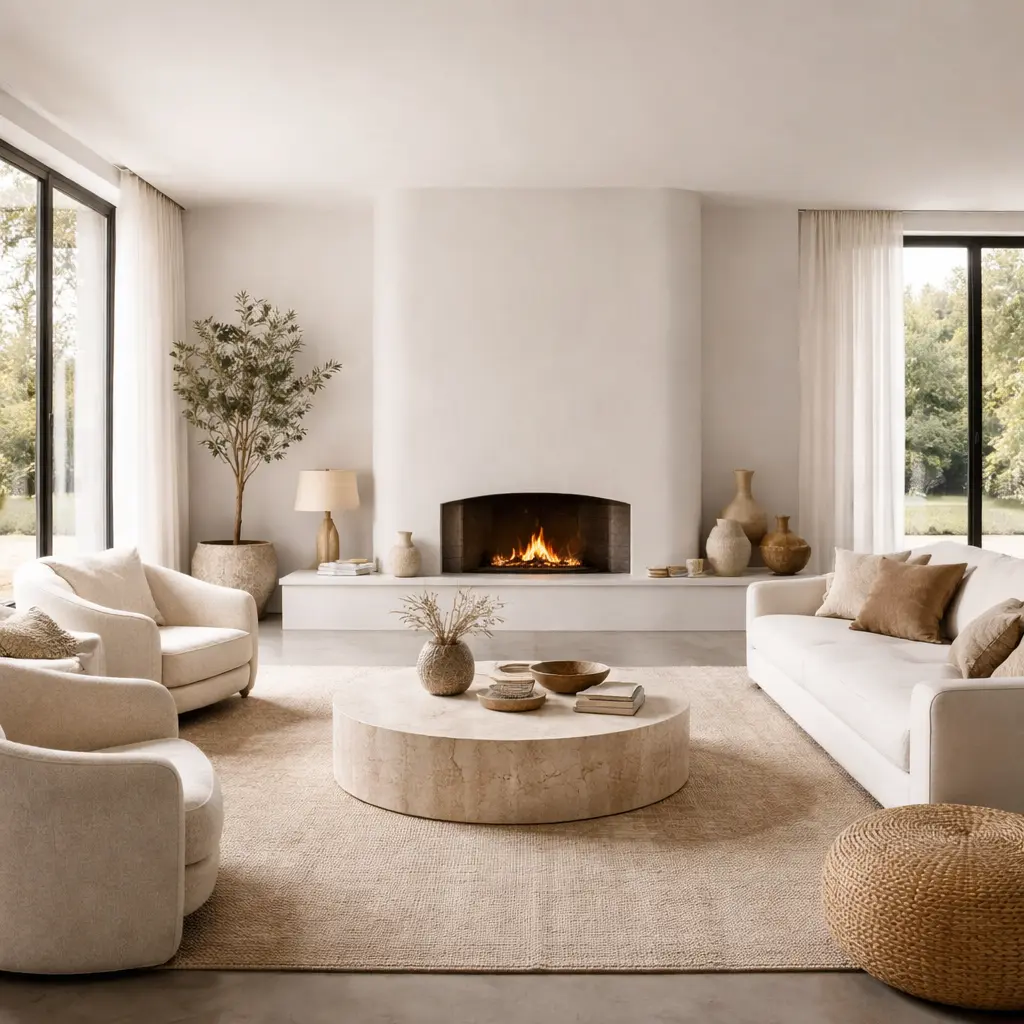
The cleanest expression of modern plaster design is a smooth, matte white surround with no mantel at all. The fireplace becomes a pure architectural element, almost sculptural, with nothing competing for attention. This works brilliantly in open-plan living spaces where the fireplace anchors the room without crowding it visually.
2. Venetian Plaster in Warm Ivory
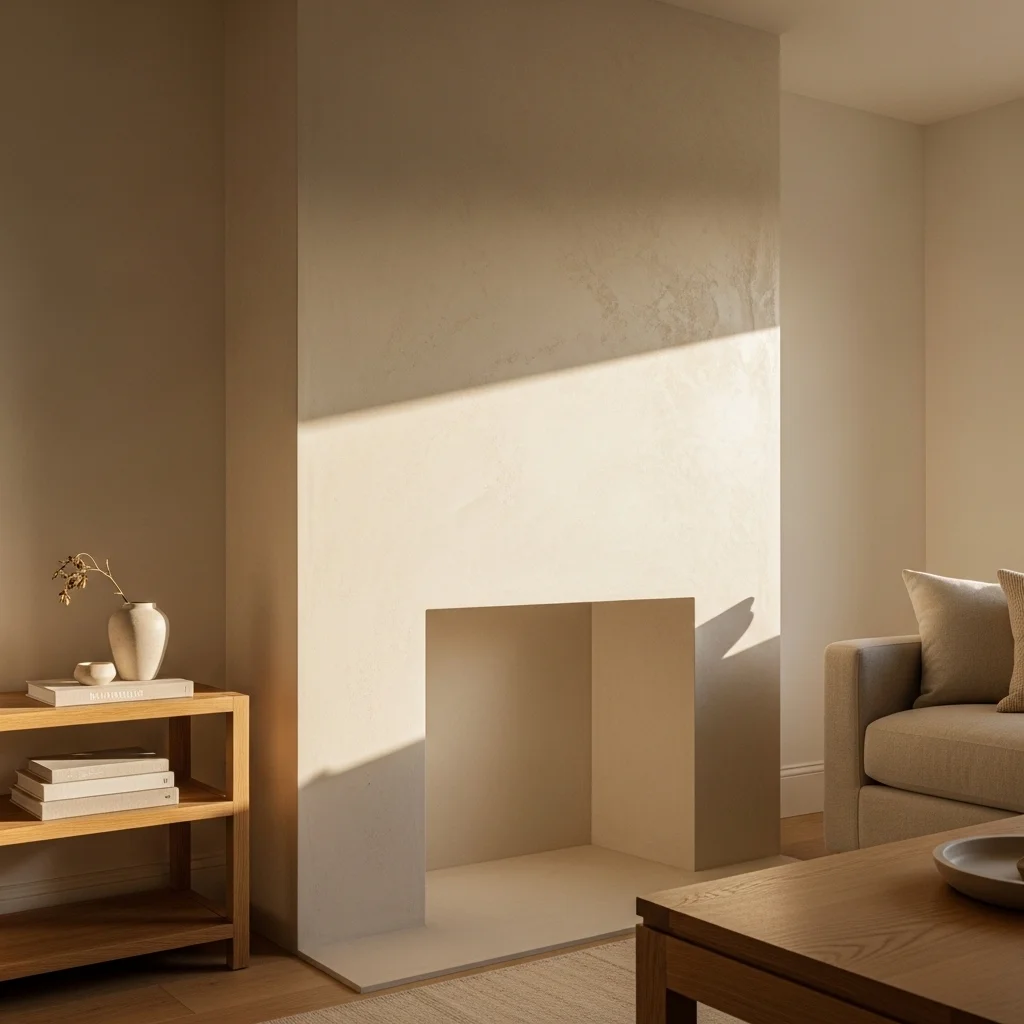
Venetian plaster, made from a combination of lime putty and marble dust, creates a luminous surface that appears almost three-dimensional. In warm ivory or cream tones, it introduces a softness to otherwise cool modern interiors. The subtle sheen shifts as light moves across the surface, making the fireplace look different at every hour of the day.
3. Arched Plaster Fireplace Opening
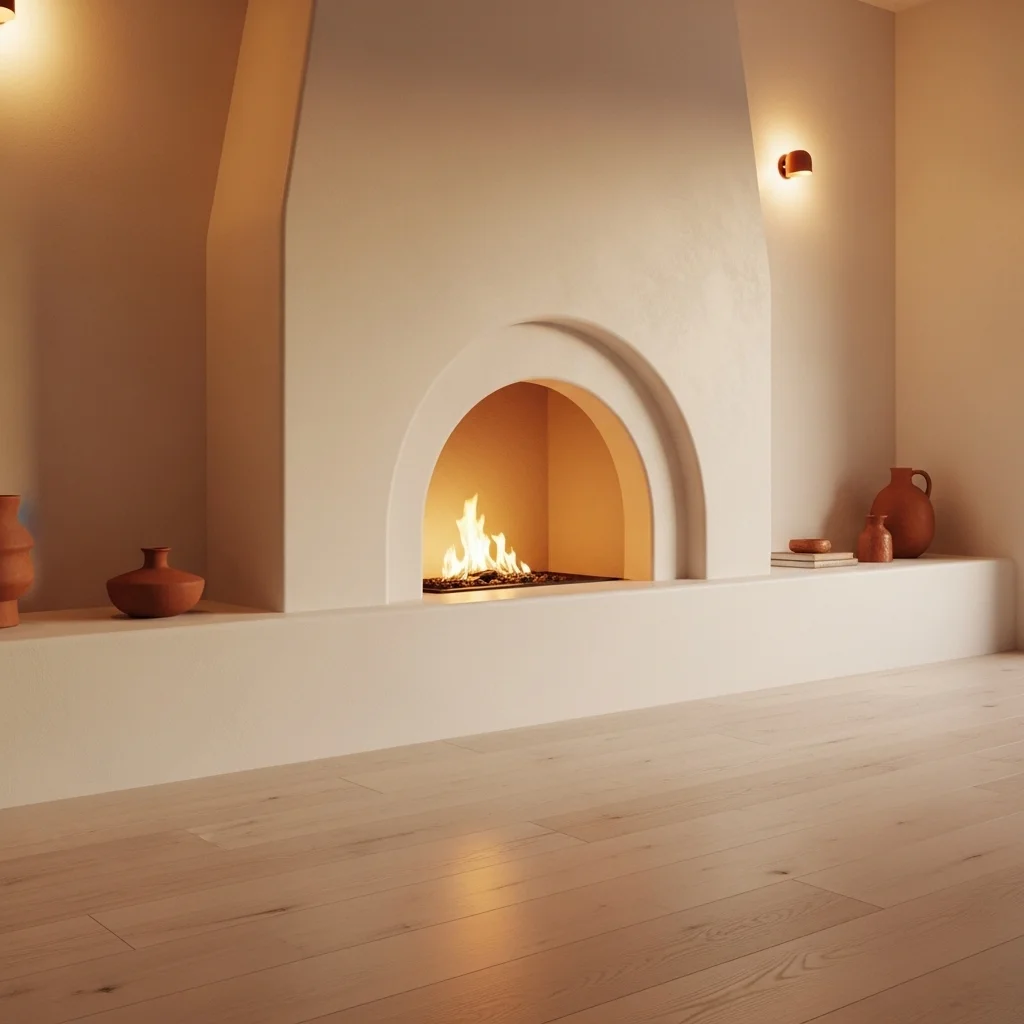
The arched plaster fireplace has a refreshing simplicity about it that flat rectangular surrounds simply cannot replicate. Whether you choose a full Roman arch or a gently rounded rectangular variation, the curve adds an organic quality that softens the room without losing any of its modern sensibility. Pair it without a mantel for maximum architectural impact.
4. Charcoal Plaster for a Dramatic Focal Point
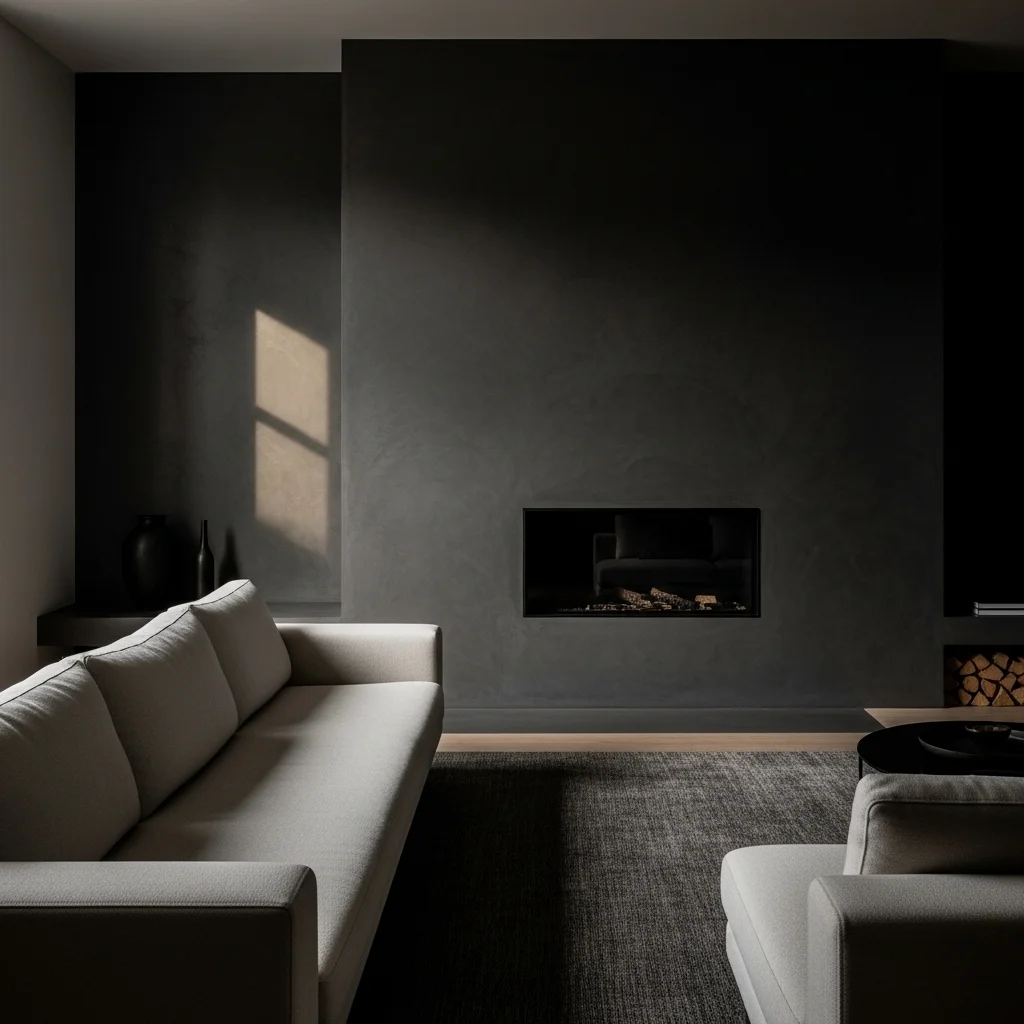
A moody charcoal plaster surface draws the eye instantly, with a smooth finish that has just enough movement to catch light differently throughout the day, adding quiet drama without competing with the rest of the room. This approach works especially well in living rooms with neutral or white furnishings, where the dark fireplace provides the necessary grounding contrast.
5. Textured Plaster Finish for Depth and Character
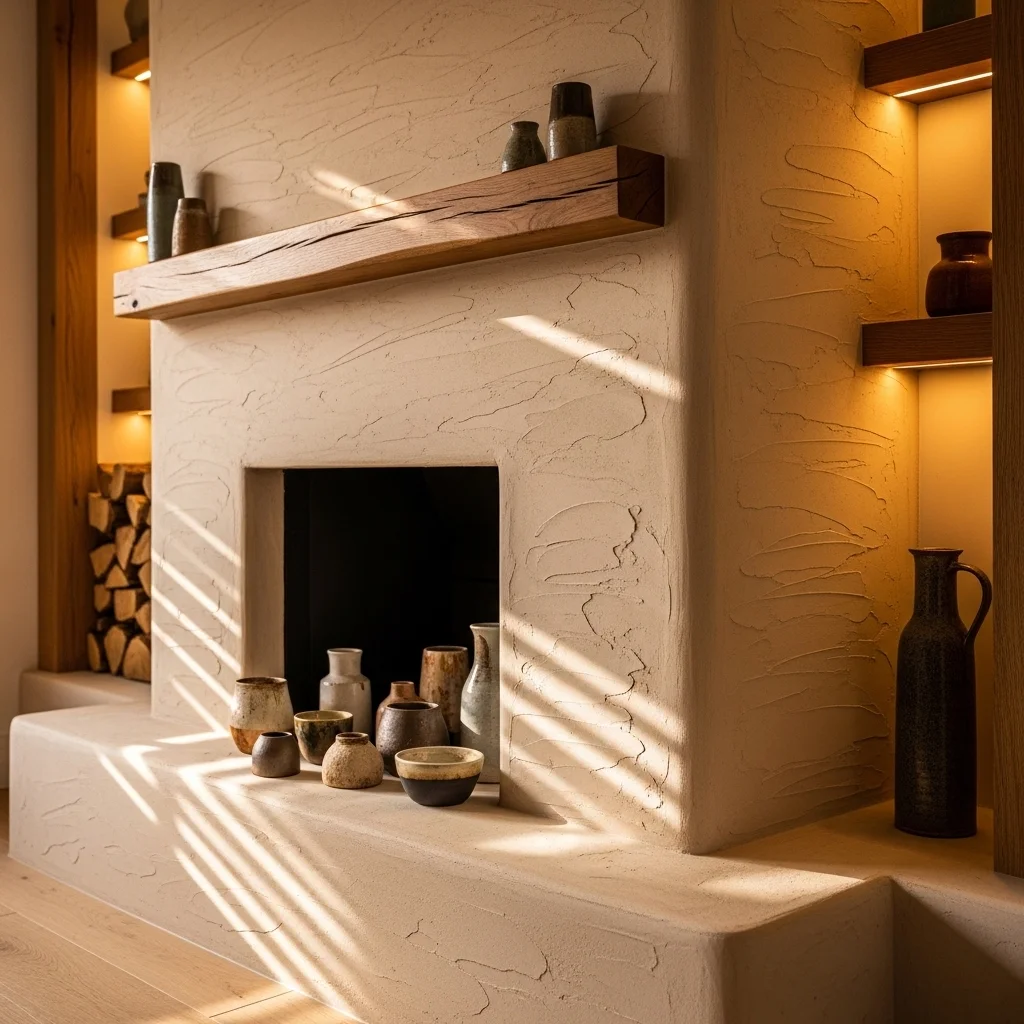
A smooth finish delivers a clean, modern aesthetic, but a textured plaster finish creates depth and character that a painted surface simply cannot replicate. Applied with trowel strokes that are intentionally varied, textured plaster gives the fireplace wall a sense of movement and materiality that invites closer inspection.
6. Plaster Fireplace with Matching Built-Ins
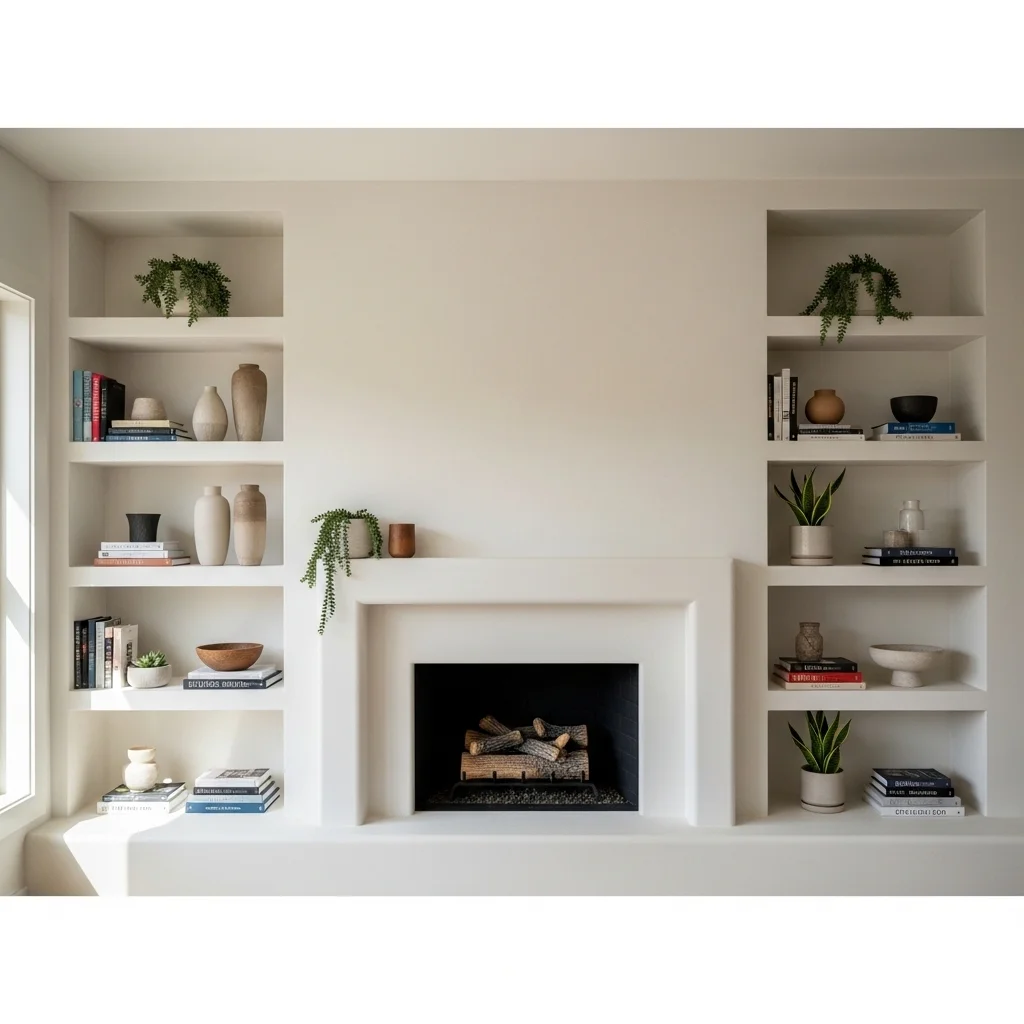
One of the most cohesive approaches to a modern fireplace wall is extending the plaster finish into flanking built-in shelves on either side. The matching paint and smooth finishes between the fireplace and open shelving create a cohesive look that elevates the entire room. The fireplace becomes part of a larger architectural moment rather than a standalone element.
7. Roman Clay Plaster Fireplace
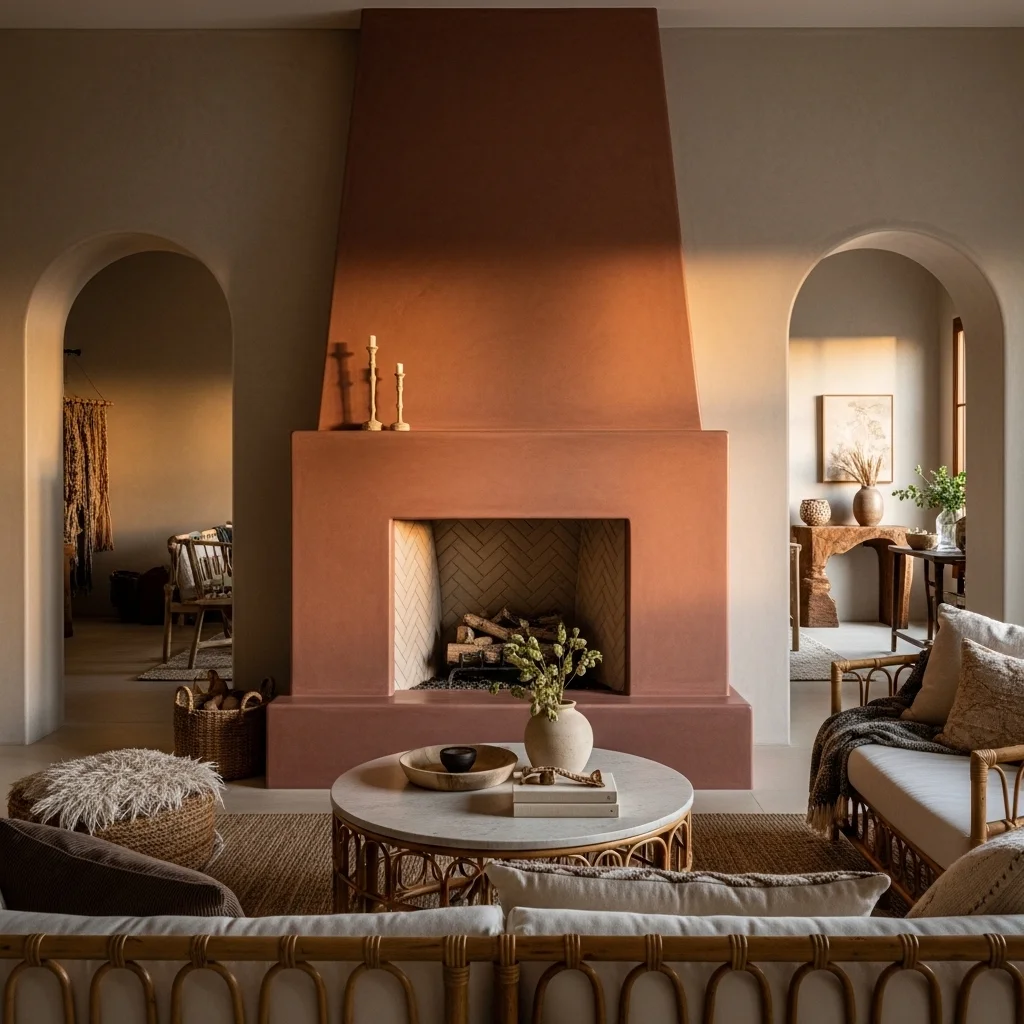
Roman clay is having a major moment in interior design, and for good reason. This eco-friendly, breathable material delivers an organic, stone-like finish that develops a soft patina over time, enhancing the character of your space. It is particularly beautiful in terracotta, warm taupe, and dusty sage tones, and it suits Mediterranean, farmhouse, and organic modern interiors beautifully.
8. Venetian Plaster Over Existing Brick
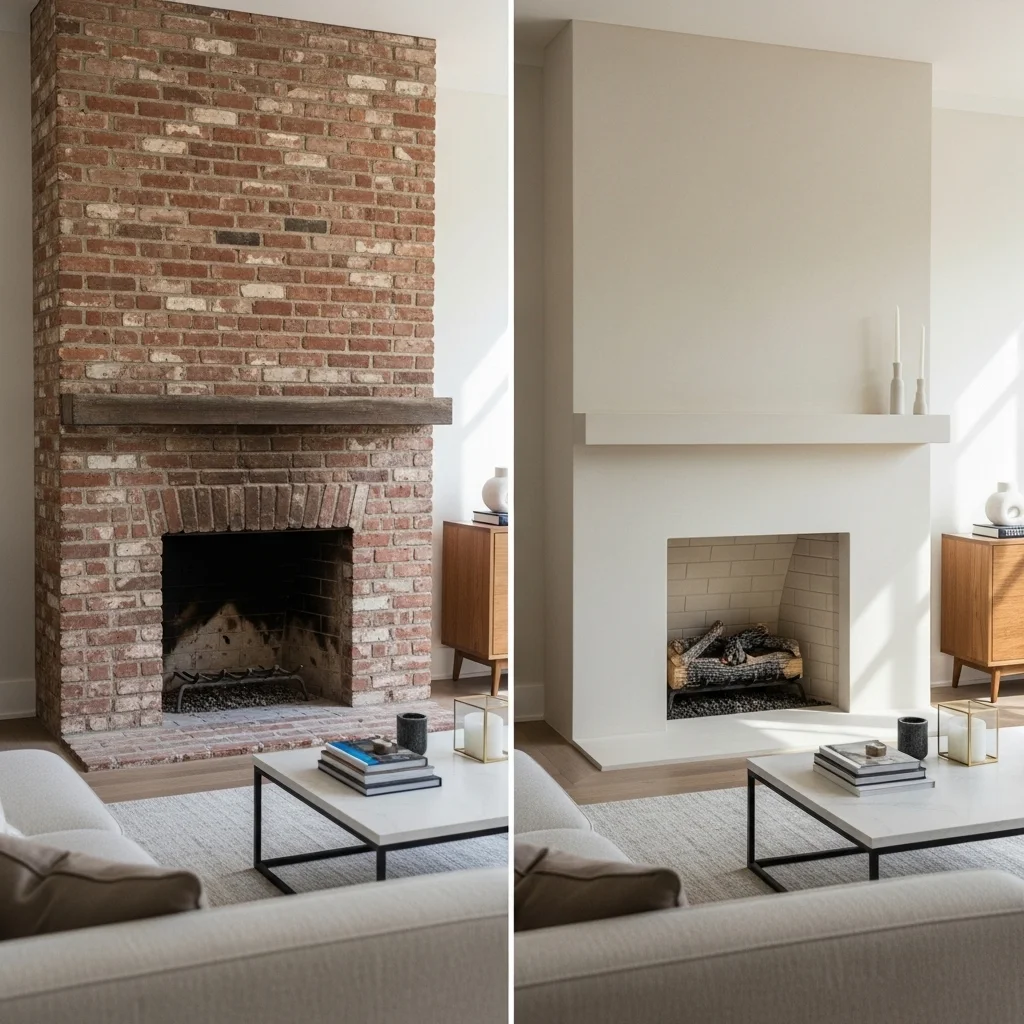
One of the most practical applications for plaster is covering an existing dated brick fireplace. The process involves thoroughly cleaning the existing surface, applying a high-adhesive primer, and then building up the plaster layers to create a new, seamless, and modern surface. The result looks completely custom while saving significant money compared to a full demolition and rebuild.
9. Limewash Plaster Fireplace
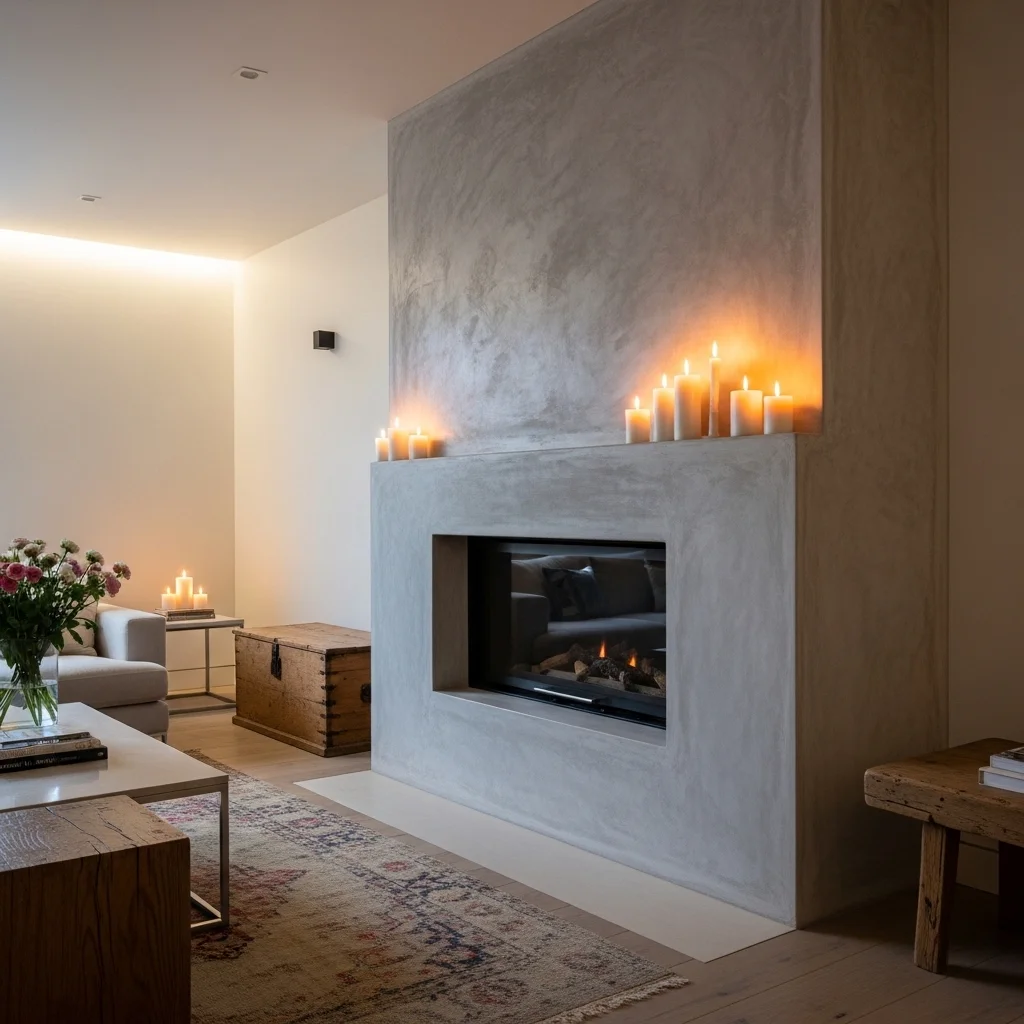
Limewash delivers a soft, almost cloudy finish that feels deeply layered and imperfect in the best possible way. It is applied in thin washes that allow the layers beneath to show through, creating a surface that looks centuries old even when freshly finished. Against contemporary furniture and minimal decor, this contrast between old-world texture and modern restraint is particularly compelling.
10. Plaster Fireplace with a Floating Wood Mantel
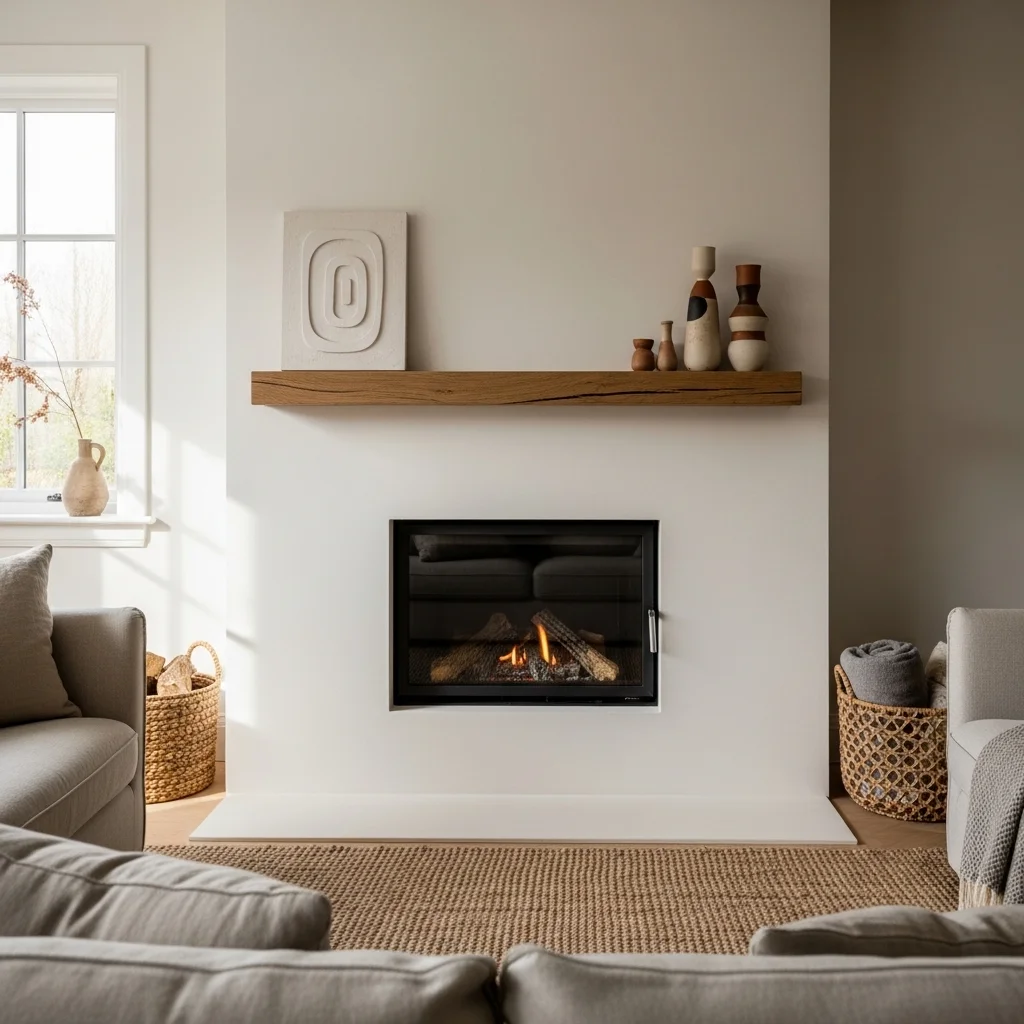
Pairing your plaster fireplace with a rugged wooden mantel creates a contrast that elevates the space. A raw-edge oak shelf or a reclaimed timber beam floating above the firebox introduces warmth and a grounded, natural element. It also gives you a place to style objects and art without competing with the simplicity of the plaster surround below.
11. Floor-to-Ceiling Plaster Fireplace Wall
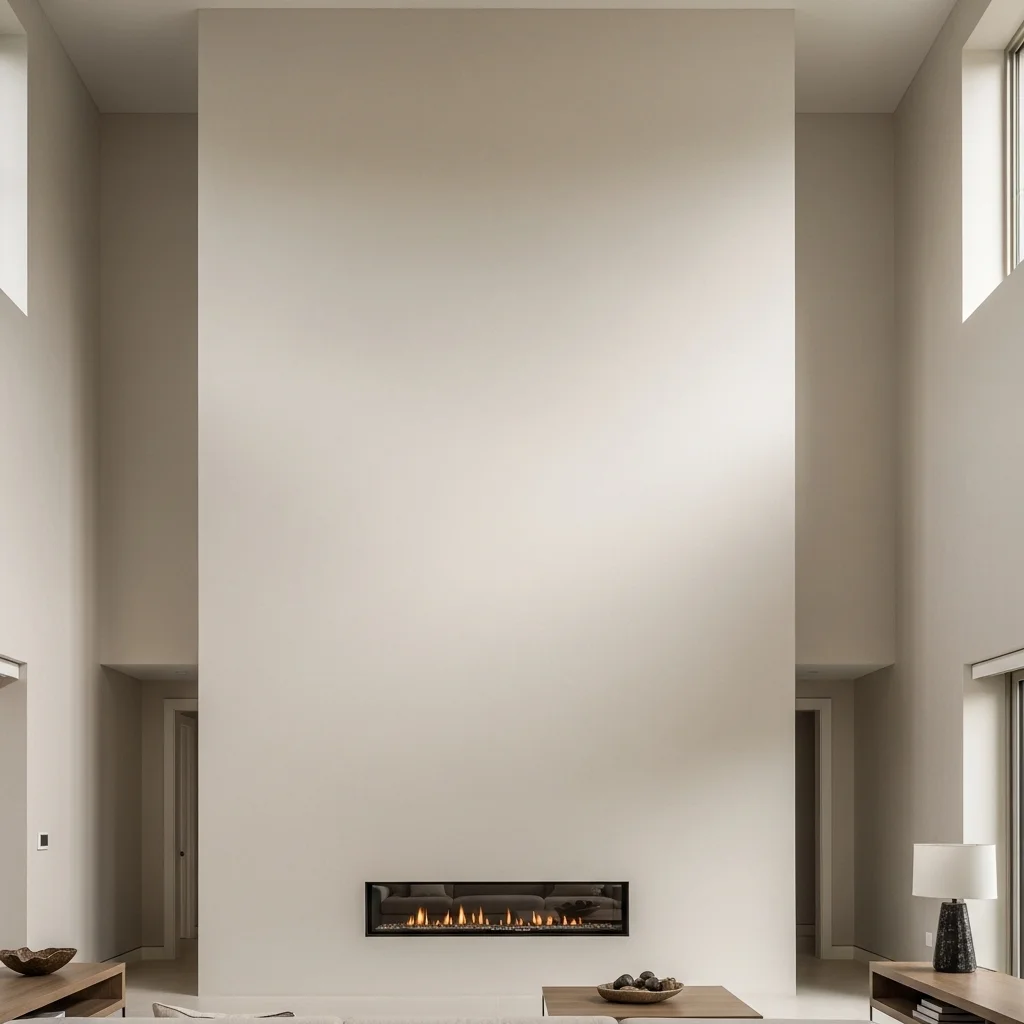
Instead of treating the fireplace as an isolated feature, extend the plaster all the way from floor to ceiling and across the entire wall. This approach transforms the fireplace from a decorative element into a defining architectural feature. It is a particularly powerful move in rooms with high ceilings, where the scale of the wall can be used to create something genuinely spectacular.
12. Microcement Plaster Fireplace
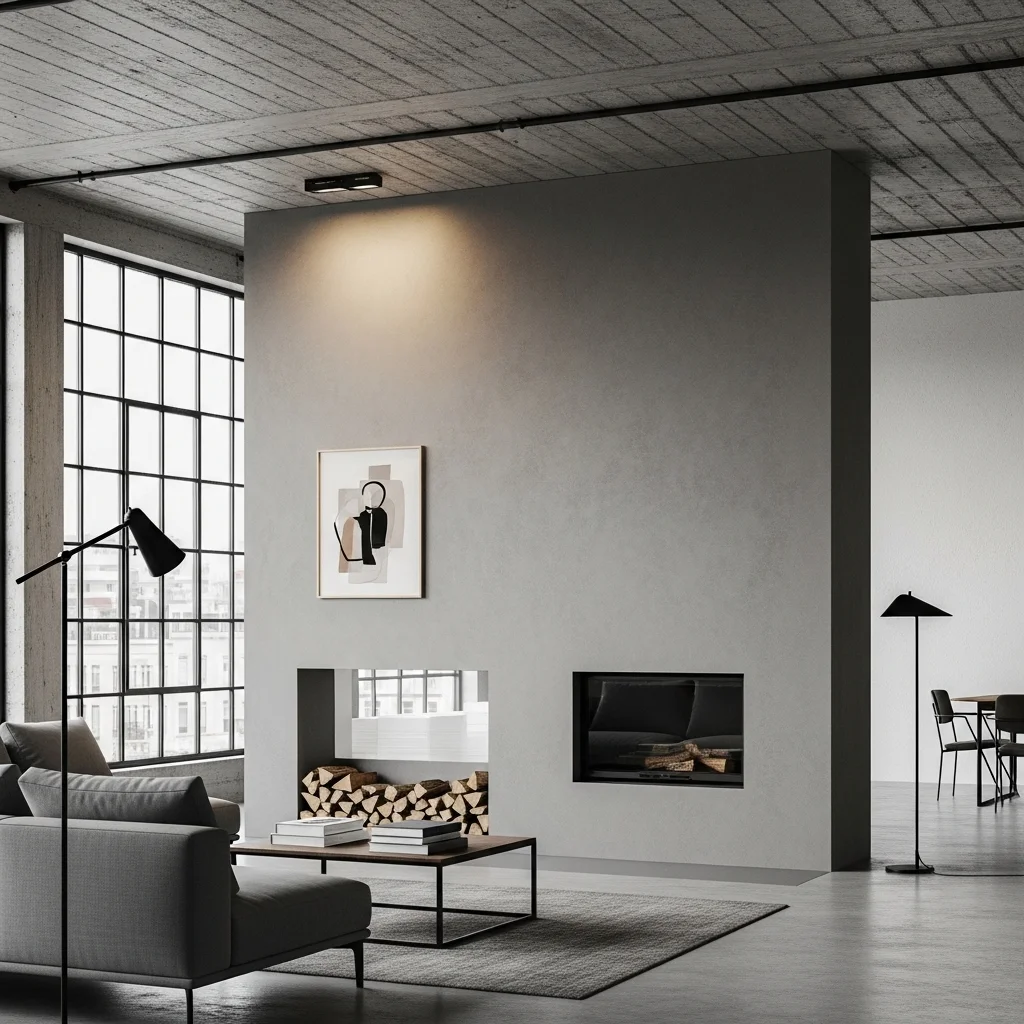
Microcement shares many visual qualities with Venetian plaster but leans toward an industrial, concrete-inspired aesthetic. Among the most popular choices for a sleek, custom look are Venetian plaster, microcement, Roman clay, and limewash. Microcement is especially effective in modern loft-style homes or urban apartments where the industrial tone of the material complements an architecture that is raw and honest.
13. Organic Curved Plaster Fireplace
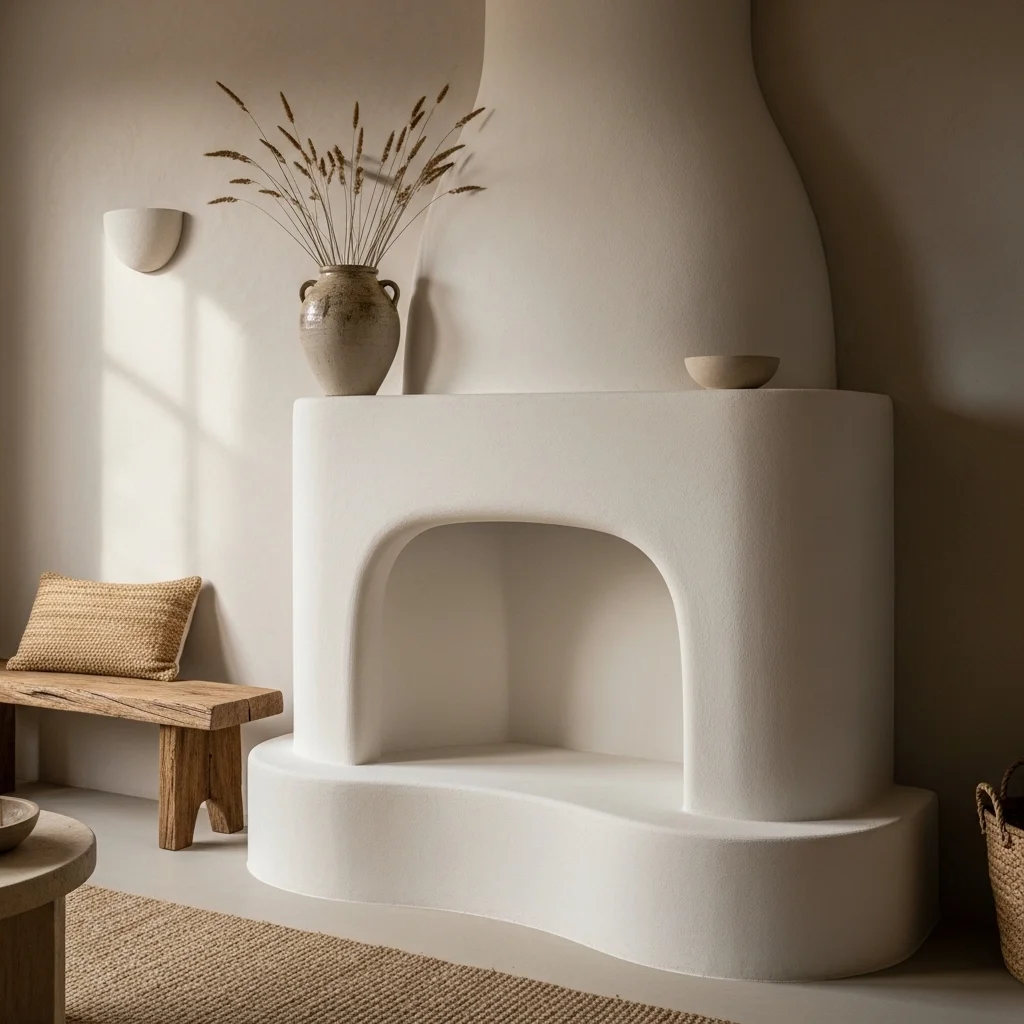
One of the most captivating trends in contemporary interior design is the organic shaped fireplace, where the surround is built with soft curves, rounded corners, and asymmetrical forms. These feel handmade and singular, closer to sculpture than architecture. They are particularly popular in wabi-sabi and Mediterranean-inspired interiors, where imperfection is not just accepted but celebrated.
14. Plaster Fireplace with Recessed Shelving and Uplighting
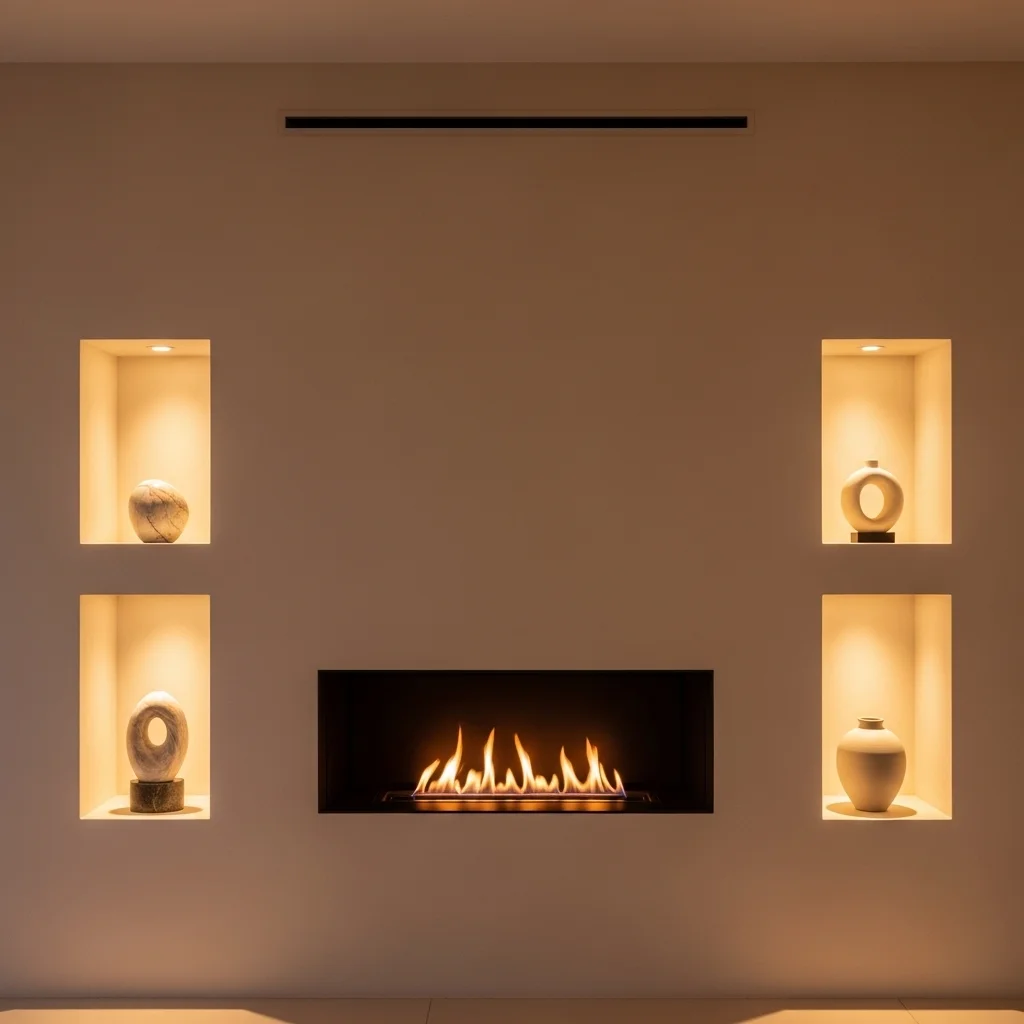
Recessed shelving with delicate uplighting transforms a plaster wall into a living showcase, while the flush fireplace opening keeps the look modern and intentional. Each niche is styled with care, letting curated objects shine against the pale backdrop. This idea merges beauty and function seamlessly, and works especially well in living rooms that double as reading or entertaining spaces.
15. Corner Plaster Fireplace
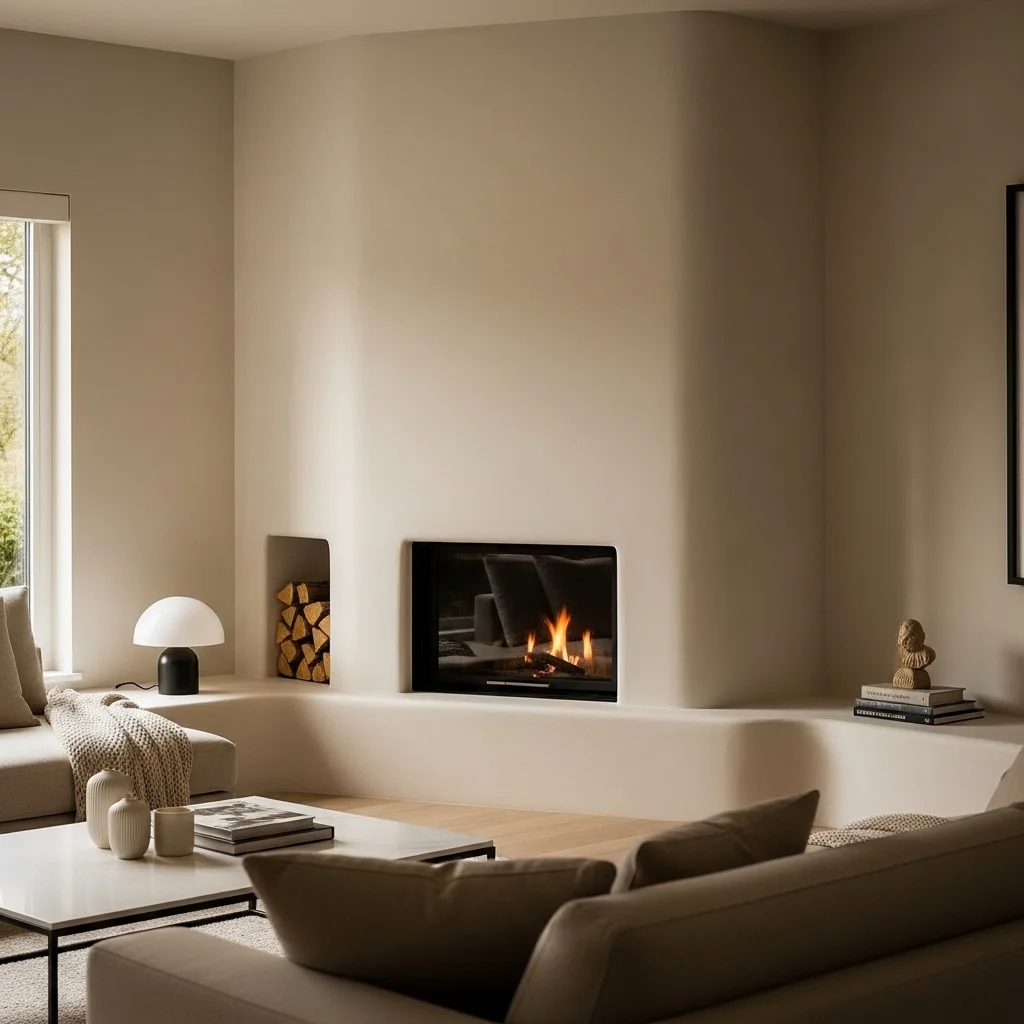
Corner fireplaces are often underestimated in terms of design potential. When finished in plaster, they become a genuinely striking feature that draws the eye from the moment you enter the room. The challenge with corner placement is ensuring the surround reads as intentional, and plaster, with its seamless, monolithic quality, solves this beautifully by wrapping the corner cleanly without visible joints.
16. Plaster Fireplace with Fluted Panel Details
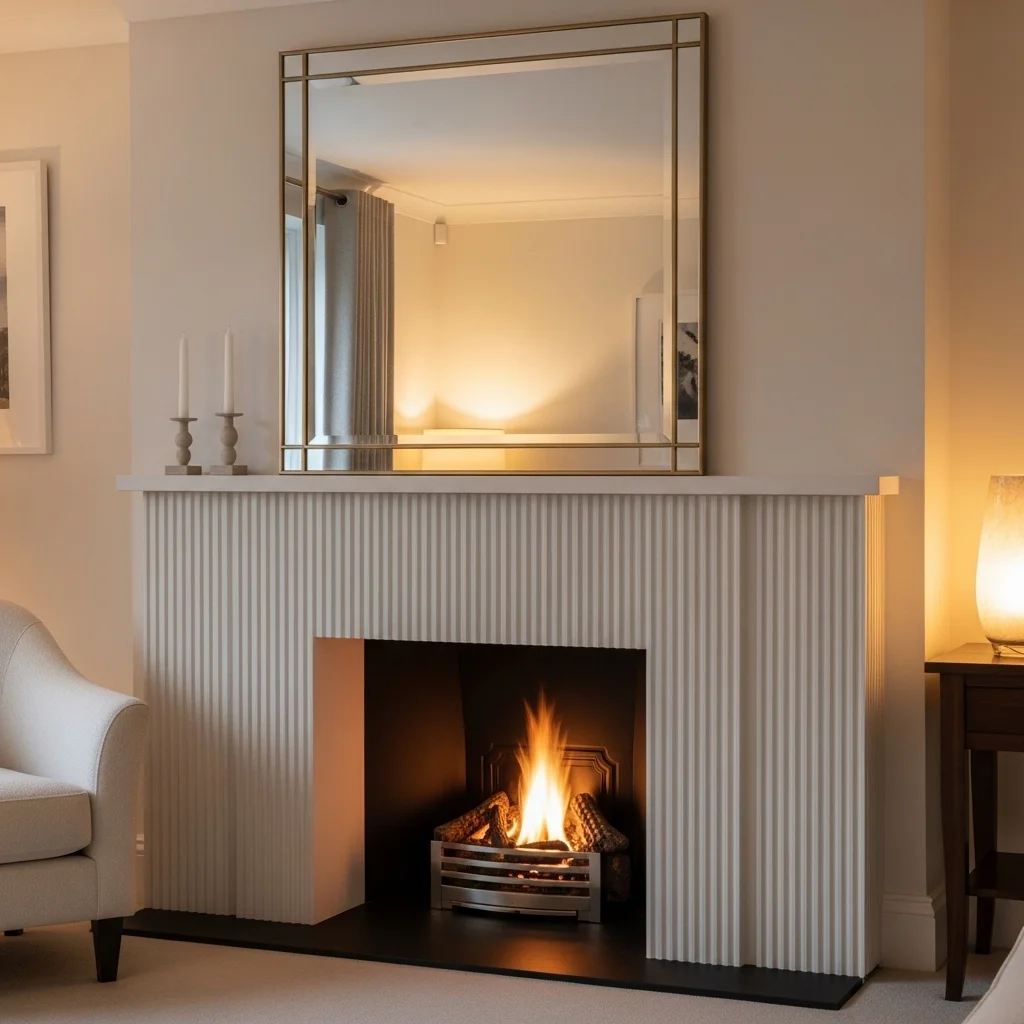
Adding vertical fluted panels to a plaster surround introduces a layer of architectural detail that feels refined without being fussy. Architectural detailing like fluted paneling on the fireplace surround gives the room more depth and interest, especially when paired with a TV above or a large mirror. This approach bridges the gap between traditional ornamentation and contemporary minimalism.
17. Warm Beige Plaster Fireplace
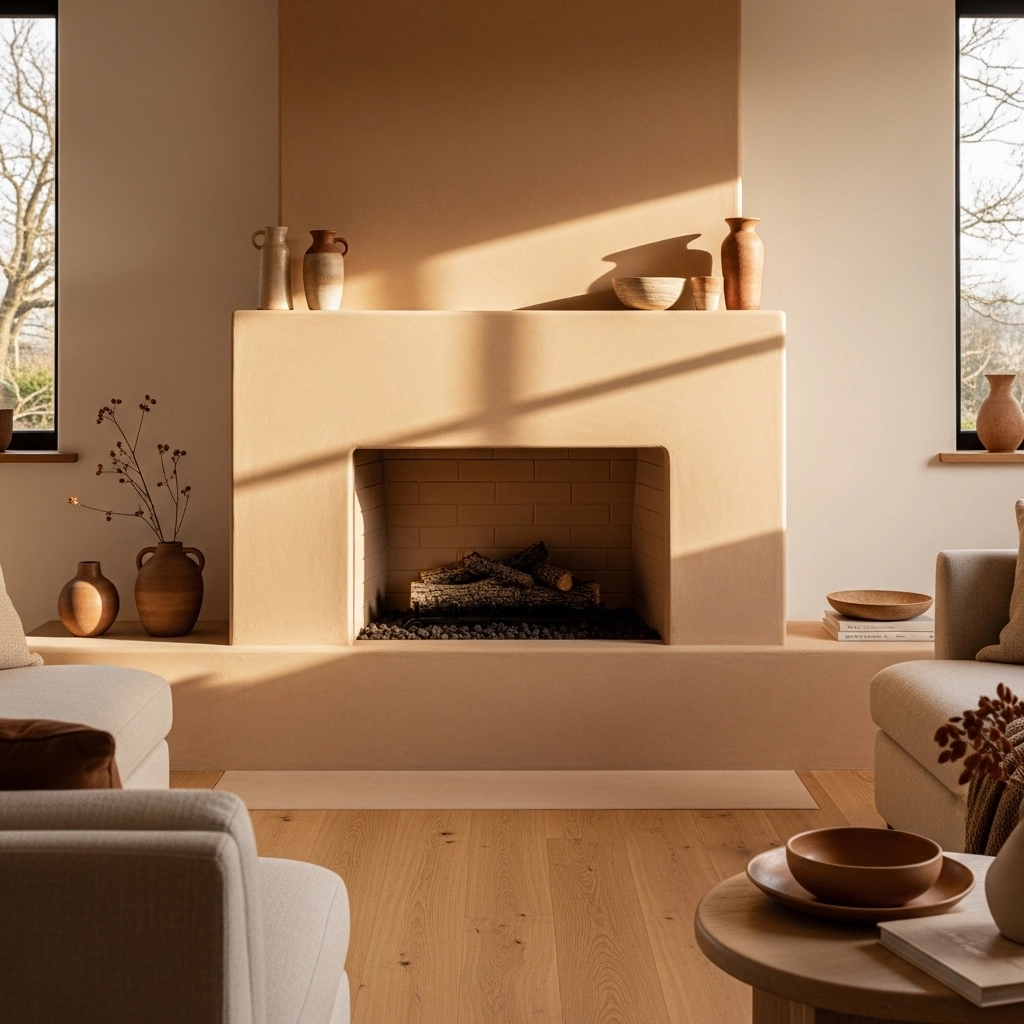
Not every plaster fireplace needs to be white. Warm beige, sand, and camel tones bring a sense of groundedness and welcome warmth to a space. Against light oak floors, natural linen furniture, and handmade ceramics, a warm beige plaster fireplace creates an environment that feels genuinely liveable rather than showroom-perfect.
18. Two-Sided Plaster Fireplace
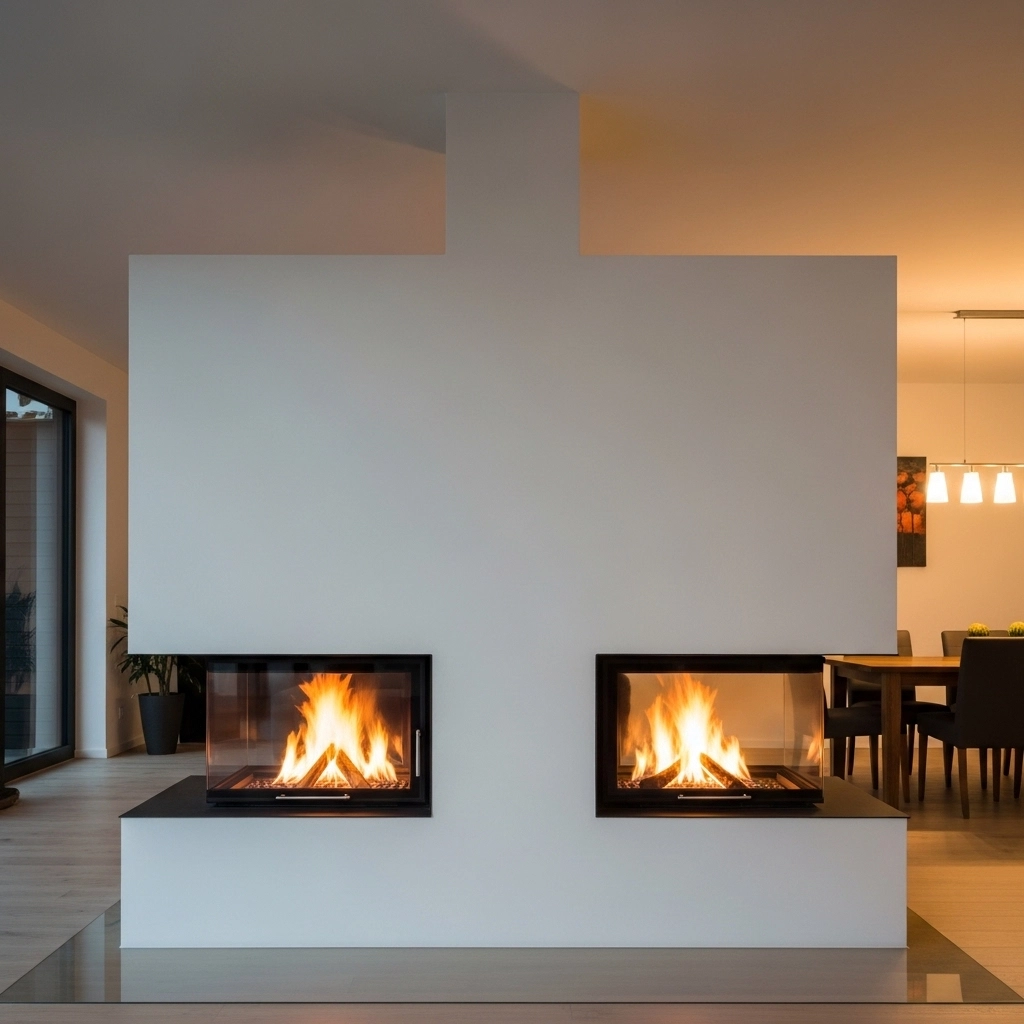
A see-through, two-sided fireplace finished in continuous plaster becomes a sculptural centrepiece that works between two adjoining spaces, such as a living room and a dining area. Over five feet tall and see-through, this kind of fireplace makes a statement for those who want a truly unique modern design. The plaster finish ensures both sides look equally polished and intentional.
19. Plaster Fireplace with Integrated TV Niche
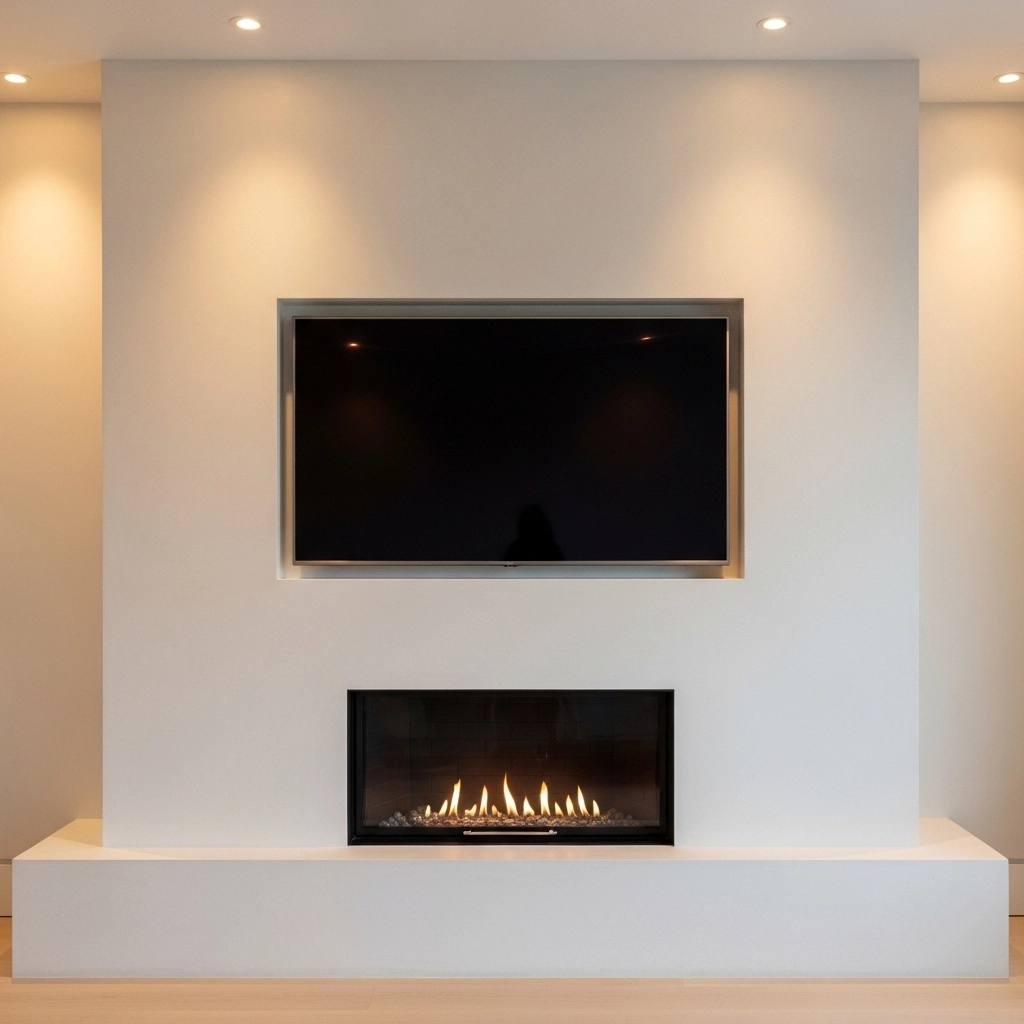
One of the most requested configurations in contemporary home design is a plaster fireplace wall with a built-in niche for a television. When executed correctly, with the TV recessed into the plaster and the overall composition carefully considered, this arrangement looks intentional and architecturally resolved rather than like an afterthought. The key is ensuring the TV niche and firebox are aligned and proportioned correctly relative to each other.
20. Dark Plaster Fireplace in a White Room
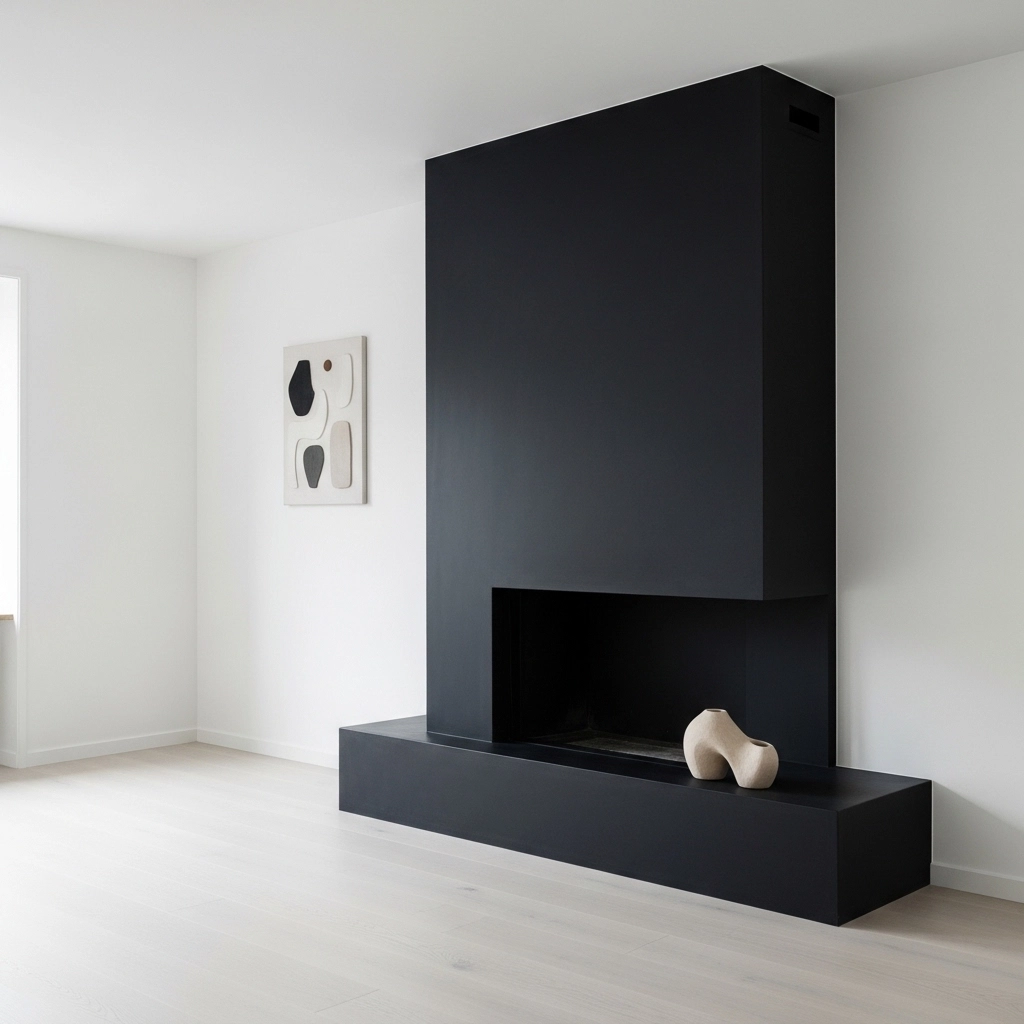
Placing a dark charcoal or near-black plaster fireplace in an otherwise white room creates a bold compositional contrast that works in favour of both elements. The white space recedes and amplifies the fireplace, while the dark fireplace gives the room a necessary anchor. This high-contrast approach is a favourite in Scandinavian and minimalist interiors.
21. Plaster Fireplace with Natural Stone Hearth
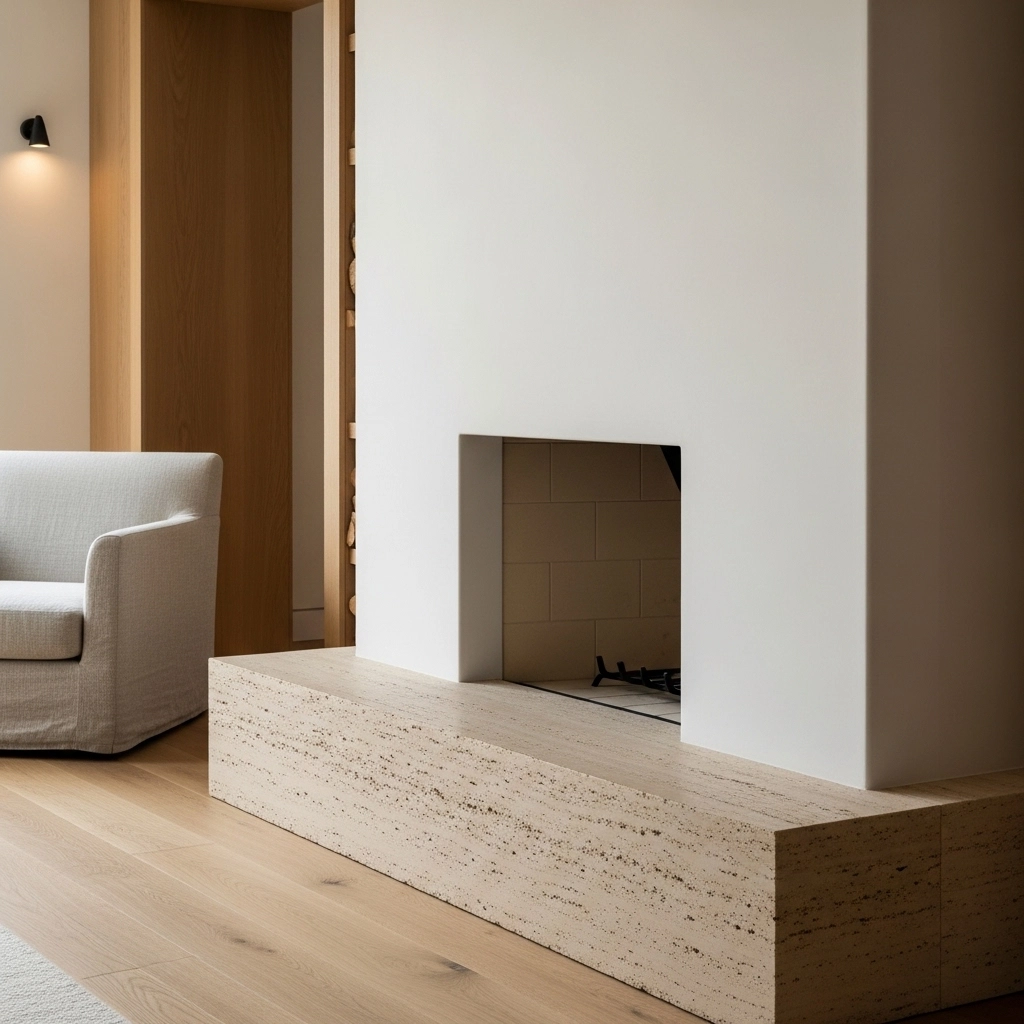
Pairing a smooth plaster surround with a natural stone hearth, whether limestone, marble, travertine, or raw slate, introduces a material contrast that keeps the design from feeling one-dimensional. The plaster and stone speak to each other through texture while maintaining a unified palette, and the combination carries a sense of elemental permanence that is deeply satisfying.
22. Bedroom Plaster Fireplace
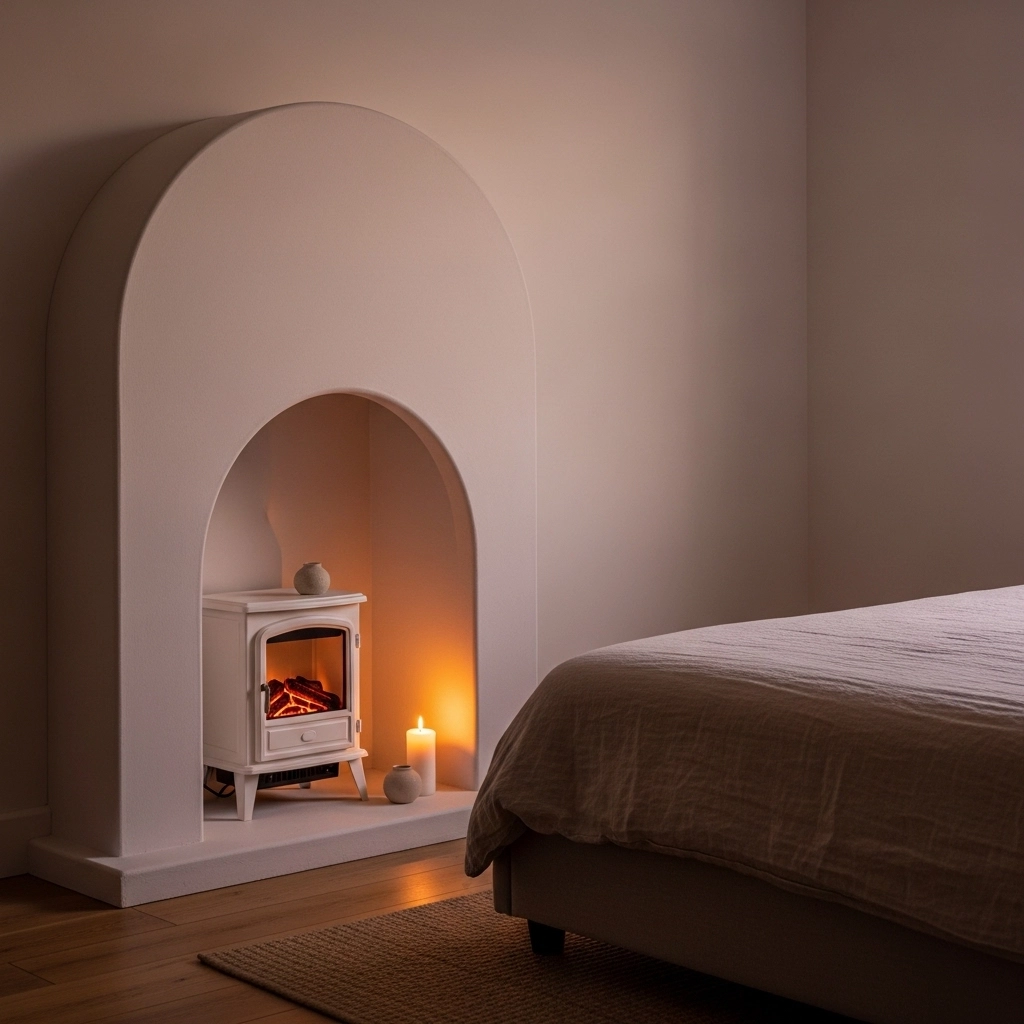
A plaster fireplace can absolutely be built in a bedroom, creating a design that is dramatic and serene simultaneously. A slim, arched plaster surround with a small electric insert is perhaps the most practical and beautiful approach for a bedroom, where the fireplace becomes a quiet luxury rather than a grand statement. Keep the finish matte and the tones soft for a space that feels genuinely restful.
23. DIY Electric Insert with Venetian Plaster
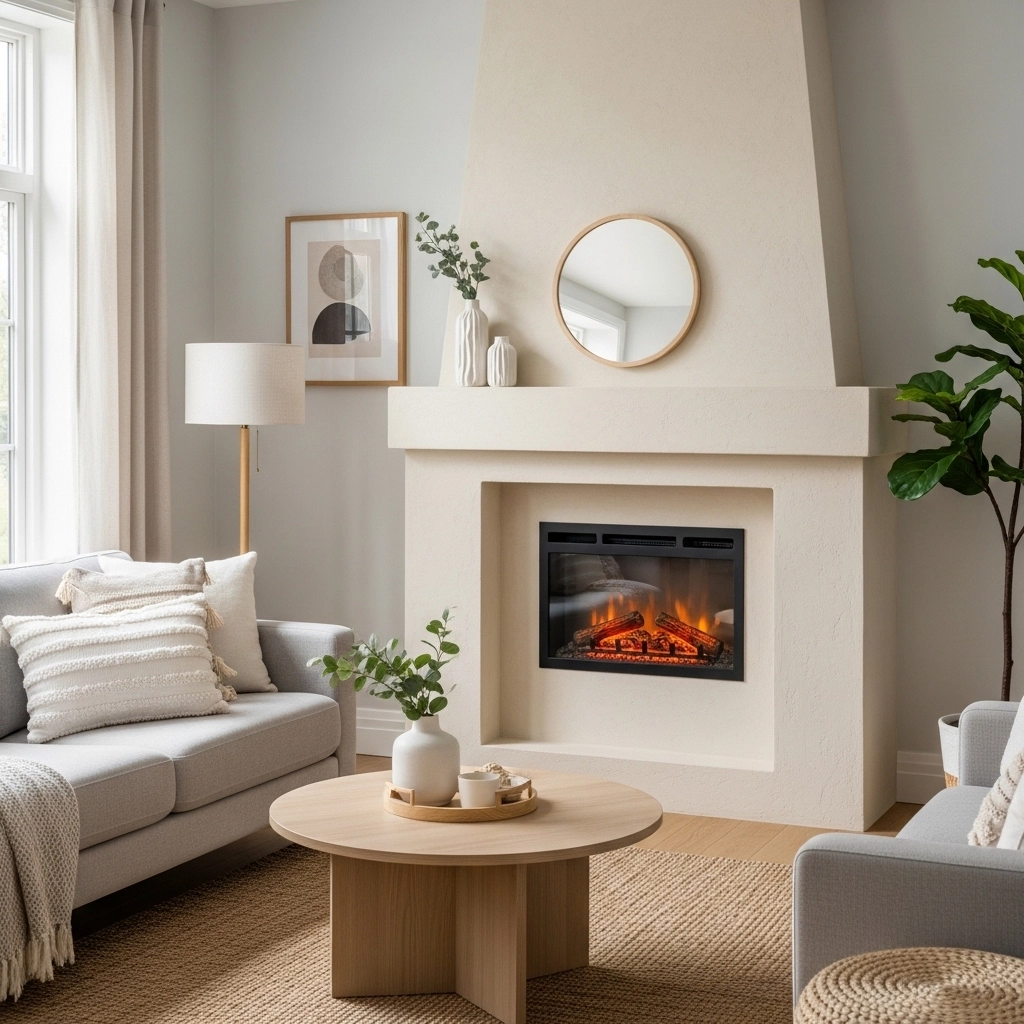
For homeowners who love the look but are working within a budget, a built-from-scratch plaster fireplace with an electric insert is a genuinely achievable project. Traditional Venetian plaster is composed of eco-friendly lime and marble dust, creating a three-dimensional effect with lustrous movement. Plaster paint products that replicate this effect are widely available, and when applied over a framed drywall structure housing an electric insert, the result is a fireplace that looks fully custom at a fraction of the cost of professional installation.
How to Choose the Right Plaster Finish for Your Fireplace
With so many finishes available, choosing the right one comes down to understanding the character you want the room to carry. Venetian plaster suits those who want luminosity and a touch of quiet luxury. Roman clay is the material of choice for organic, earthy spaces. Microcement belongs in industrial and contemporary loft environments. Limewash creates a patina that feels aged and deeply textured. And smooth polished plaster in white or ivory is the standard for anyone who values pristine, minimal architecture above all else. For more insights visit Homeliaa.
It is also worth considering the colour undertones carefully. A warm undertone, such as terracotta or honey, will make a room feel cosy and inviting. A cool undertone, such as grey or stone blue, will sharpen the contemporary edge of the space. Neither is better than the other. Both serve different intentions.
Heat Resistance and Durability
A common concern about plaster fireplaces is whether the material can withstand the heat generated by a working fireplace. When installed by a skilled professional, plaster finishes are designed to handle the temperature changes of a fireplace. Specific materials and techniques, including a specialized heat-resistant primer, ensure the finish remains stable and crack-free. Proper preparation of the substrate is the most critical factor in long-term durability, and a well-applied plaster surround should perform for decades without issue.
Styling Your Plaster Fireplace
Once the plaster is on the wall, the styling decisions begin. The restraint that makes a plaster fireplace beautiful in the first place should guide the decoration around it. A single piece of sculptural art, a few handmade ceramic vessels, or a simple arrangement of candles will almost always outperform a cluttered mantel. Let the texture of the plaster do the work. The fireplace does not need embellishment. It needs space.
Conclusion
A modern plaster fireplace is not just a design trend. It is a long-term investment in the character and quality of your home. Whether you choose the polished depth of Venetian plaster, the earthy richness of Roman clay, or the quiet drama of dark limewash, you are choosing a material that interacts with light, age, and atmosphere in ways that no manufactured surface can replicate. The 23 ideas in this guide represent the range of what is possible, from the grandly architectural to the intimately personal. The best plaster fireplace for your home is the one that makes your space feel more like itself, not less.
Frequently Asked Questions
1. Can plaster be applied over an existing brick fireplace?
Yes, absolutely. The existing brick needs to be cleaned thoroughly and primed with a high-adhesion primer before the plaster layers are applied. This is one of the most cost-effective ways to modernize a dated fireplace without tearing it out.
2. Is Venetian plaster heat-resistant enough for a working fireplace?
When professionally installed with the correct heat-resistant primer and applied over a properly prepared substrate, Venetian plaster and other lime-based plasters are durable enough to handle the temperature fluctuations of a working fireplace without cracking or peeling.
3. What is the difference between Venetian plaster, Roman clay, and limewash?
Venetian plaster uses lime putty and marble dust to create a polished, luminous finish. Roman clay delivers a matte, organic, stone-like surface. Limewash is applied in thin transparent washes for a layered, aged appearance. Each suits a different design aesthetic and room character.
4. How much does a professional plaster fireplace typically cost?
Costs vary based on the size of the wall and the complexity of the design, but professional plaster fireplace installations generally start from around $2,800, comparable to a high-end fireplace surround. DIY approaches using plaster paint products can bring this figure down considerably.
5. Can I DIY a plaster fireplace as a beginner?
Yes, with the right materials and some patience. Plaster paint products designed to replicate the look of Venetian plaster are more forgiving than traditional lime plaster and require far less skill to apply well. Practising on a scrap piece of drywall before tackling the fireplace itself is strongly recommended.