14+ Stunning Scrapbook Card Ideas to Inspire You
Introduction:
Scrapbook Card Ideas, there is something deeply personal about a handmade card. In a world where digital messages flood inboxes every second, a carefully crafted scrapbook card carries a warmth that no text or email can replicate. Whether you are a seasoned paper crafting enthusiast or someone who is just discovering the joy of cardmaking, scrapbook card ideas open up a creative universe full of color, texture, and meaning. These cards can be made for birthdays, anniversaries, holidays, thank you occasions, or simply to brighten someone’s day without any particular reason at all. The beauty of scrapbook cardmaking lies in its flexibility. You can work with what you already have, repurpose leftover paper scraps, experiment with new techniques, and create something genuinely one of a kind. This article walks you through 14 plus stunning scrapbook card ideas that will inspire you to pick up your supplies and start creating today.
1. Layered Patterned Paper Cards
One of the most timeless and satisfying scrapbook card ideas involves layering multiple sheets of patterned paper to build depth and visual interest. The technique works by placing sheets of varying patterns on top of each other, trimming each one slightly smaller than the one beneath it, so each layer peeks out from behind the next.
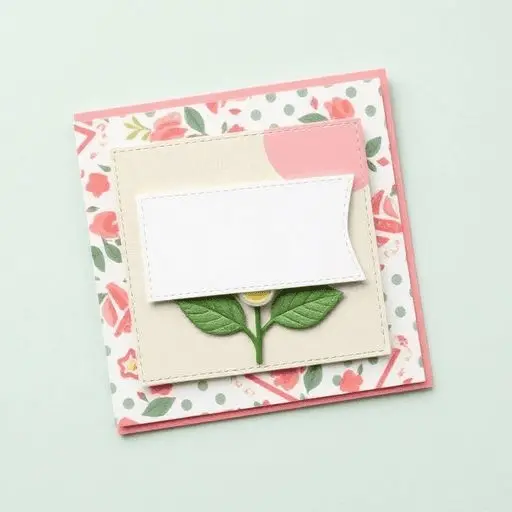
The result is a card that looks complex and polished but is actually quite achievable for beginners. Choose papers that share a color palette but differ in pattern scale. For instance, pair a large floral print with a fine geometric background and a solid mid-tone layer in between. This combination creates harmony without monotony. Use a strong adhesive for flat layers and foam tape to lift the focal element, giving the card a professional dimensional finish.
2. Vintage Kraft Base Cards
Kraft cardstock has a naturally warm, earthy tone that lends itself beautifully to vintage and rustic scrapbook card aesthetics. Starting with a deep kraft card base instantly sets a nostalgic mood. Layer it with aged-looking patterned papers, cream lace ribbon, manila tags, and muted stamps to complete the look.
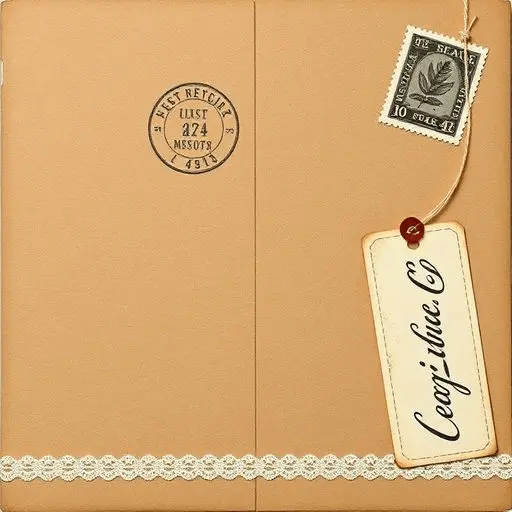
Vintage kraft base cards pair wonderfully with sepia-toned photographs, distress inks, and old-fashioned ephemera like postage stamp motifs and botanical illustrations. This style is ideal for thank you cards, sympathy cards, and memory-keeping projects where a sense of timelessness matters. The kraft tone also makes metallic elements like gold brads and copper eyelets stand out beautifully.
3. Floral Themed Scrapbook Cards
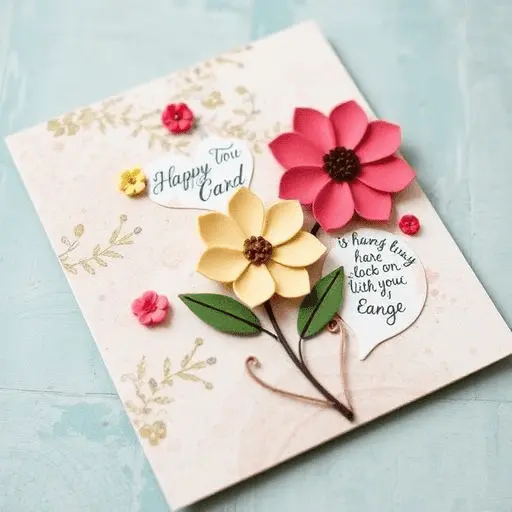
Floral scrapbook card ideas are perennially popular because flowers carry universal meaning across cultures and occasions. A floral card can be romantic, celebratory, sympathetic, or simply cheerful depending on the colors and arrangement you choose.
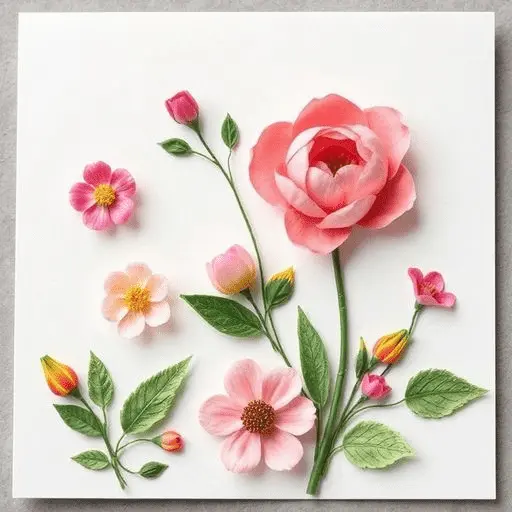 You can create floral cards using stamped images colored with watercolor pencils or alcohol-based markers, die-cut flowers layered to create three-dimensional blooms, or even pressed and dried real flowers adhered under a clear acetate overlay. For a quick but striking approach, use a single oversized floral stamp as the card’s focal point and pair it with a clean, simple sentiment. Alternatively, scatter smaller flower die cuts across the card surface for a garden-in-bloom effect that feels abundant and joyful.
4. Birthday Scrapbook Cards with Sentiments
Birthday cards offer the most creative freedom of any occasion, and scrapbook card ideas for birthdays range from bold and playful to elegant and refined. The key to a great birthday scrapbook card is a strong sentiment that feels personal. Instead of generic phrases, try using layered letter stamps or die-cut alphabet pieces to spell out something specific and heartfelt.
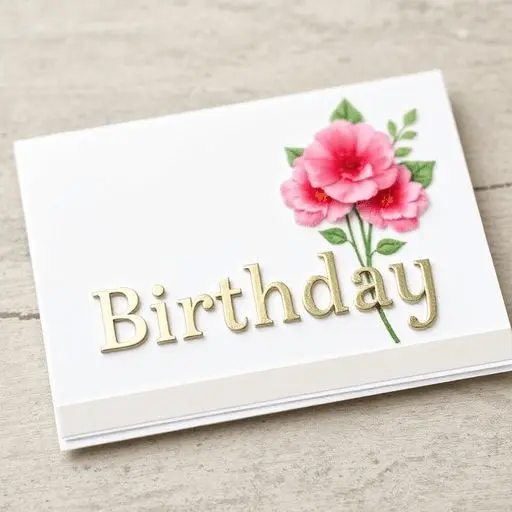
Pair the sentiment with colorful patterned paper, balloon die cuts, or confetti-style elements for a festive look. For a more sophisticated birthday card, use embossed metallic letters against a clean white background with a single spray of watercolor blooms. Adding a small strip of washi tape along the card border ties the design together without overwhelming it.
5. Clean and Simple Card Designs
Not every stunning scrapbook card needs to be heavily embellished. The clean and simple cardmaking philosophy focuses on restraint, balance, and the intelligent use of white space. These cards typically feature one strong focal image, a single sentiment, and minimal layers.
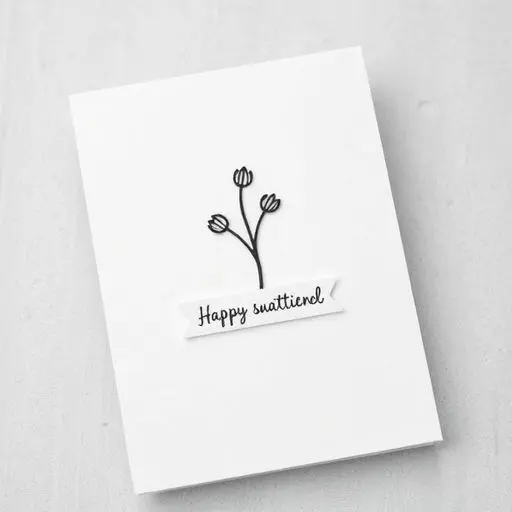 The discipline required to create a clean and simple card actually makes it one of the most skill-driven styles in scrapbook cardmaking. Every element you include must earn its place on the card. A beautifully stamped image in fresh ink, centered on a white card base with a precisely placed sentiment strip below it, can be more striking than a card crowded with embellishments. Clean and simple cards are also faster to make in batches, which makes them practical for crafters who want to build a card stash efficiently.
6. Foam Tape Dimensional Cards
Foam tape is one of the most transformative tools in a scrapbook card maker’s supply kit. By using foam adhesive squares or strips beneath die cuts, stamped images, or paper layers, you lift elements off the card surface and create genuine dimension.
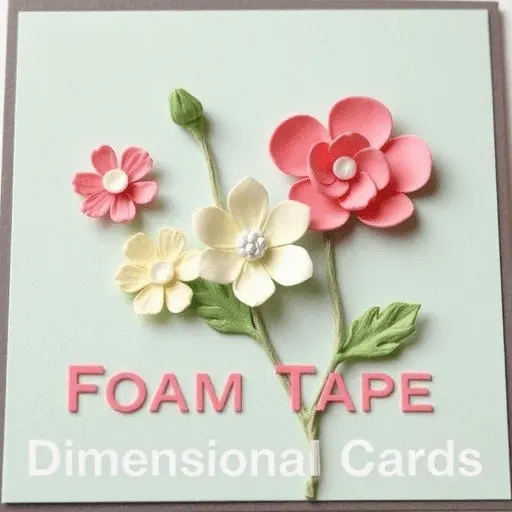
This shadow-and-depth effect makes the card look more dynamic and professionally finished. A flat card with die-cut flowers adhered directly to its surface looks pleasant. The same card with those flowers raised on foam tape suddenly looks like a work of art. Combine foam tape dimensionality with strategic color placement to guide the viewer’s eye toward the card’s focal point. Use thicker foam tape for primary focal elements and thinner foam dots for secondary layers to create a natural sense of spatial depth.
7. Washi Tape Scrapbook Cards
Washi tape has revolutionized scrapbook cardmaking for crafters of every skill level. This decorative Japanese paper tape comes in hundreds of patterns, colors, and widths, and it offers an almost effortless way to add color, pattern, and structure to a card. One popular approach is to lay several strips of coordinating washi tapes across a white card base to create a colorful striped background.
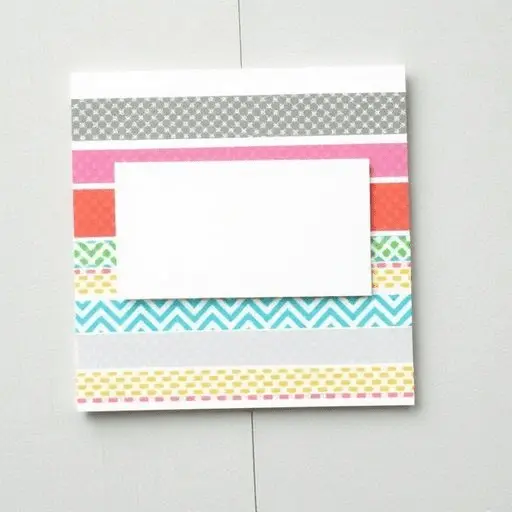
Then layer a clean white panel with a stamped image and sentiment on top for a fresh, modern look. You can also use washi tape to frame the edges of a card, create a simple border, or anchor layers of patterned paper. Because washi tape is repositionable when fresh, it is especially beginner-friendly and forgiving to work with.
8. Die Cut Cards with Nested Banner Designs
Die cutting machines have opened up enormous possibilities for scrapbook card makers, and nested banner dies are among the most versatile tools you can add to your collection. A nested banner set includes a series of banner shapes in graduating sizes, allowing you to layer them for a rich dimensional effect.
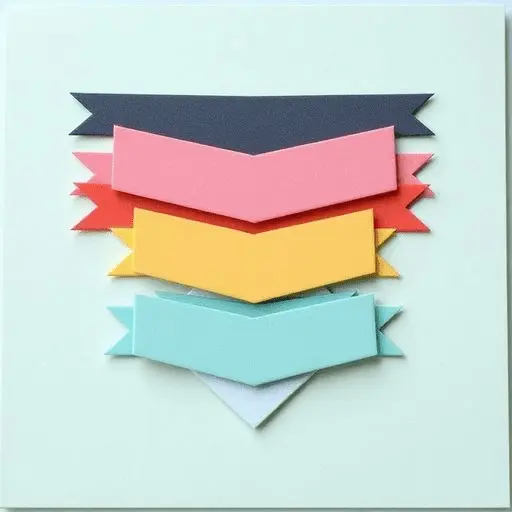 These banners can be cut from patterned papers, cardstock, or vellum and layered in graduating colors to create an eye-catching focal panel on any card. String multiple banners in a row across a card for a celebratory bunting effect or stack them vertically to create a pennant tower that reads like a bold graphic element. Die cuts of this kind work well for birthday cards, graduation cards, and baby shower cards where a festive, energetic tone is appropriate.
9. Watercolor Background Cards
Watercolor techniques bring a painterly softness to scrapbook card ideas that is hard to achieve through any other method. You do not need to be a trained painter to use watercolor effectively in cardmaking. Simple techniques like wet-on-wet blending, ink smooshing, and gradient washes can produce beautiful background panels with minimal effort.
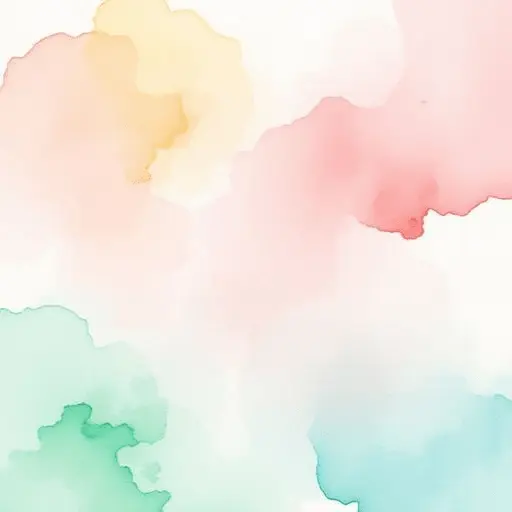
Use watercolor paints or distress inks on watercolor paper, allow the panel to dry completely, then stamp or die cut your focal elements over the painted background. Watercolor backgrounds work particularly well in soft, romantic palettes of peach, lavender, and sage. They also shine in bolder combinations when you want the card to feel vivid and expressive. Seal finished watercolor panels with a light mist of fixative before adding additional layers.
10. Pocket Card Designs for Memory Albums
Scrapbook cards do not always have to stand alone. One of the most thoughtful scrapbook card ideas involves designing cards specifically to be tucked into pockets on scrapbook album pages. Pocket cards are slightly smaller than standard card size so they slide in and out of page protector pockets easily.
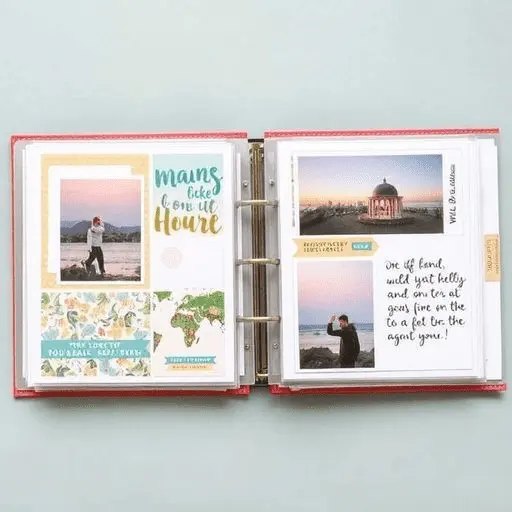 They typically feature a photo on one side and a written journaling note or decorative panel on the other. This style is popular in Project Life and pocket scrapbooking communities where memory keeping happens in real time throughout the year. Creating a set of coordinating pocket cards in a themed collection, such as travel memories or seasonal moments, results in a cohesive album page that is both beautiful and full of personal history.
11. Holiday and Seasonal Scrapbook Cards
Holiday scrapbook cards are perhaps the most beloved category in paper crafting. Christmas cards, Easter cards, Halloween cards, and Valentine’s Day cards each carry their own visual language, and scrapbook cordmakers love interpreting these seasonal themes through a handmade lens. For Christmas, try layering kraft paper with plaid patterns, evergreen die cuts, and red enamel dot accents for a cozy, traditional look. For Valentine’s Day, quilled paper hearts, pink and red watercolor blooms, and lace trim create a romantic effect.
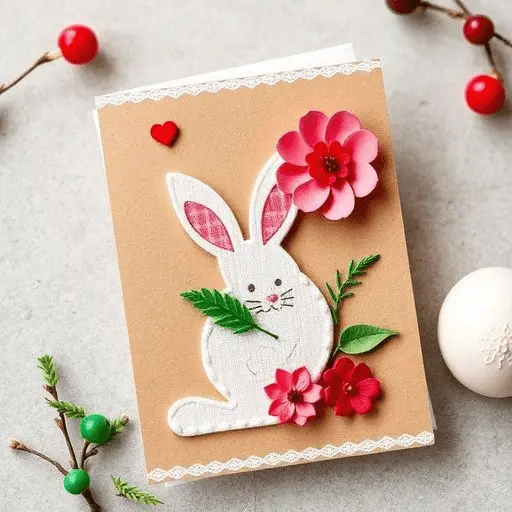 Easter cards lend themselves to soft pastels, bunny punch art, and egg-shaped windows cut into the card front. Making seasonal cards in batches throughout the year means you always have something meaningful to give when an occasion arrives.
12. Thank You Cards Using Paper Scraps
One of the most practical and satisfying scrapbook card ideas is turning leftover paper scraps into beautiful thank you cards. Most crafters accumulate strips, squares, and odd-shaped pieces of patterned paper that seem too small to use but too lovely to discard. The square paper-pieced layout is a classic approach that arranges multiple small paper pieces in a grid or mosaic pattern to create a patchwork background panel.
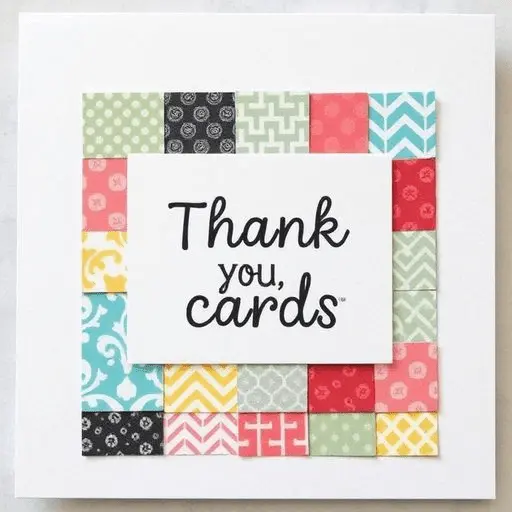
Layer a clean white stamped sentiment over this colorful foundation and you have a card that is both resourceful and charming. Paper scrap thank you cards are also budget-friendly, which makes them ideal for making large quantities when you need to send multiple thank you notes after a wedding, baby shower, or similar event.
13. Artist Trading Cards as Scrapbook Card Ideas
Artist Trading Cards, commonly known as ATCs, are miniature works of art that measure exactly 2.5 by 3.5 inches, the same size as a standard playing card. In the scrapbooking community, ATCs serve as a wonderful way to experiment with new techniques on a small, low-pressure scale before committing those ideas to a full-sized layout or card.
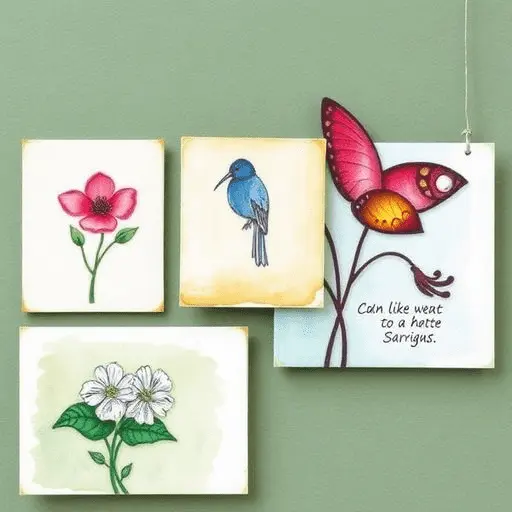
Each ATC becomes a tiny canvas where you can test watercolor washes, try new stamp combinations, practice lettering, or create mixed media collages. ATCs are often traded between crafters at events and gatherings and collecting them becomes its own form of scrapbook memory keeping. Creating a series of coordinating ATCs also makes a unique and personalized gift.
14. Embossed Texture Cards
Heat embossing and dry embossing are two techniques that add immediate elegance to any scrapbook card. Heat embossing involves stamping an image with embossing ink, sprinkling embossing powder over the wet ink, and then applying heat with an embossing gun to create a raised, glossy design. The result is a striking tactile element that catches the light and gives the card a professional, printed quality.
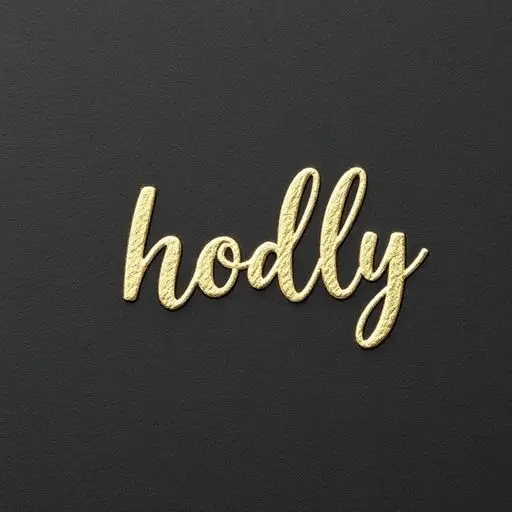
Dry embossing uses embossing folders and a die cutting machine to press a textured pattern into cardstock, creating subtle raised patterns like woodgrain, brick, linen, or geometric designs. Both methods work beautifully as background treatments or as focal design elements. Embossed gold or silver sentiments against a solid dark cardstock base create especially dramatic and impressive cards with minimal extra embellishment.https://au.pinterest.com/kimsarti/card-scrapbook-ideas/
15. Interactive Pop-Up Scrapbook Cards
For crafters who want to make a truly memorable impression, interactive pop-up scrapbook card ideas deliver a wow factor that no flat card can match. The box fold pop-up mechanism is one of the easiest to learn and involves scoring and folding a panel inside the card so that it springs upward when the card is opened. You can decorate the pop-up element with die-cut characters, floral arrangements, birthday cakes, or any theme that suits the occasion.
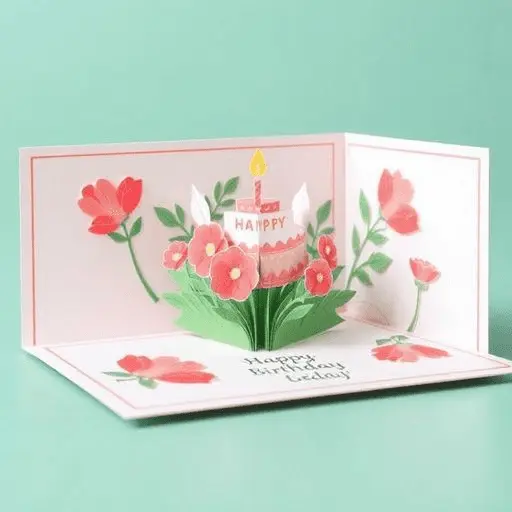
More complex pop-up structures like step cards, tunnel cards, and cascade fold cards create layered depth effects that feel almost architectural in their construction. These cards take more planning and practice than simpler designs, but the reaction they produce when received makes every extra minute worthwhile.
Conclusion
Scrapbook card ideas are as limitless as your imagination, your paper stash, and your willingness to experiment. Whether you prefer the quiet elegance of a clean and simple card, the celebratory energy of a die-cut birthday design, or the personal depth of a pocket card tucked into a memory album, there is a style here that will speak to your creative instincts. The best approach is to start with what you already have, master one technique at a time, and let each finished card teach you something new for the next one. Cardmaking rewards patience, curiosity, and a genuine desire to create something that another person will treasure. Pick one idea from this list today, gather your supplies, and let the paper tell its story.
Frequently Asked Questions
1. What supplies do I need to start making scrapbook cards?
A basic card making kit includes cardstock for card bases, patterned paper, adhesive, scissors, a bone folder for crisp folds, and a few stamps with an ink pad. As your skills grow, you can add die cutting machines, embossing tools, and specialty inks.
2. How do I choose a color palette for my scrapbook cards?
Start by selecting one patterned paper you love and pull two or three colors directly from that print to build your palette. Using colors already present in a single paper collection ensures harmony and takes the guesswork out of coordinating.
3. Can beginners make impressive scrapbook cards?
Absolutely. Clean and simple card designs, washi tape cards, and layered paper piecing cards are all beginner-friendly approaches that produce striking results without requiring advanced skills or expensive tools.
4. How do I store handmade cards before giving them away?
Store finished cards in clear cellophane sleeves or in a flat card box away from direct sunlight and humidity. Keeping them flat prevents embellishments from being crushed and maintains the card’s overall shape and condition.
5. What is the standard size for a handmade scrapbook card?
The most common size is A2, which measures 4.25 by 5.5 inches when folded. This size fits standard envelopes available at most craft and office supply stores, making it practical for mailing as well as gifting in person.