
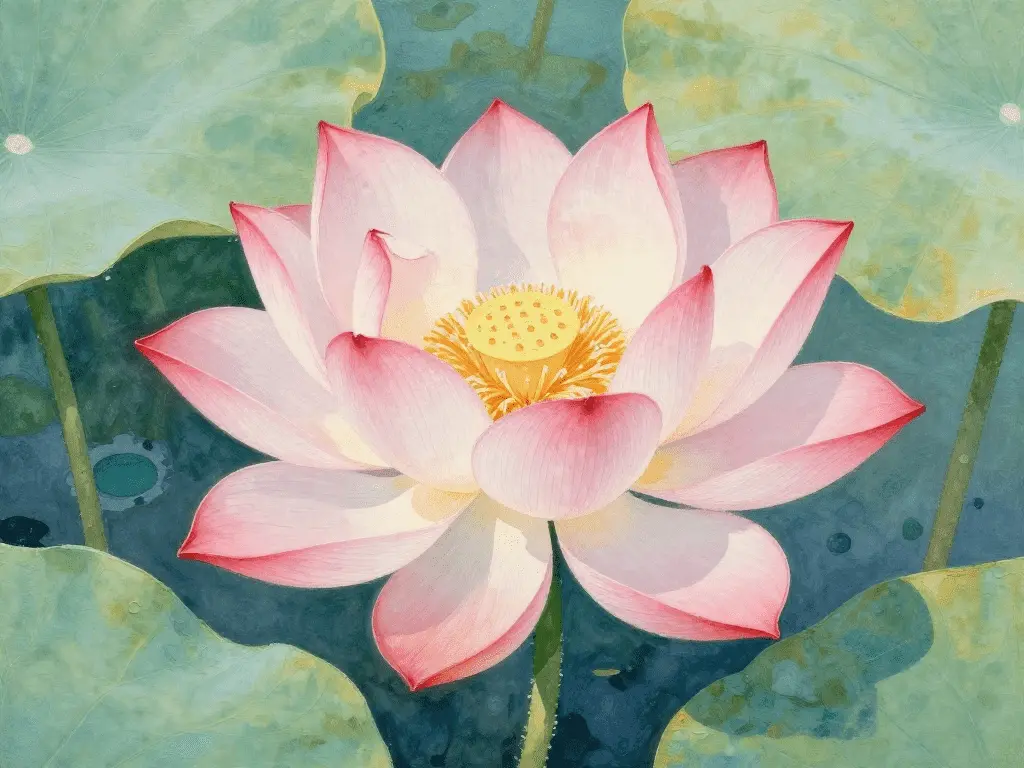
16+Stunning Lotus Flower Painting Ideas
Introduction
Lotus Flower Painting Ideas few flowers in the entire history of human art have commanded the same level of reverence, admiration, and creative energy as the lotus. It does not grow in a well-tended garden or a cultivated field. It rises from the mud at the bottom of still, dark ponds and opens each morning into something breathtakingly clean and radiant. That quiet miracle has made it one of the most painted, sculpted, and illustrated subjects across thousands of years and dozens of civilizations.
For painters today, the lotus continues to offer something rare: a subject that is simultaneously spiritually rich, visually beautiful, and technically versatile. It suits the gentlest watercolor washes and the boldest acrylic layers with equal grace. It welcomes the beginner who is holding a brush for the first time and rewards the experienced artist with layers of subtlety that take a lifetime to fully explore.
Whether you are looking for your very first painting subject or searching for a fresh direction in a well-established practice, the lotus delivers. This article presents sixteen plus stunning lotus flower painting ideas drawn from classical traditions and contemporary approaches, each accompanied by practical insight to move you from inspiration to actual brushwork with genuine confidence.
The Meaning Behind Every Lotus Flower Painting
Before exploring specific ideas, it is worth understanding why this particular flower has maintained such an extraordinary hold on artistic imagination across cultures and centuries.
In Buddhist teaching, the lotus is a direct symbol of spiritual enlightenment. The mud from which it grows represents the difficulties and impurities of material life, while the pristine bloom above the waterline represents the soul’s capacity to rise above those conditions into clarity and wisdom. In Hinduism, the goddess Lakshmi, embodiment of wealth and prosperity, is traditionally depicted seated on a fully opened lotus. In ancient Egypt, the flower represented the original act of creation, the first emergence of life and light from primordial darkness.
For a painter, this depth of meaning transforms every composition. When you paint a lotus thoughtfully, you are not simply reproducing a flower. You are contributing to one of the oldest and most meaningful visual conversations in the entire history of human culture.
Essential Tips Before You Begin Any Lotus Flower Painting
Choosing the Right Medium
Every painting medium offers a different quality of result with the lotus. Watercolor provides translucency and softness that mirrors the delicate, light-catching surface of the petals. Acrylic paint offers boldness, fast drying time, and the ability to build rich layers of color on dark grounds. Oil paint delivers luminous depth and allows extended blending time that suits gradual, detailed work. Ink suits disciplined, gestural approaches where the quality of the mark itself carries the meaning.
Observing Before You Paint
Spend time studying real lotus flowers from life or from detailed photographs before you apply a single brushstroke. The subtle asymmetry of the petals, the waxy sheen on the leaf surface, and the way natural light moves across the curved planes of the bloom are all details that careful observation captures and photographs tend to compress. Even twenty quiet minutes of looking will improve your painting more than hours of technique study.
1. Classic Pink Lotus in Watercolor
The pink lotus and watercolor paint are a combination that has produced some of the most beloved floral art in history. The transparency of watercolor mirrors the translucent, internally lit quality of the petals themselves with a naturalness that no other medium can easily replicate.
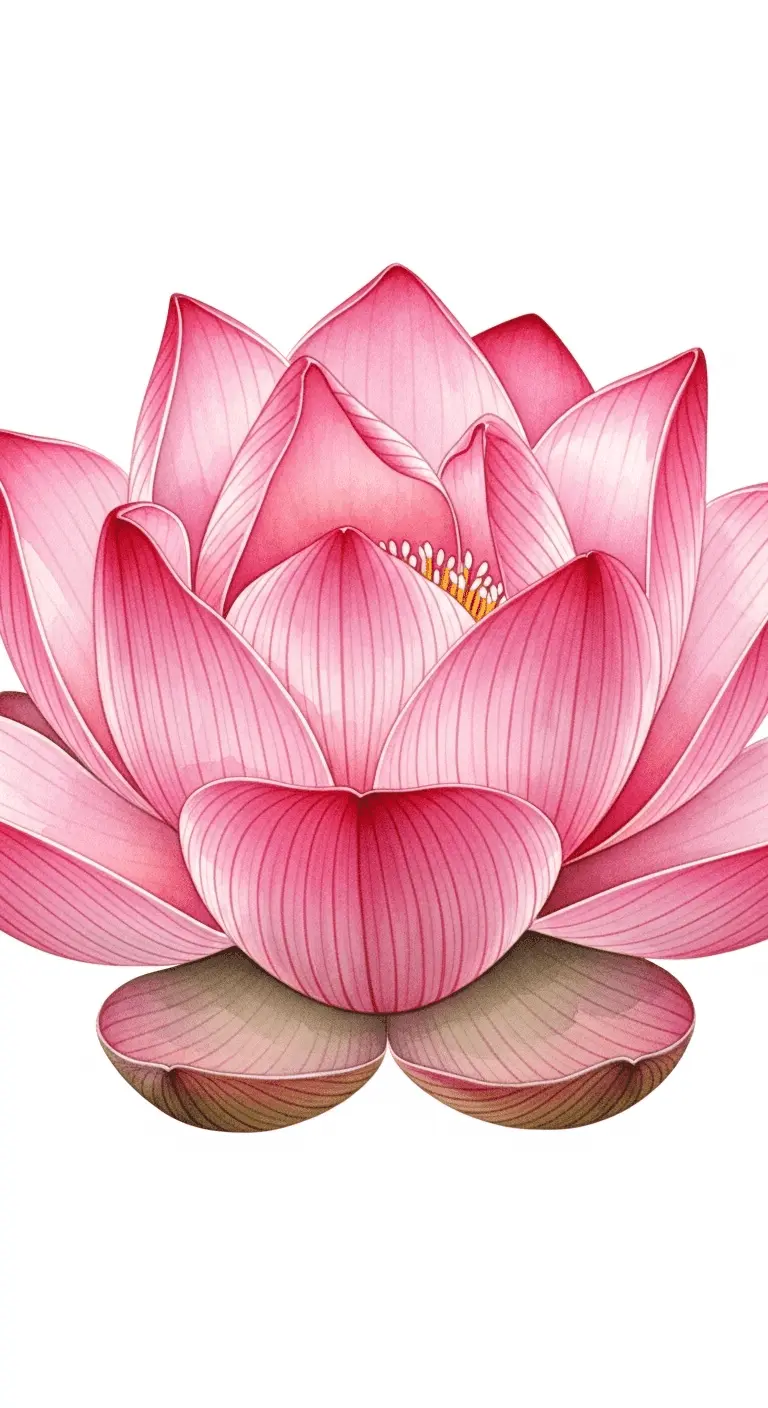
Begin with a wet into wet wash of soft rose and blush pink, allowing the pigments to flow and blend without interference. Once the first layer is fully dry, build up deeper tones at the base of each petal where shadows settle and the color deepens toward the center of the flower. The final result is a painting that appears to be lit from within, which is the precise visual quality that makes the pink lotus one of the most sought after subjects in floral watercolor art.
2.White Lotus Against a Dark Background
This idea relies on a single powerful principle: contrast. When a white flower is placed against a dark background, the eye is drawn immediately to the bloom and the flower appears to generate its own light.
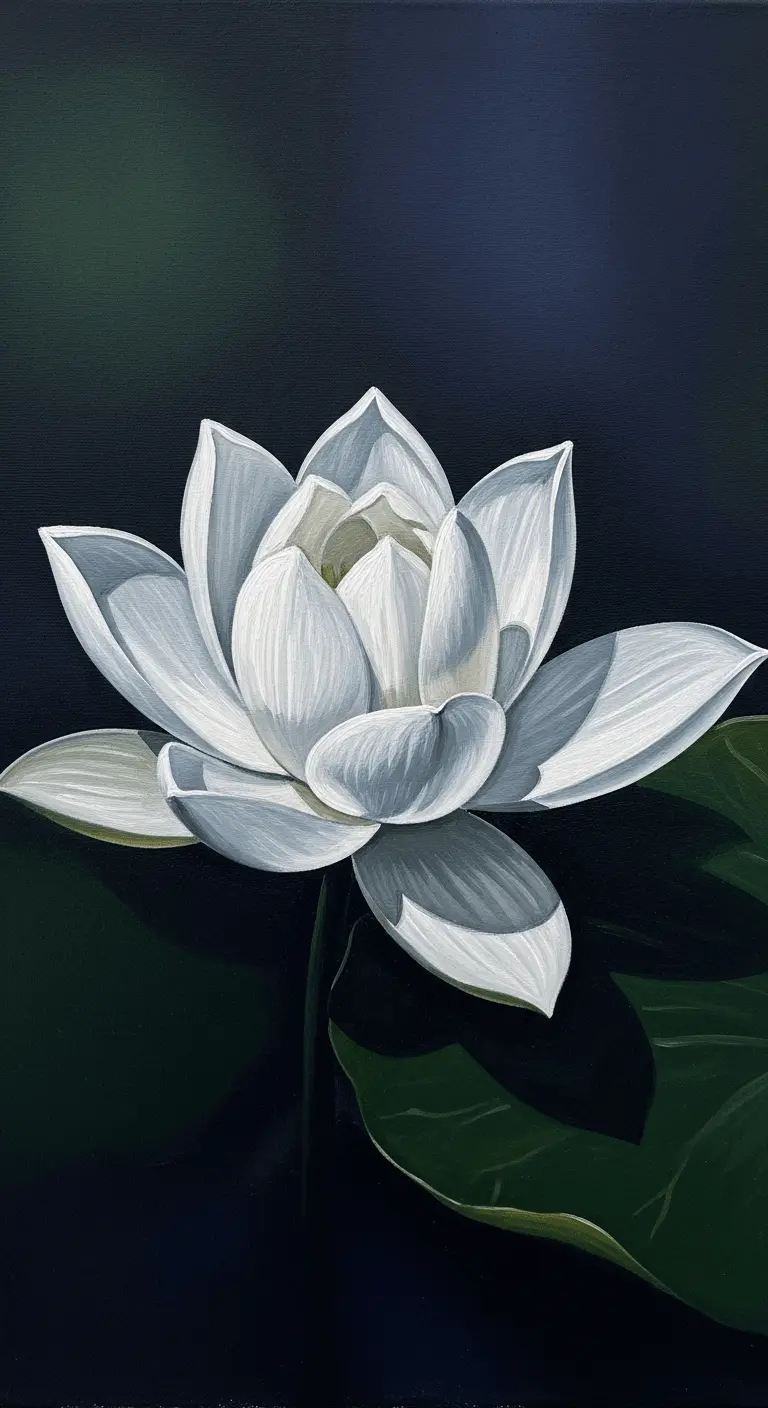
Paint your background first using deep indigo, charcoal grey, or a rich forest green. Allow it to dry completely before adding the lotus. Build the petals using titanium white mixed with a touch of cool grey to suggest form and shadow rather than painting a flat white shape. Layer the petals gradually from the outer edges inward, allowing each layer to dry before adding the next. The depth of the dark background makes the finished flower appear almost three dimensional. This idea works equally well in acrylic and oil paint.
3. Blue Lotus Painting for Depth and Mystery
The blue lotus is extraordinarily rare in nature, which is precisely what gives it such a powerful presence in art. In ancient Egyptian culture, it was directly associated with divine knowledge, wisdom, and the passage between the living and the spiritual world. In painting, this flower demands a considered approach to color.
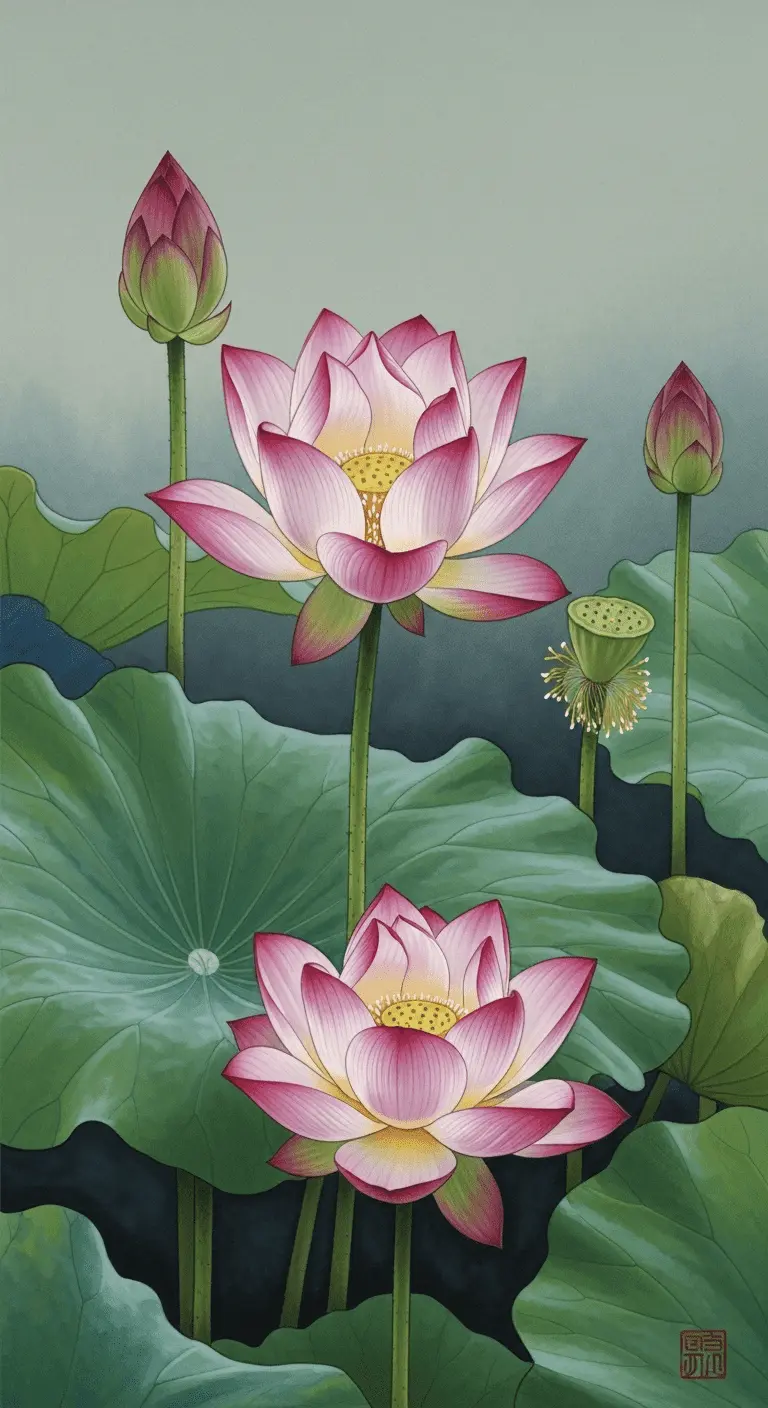
Move the palette from deep indigo and rich cobalt at the outer petals toward softer cerulean and pale azure as the color approaches the center. This inward progression of tone creates a sense of journey and depth that is entirely in keeping with the flower’s symbolic associations. Choose a background in warm, muted tones so that the cool petals read as vivid and intentional rather than cold and withdrawn.
4. Lotus in a Pond with Water Reflections
Rather than painting the lotus as an isolated subject, this idea places it within the full context of its natural environment. Include the flat, circular lily pads resting on the water’s surface, the reflection of the bloom in the still water below, and gentle horizontal distortion in the reflected shapes to suggest the movement of real water.
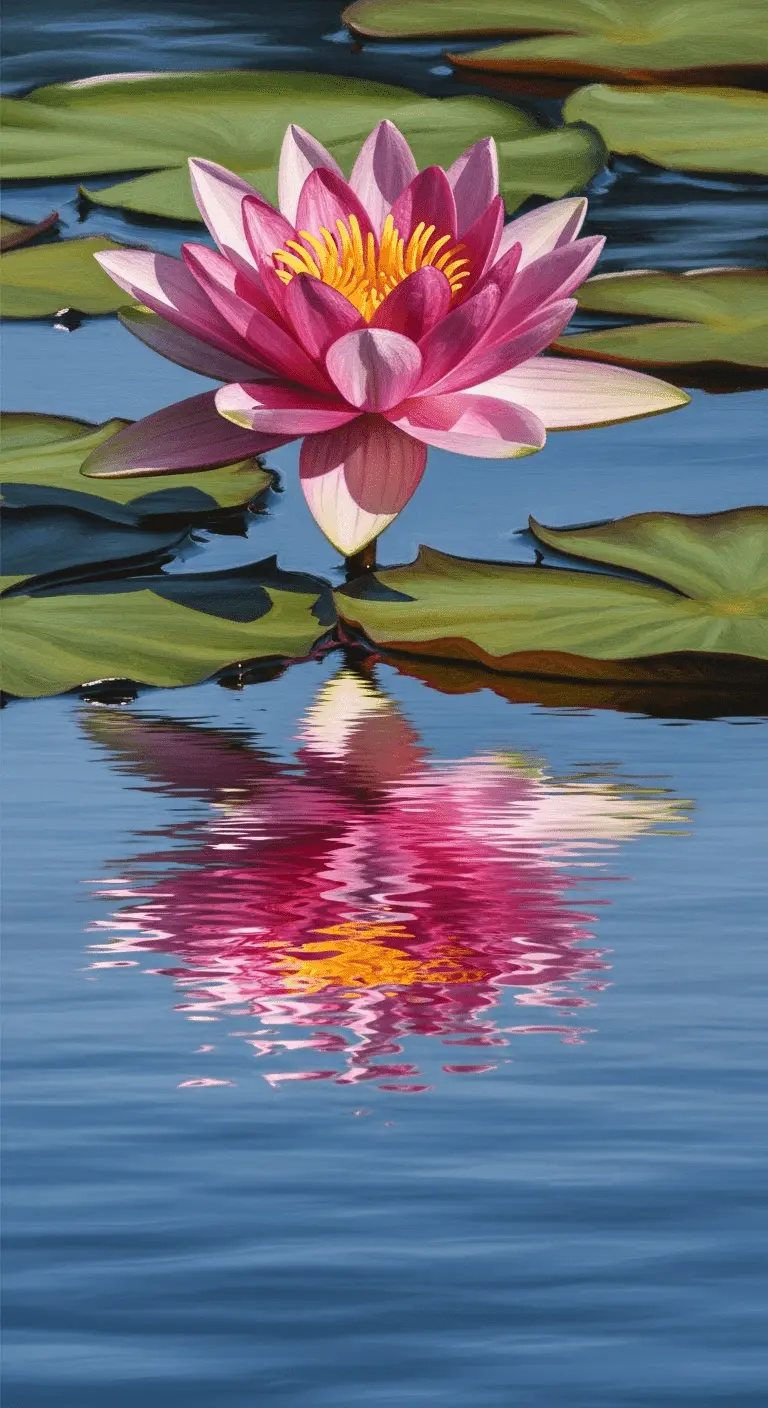
Use loose, horizontal brushstrokes for the water surface and allow colors to soften and bleed at the edges where water meets shadow. This approach transforms a single flower portrait into a complete and immersive scene that gives the viewer the sensation of standing at the edge of a still pond at early morning. This is one of the most compositionally complete lotus flower painting ideas available at any skill level.
5. Bold Acrylic Lotus on Black Canvas
Black canvas fundamentally changes how acrylic paint reads. Against a dark ground, pinks become luminous, purples take on a jewel-like intensity, and golds appear to radiate warmth and heat from within the surface of the painting.
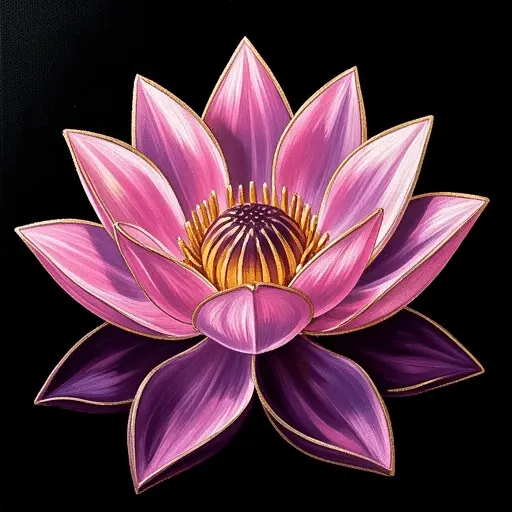
Build the lotus petals in gradual layers beginning with the deepest tones at the base and moving progressively toward the lightest values at the petal tips. Use a dry brush technique along the outer edges of each petal to create the soft, feathered texture that suggests natural petal surface. Finish with thin lines of metallic gold along the petal edges and around the central stamen. The result is a painting that glows as though lit from behind and makes an exceptionally powerful decorative statement on any wall.
6. Chinese Brush Painting Style Lotus
Chinese brush painting, known as Guo Hua, has treated the lotus as one of its most cherished and practiced subjects for many centuries. The technique demands something that many Western painters find deeply unfamiliar: each petal must be rendered with a single, confident, uninterrupted stroke of the loaded brush, with no preliminary sketch and no correction afterward.
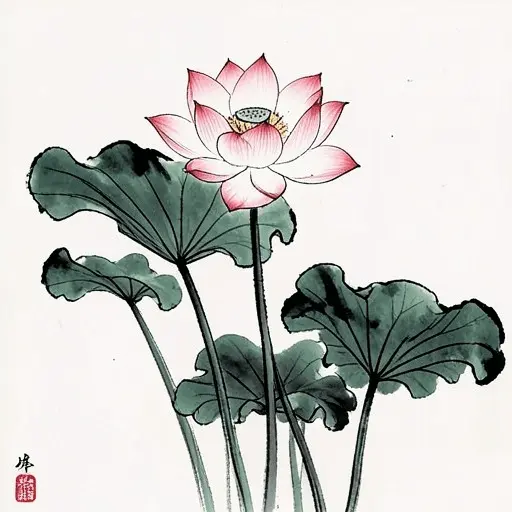
The slight imperfections that appear in each stroke are not flaws to be corrected. They are the living evidence of a real hand at work and they are considered a genuine part of the tradition’s beauty. Accompany the flower with tall, sweeping stems and bold washes of deep green and black ink for the leaves to complete the composition in its full classical form.
7. Sumi-e Ink Lotus
Sumi-e is the classical Japanese art of ink wash painting, and the lotus stands among its most practiced and revered subjects. The entire composition is built from nothing but varying concentrations of black ink, ranging from the deepest, most saturated black at the center of the flower through progressively lighter grey washes for petals, stems, and distant lily pads, all the way to the faintest suggestion of a wash for far background water.
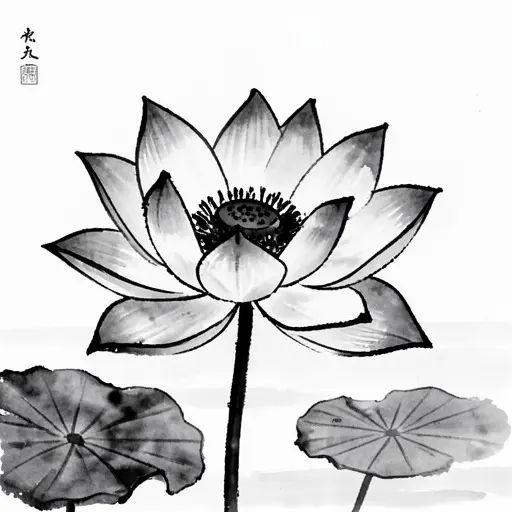
The white of the unpainted paper itself serves as the lightest value throughout the entire composition. No pigment needs to be added to create it. Mastering the Sumi-e lotus teaches control of pressure, water content, brush angle, and stroke speed in ways that improve your work across every other painting medium you use.
8. Batik Style Lotus in Watercolor
This technique borrows its underlying logic from traditional batik cloth dyeing, a craft in which wax is applied to cloth to resist dye and create complex, layered patterns through repeated applications of color. In painting, masking fluid replaces the wax and watercolor paper replaces the cloth.
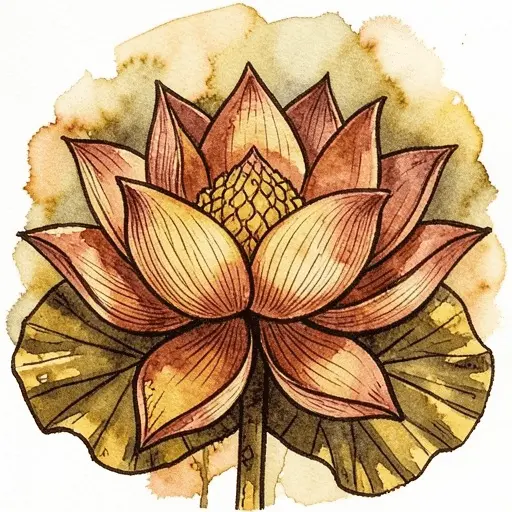
Apply masking fluid carefully to all areas you want to preserve before laying down your first broad wash of color. Once that wash is fully dry, apply masking over newly painted areas and add the next layer of color. Repeat this layering process several times and remove all masking fluid only after the final wash has dried completely. What is revealed is a richness and depth of accumulated color that standard watercolor techniques rarely achieve through any other method.
9. Zen tangle Lotus Design
The Zen tangle approach replaces painted color with intricate, repeating patterns drawn in clean ink lines within the outlines of the lotus flower. Each petal of the bloom receives a different geometric or organic repeating pattern: tightly coiled spirals in one petal, fine crosshatching in the next, stippled dots arranged in careful gradients in another.
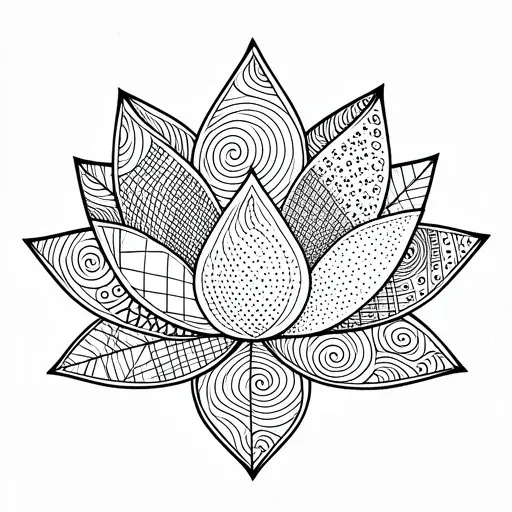
The process of creating a Zen tangle lotus is deeply meditative. It demands focused, rhythmic attention that quiets the mind in a way that looser painting approaches rarely produce. Black ink on white paper is the classic and most elegant choice, though adding one or two carefully chosen accent colors brings the composition into decorative territory and makes it suitable for framing as finished wall art.
10. Lotus with Koi Fish
Combining the lotus with koi fish is a compositional tradition with deep and well-established roots in both Japanese and Chinese visual culture. Within those traditions, koi represent courage, perseverance against obstacles, and good fortune. The lotus, of course, carries its universal associations with spiritual purity and enlightenment.
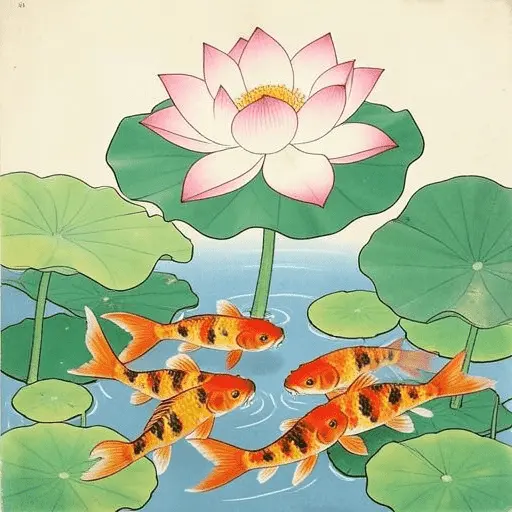
Place the lotus at the upper portion of the canvas where it sits above the waterline in its natural position. Allow the koi to swim beneath and around the lily pads in the water below, their bright orange, red, and gold forms creating energetic movement that contrasts beautifully with the serene stillness of the flower above. That contrast between motion and stillness is what gives this composition its particular power.
11. Abstract Lotus in Mixed Media
An abstract approach frees the painter completely from the pressure of botanical accuracy and redirects attention toward color relationships, texture, and emotional atmosphere. Begin with a collaged background built from tissue paper, torn pages, or textured gesso applied with a palette knife. Over this surface, use wide flat brushes and palette knives to build up loose petal shapes in soft pinks, deep purples, and warm gold.
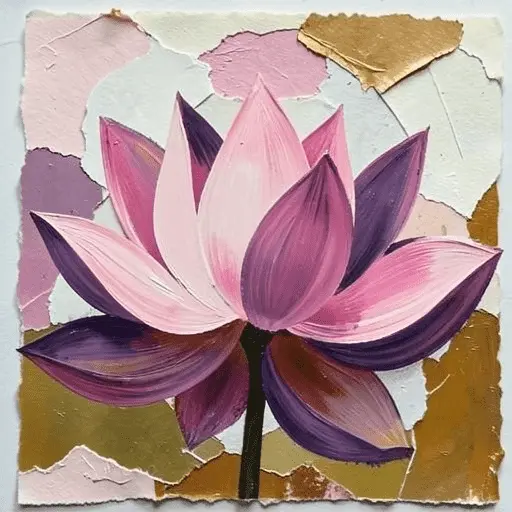
The goal is not to produce a recognizable flower but to capture the feeling of one: warmth, softness, upward movement, and inner radiance. Abstract lotus paintings frequently produce more emotional impact than realistic ones precisely because they bypass the analytical mind and speak directly to feeling.https://artofpaintbynumbers.com/blog/how-to-paint-a-lotus-flower-painting
12. Lotus Under Moonlight
This composition situates a single white or pale lavender lotus on the surface of a still pond at night, with a full moon positioned above and its reflection shimmering in the water below. The silver moonlight falls across the water surface and illuminates the bloom with a quality of light that is impossible to achieve in daytime compositions.
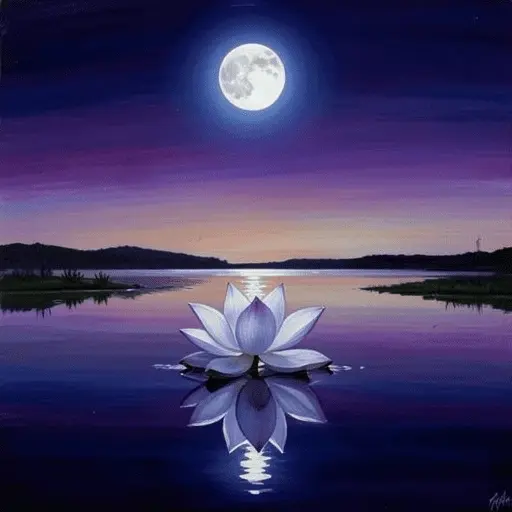
Paint the sky in gradients moving from deep violet and dark cobalt near the top through progressively lighter, warmer tones toward the horizon where the water meets the sky. Use acrylic or oil paint for this idea, as both allow the sustained blending and careful layering that this type of atmospheric night scene requires.
13. Lotus Bud to Full Bloom Sequence
Rather than capturing a single moment in the life of the lotus, this idea creates a composition or triptych that follows the flower through its entire cycle. Begin at the left with a tightly closed bud painted in muted, restrained tones. Progress through a half opened flower in the center of the composition using progressively warmer, more saturated colors. Conclude at the right with a fully opened bloom in the richest, most luminous version of the chosen palette.
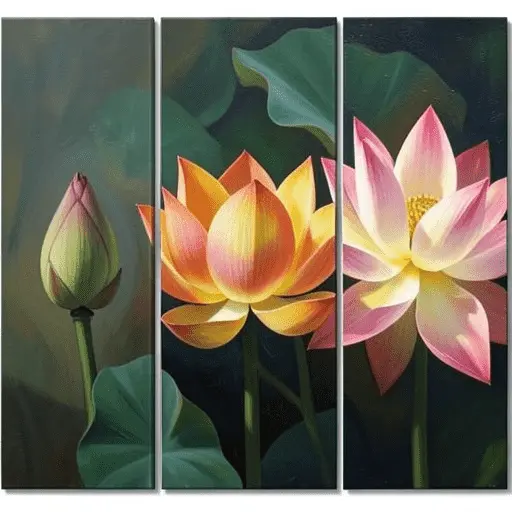
This progression mirrors the symbolic meaning of the lotus as a representation of growth, aspiration, and spiritual development with a directness and clarity that single-moment compositions cannot achieve. It also makes a genuinely exceptional triptych for display across three connected canvases.
14. Glowing Neon Lotus on Black Canvas
This approach has become one of the most widely practiced lotus flower painting ideas in contemporary decorative art circles and it is easy to understand exactly why. The combination of a pure black canvas ground with heavily pigmented fluorescent or near-fluorescent acrylic colors in electric pink, vivid purple, and bright cobalt creates an effect of internal luminosity that stops viewers in their tracks.
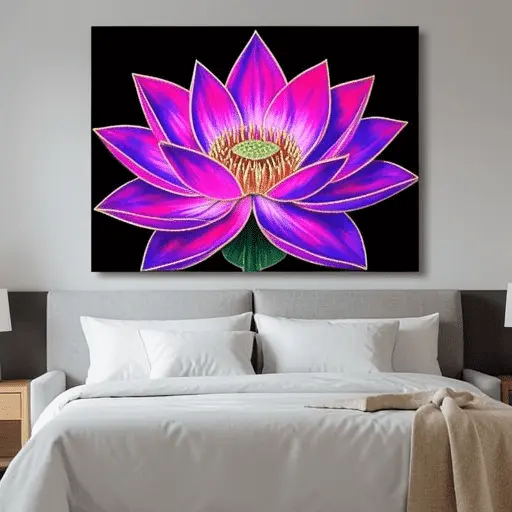
Apply the paint in careful, confident layers, building intensity from the outer petals inward. Finish with fine lines of metallic gold paint along the edges of every petal and around the central stamen to enhance the sense that the flower is radiating rather than simply reflecting light. This painting idea works particularly well as a large format statement piece above a sofa or bed.
15. Lotus in Traditional Indian Miniature Style
Indian miniature painting is defined by an extraordinarily high level of detail, a characteristic use of flat perspective, and a palette of jewel-toned pigments that includes deep carnelian reds, lapis lazuli blues, saffron yellows, and genuine gold. The lotus appears throughout this tradition, most frequently as the seat of the goddess Lakshmi in devotional imagery and as an offering in scenes of spiritual practice.
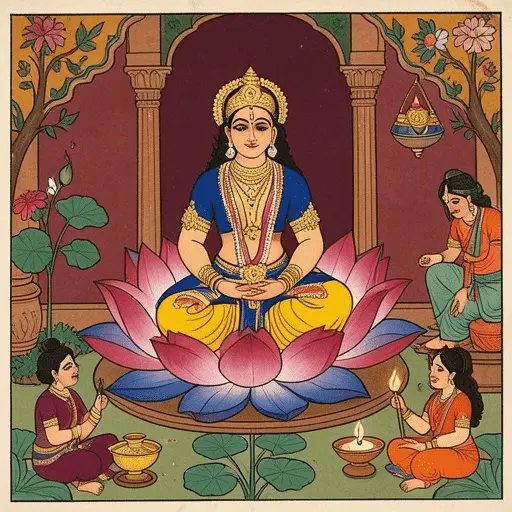
Working in this style requires a very fine-tipped brush, deep patience, and the willingness to spend considerable time on a small surface. The intricacy of the result, however, is unlike anything achievable through looser techniques and the finished work carries a presence and richness that demands attention.
16. Lotus with Dragonfly or Butterfly
Placing a dragonfly or butterfly on the edge of a lotus petal, or hovering just above the center of the bloom, introduces a secondary focal point, a sense of natural scale, and a quality of lived-in aliveness that a lone flower composition rarely achieves.
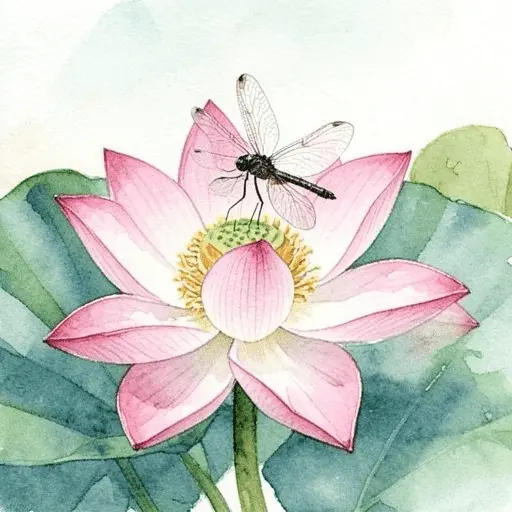
In watercolor, the transparent, veined wings of a dragonfly present a genuinely beautiful technical challenge that rewards patient, careful work and produces a result of great delicacy. In acrylic, the same effect is achieved through fine brush detail applied over a fully dried background. This idea adapts naturally to any skill level and any medium and consistently produces paintings that feel complete and inhabited rather than isolated.
Plus, One Bonus Idea: The Meditating Figure with Lotus
Paint a seated human figure in the lotus meditation pose with an actual lotus flower blooming in the foreground, surrounding the figure, or radiating outward from the position of the heart. This concept bridges figure painting and floral art and communicates the spiritual meaning of the lotus with a directness and personal power that purely botanical compositions cannot match. It is a subject that challenges both technical skill and compositional thinking in ways that reward the painter long after the piece is finished.
Conclusion
The lotus flower is one of the most generous subjects that art has ever made available to a painter. It grows from mud and opens into radiance, and that quality makes every painting of it feel like a conversation about something larger than the flower itself. Whether you are drawn to the soft translucency of a pink watercolor bloom, the meditative precision of a Zen tangle design, or the electric drama of neon acrylic on black canvas, the lotus has a version of itself that belongs specifically to you and to the particular creative moment you are in.
All sixteen plus ideas in this article are genuine starting points rather than destinations. Take whichever one speaks most clearly to your current practice, allow it to evolve naturally under your hand, and trust that the painting process itself has something to teach you. The lotus has been rising from the mud for thousands of years. Your canvas is simply the next place it opens.
Frequently Asked Questions
What is the easiest lotus flower painting idea for a complete beginner?
The classic pink lotus in watercolor is the most widely recommended starting point for painters at any skill level. The flowing, forgiving quality of watercolor paint complements the gentle curves of the petals naturally, and a light pencil sketch of overlapping oval and teardrop shapes provides a reliable structure before any paint is applied. No drawing experience is required to achieve a genuinely satisfying result.
Which colors are traditionally used in lotus flower paintings?
Pink, white, and red are the most traditional petal colors across Eastern and Western artistic traditions. Blue and purple carry strong associations with spiritual wisdom and are used in more symbolically oriented compositions. Leaves are rendered in greens ranging from pale yellow-green to deep olive, stems typically appear in warm brown or grey-green tones, and gold is frequently used as an accent color in decorative and traditional sacred works.
Is a lotus flower painting considered auspicious for home decoration?
Yes. In both Vastu Shastra and Feng Shui, the lotus painting is considered highly auspicious when placed in a home or office environment. It is believed to attract positive energy, inner peace, prosperity, and spiritual clarity. The lotus is particularly associated with the goddess Lakshmi in the Hindu tradition, making it a symbol of abundance and good fortune that many families choose to display in their living spaces with genuine intention.
What is the most effective way to paint realistic water reflections in a lotus pond composition?
Use loose, horizontal brushstrokes to suggest the water surface and loosely mirror the shapes of the flower and leaves in the water below. Shift the reflected colors slightly cooler and darker than those of the actual subject above the waterline. Introduce deliberate, subtle distortion in the reflected shapes to convey the gentle movement of real water. A perfectly symmetrical mirror image reads as artificial while slight distortion reads as completely convincing.
Can a person with no drawing experience successfully paint a lotus flower?
Absolutely. The lotus flower is built from overlapping oval and teardrop shapes that even someone with no formal drawing background can sketch lightly before applying paint. Many experienced painting instructors specifically choose the lotus as a first subject for new students precisely because its natural symmetry is forgiving and achievable at every level of experience. Beginning with a simple pencil guide removes the pressure of freehand accuracy entirely and allows full attention to be given to color and brushwork.


One Comment