14+ Stunning Painted Table Ideas to Refresh Your Space
Introduction:
Painted Table Ideas, there is something deeply satisfying about looking at an old, worn table and seeing potential rather than a piece destined for the curb. A coat of paint has the power to completely reinvent a piece of furniture, and when it comes to tables, the results can be nothing short of spectacular. Whether you are working with a battered thrift store find, a hand-me-down dining table, or a perfectly good piece that simply no longer fits your style, painting is one of the most budget-friendly and rewarding ways to breathe new life into your home.
Painted table ideas span a remarkably wide range of styles, from clean and minimal to richly patterned and artistic. You do not need professional skills or expensive tools to pull off a stunning transformation. What you do need is inspiration, the right materials, and a willingness to get your hands a little colorful. This guide covers over 21 beautiful and practical painting table ideas that will help you refresh any room in your home with confidence and creativity.
1. Classic White Painted Table ideas for a Clean, Timeless Look
White remains one of the most popular choices for painted tables, and for good reason. A crisp white finish instantly modernizes any piece, making it feel fresh and intentional regardless of the table’s original style or age.
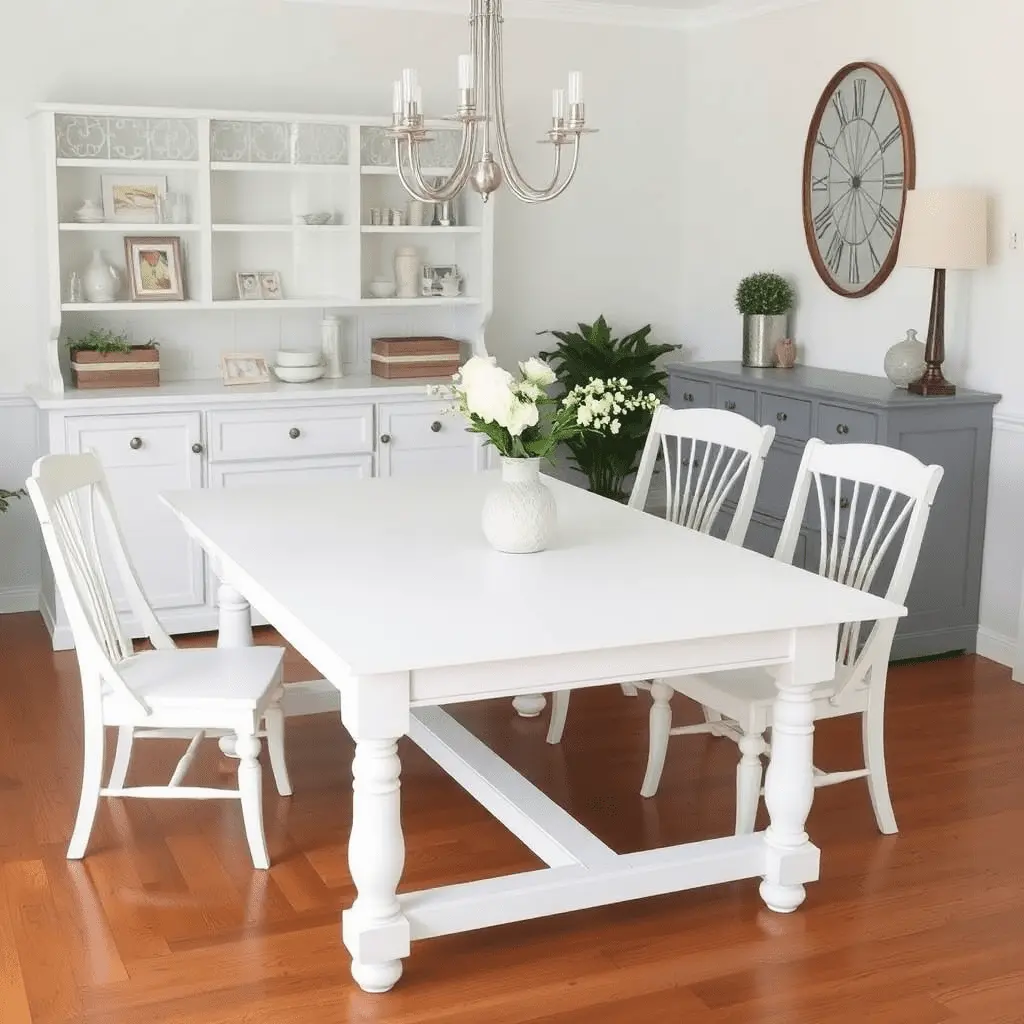
White works beautifully in kitchens, dining rooms, living spaces, and even home offices. It pairs effortlessly with nearly every wall color and decor style, from Scandinavian minimal to coastal cottage. An old oak dining table painted white with a smooth latex finish can look like something straight out of a high-end furniture catalog.
For best results, sand the surface lightly before applying a bonding primer, then follow with two coats of a quality furniture-grade paint. Finish with a water-based topcoat to protect the surface from everyday wear.
2. Chalk Paint Finish for Rustic Farmhouse Character
Chalk paint has earned a permanent place in the world of furniture makeovers, and it is easy to understand why. It requires minimal prep work, adheres to most surfaces without priming, and dries to a beautifully matte, velvety finish that feels both casual and elegant.
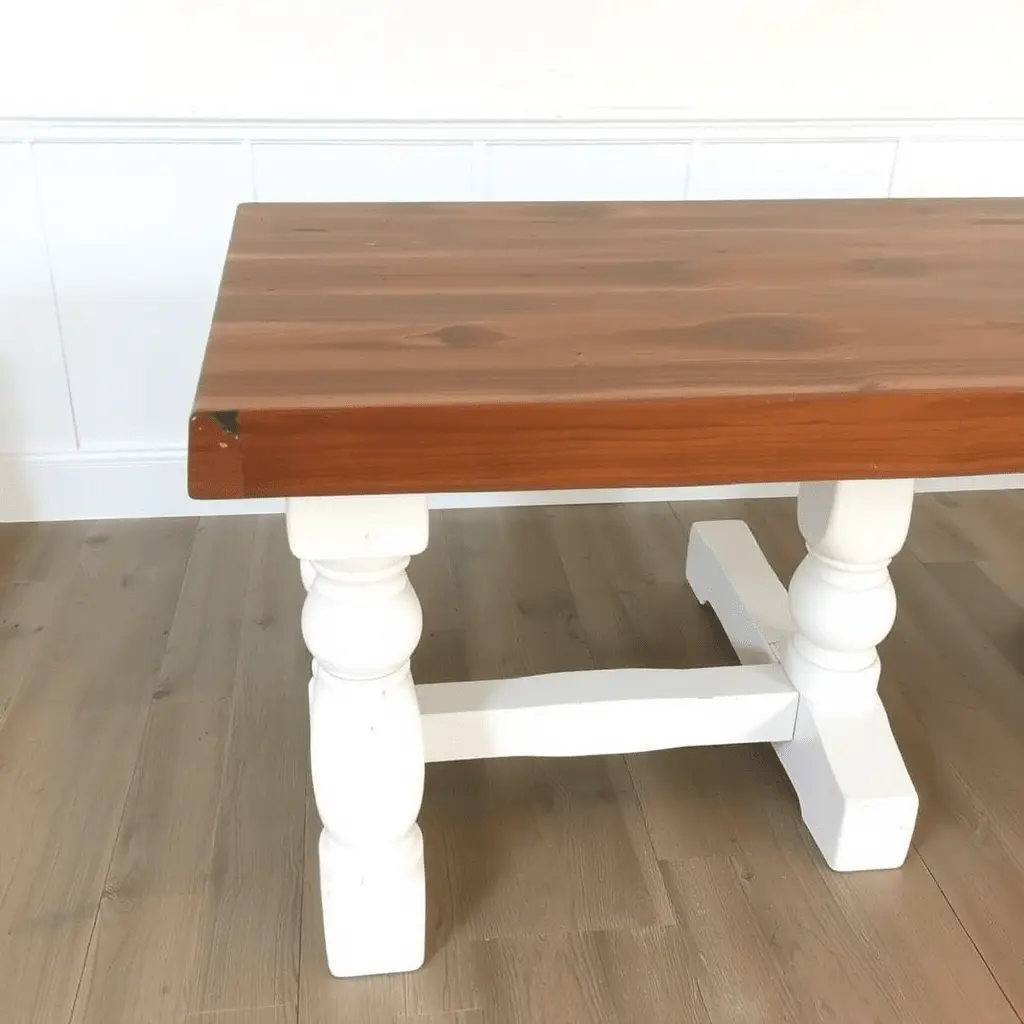
To create an authentic farmhouse aesthetic, choose a soft neutral such as linen, cream, or pale grey. Once dry, lightly distress the edges with fine-grit sandpaper to reveal hints of the wood or original finish beneath. Seal with clear furniture wax for a rich, tactile feel. The result is a table that looks like it has lived a warm and well-loved life in a countryside kitchen.
3. Bold Color Statement Tables That Command Attention
Not every painted table needs to be subtle. Sometimes the best move is to lean into color fully and let a table become the focal point of an entire room.
Deep navy, forest green, terracotta, mustard yellow, and rich burgundy are all exceptional choices for making a bold statement. A round pedestal dining table painted in a deep jewel tone can completely transform the energy of a dining room, giving it a sophisticated and memorable personality.
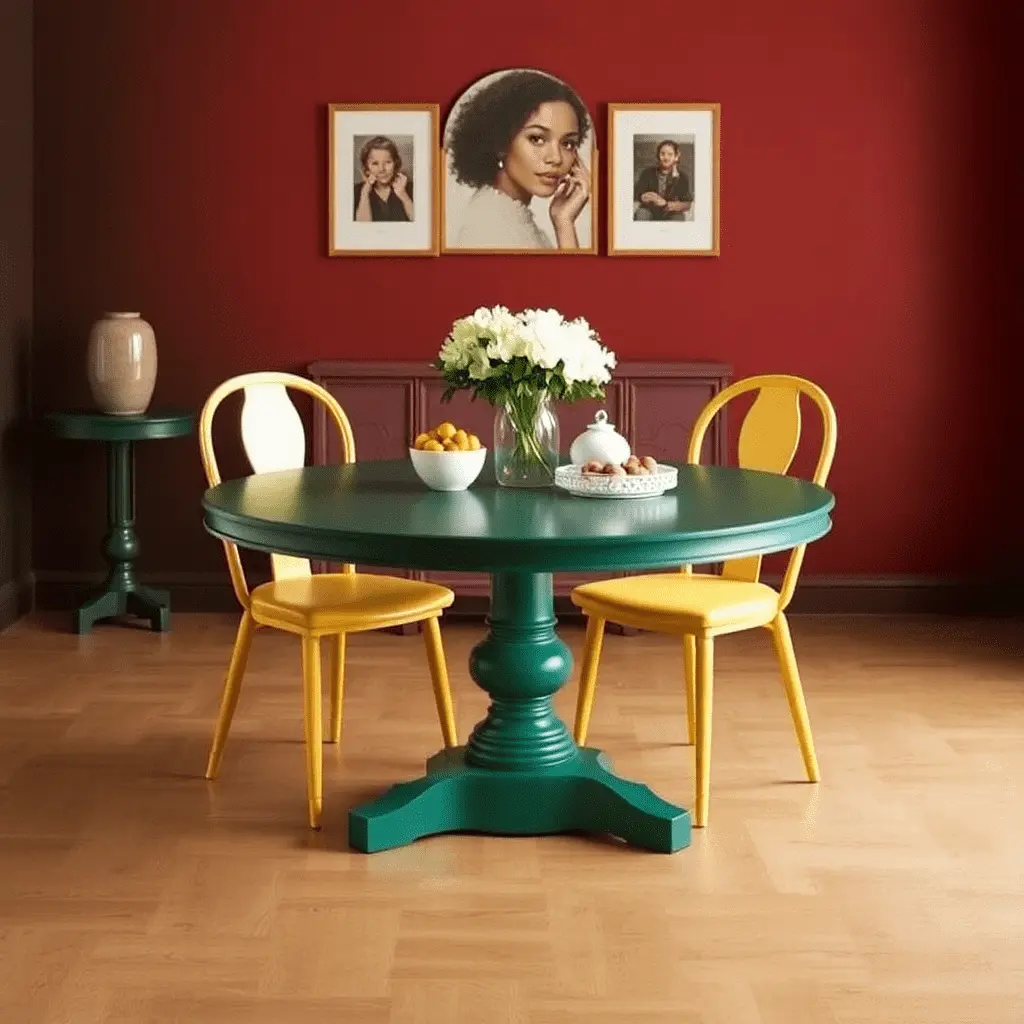
If you are hesitant about committing to bold color on a large table, start with a side table or accent piece to test how the hue works within your existing decor before going all in.
4. Faux Marble Tabletop for Luxurious Appeal
Few painted finishes generate more admiration than a well-executed faux marble effect. What looks like an expensive stone surface can actually be achieved with a few basic supplies and a bit of patience.
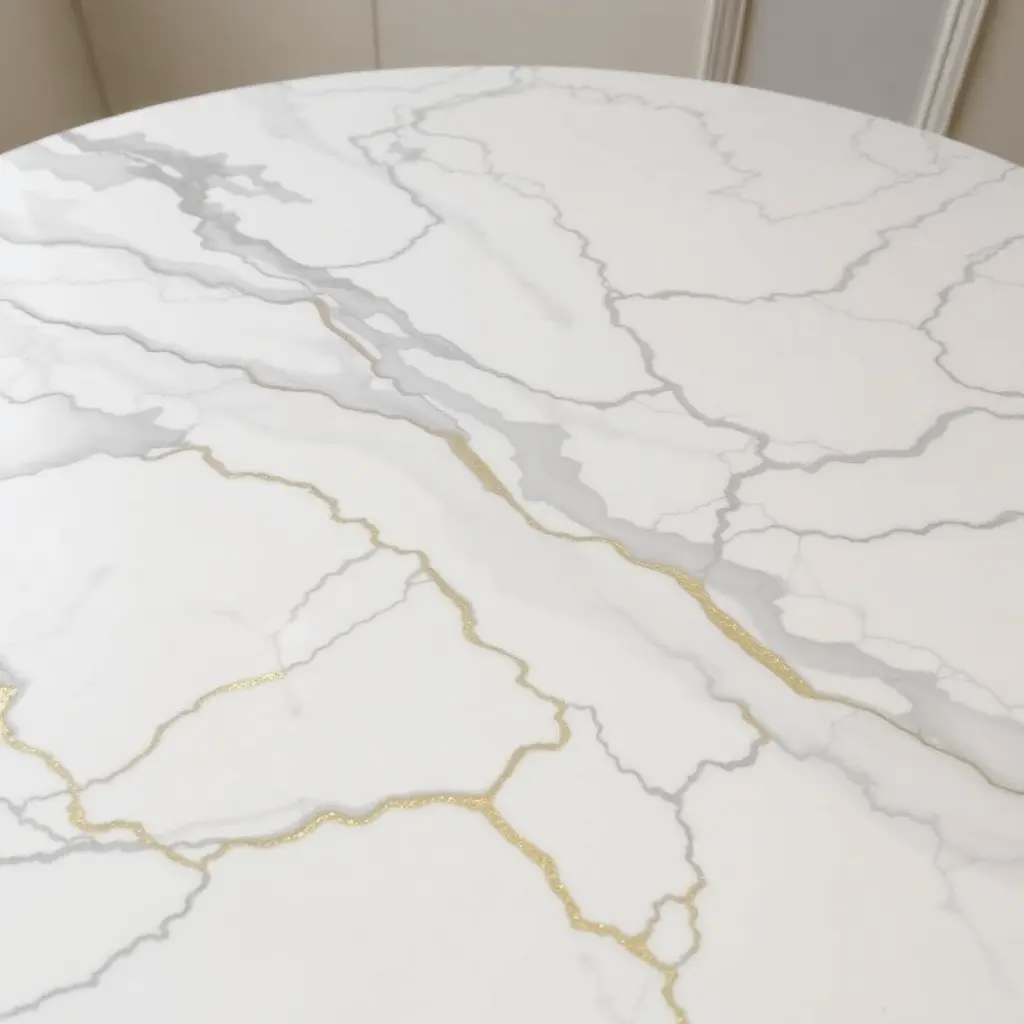
Start with a white or light grey base coat. Once dry, use a thin artist brush or a feather dipped in a slightly darker shade of grey or black to drag irregular veining lines across the surface. Blend the edges softly with a dry brush. A touch of gold paint introduced into some of the veins adds incredible depth and luxury. Seal with several coats of a glossy polyurethane for a realistic, polished stone appearance.
5. Two-Tone Table with Painted Legs and a Stained Top
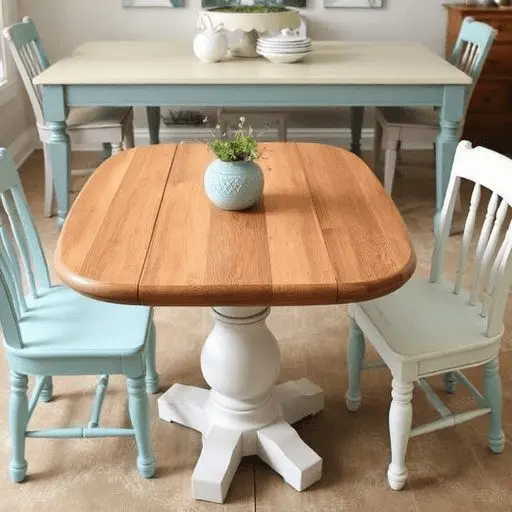
One of the most popular and enduring painting table ideas is the two-tone approach, where the legs and base receive a painted finish while the tabletop is sanded back and refinished with stain. This method celebrates both the beauty of natural wood grain and the visual punch of a painted accent.
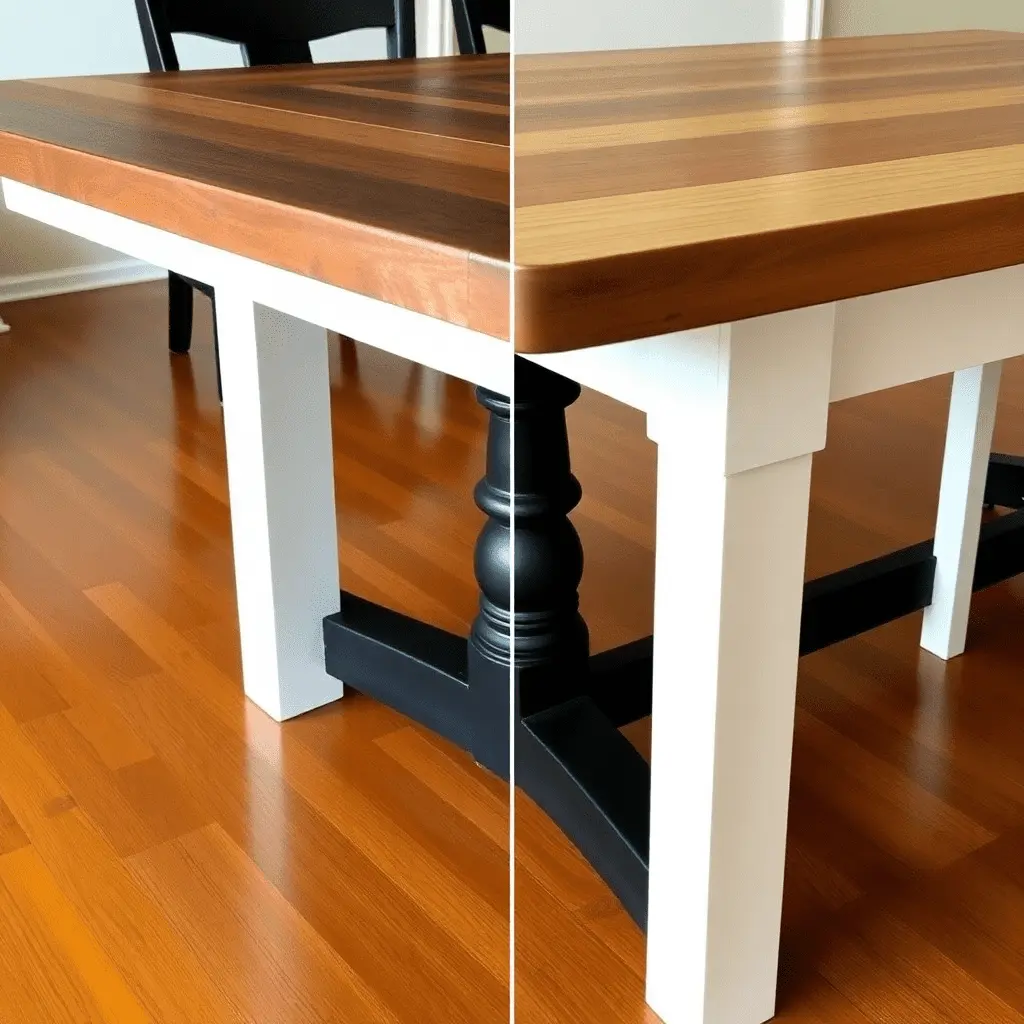
Black or dark charcoal legs paired with a warm walnut-stained top is a combination that feels both modern and grounded. White legs with a light natural wood top read as fresh and Scandinavian. This technique is especially effective on dining tables where the top takes the most daily abuse, as the stained surface tends to be more durable and easier to touch up than paint.
6. Geometric Pattern Painted Table for a Modern Edge
Geometric patterns bring energy, movement, and a graphic quality to painted furniture that solid colors simply cannot match. Using painter’s tape to mask off triangles, diamonds, hexagons, or chevron stripes allows even those without artistic training to achieve clean, professional-looking results.
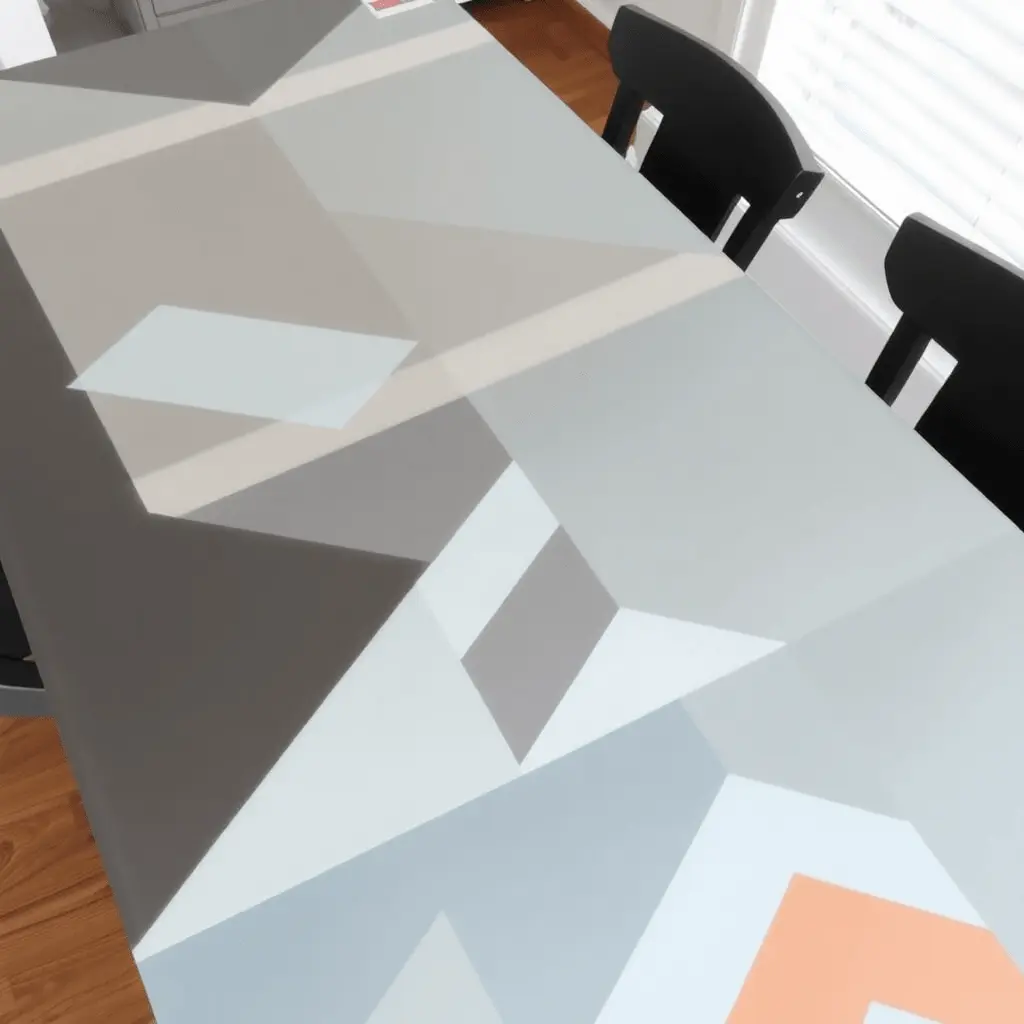
Choose two or three complementary colors and work section by section, allowing each area to dry fully before moving the tape. Monochromatic geometric patterns in varying shades of the same color create a sophisticated, subtle effect, while contrasting colors produce a playful and energetic look ideal for a child’s room or a casual breakfast nook.
7. Distressed and Weathered Paint Finish for Vintage Charm
A distressed finish has the remarkable ability to make a brand-new piece look like a treasured antique, and it is one of the most forgiving techniques in furniture painting because imperfections only add to the charm.
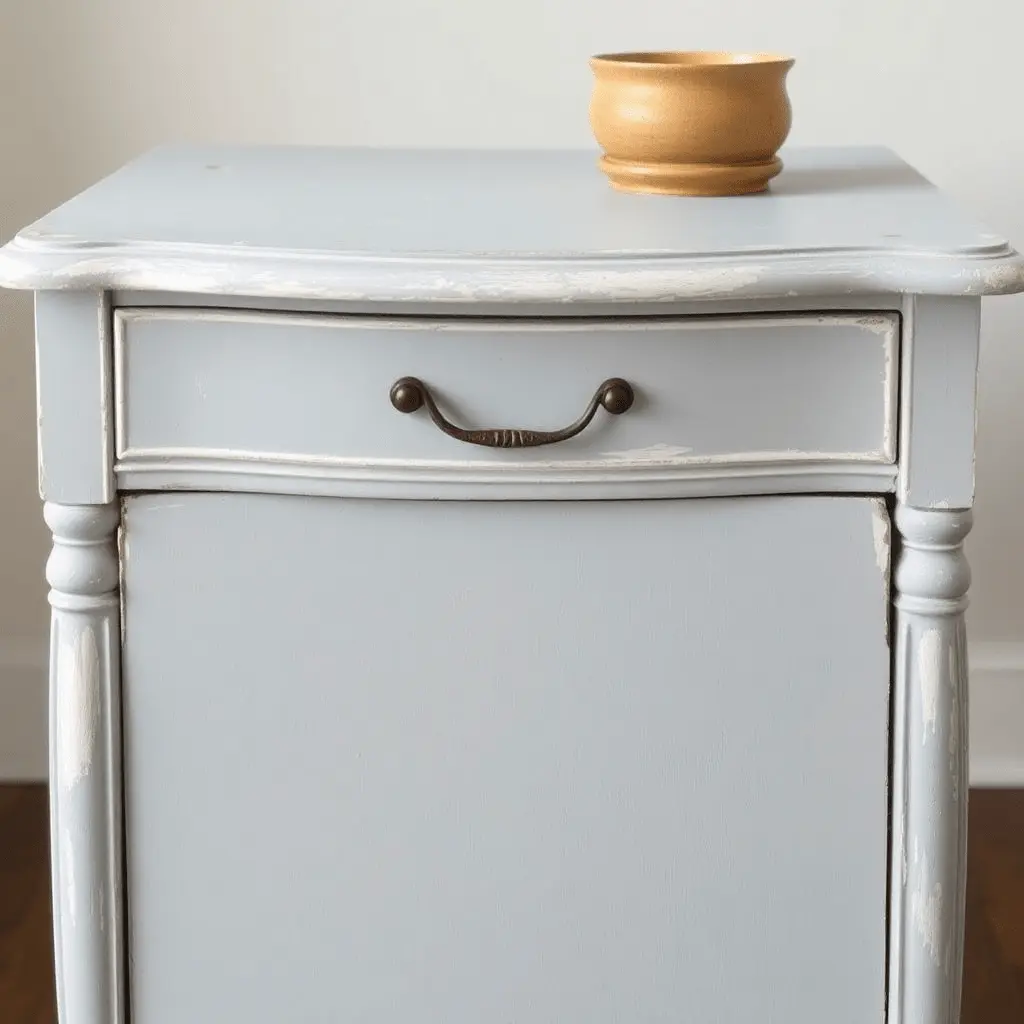
Paint the entire table in your chosen base color and let it cure completely. Using 150 to 220 grit sandpaper, focus on the areas that would naturally show wear over time: corners, edges, around drawer pulls, and anywhere a hand might rest repeatedly. Work gradually and step back often to assess the effect. A soft clear wax applied over the finished surface deepens the aged appearance and provides lasting protection.
8. Ombre and Dip-Dyed Table Legs for a Playful Update
Table legs are often overlooked as a canvas for creativity, but they offer a surprisingly impactful opportunity to introduce color and personality without committing to painting an entire piece.
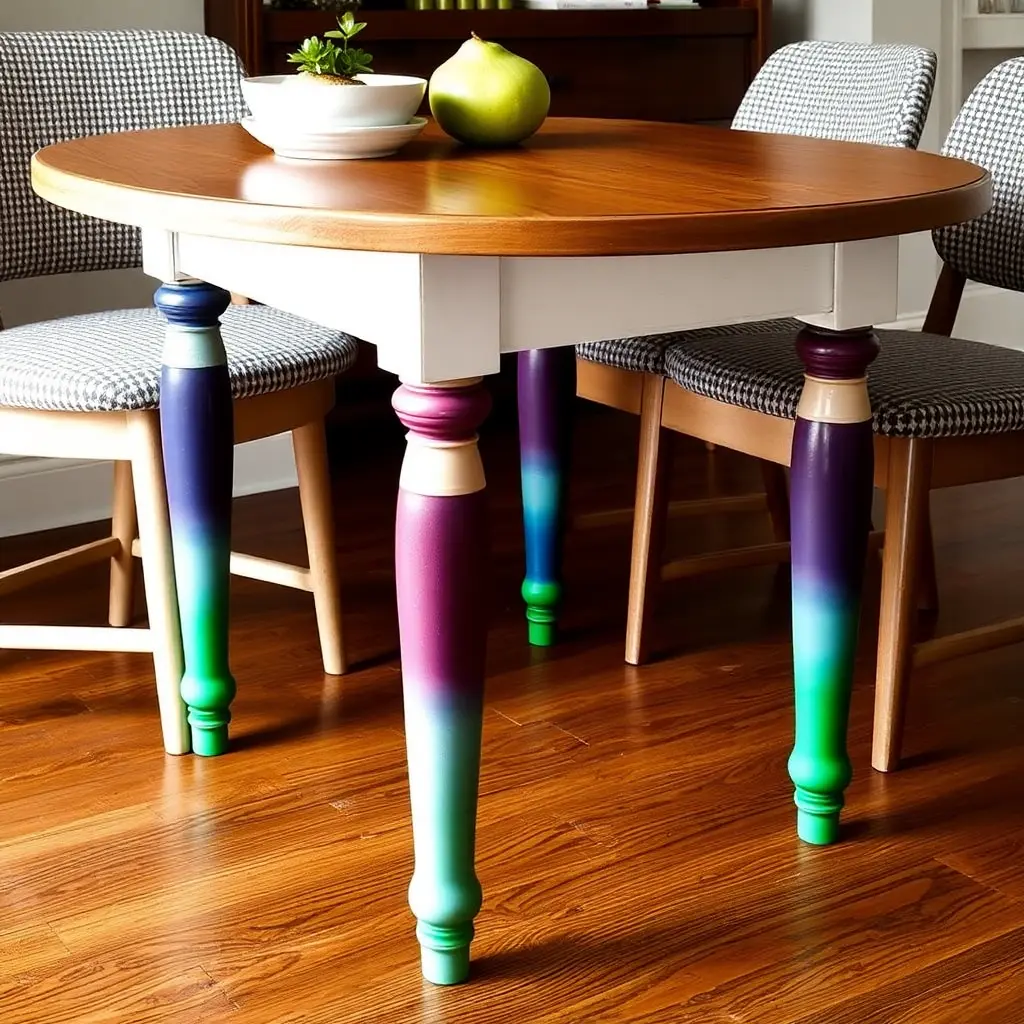
Ombre legs, where color graduates from deep at the foot to light or bare wood at the top, bring a modern and artistic sensibility to any table. Dip-dyed legs, which create a sharp horizontal color block as if the leg has been dipped into paint, are equally striking and far easier to achieve. This technique works particularly well on round tapered legs and can instantly modernize a classic drop-leaf or farmhouse-style table.
9. Stenciled Tabletop Designs for Artisan Personality
Stenciling is an accessible way to add intricate pattern and artisan-quality detail to a painted table without requiring freehand painting skills. Pre-cut stencils are widely available in motifs ranging from Moroccan tile patterns and botanical florals to geometric grids and vintage typography.
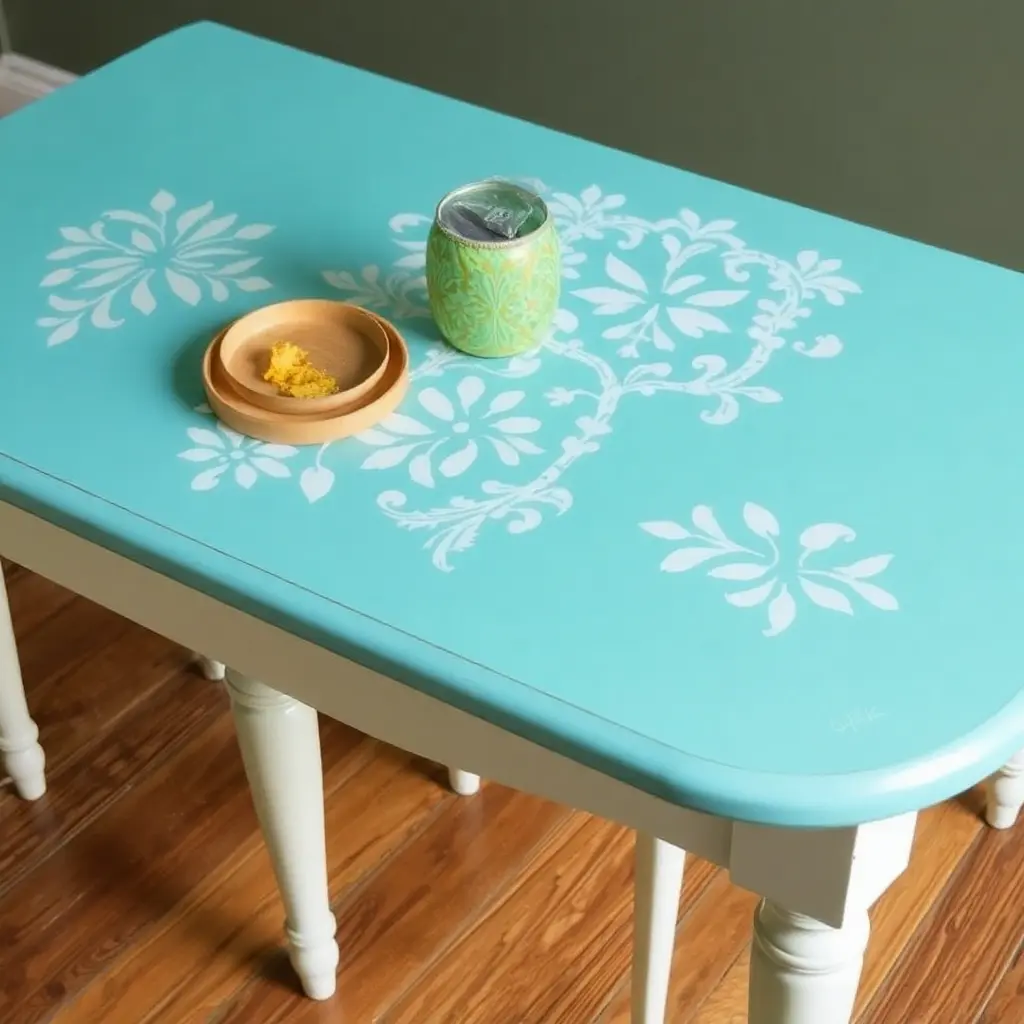
Secure the stencil with painter’s tape to prevent slipping, then apply paint with a stiff stencil brush or a dense foam roller using a dry-brush technique. This means using very little paint on the brush to prevent bleed under the edges of the stencil. A contrasting or metallic color over a solid base creates the most eye-catching results.
10. Decoupage Paper Table Makeover for Creative Expression
Decoupage offers a unique and deeply personal approach to refreshing a table surface. This technique involves adhering decorative paper, fabric, vintage book pages, maps, botanical prints, or scrapbook paper directly onto the tabletop using a craft adhesive medium that also seals and protects the surface.
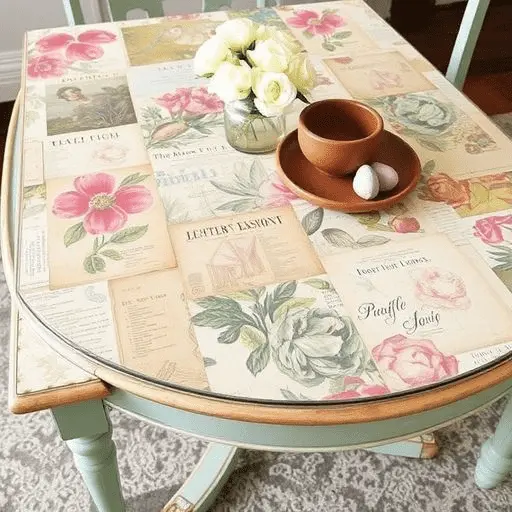
Decoupage is particularly useful when a tabletop is too damaged or pitted to paint or refinish smoothly. The layered papers create their own texture and visual interest, effectively camouflaging surface imperfections while transforming the piece into a true work of art. Finish with multiple coats of a waterproof topcoat to make the surface cleanable and durable.
11. Metallic and Gold Accent Painted Table for Glamour
Metallic paint adds a dimension of richness and drama that ordinary colors simply cannot replicate. Gold, bronze, copper, and silver finishes reflect light in dynamic ways, making a painted table feel genuinely opulent.
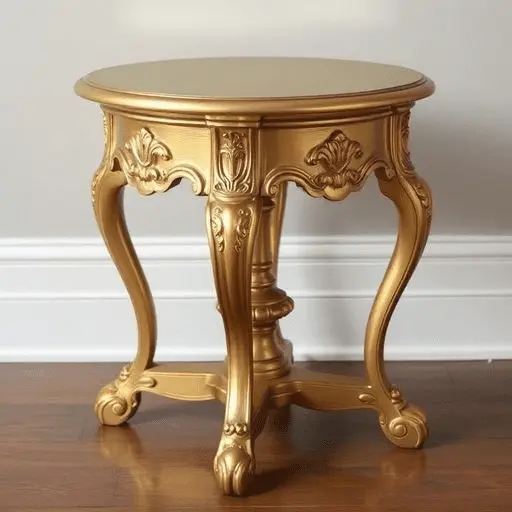
A full metallic finish on a small accent or side table creates a bold sculptural effect. For something more restrained, use metallic paint to highlight carved details, table legs, or decorative trim while keeping the main body of the table in a matte neutral. The interplay between matte and metallic surfaces is one of the most sophisticated finishing techniques in furniture design. https://thedesigners.company/painted-dining-table-ideas/
12. Chalkboard Paint Table Surface for Functional Fun
Chalkboard paint is not just for kitchen walls and pantry labels. Applied to a tabletop, it creates a surface that is both functional and genuinely entertaining, particularly in homes with young children.
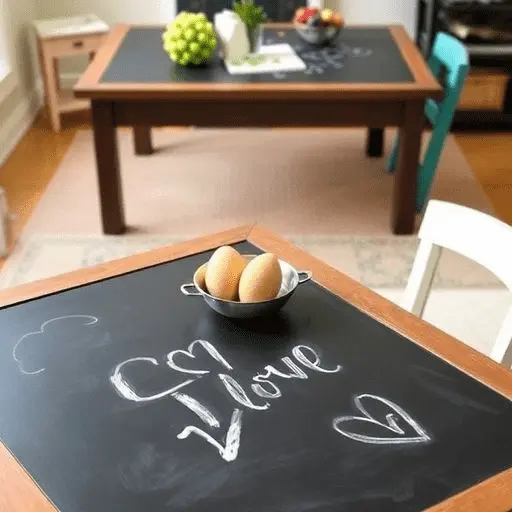
A chalkboard painted table in a playroom, craft room, or homework area invites creativity and activity. Children can draw, practice letters and numbers, or simply doodle, and the surface wipes clean with a damp cloth. For adult spaces, a chalkboard coffee table or side table can serve as a place to jot notes, write menus, or display seasonal messages that can be updated effortlessly.
13. Outdoor Painted Patio Table Ideas for Lasting Beauty
Painting an outdoor table requires slightly different considerations than interior furniture, but the transformative potential is just the same. The key lies in choosing exterior-grade paint and a protective sealant designed to withstand sun, moisture, and temperature fluctuations.
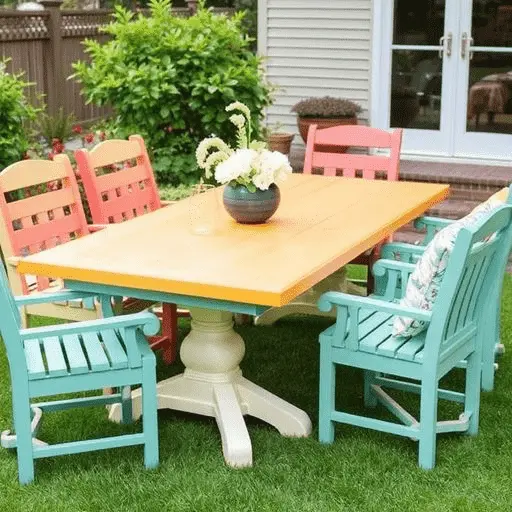
Bright, cheerful colors like turquoise, coral, and lemon-yellow work especially well on outdoor patio tables, bringing a resort-like energy to garden spaces and outdoor entertaining areas. For a more refined look, deep charcoal, slate blue, or forest green create an elegant backdrop for alfresco dining. Always clean and sand the surface thoroughly before painting, and finish with at least two coats of an exterior-grade polyurethane or marine varnish for maximum longevity.
14. Painted Coffee Table Transformation for the Living Room
The coffee table sits at the center of the living room, making it one of the highest-visibility pieces of furniture in the home. A painted coffee table can reframe an entire space, tying together disparate decor elements or introducing a fresh color accent that elevates the whole room.
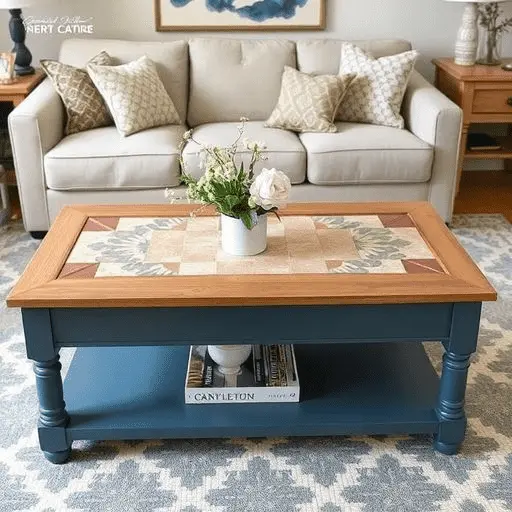
Consider painting the body of the coffee table in a deep, grounding color while leaving the top in a natural wood finish or adding a painted tile-inspired pattern. If the table has a lower shelf, painting it a contrasting color to the main frame adds visual depth and interest. For heavy-use surfaces, opt for a hard-wearing enamel or alkyd-based furniture paint and protect with a durable topcoat rated for high-traffic surfaces.
15. Kids Table Painted with Fun Colors and Whimsical Patterns
A child’s table is perhaps the most liberating canvas in the entire home. Here, the usual rules about restraint and coordination can be happily abandoned in favor of bold imagination, vibrant color, and unabashed fun.
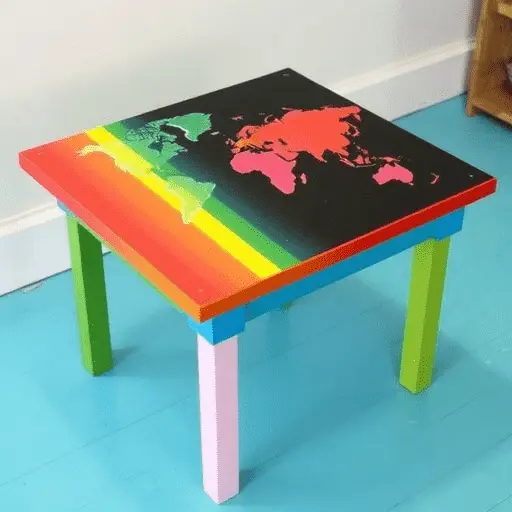
Paint each leg of a kids table in a different bright color. Cover the top with a hand-painted map of an imaginary world, a rainbow gradient, a checkerboard grid, or a galaxy of stars. Chalkboard paint on the top combined with painted legs is a perennial favorite that grows with children. Use non-toxic, child-safe paint throughout and seal with a non-toxic, water-based finish that holds up to the rigors of daily craft sessions, snack spills, and enthusiastic artwork.
Conclusion
The beauty of painting table ideas is that they are genuinely accessible to anyone willing to invest a little time and creativity. From a simple coat of crisp white chalk paint to an elaborate faux marble masterpiece, the range of possibilities is extraordinary. Paint gives tired furniture a second life, allows your personal style to shine through your home decor, and saves significant money compared to buying new.
The most important elements of any successful table painting project are thorough surface preparation, quality materials, and patience. Sand, clean, prime, paint, and protect. Follow those steps with any of the ideas in this guide and you will find that what starts as a worn or forgotten table ends up becoming one of the most admired pieces in your home. Pick the idea that speaks most to your style, gather your supplies, and enjoy every brushstroke of the transformation.
Frequently Asked Questions
1. What is the best type of paint to use on a dining table?
For dining tables that face daily use, a hard-wearing option like alkyd-based furniture paint or a quality latex enamel is ideal. These dry to a tougher film than standard wall paint and resist scratching, chipping, and moisture far better. Always finish with a protective topcoat for added durability.
2. Do I need to sand a table before painting it?
Yes, light sanding is strongly recommended before painting any table. It scuffs the existing surface so the paint has something to grip, removes loose or peeling finish, and smooths out minor imperfections. After sanding, wipe the surface clean with a tack cloth or damp rag before applying primer.
3. How do I prevent brush strokes in a painted table finish?
Using a high-quality synthetic brush or a foam roller helps minimize visible brush marks. Applying thin coats rather than one thick coat also produces a smoother result. Some furniture paints are formulated to self-level as they dry, which further reduces the appearance of brush strokes.
4. How long should I wait before using a freshly painted table?
While paint may feel dry to the touch within a few hours, most furniture paints need several weeks to fully cure and reach maximum hardness. During this curing period, treat the surface gently and avoid placing heavy or sharp objects on it. Waiting at least 3 to 4 weeks before returning the table to full use will protect your finish significantly.
5. Can you paint a laminate table?
Yes, laminate tables can be painted successfully with the right approach. The key is using a high-adhesion bonding primer specifically formulated for slick or non-porous surfaces. Without this primer, paint on laminate is prone to peeling. After priming, apply two to three coats of your chosen furniture paint and finish with a durable topcoat for best results.