15 Smart Ideas for Hiding Generators Outside
15 Smart Ideas for Hiding Generators Outside
Ideas for hiding generators a backup generator is one of the most practical investments a homeowner can make. It keeps the lights on during storms, protects your refrigerator full of groceries, and gives peace of mind when the power grid fails. But let’s be honest, ideas for hiding generators even the best generators are not exactly attractive. Sitting on a concrete pad with exposed pipes, cords, and ideas for hiding generators a metal casing, a generator can stick ideas for hiding generators out like a sore thumb in an otherwise tidy yard.
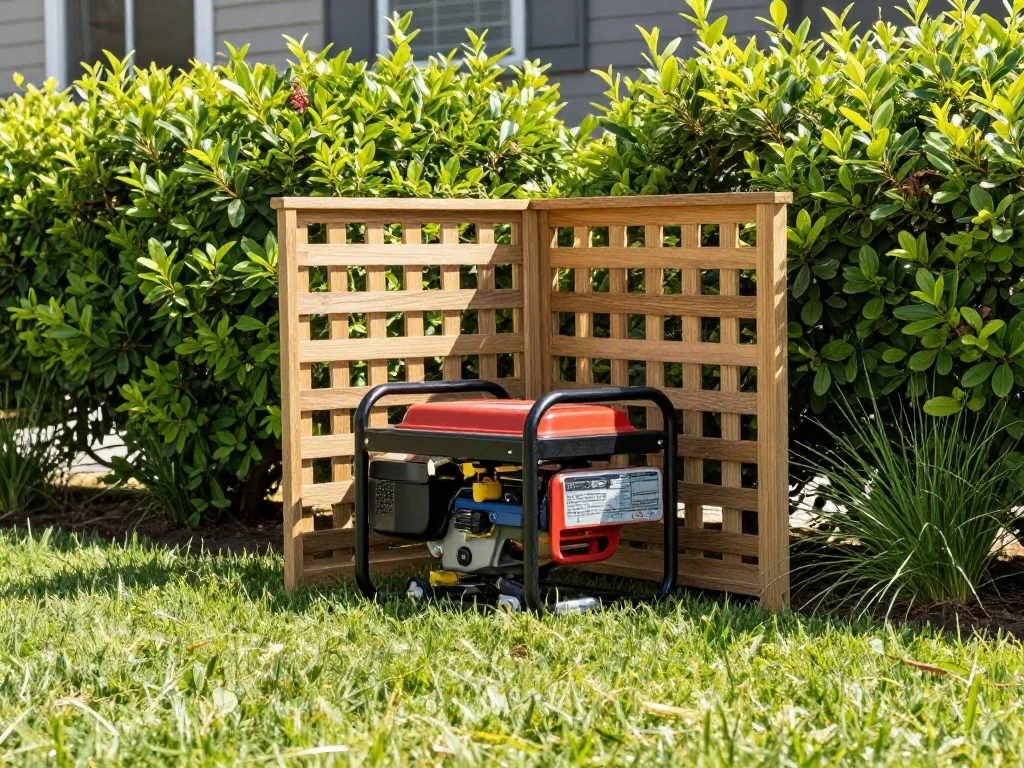
The good news is that you do not have to choose between function ideas for hiding generators and curb appeal. With a little planning, you can hide your generator beautifully while keeping it fully accessible for maintenance, fuel lines, and proper airflow. Below are 15 smart ideas for hiding generators outside that blend practicality with style.
1. Build a Custom Lattice Enclosure
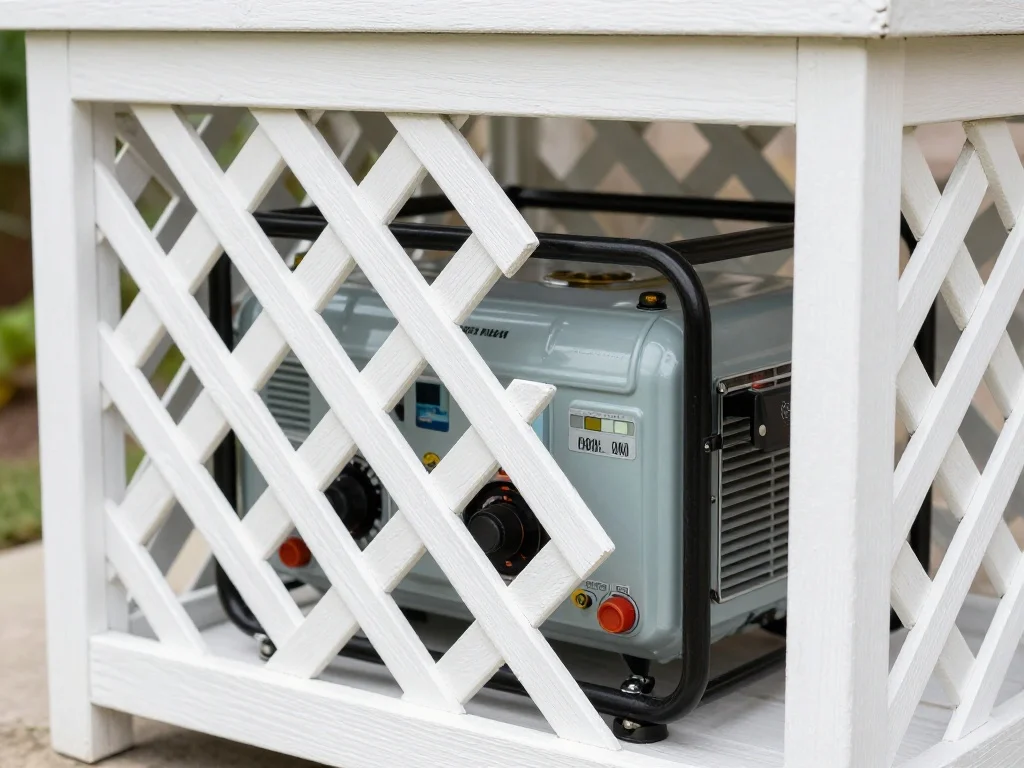
Lattice panels are one of the most popular solutions because they are affordable, ideas for hiding generators easy to install, and allow air to flow freely around the unit. You can paint or stain the lattice to ideas for hiding generators match your home’s trim color, creating a cohesive look. Just make sure the panels are positioned with enough ideas for hiding generators clearance on ideas for hiding generators all sides so the generator does not overheat.
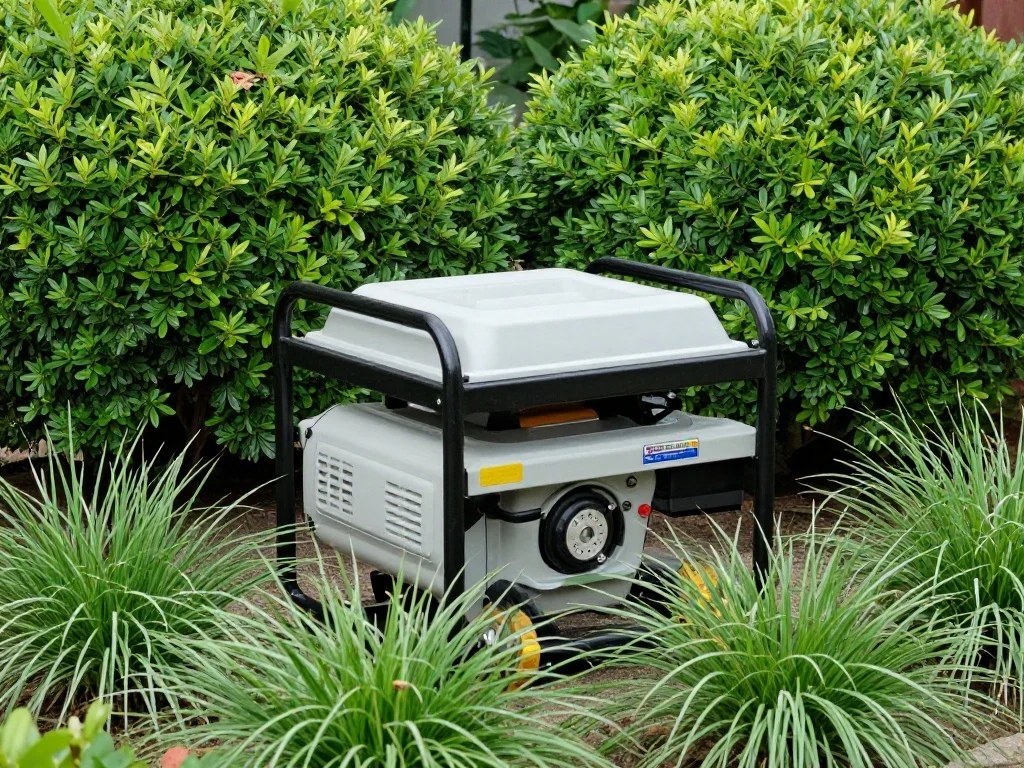
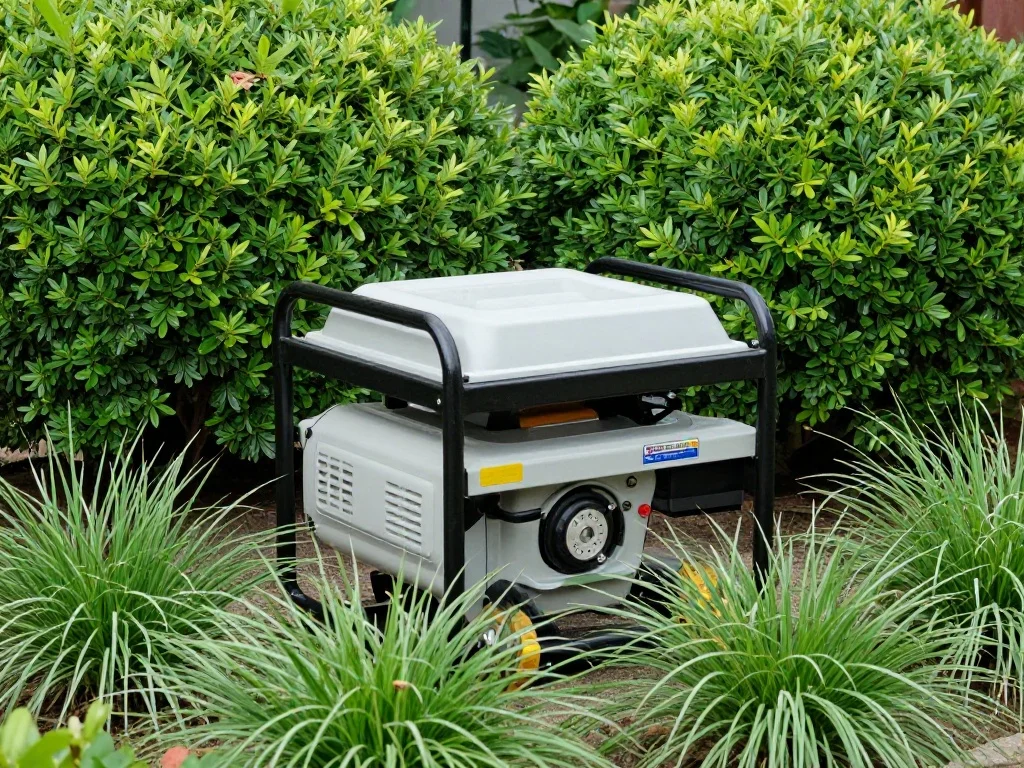
2. Use Strategic Landscaping and Shrubs
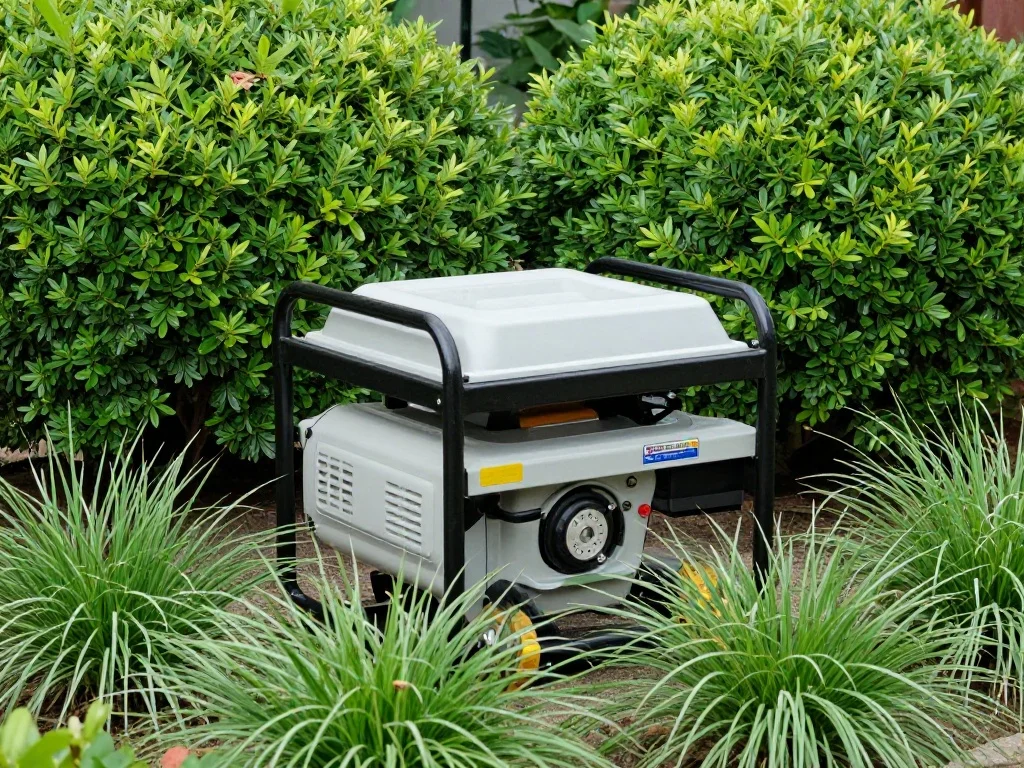
Planting dense shrubs or ornamental grasses around the generator is a natural way to soften its appearance. Choose fast growing, low maintenance ideas for hiding generators varieties like boxwood, arborvitae, or holly. Leave a gap ideas for hiding generators on the side where the exhaust vents out, and ideas for hiding generators avoid ideas for hiding generators planting anything directly in front of intake or exhaust openings, since blocked airflow can cause the unit to overheat or shut down.
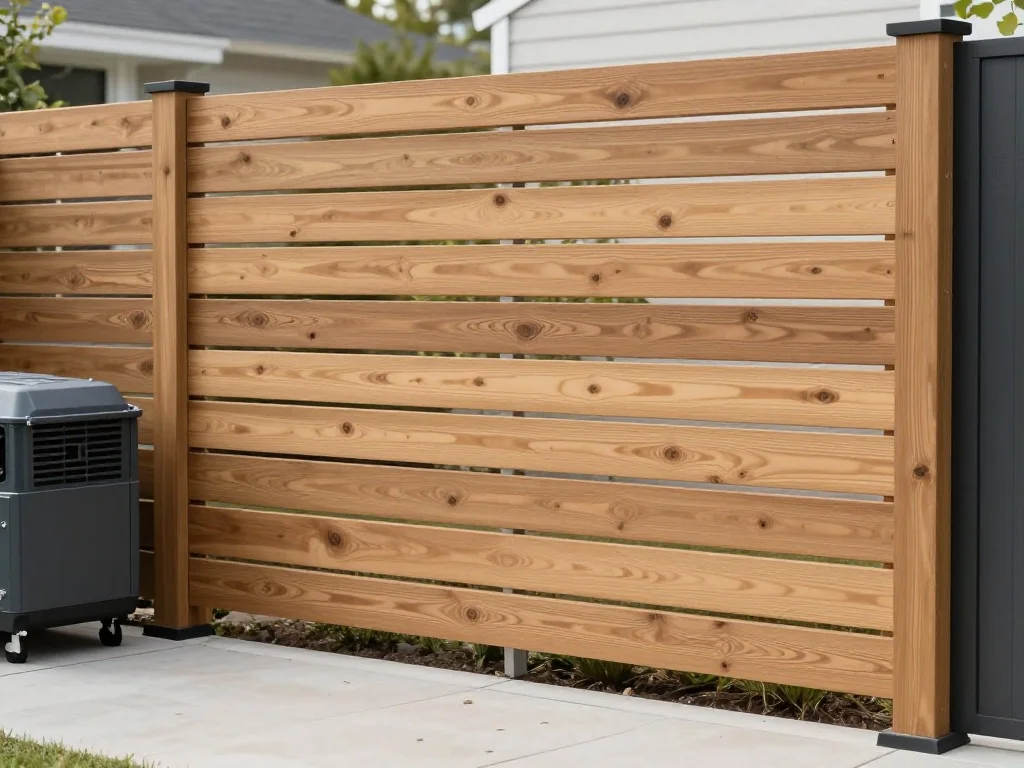
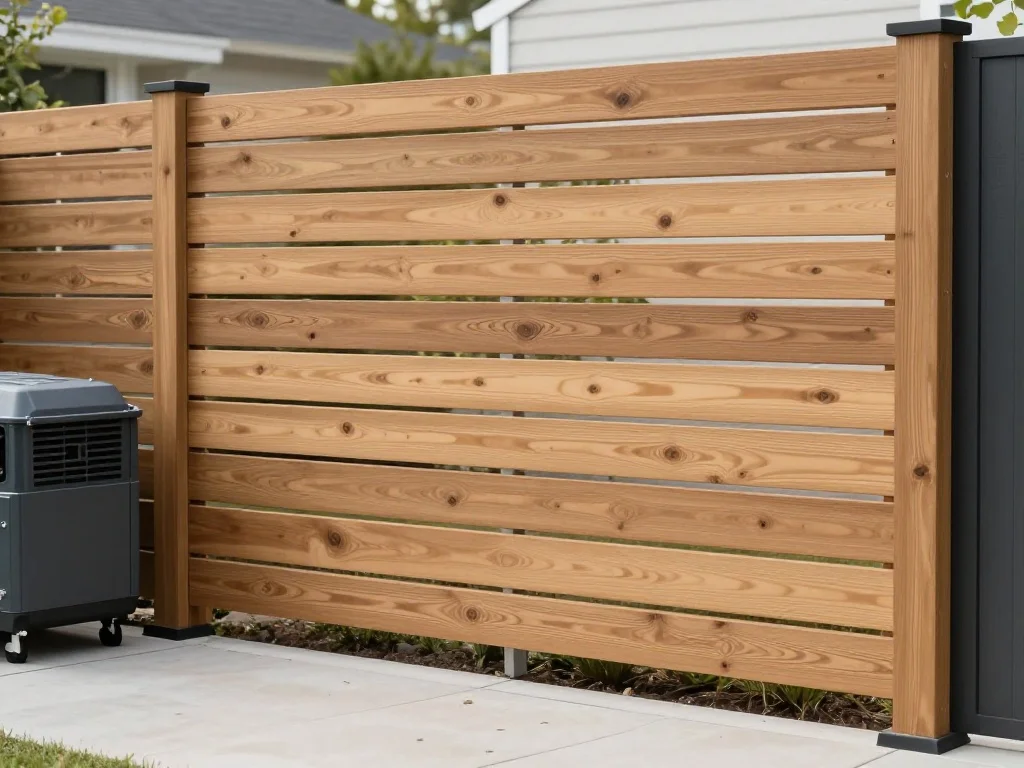
3. Install a Decorative Fence Panel Screen
A short section of decorative fencing, whether wood, vinyl, or metal, can act as ideas for hiding generators a standalone screen placed a few feet away from the generator. This creates visual ideas for hiding generators separation ideas for hiding generators without trapping heat or fumes. Horizontal slat designs are especially popular right now and give a modern, clean ideas for hiding generators look to any backyard.
4. Build a Mini Pergola Structure
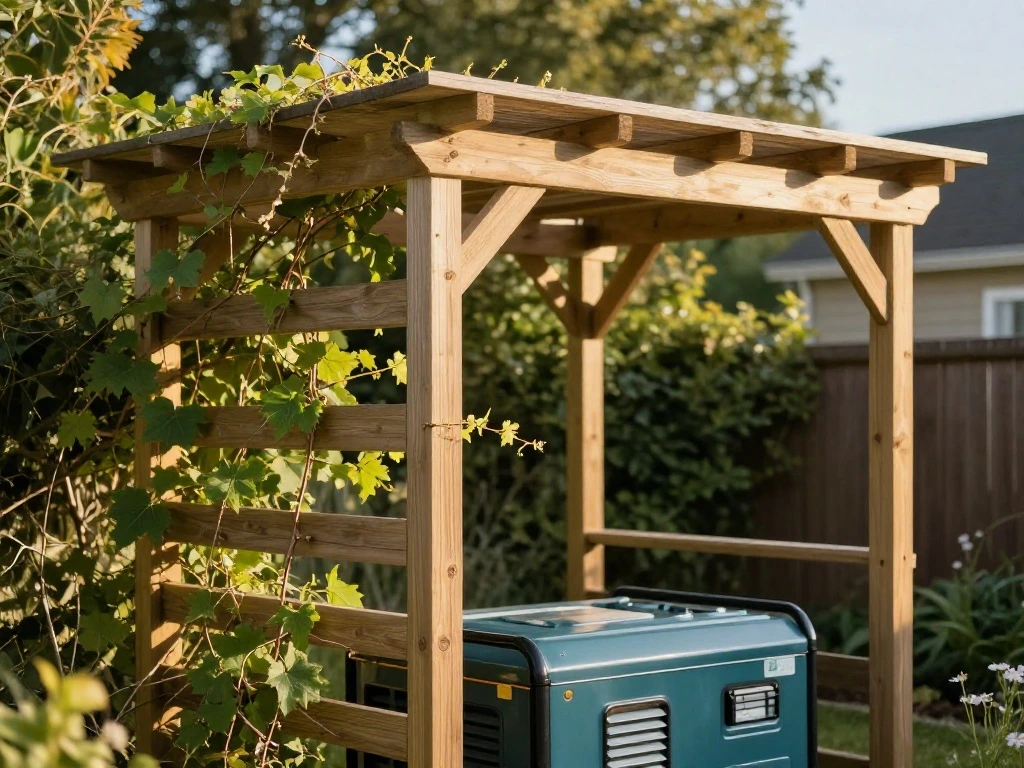
For homeowners who want something architectural, a small open-top pergola can be built directly over the generator. The open slats allow heat and ideas for hiding generators exhaust to escape upward while the structure itself draws the eye away from the equipment below. Adding ideas for hiding generators climbing vines like clematis or jasmine over time enhances the disguise even further.
5. Paint the Generator to Blend In
Sometimes the simplest solution is the best one. Many generator manufacturers allow exterior painting as long as you avoid covering vents, labels, or moving parts. Choosing a color that matches your house siding or foundation can make the unit far less noticeable from a ideas for hiding generators distance, especially when combined with other screening ideas for hiding generators methods.
6. Use a Faux Rock Cover
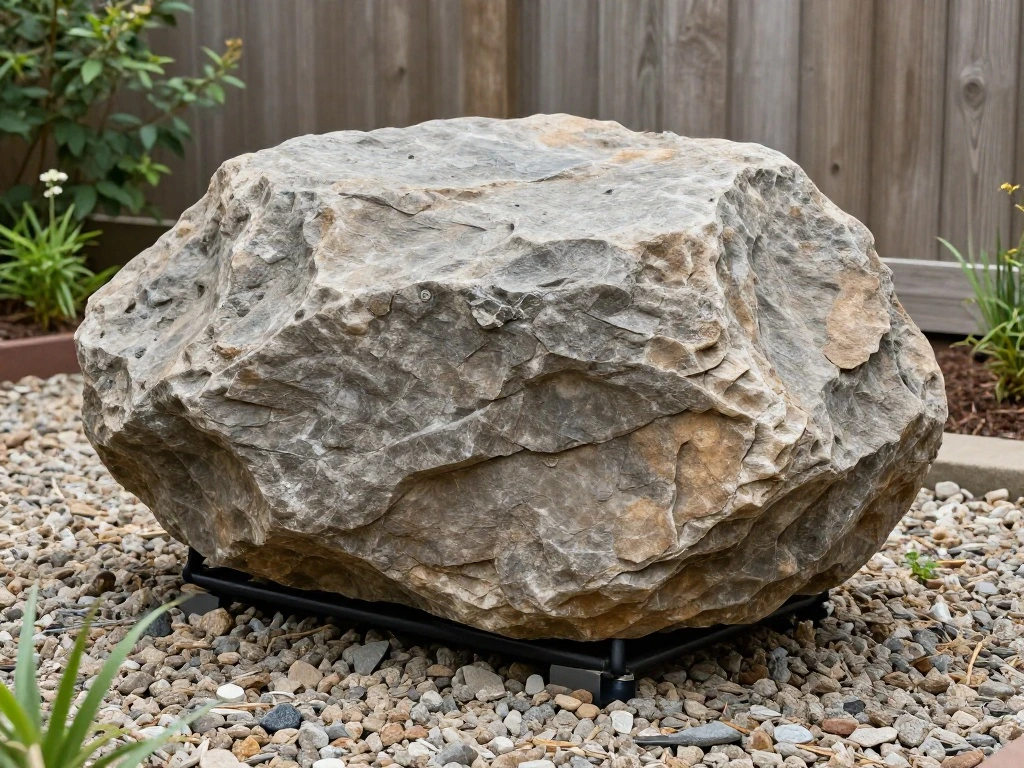
Faux rock covers are specifically designed for outdoor utility equipment ideas for hiding generators like generators, air conditioning units, and pool pumps. These lightweight, weather resistant shells are molded to look like natural stone boulders and can be lifted off ideas for hiding generators easily for servicing. They work particularly well in yards with a naturalistic or xeriscape design theme.
7. Create a Raised Planter Box Surround
Building a U shaped or L shaped planter box around three sides of the generator gives you the dual benefit of greenery and structure. Fill the boxes with seasonal flowers, herbs, or evergreens. Leave the fourth side open and unobstructed to maintain proper ventilation and easy access for technicians.
8. Build a Small Outdoor Storage Shed With Vents
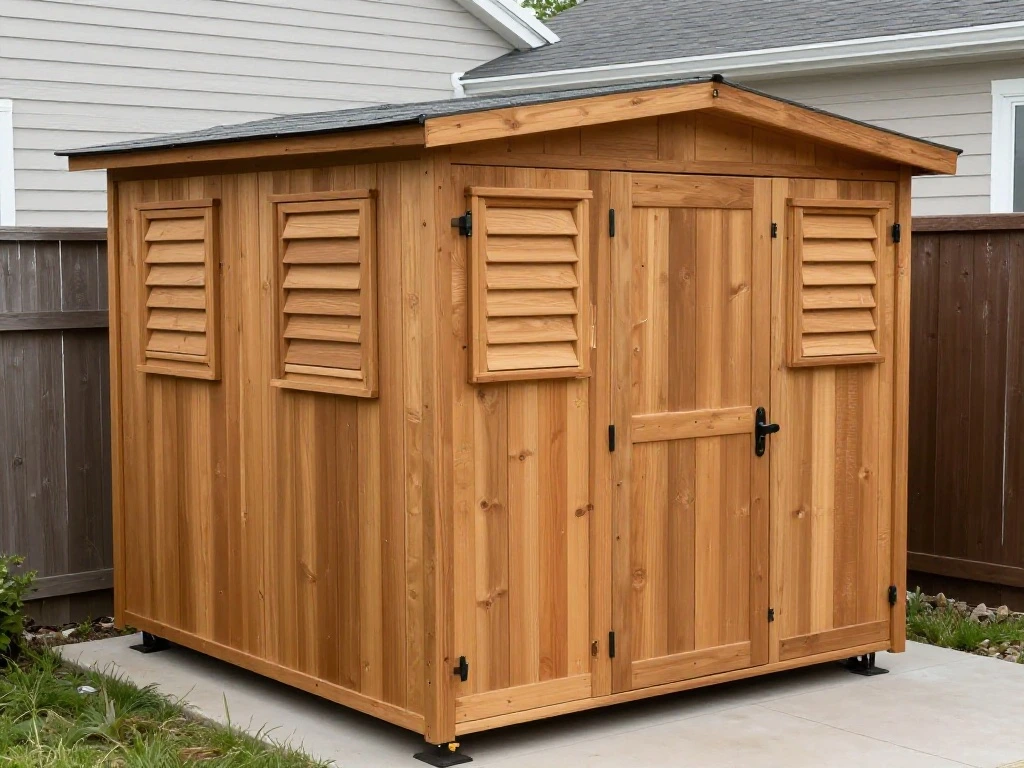
If you have the space, constructing a small shed style enclosure can hide the generator completely while protecting it from rain, snow, and debris. The key is incorporating louvered vents on at least two sides to allow continuous airflow. Many homeowners choose a shed design that ideas for hiding generators matches their home’s architecture, complete with matching shingles and siding.
9. Use a Trellis With Climbing Vines
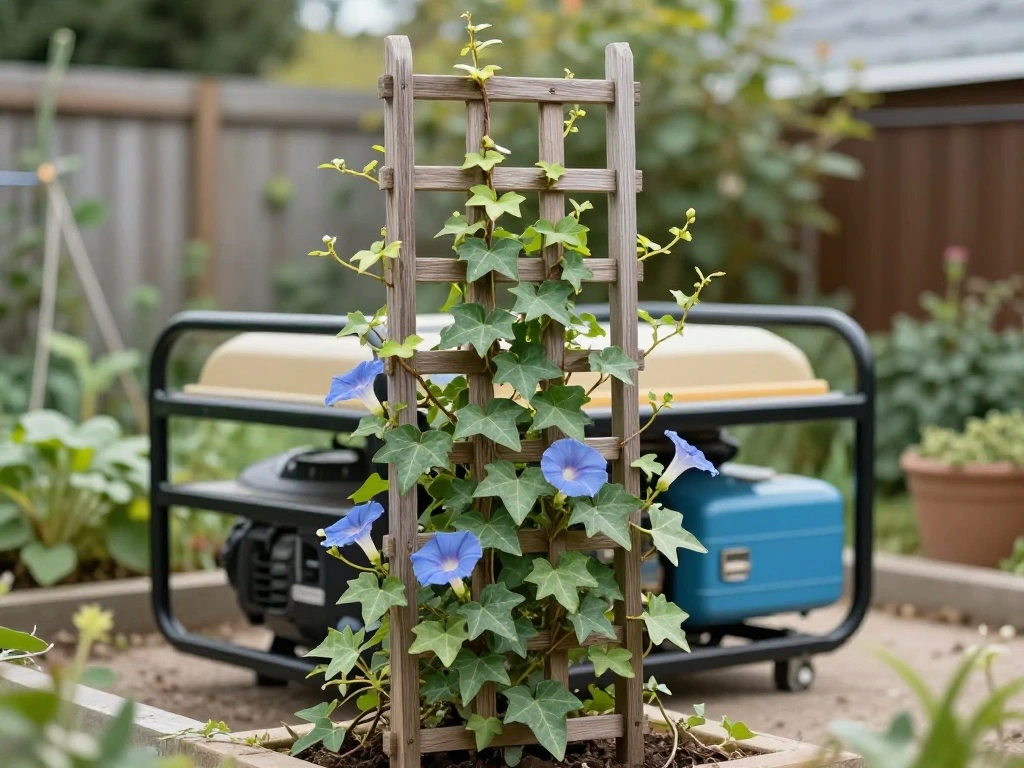
A trellis is a lighter weight alternative to a full fence panel. Attach it to simple posts and let climbing plants like ivy, morning glory, or honeysuckle grow naturally over time. This option is budget friendly and adds a charming, cottage style touch to the yard.
10. Position the Generator Behind an Existing Structure
Sometimes the easiest fix is simply relocating the unit, if your installer permits it, to a spot that is naturally shielded by an existing structure such as a side yard, behind a garage, or tucked into a corner formed by an L shaped house. Always confirm that the new location still meets manufacturer clearance requirements and local code distances from windows, doors, and property lines.
11. Build a Privacy Wall With Cutout Vents
A solid privacy wall made from cedar boards, composite decking material, or stucco can hide the generator while matching the architectural style of your patio or outdoor kitchen. Incorporate decorative cutouts or vented sections into the design so the wall does not trap heat or ideas for hiding generators exhaust gases.
12. Use Outdoor Curtains or Privacy Screens
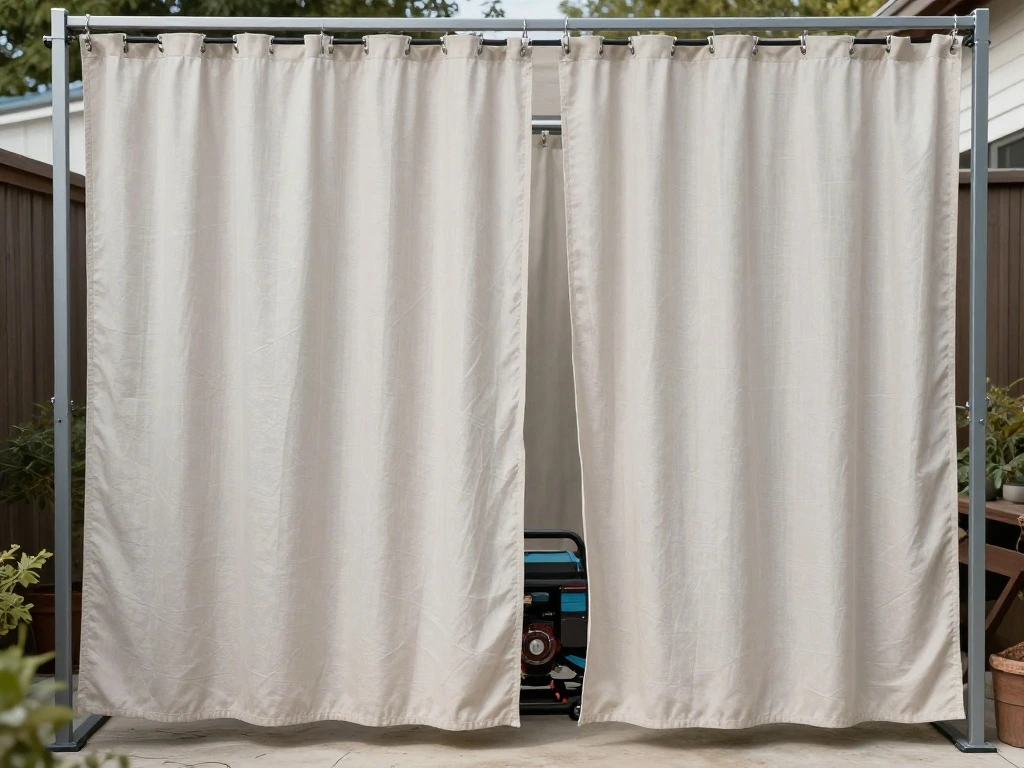
For renters or those who want a temporary, non permanent solution, outdoor curtains hung on a simple frame can conceal a generator during gatherings or everyday use. These are easy to pull back when the unit needs servicing and come in countless colors and patterns to match any patio decor.
13. Incorporate the Generator Into a Garden Feature
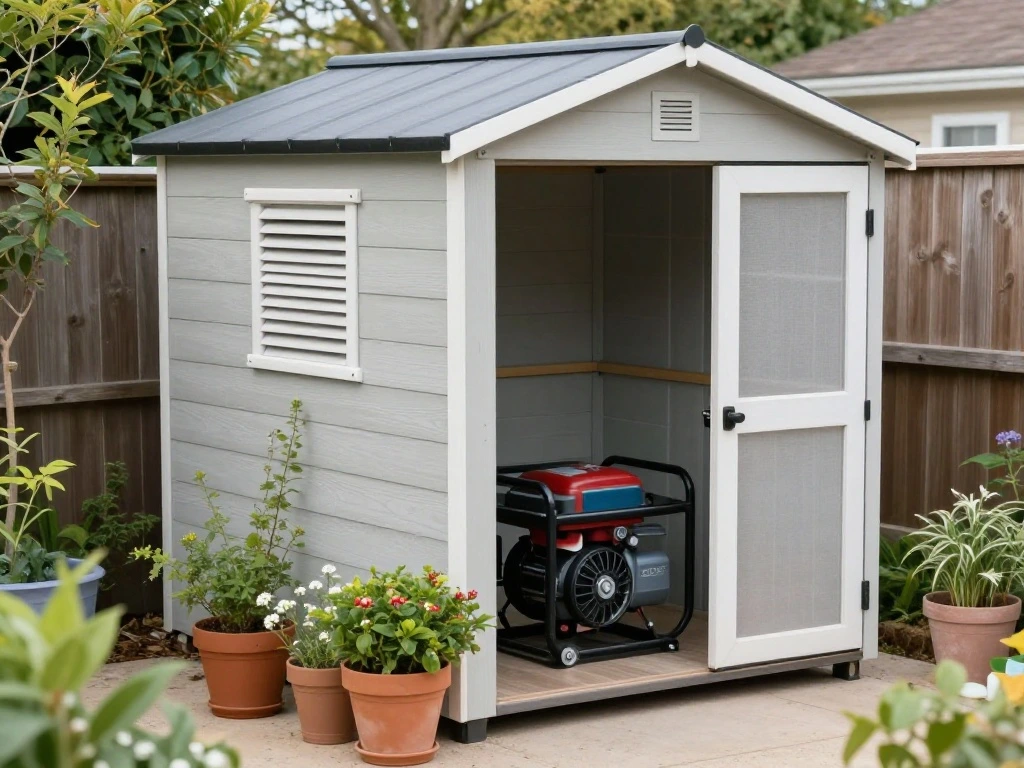
Some homeowners get creative by building a small garden shed, greenhouse, or potting bench structure that doubles as a generator cover. The front of the structure can display tools or plants while the back panel, fitted with vents, conceals the generator from view.
14. Add a Decorative Gate or Door Panel
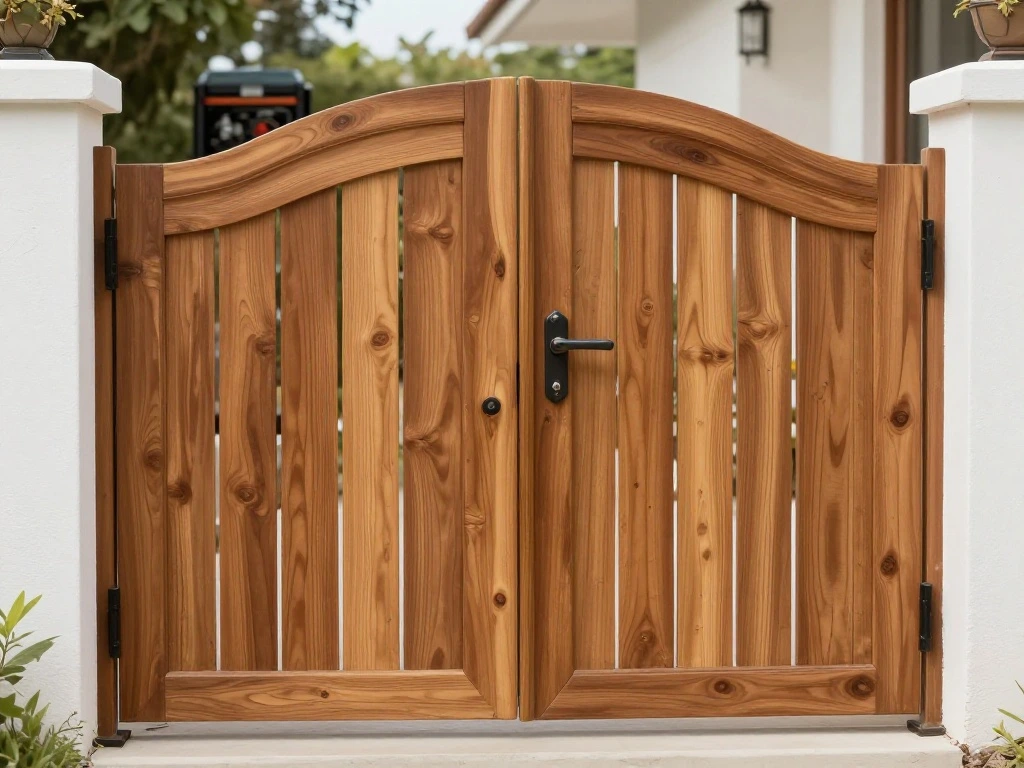
If your generator sits near a side yard entrance, installing a matching gate or door panel can hide it from the street while still allowing technicians to swing it open for maintenance. Choose a gate style that mirrors your front entry ideas for hiding generators door or fence design for a cohesive exterior look.
15. Use Gravel or Stone Pathways With Border Screening

Surrounding the generator pad with a decorative gravel border and low retaining wall stones can visually separate the equipment area from the rest of the yard. Combine this with a single row of tall ornamental grasses for a finished, intentional look rather than an afterthought.
Important Considerations Before You Begin
Before choosing any of these 15 ideas for hiding generators outside, keep a few practical factors in mind.
Maintain Proper Ventilation
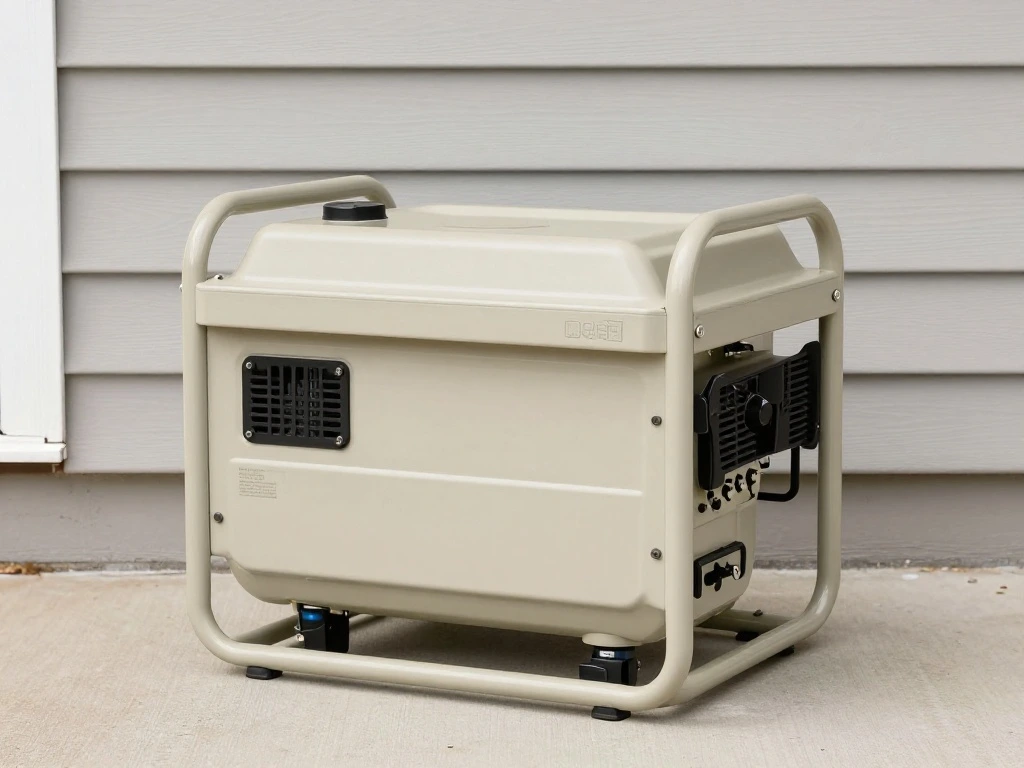
Generators need consistent airflow to prevent overheating and to safely vent exhaust fumes away from windows and doors. Most manufacturers recommend a minimum clearance of several feet on all sides, so always check your owner’s manual before building any enclosure.
Keep Access for Maintenance
Technicians need to reach the oil dipstick, air filter, spark plugs, and control panel for routine service. Design your hiding solution with a removable panel, hinged door, or open side so maintenance never becomes a hassle.
Check Local Codes and HOA Rules
Many neighborhoods have specific requirements about generator placement, noise levels, and visible equipment. A quick call to your homeowners association or local building department can save you from having to redo your project later.
Think About Noise Reduction
While not strictly about hiding, many screening materials like dense shrubs, fence panels, and enclosures with sound dampening foam can also reduce the noise level of a running generator, making the area more pleasant for you and your neighbors.
Conclusion
Hiding a generator does not mean sacrificing safety or convenience. Whether you prefer the natural softness of landscaping, the structure of a fence panel, or the architectural charm of a small pergola, there is an option on this list to suit almost any home style and budget. The key is balancing aesthetics with the practical needs of ventilation, accessibility, and local regulations. With a little creativity, your generator can disappear into the background of your yard while still standing ready to power your home whenever you need it most.
Frequently Asked Questions
1. How much clearance does a generator need from any enclosure? Most manufacturers recommend at least 18 to 36 inches on all sides, but always check your specific model’s manual since requirements vary.
2. Can I paint my generator to match my house? Yes, many homeowners paint the outer casing as long as vents, labels, and moving parts remain uncovered and the paint is suitable for outdoor metal or plastic surfaces.
3. Will hiding my generator with plants affect airflow? It can if plants are placed too close. Leave open space near intake and exhaust vents and choose shrubs that will not grow into the unit over time.
4. Do I need a permit to build a generator enclosure? It depends on your local building codes and HOA rules. Small decorative screens usually do not require permits, but permanent structures like sheds might.
5. What is the cheapest way to hide a generator? Lattice panels, trellises with climbing vines, and strategic shrub planting are typically the most budget friendly options compared to sheds or faux rock covers.