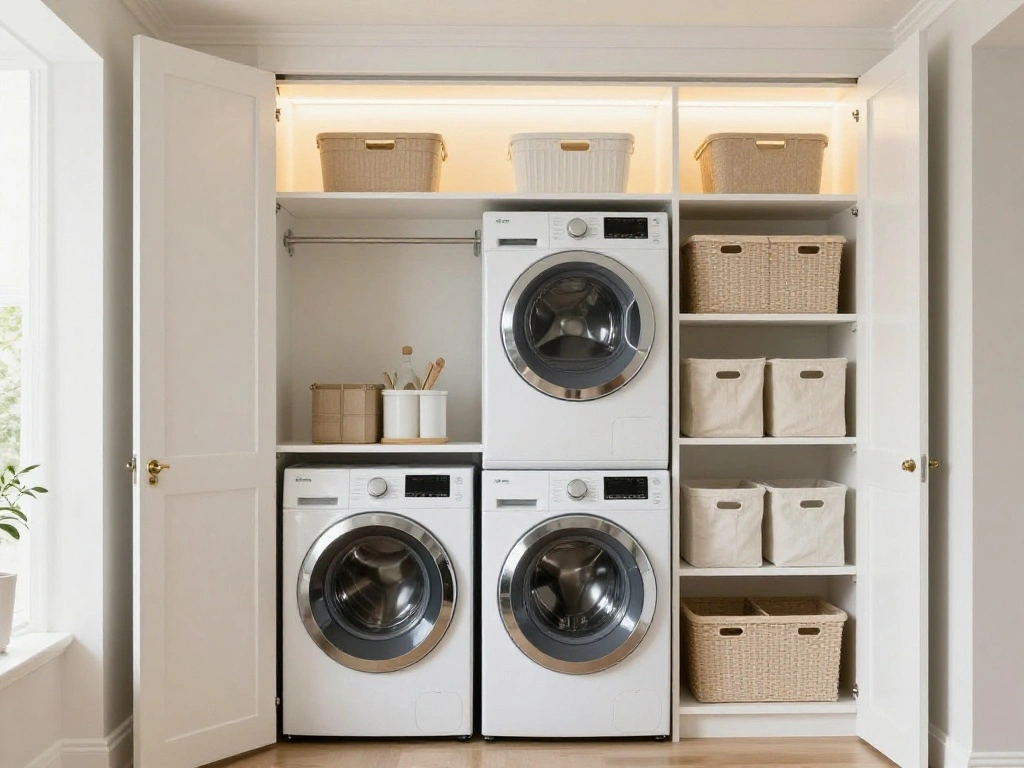
15 Smart Laundry Closet Ideas to Save Your Space
Introduction
A laundry closet is one of those spaces that most homeowners either overlook entirely or feel frustrated with every single day. When you are working with just a few square feet, the challenge of fitting a washer, a dryer, detergents, hampers, and folding space into one tight area can feel impossible. But here is the truth that experienced designers and home organizers have known for years: a small laundry closet does not have to be chaotic or inefficient. With the right planning and a handful of clever strategies, even the most cramped closet can be transformed into a fully functional, organized, and even attractive laundry zone.
Whether you live in a compact apartment, a townhouse, or simply have a home where the laundry area was tucked into a hallway closet as an afterthought, this guide is for you. The following 15 laundry closet ideas are drawn from real design experience, professional home organization principles, and proven space-saving techniques. Each idea is practical, budget-conscious, and designed to help you reclaim every usable inch of your space.
1. Stack Your Washer and Dryer to Free Up the Floor
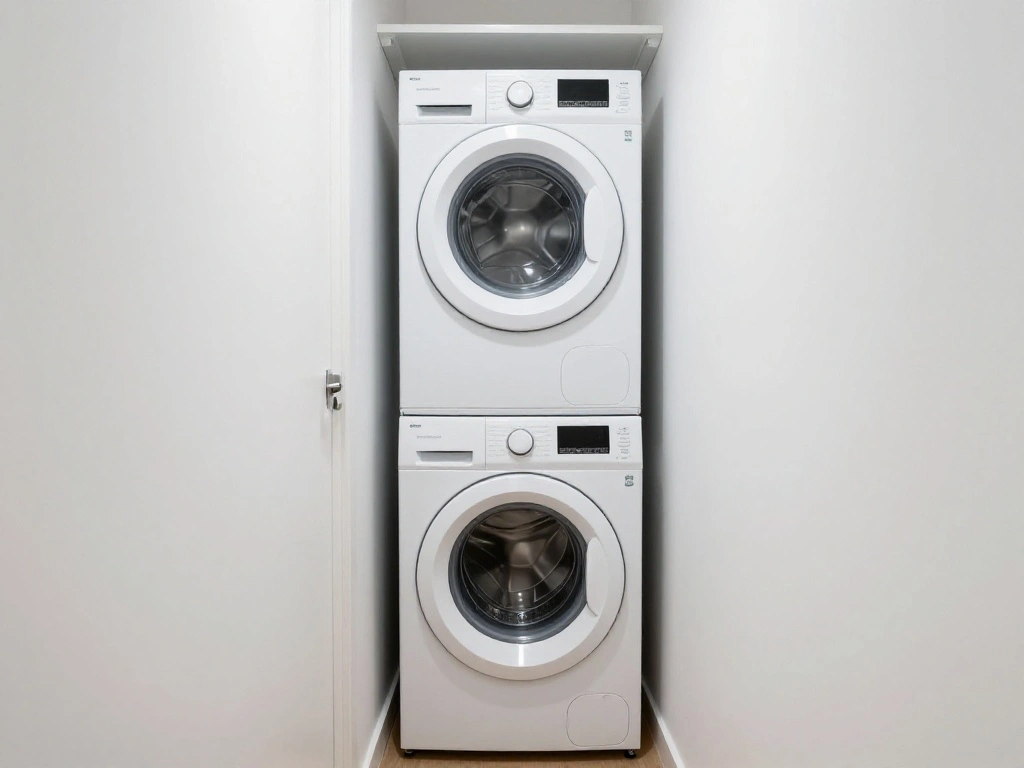
The single most impactful change you can make in a laundry closet is stacking your washer and dryer vertically instead of placing them side by side. Stacking a washer and dryer on top of each other immediately reclaims the footprint of one appliance and opens up the remaining floor space for storage, a slim cabinet, or a pull-out hamper. Most major appliance brands offer stackable front-loading units specifically designed for this purpose, and many include stacking kits that lock the two machines together securely. The result is a neat, vertical column that takes up roughly 27 to 30 inches of width while leaving your floor area free for other functional additions.
2. Add Open Floating Shelves Above the Appliances
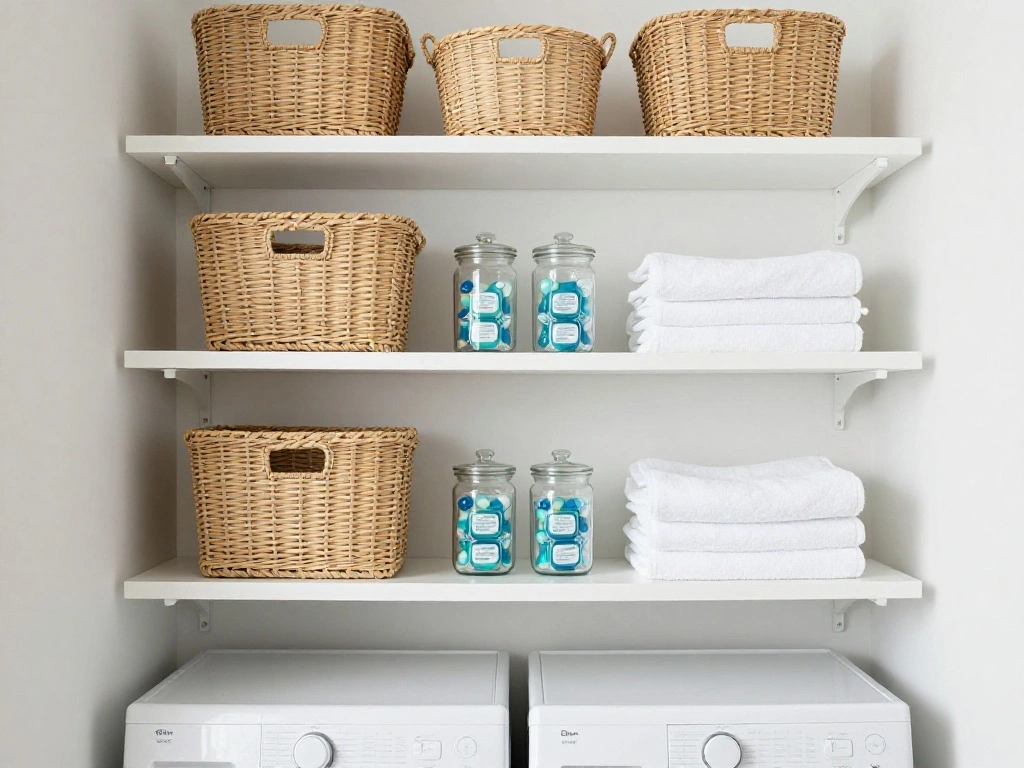
Once your washer and dryer are stacked or positioned side by side, the wall space above them becomes prime real estate. Open floating shelves are one of the most affordable and practical ways to use that vertical wall area. A set of two or three shelves installed above the machines gives you dedicated spots for detergent, fabric softener, dryer sheets, stain removers, and extra linens. The key to making open shelves work in a small closet is using matching storage bins or baskets so the space looks intentional rather than cluttered. Label each bin clearly so every household member knows exactly where things belong.
3. Install a Fold-Down Folding Counter
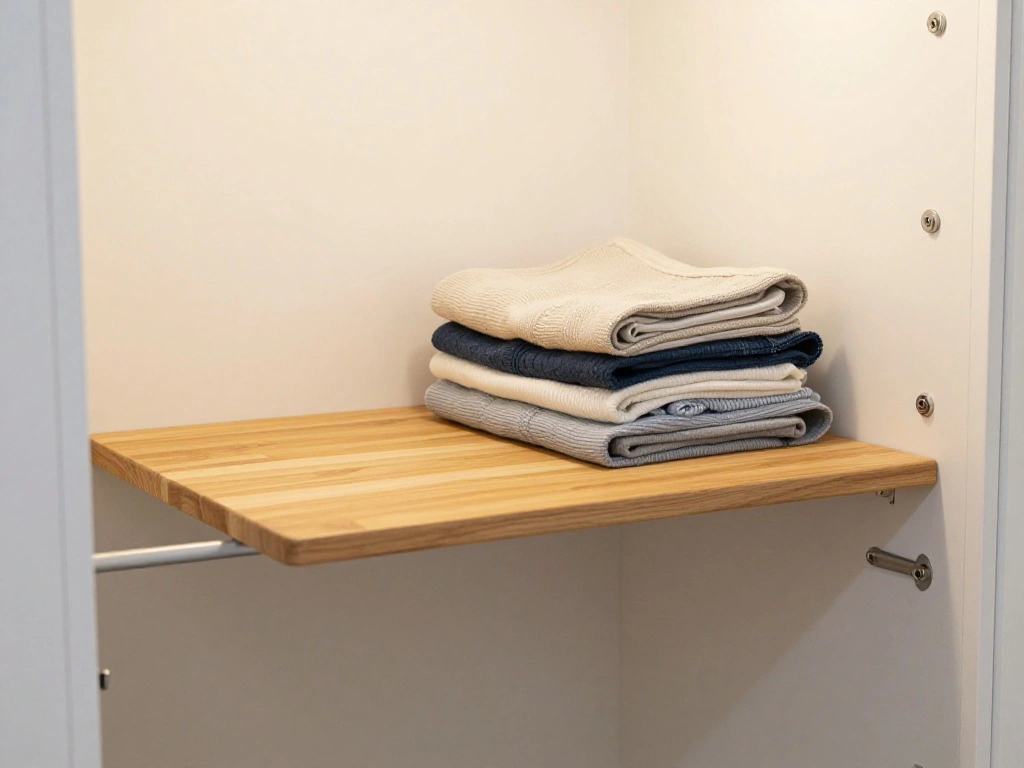
One of the biggest complaints about laundry closets is the complete absence of a folding surface. Carrying clean clothes to a bed or kitchen counter to fold them adds unnecessary steps to the process. A fold-down counter solves this elegantly. This is a wall-mounted shelf that folds flat against the wall when not in use, occupying almost no space, and then drops down into a horizontal surface when you need to sort or fold laundry. You can build one from a sheet of plywood with a piano hinge, or purchase a pre-made version from most home improvement stores. A fold-down counter turns a purely mechanical space into a genuinely functional workstation without permanently consuming floor space.
4. Use the Back of the Closet Door for Storage
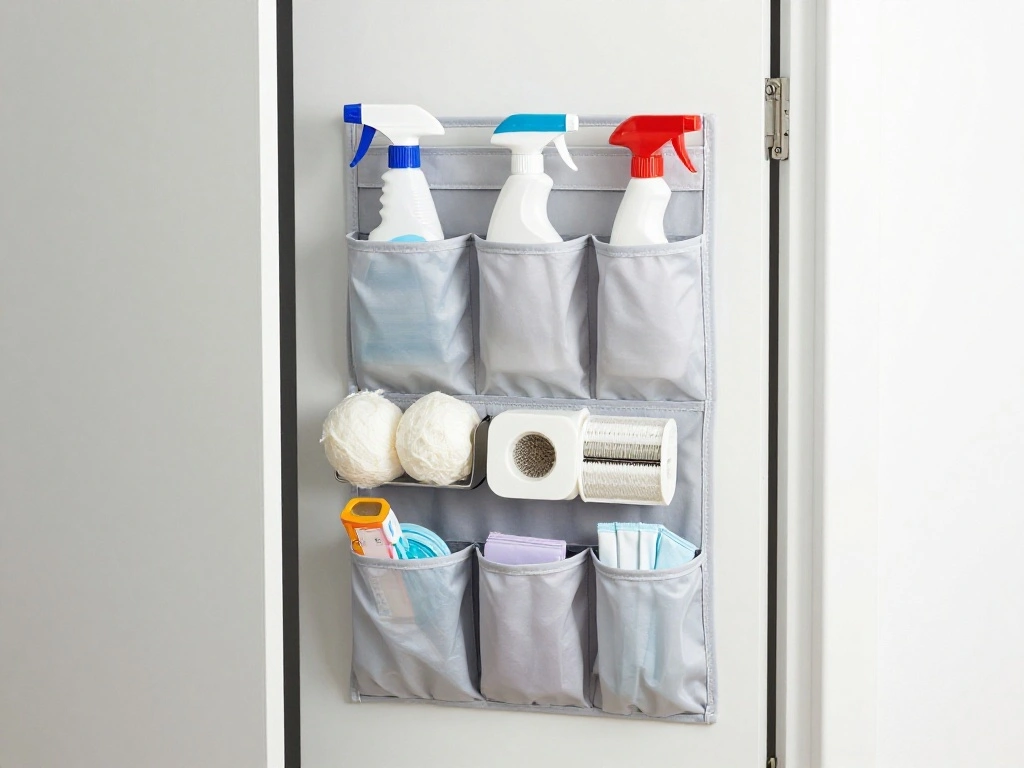
The back of your laundry closet door is a storage surface that most people completely ignore. Over-the-door organizers, hooks, and mounted racks can hold a surprising amount of supplies. You can hang an over-the-door shoe organizer with clear pockets to store small items such as stain pens, dryer balls, delicate wash bags, and lint rollers. A set of sturdy hooks on the door can hold your ironing board, a fabric steamer, or a collapsible drying rack. Some homeowners even mount a small whiteboard or chalkboard on the door’s interior to track which loads are in progress. This idea costs very little but dramatically increases the functional surface area of your closet.
5. Incorporate Pull-Out Hamper Drawers
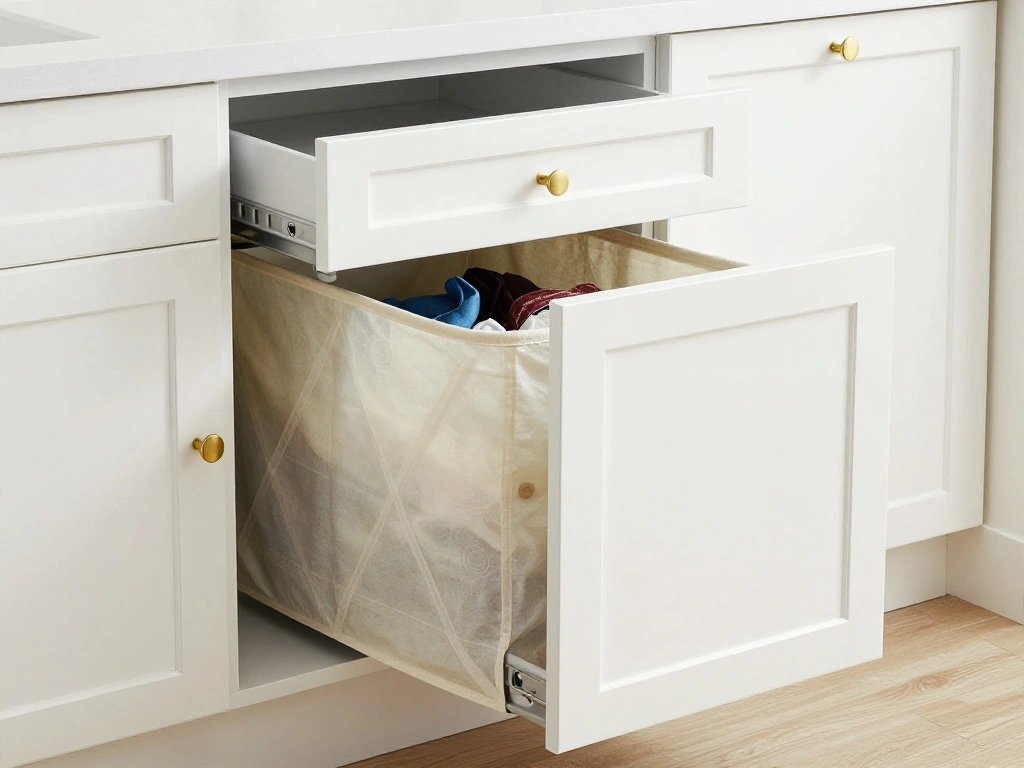
Traditional laundry baskets sitting on the floor consume valuable space and contribute to a messy appearance. Pull-out hamper drawers built into a base cabinet are a much cleaner alternative. These drawer-style hampers slide out for loading and slide back in to keep the floor area clear. Many cabinetry systems designed for laundry closets include one or two hamper drawers at the base, with open or closed shelving above. If a custom cabinet is outside your budget, freestanding pull-out hamper units are available at most home goods retailers and can be tucked neatly beside or beneath a folding counter.
6. Mount a Retractable Drying Rack
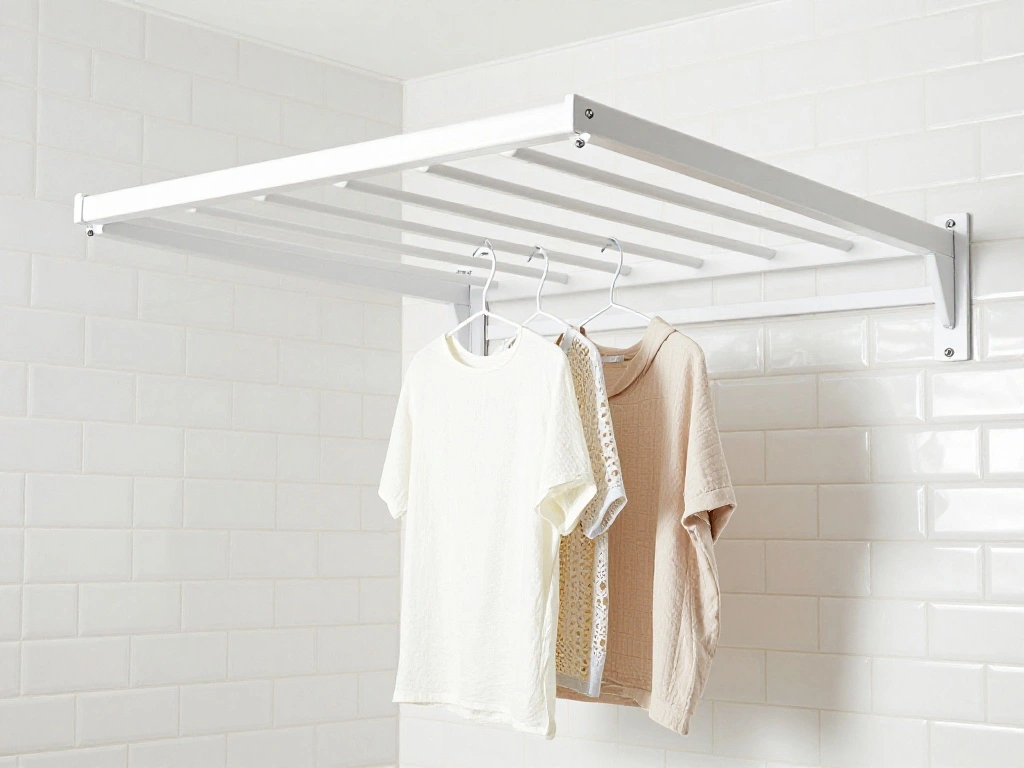
Air-drying delicate clothing is a necessity for many households, but a permanent drying rack takes up substantial space in a closet. A retractable wall-mounted drying rack is the ideal solution. These racks fold flat against the wall and extend outward into a full drying frame when you need them. Ceiling-mounted versions are also available and are particularly useful in closets where wall space is limited. When not in use, the rack tucks away completely, leaving the aisle clear. Some models can hold up to 15 garments and extend nearly 20 inches from the wall, making them surprisingly capable despite their compact footprint.
7. Add Slim Pull-Out Side Cabinets
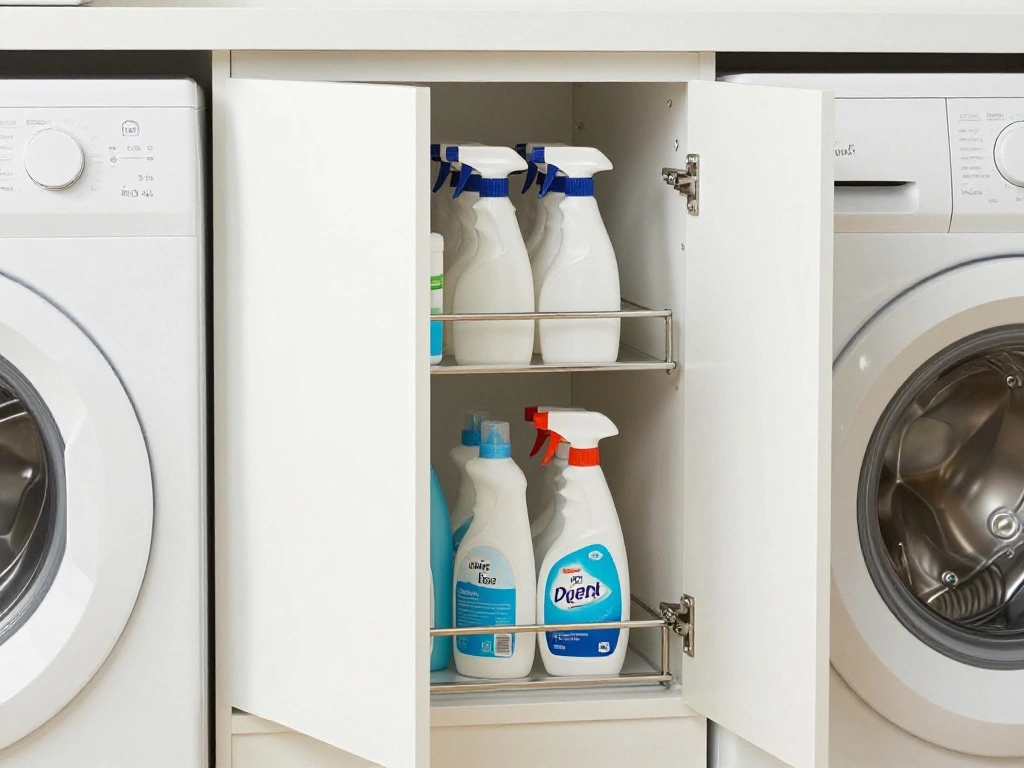
If your laundry closet has even a few inches of unused space on either side of the appliances, a slim pull-out cabinet can make excellent use of it. Cabinets between 6 and 12 inches wide are available specifically for narrow laundry spaces and can hold cleaning bottles, spray cleaners, and small tools upright in a vertical column. These pull-out units glide smoothly on tracks and keep tall, awkward bottles organized and accessible without tipping over. In closets where every inch matters, a slim pull-out cabinet beside the washer often holds more than an entire shelf.
8. Install Upper Cabinets for Concealed Storage
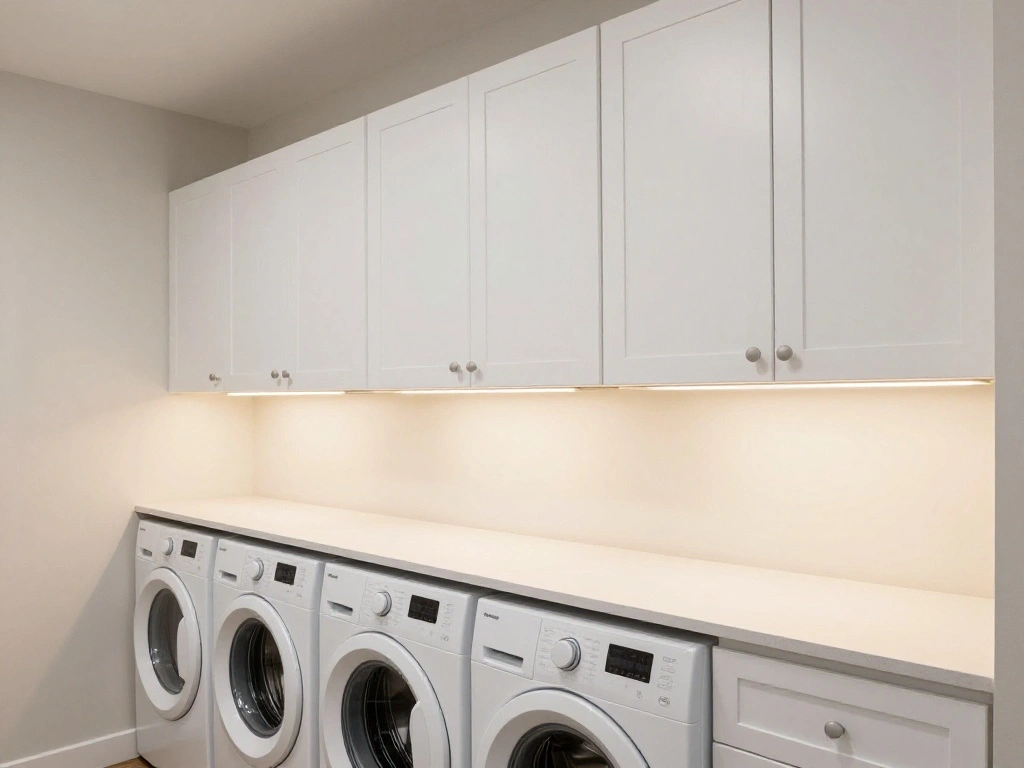
Open shelving is practical and affordable, but upper cabinets offer the added benefit of hiding visual clutter behind closed doors. If your laundry closet feels overwhelming to look at, installing upper cabinets transforms the space immediately. The area above the washer and dryer is the natural location for a set of simple wall-mounted cabinets. Choose flat-panel or shaker-style cabinet doors for a clean, modern look. Inside, you can store infrequently used items such as extra detergent in bulk, seasonal linens, or cleaning equipment that does not need to be accessed daily. Cabinets with adjustable shelving are the most flexible option since laundry supplies come in vastly different sizes.
9. Invest in a Tiered Rolling Cart
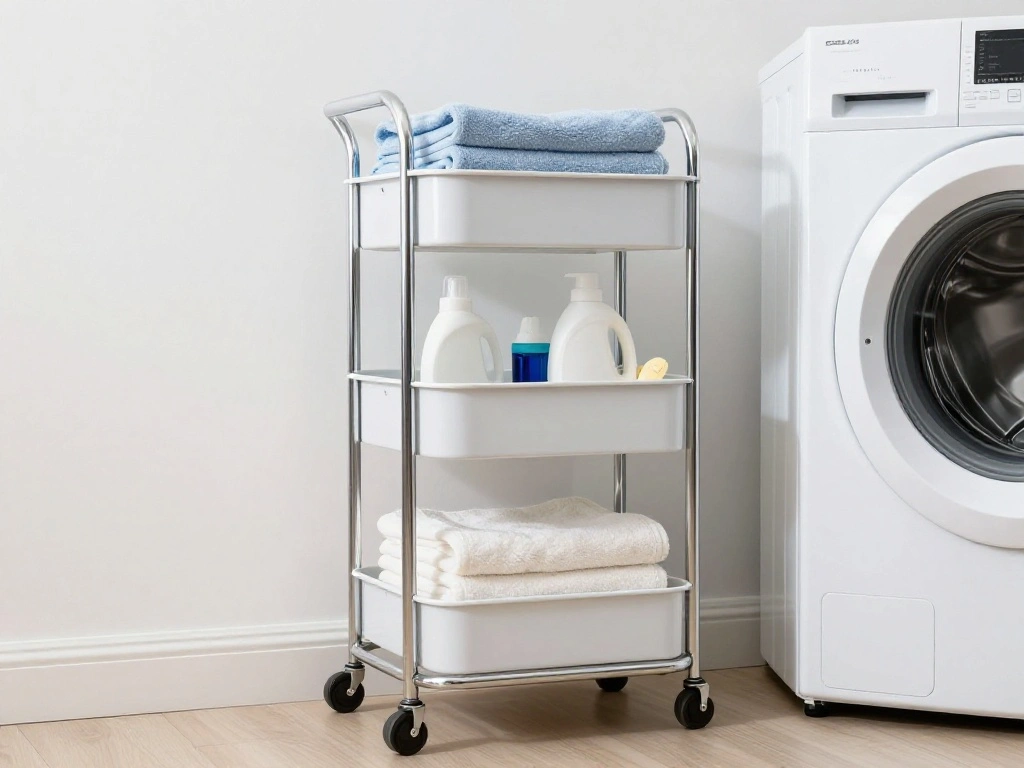
A tiered rolling cart is one of the most versatile additions you can make to a laundry closet. These carts typically stand about four feet tall and feature three to four shelves or baskets on wheels. They can be rolled out into the hallway when you are actively doing laundry and tucked neatly back into the closet when the task is complete. A rolling cart is ideal for holding laundry supplies, small tools, or even fresh folded clothing waiting to be distributed. It adds storage without being permanent and can be repositioned as your needs change. Look for slim, narrow designs in stainless steel or powder-coated metal that are easy to clean.
10. Use Laundry Pedestals for Hidden Storage Below
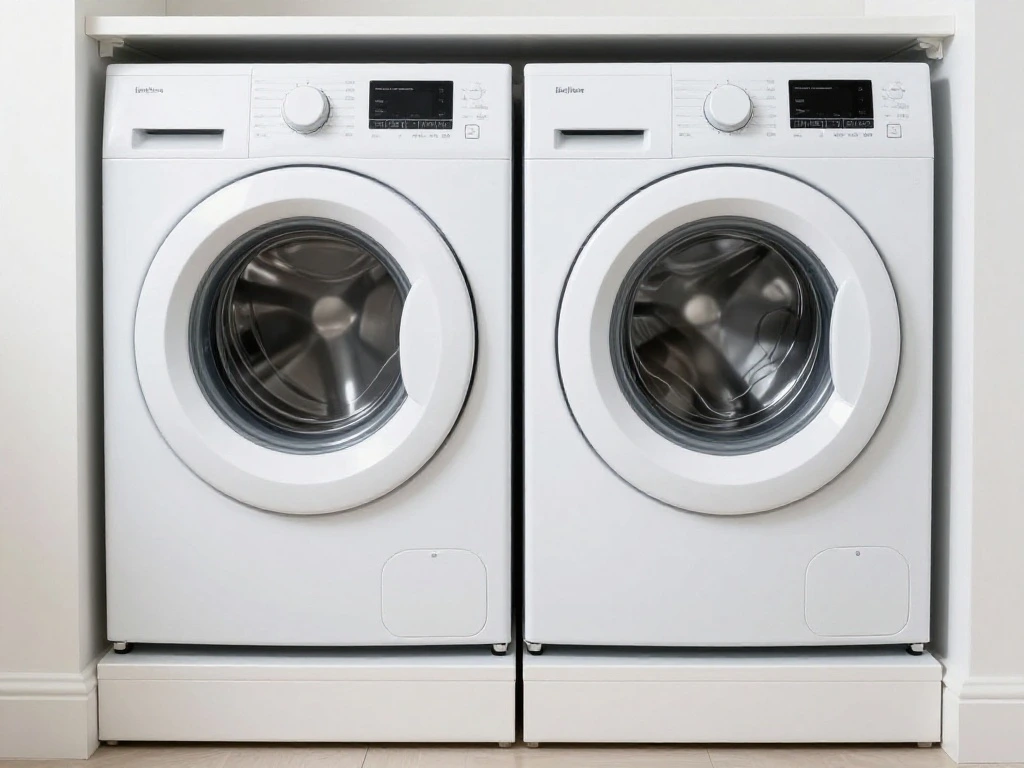
Many front-loading washers and dryers are compatible with pedestal units that raise the appliances to a more ergonomic height. Beyond the physical comfort of not having to bend down to load and unload clothes, pedestals almost always include a deep storage drawer underneath the machine. This drawer is perfect for storing supplies you want out of sight but close at hand, including extra detergent pods, softener sheets, and small accessories. When two pedestals are used side by side beneath a pair of front-loading machines, you effectively gain two full drawers of storage while also bringing the appliance doors up to a much more comfortable working height.
11. Create a Dedicated Hanging Rod for Freshly Dried Clothes

One frustration that many people experience with small laundry closets is that clothes come out of the dryer and immediately pile up with nowhere to go. A single hanging rod installed inside the closet, even a short one spanning just 12 to 18 inches, solves this problem. Clothes that need to be hung rather than folded can go directly from the dryer onto hangers on the rod, reducing wrinkles and preventing that dreaded pile from forming on the floor. The rod can be mounted to the side wall of the closet, above the appliances, or as part of a larger cabinetry system. Extendable rods that can be adjusted in length are a flexible and affordable choice.
12. Introduce Good Lighting With Motion-Sensor LED Strips
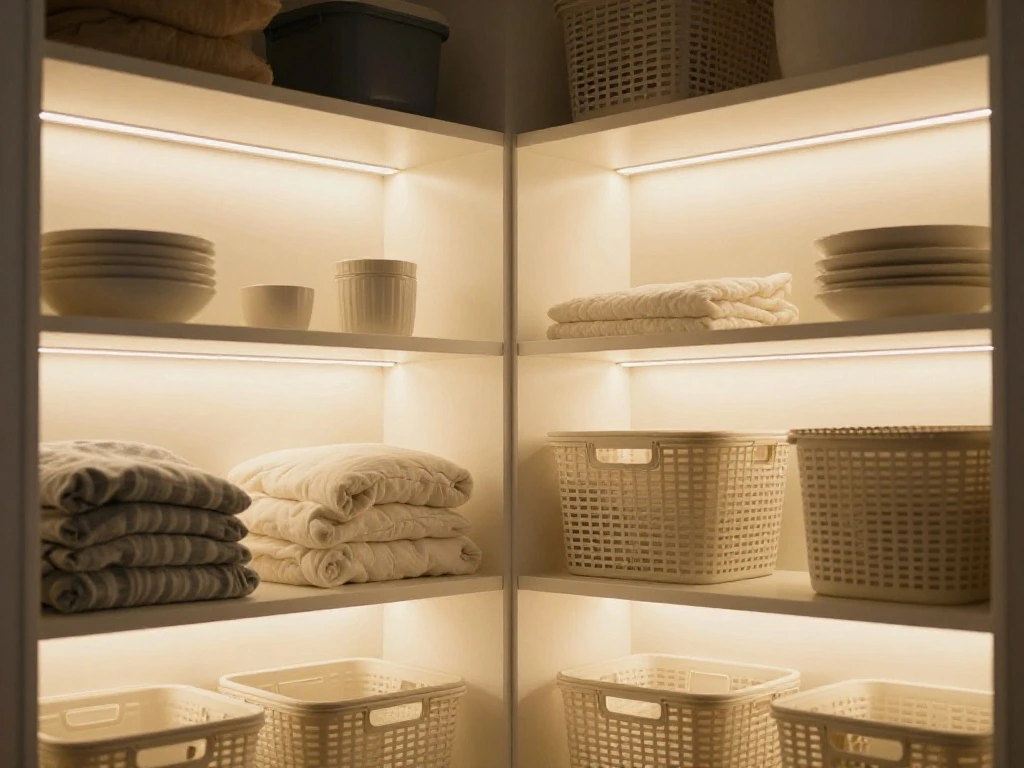
Laundry closets are notoriously dark. A single overhead bulb, if there is even one present, rarely provides adequate illumination for reading detergent labels, checking clothing for stains, or sorting lights from darks. Installing LED strip lights inside the closet makes an enormous practical difference. Motion-sensor LED strips are especially convenient because they activate automatically when the closet door opens and switch off when it closes, saving energy without requiring any thought. Placing strips along the underside of shelves or inside upper cabinets bathes every corner of the closet in clear, consistent light. This is one of the lowest-cost upgrades you can make and one of the most immediately noticeable in daily use.
13. Apply Wallpaper or Paint to Add Personality
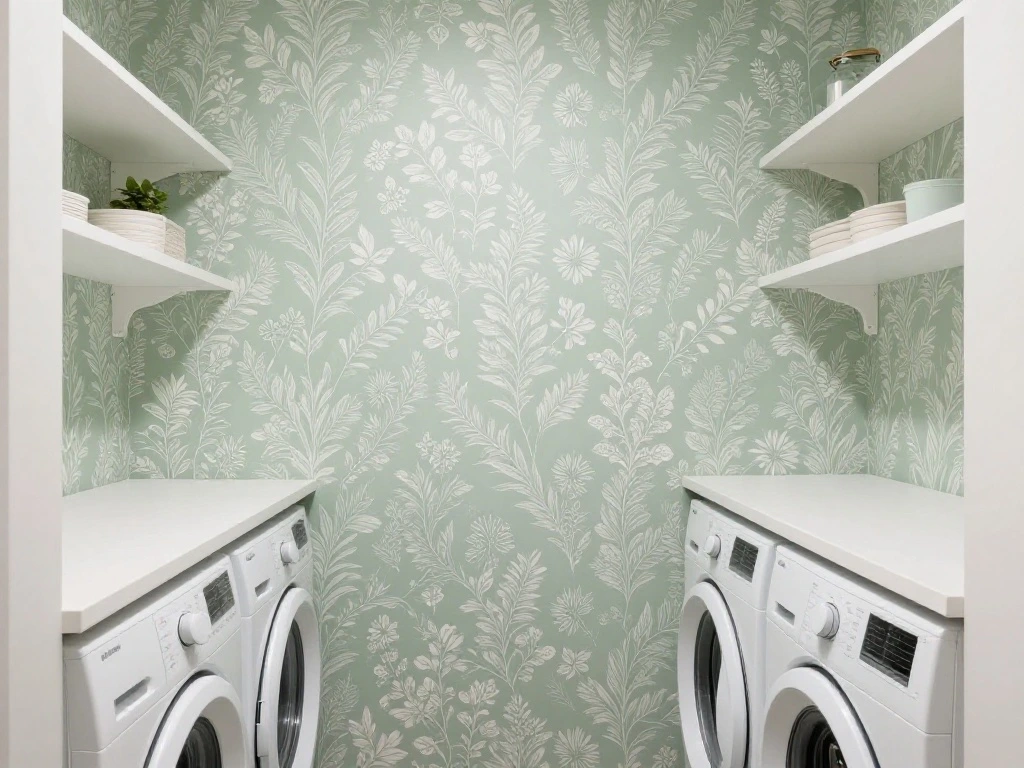
A laundry closet does not have to look purely utilitarian. Adding a bold wallpaper pattern or a fresh coat of paint to the back wall instantly elevates the space from a forgettable utility corner into a room that feels intentional and considered. Vertical striped wallpaper makes a low closet feel taller. A soft neutral paint color brightens a dark interior. If you choose wallpaper, look for moisture-resistant options since laundry spaces experience humidity from both the washer and the dryer. This decorative step costs relatively little and makes the time you spend in the closet considerably more pleasant.
14. Maximize Vertical Space With Floor-to-Ceiling Shelving
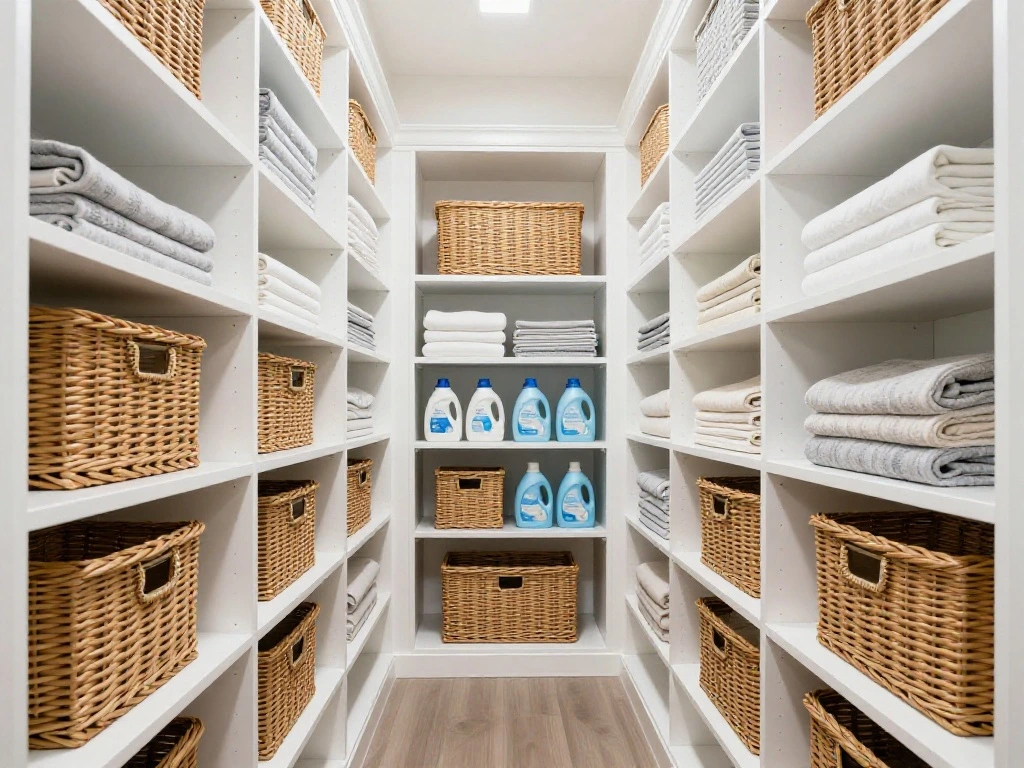
In a laundry closet, the space closest to the ceiling is almost always wasted. Floor-to-ceiling shelving systems change that entirely. By building or installing shelves from the floor all the way up to the ceiling, you multiply the available storage surface dramatically. The lower shelves hold items you reach for every day, such as detergent and fabric softener. The middle shelves hold items used regularly but not daily. The highest shelves, which may require a small step stool to access, are ideal for bulk supplies, seasonal items, or products you buy infrequently. A floor-to-ceiling shelving system transforms even a shallow closet into a storage powerhouse.
15. Conceal the Entire Setup With Bifold or Barn-Style Doors
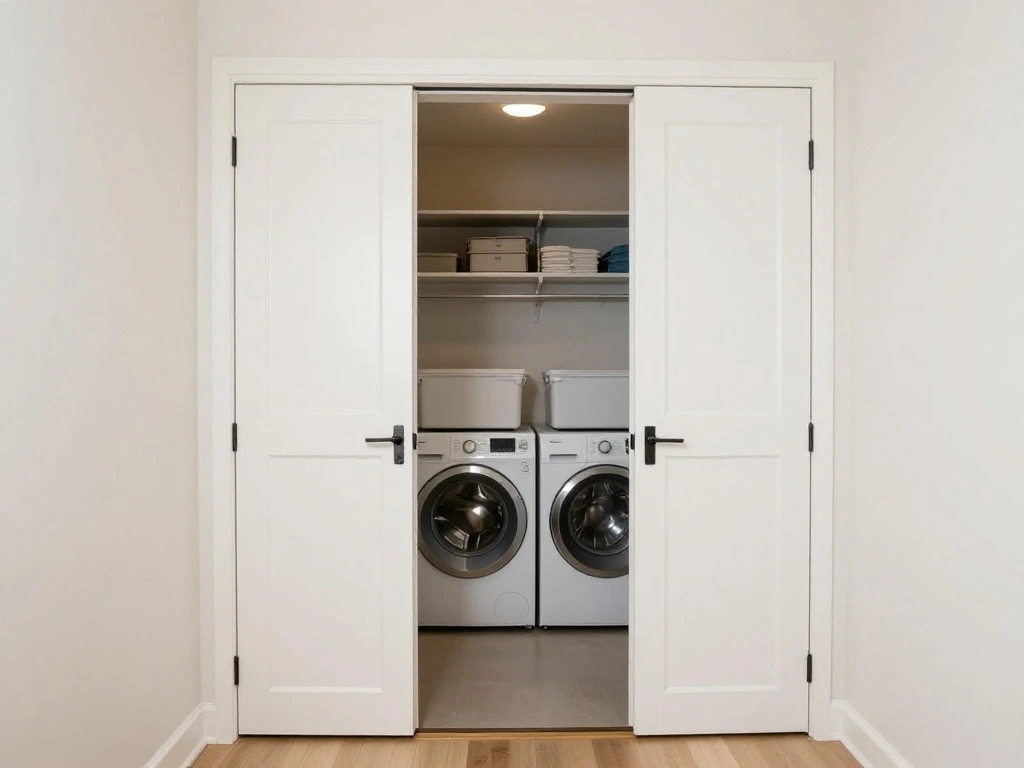
The cleanest and most elegant solution for a laundry closet is one that hides the entire setup when not in use. Bifold doors fold neatly against the wall on each side, requiring minimal swing clearance while providing a full-width opening when you need access. Barn-style sliding doors are another attractive option, particularly in modern or farmhouse-style homes. When the doors are closed, the laundry closet disappears entirely into the surrounding wall, blending seamlessly with the hallway or room it is located in. This approach is especially valuable in open-plan living spaces where the laundry area sits within direct sight of the main living room or kitchen.
Conclusion
Transforming a laundry closet from a chaotic, cramped corner into a well-organized and efficient workspace is entirely achievable regardless of how small the space is. The 15 ideas covered in this article range from simple, low-cost upgrades like LED lighting and over-the-door organizers to more involved projects like built-in cabinets and custom shelving systems. The most effective approach is to start with the structural decisions first: decide whether to stack your appliances, determine your shelving system, and plan your door configuration. Then layer in the organizational details such as hamper drawers, rolling carts, and folding counters. Finally, add the finishing touches including lighting, paint, and accessories that make the space feel finished rather than forgotten.
A well-designed laundry closet does not just save space. It saves time, reduces daily frustration, and quietly makes one of the most routine household chores a more efficient and even enjoyable experience.
Frequently Asked Questions
Q1: What is the minimum closet size needed to fit a stacked washer and dryer?
Most standard stackable washer and dryer units require a closet that is at least 30 inches wide and 30 to 32 inches deep. Always check the specific dimensions of your appliances before planning the space and allow at least 3 to 4 inches at the back for hose connections and ventilation.
Q2: Can I add a folding counter to a very narrow laundry closet?
Yes. A fold-down wall-mounted counter is ideal for narrow spaces because it folds flat against the wall when not in use and drops down only when you need it. This gives you a functional folding surface without permanently reducing the available floor space.
Q3: What type of doors work best for a laundry closet in a hallway?
Bifold doors are the most common choice because they fold against the frame and require very little clearance space to open. Sliding barn doors are a stylish alternative that works well in hallways where a standard swinging door would be impractical.
Q4: How do I reduce noise and vibration from appliances in a laundry closet?
Place anti-vibration pads under the feet of both the washer and dryer and ensure the machines are properly leveled. Sound-dampening closet doors and rubber-backed floor mats also help absorb vibration. A well-leveled machine on a solid floor produces far less noise than one that is even slightly uneven.
Q5: Is it possible to add a utility sink to a laundry closet?
In some closets, yes. A compact utility sink can be installed beside a stacked washer and dryer if plumbing access is available and the closet is wide enough, typically at least 48 to 60 inches total width. A licensed plumber should assess the feasibility based on existing pipe locations before you plan the layout.