15+ Charming Birdhouse Garden Ideas for Your Yard
Introduction
There is something quietly magical about a garden that welcomes birds. The flicker of wings among flower beds, the morning chorus rising from the trees, the sense that your yard has become a living, breathing part of the natural world — these are the rewards that come when you thoughtfully incorporate birdhouses into your outdoor space. Birdhouse garden ideas have moved well beyond the simple wooden box nailed to a fence post. Today, they represent a full design discipline that blends ecology, aesthetics, and personal creativity into one of the most satisfying garden projects a homeowner can undertake. Whether you have a sprawling backyard or a compact urban garden, the right birdhouse placement and style can transform it entirely. This guide covers 18 charming birdhouse garden ideas that are both beautiful to look at and genuinely welcoming to the birds you want to attract.
1. The Classic Cottage-Style Birdhouse on a Post
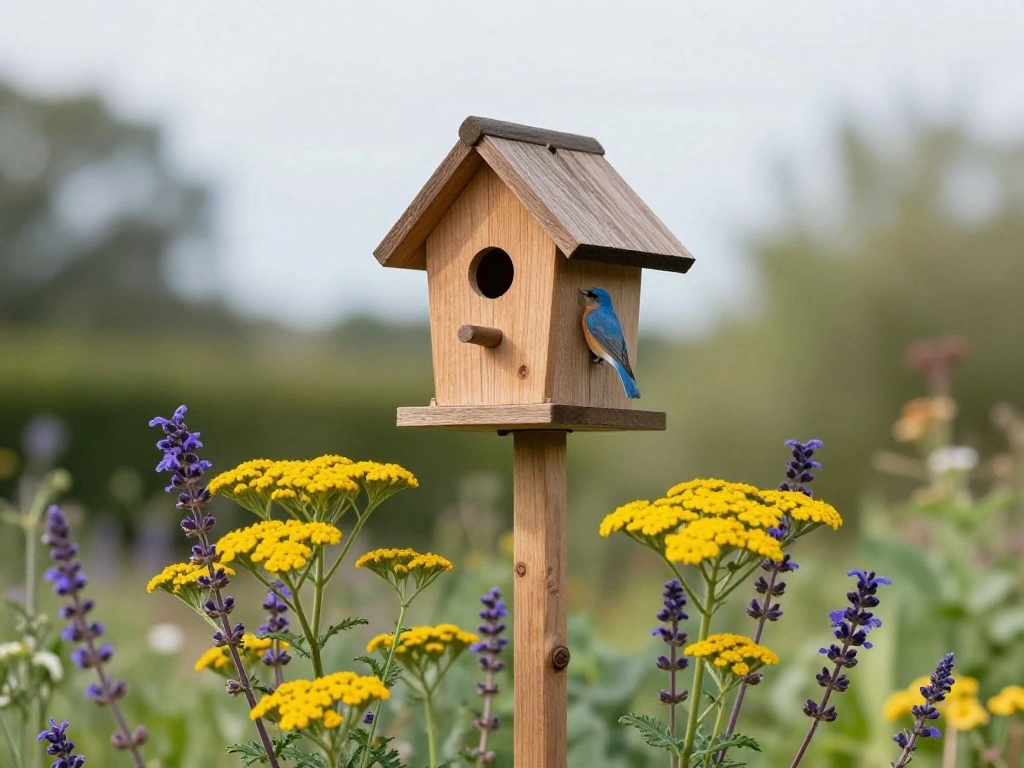
Nothing anchors a cottage garden quite like a single, well-chosen birdhouse mounted on a tall wooden post. Select a house with a steeply pitched roof, natural wood finish, and a properly sized entry hole for the birds in your region. Plant yarrow, salvia, or black-eyed Susans at the base so that the flowers appear to reach up toward the house. This creates a layered, organic composition that feels both intentional and effortlessly natural. The key is choosing a post height appropriate to your target species. Bluebirds, for example, prefer their houses mounted five to six feet above the ground in open areas, while chickadees are comfortable at heights between four and eight feet.
2. A Row of Multi-Post Birdhouses
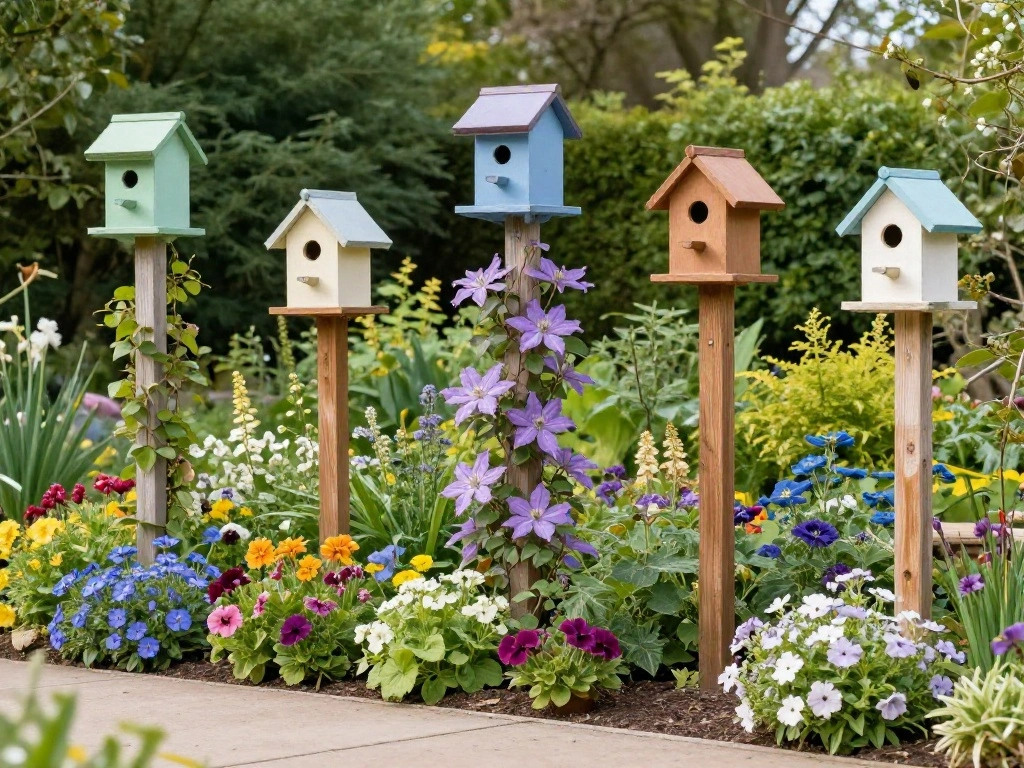
One of the most visually striking birdhouse garden ideas involves lining up a series of wooden posts at varying heights — perhaps three to five of them — and mounting a different birdhouse on top of each one. Plant a mix of perennials or cottage annuals at the base of every post and allow a climbing vine, such as clematis or morning glory, to wind its way up one or two of them. The effect is a living gallery that draws the eye down the length of the garden and gives the entire space a sense of whimsy and movement. Painting each post a slightly different color enhances the playful character of the arrangement without making it feel chaotic.
3. The Birdhouse Village on a Garden Fence
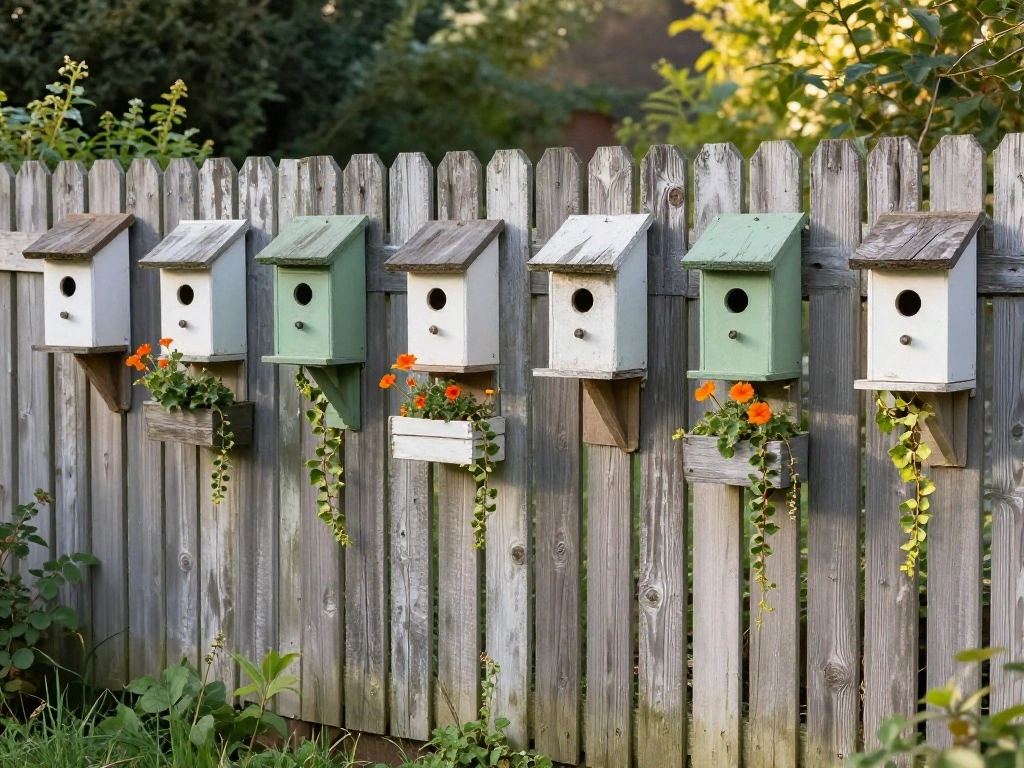
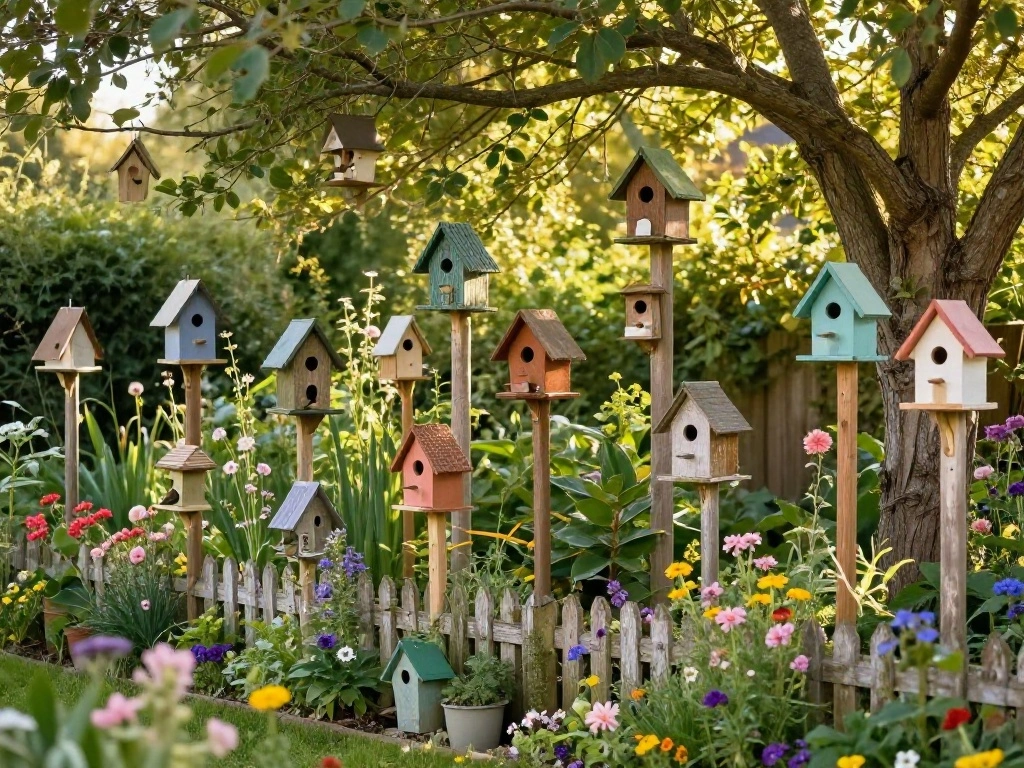
A privacy fence does not have to be a blank boundary. Space several birdhouses evenly along the top rail of a wooden fence, varying their sizes and roof styles for visual interest. Add window box planters beneath a few of them and trail ivy or nasturtiums downward. This transforms a utilitarian structure into a charming birdhouse village that defines your garden’s edge with personality. Keeping the paint palette cohesive — perhaps soft whites, sage greens, and weathered grays — gives the arrangement a polished, designed look rather than a cluttered one.
4. Tree-Hung Birdhouses for a Woodland Feel
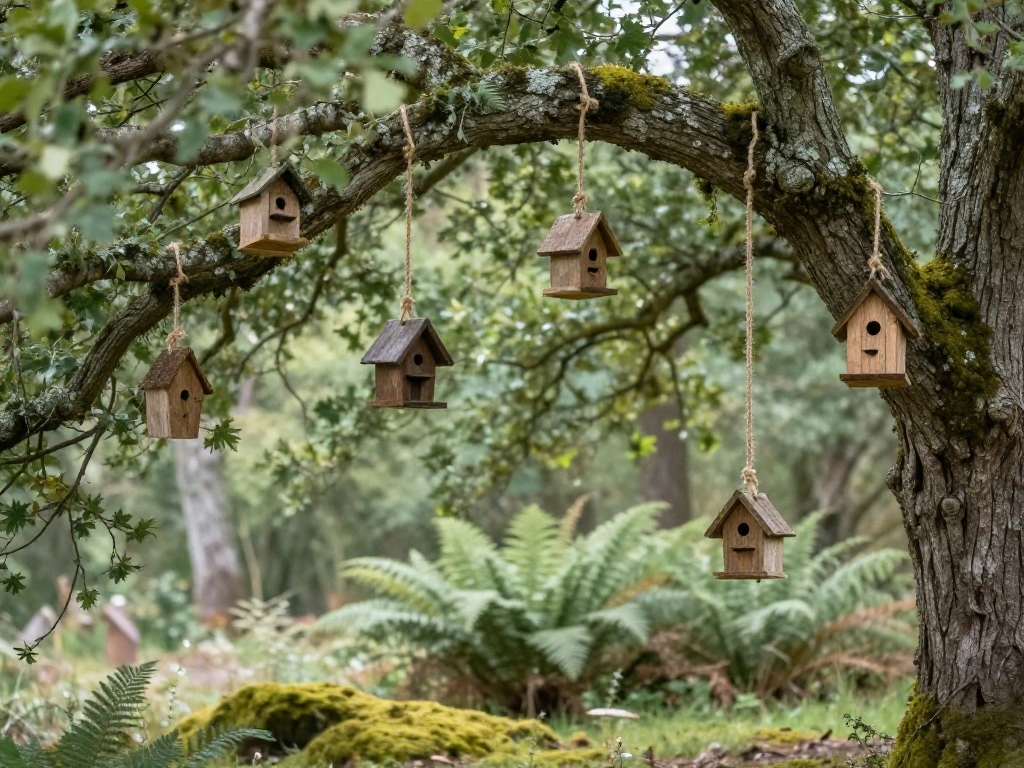
Hanging birdhouses from sturdy tree branches using natural jute rope or heavy-gauge wire creates an enchanting woodland aesthetic that few other garden features can match. Choose branches that are thick enough to bear the weight without bending, and position houses at different heights throughout the tree’s canopy. This layered effect mimics natural nesting conditions and genuinely encourages birds to take up residence. For purely decorative houses that are not species-specific, the visual effect alone justifies the effort. The gentle sway of the houses in a breeze adds an almost meditative quality to the garden.
5. The Rustic Log Birdhouse
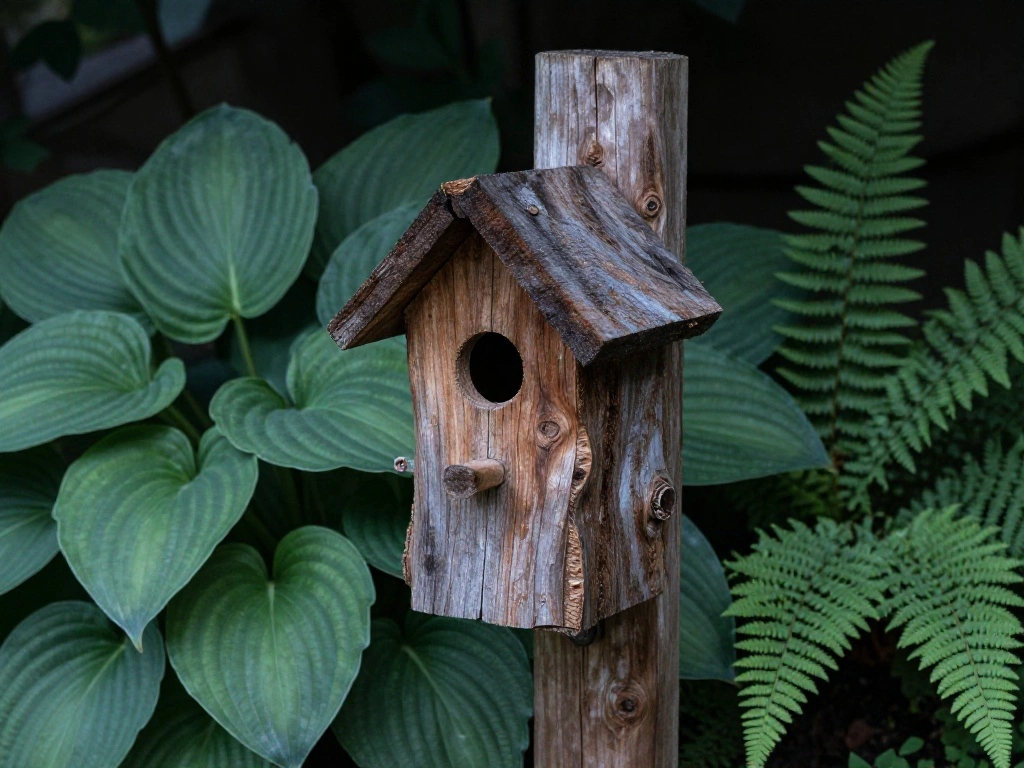
A birdhouse carved from or built around a section of log brings undeniable rustic charm to any garden setting. The natural texture and color of the wood blends seamlessly with plant life, and many birds find the familiar material especially welcoming. Position a log birdhouse on a reclaimed timber post or nestle it among hostas and ferns in a shaded border. Over time, the wood develops its own patina, deepening in color and texture so that the birdhouse looks as though it has always belonged in that spot.
6. A Gourd Birdhouse for Purple Martins
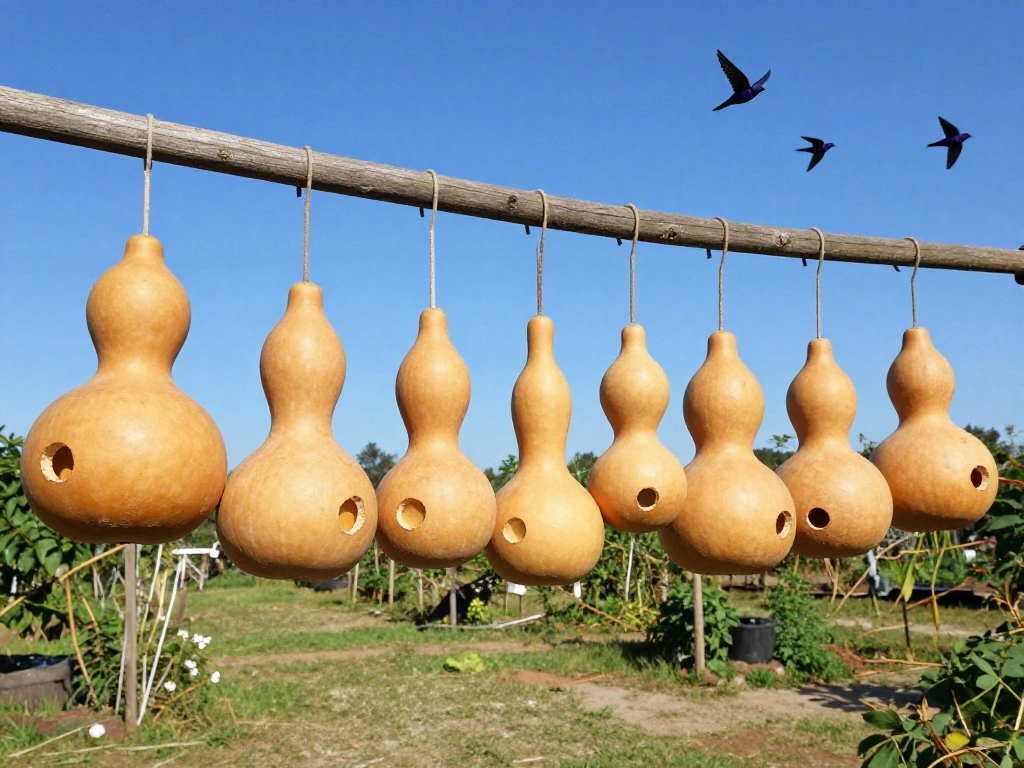
Dried and hollowed gourds have been used as birdhouses for centuries, and they remain one of the most effective and charming options for attracting purple martins. These social birds nest in colonies, so a cluster of gourd houses hung from a horizontal pole or a spinning gourd rack is both functional and visually captivating. The organic, rounded shapes of the gourds create a sculptural quality in the garden, and because no two gourds are exactly alike, each house has its own character. Gourds are also naturally lightweight, well-insulated, and moisture-resistant, making them genuinely excellent nesting habitats.
7. Stone-Covered Decorative Birdhouses
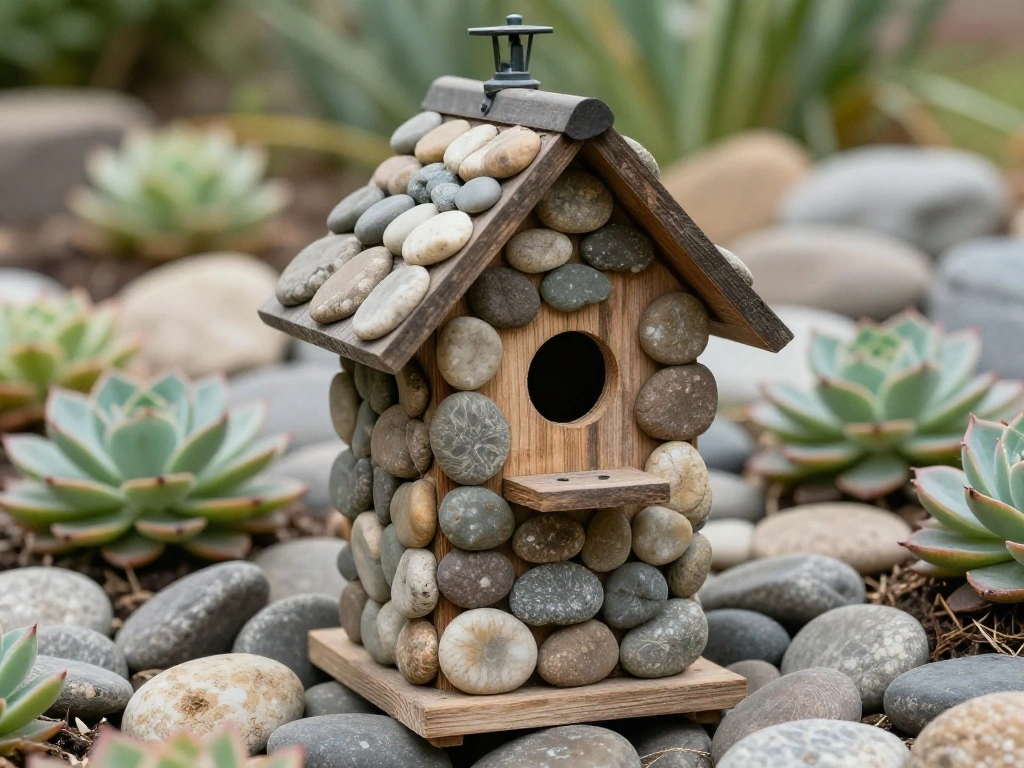
For gardeners who want a birdhouse that doubles as a piece of garden sculpture, covering a simple wooden base with smooth river stones or mosaic tiles creates something genuinely beautiful. Use exterior-grade adhesive to press stones of similar size across the surface, working methodically from bottom to top. Add a repurposed lamp shade or metal sheet as a roof for an eclectic finishing touch. These stone birdhouses work beautifully as focal points in rock gardens or at the base of a retaining wall, where their texture echoes the surrounding hard landscaping.
8. The Painted Statement Birdhouse
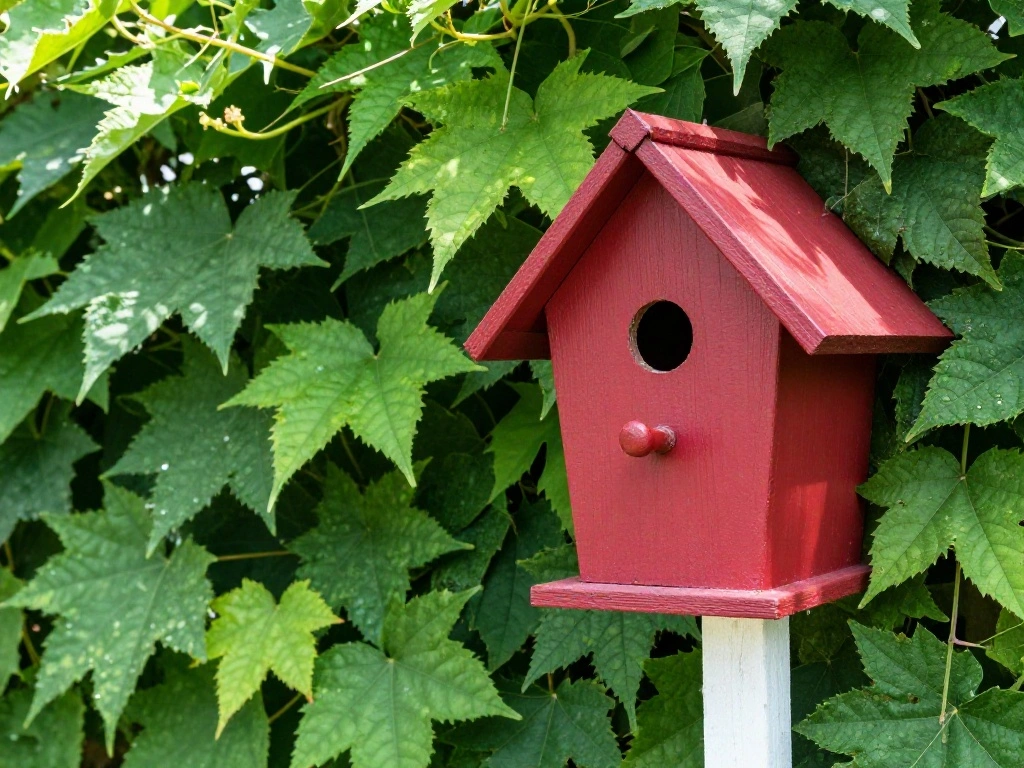
Bold color transforms an ordinary birdhouse into a garden centerpiece. Paint a large birdhouse in a deep teal, barn red, or mustard yellow and let it stand alone on a post against a backdrop of green foliage. The contrast is striking and instantly gives the garden a confident, curated aesthetic. Use exterior-grade, non-toxic paint to keep the surface safe for birds, and seal the finish with a clear weatherproof coat to extend its life through multiple seasons. A single painted statement birdhouse requires no other decoration nearby — it earns its place through color alone.
9. Birdhouses Along the Flower Bed Border
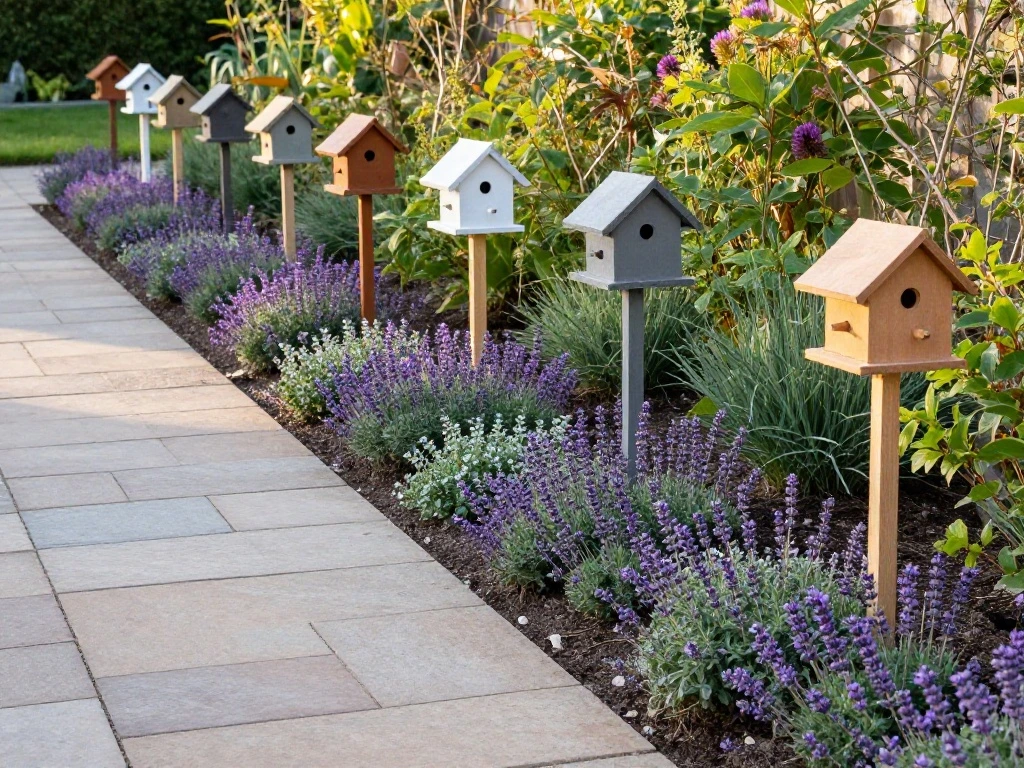
Placing a line of small birdhouses along the edge of a flower bed is a subtle and elegant way to define garden boundaries while adding vertical interest at ground level. Choose houses that are consistent in style but vary slightly in height and color so the row feels curated rather than mass-produced. Surround each house with low-growing plants such as catmint, dwarf lavender, or creeping thyme. The combination of the structured row of houses and the soft, spreading plants creates a beautifully balanced garden edge.
10. The Repurposed Teapot Birdhouse
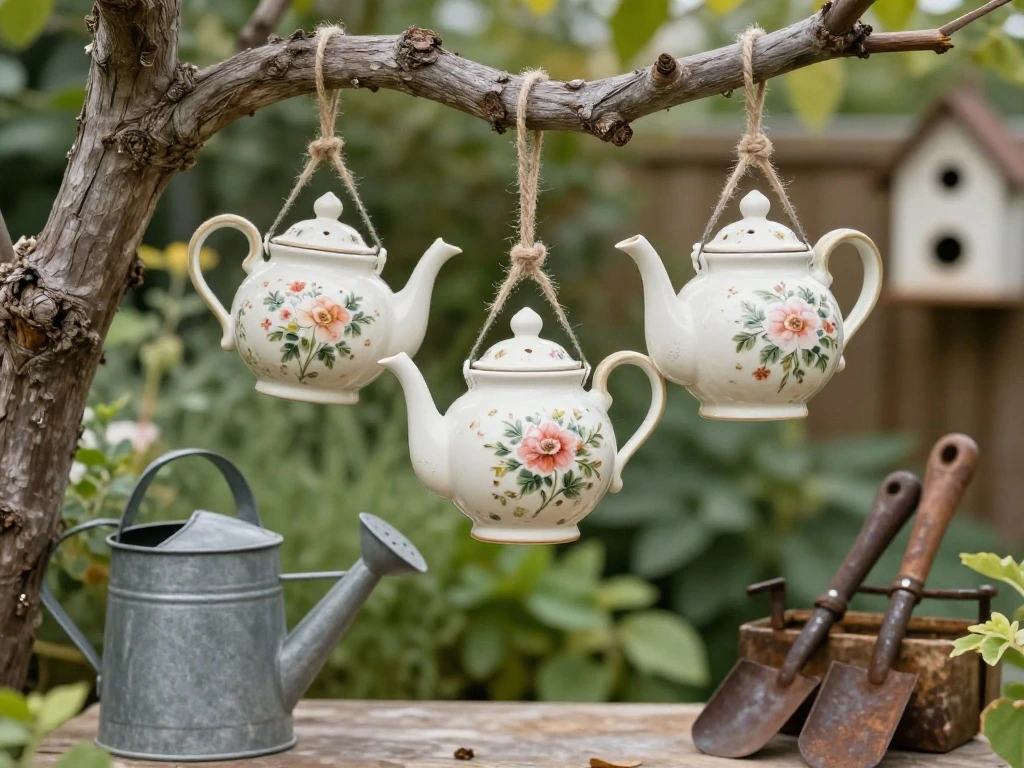
A ceramic teapot with a drainage hole drilled through the base and hung from a bracket or tree branch makes a wonderfully whimsical birdhouse for the decorative garden. Vintage teapots sourced from thrift stores or estate sales bring particular charm, especially those with hand-painted florals or unusual shapes. Because ceramic retains heat, these are best used as decorative pieces with the entry blocked off rather than functional nesting boxes. Displayed in clusters or alongside vintage garden tools, they add a storytelling quality to a garden corner.
11. A Birdhouse Chandelier
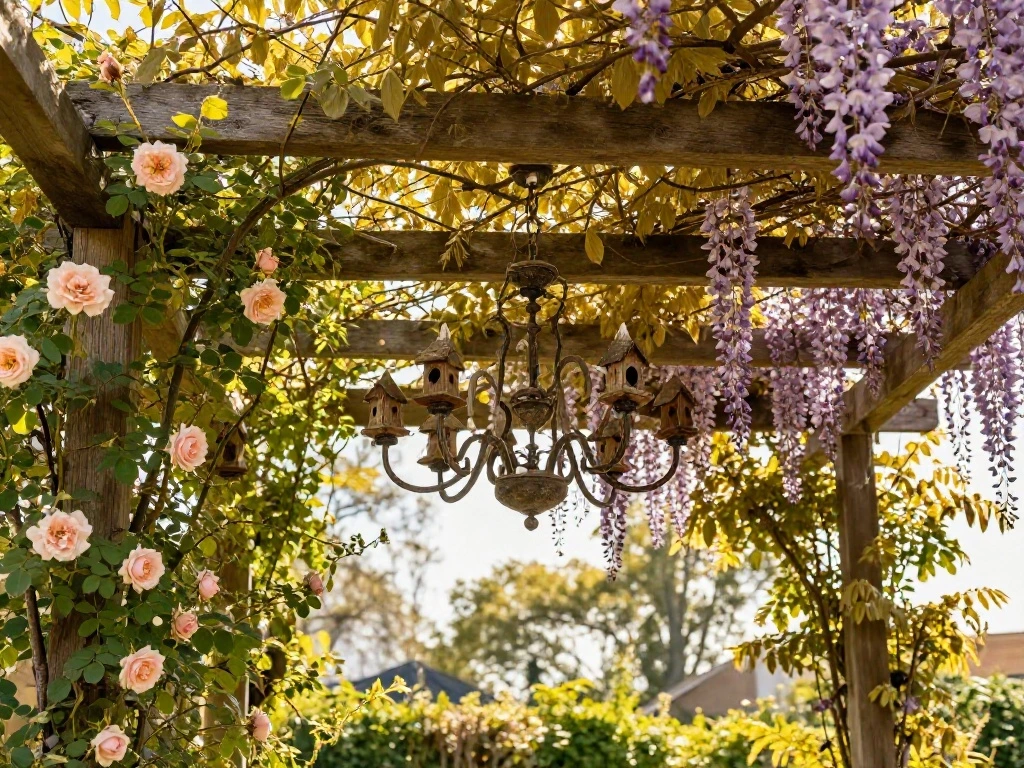
One of the most imaginative birdhouse garden ideas involves repurposing an old chandelier frame as a multi-house hanging display. Remove the light fittings, reinforce the frame, and wire several small birdhouses to the arms at varying heights. Hang the entire structure from a pergola beam or a sturdy shepherd’s hook and surround it with climbing roses or wisteria. The chandelier birdhouse becomes an unforgettable garden feature that draws every visitor’s eye upward and creates a sense of vertical drama in an otherwise horizontal space.
12. The Birdhouse Nestled in Climbing Vines
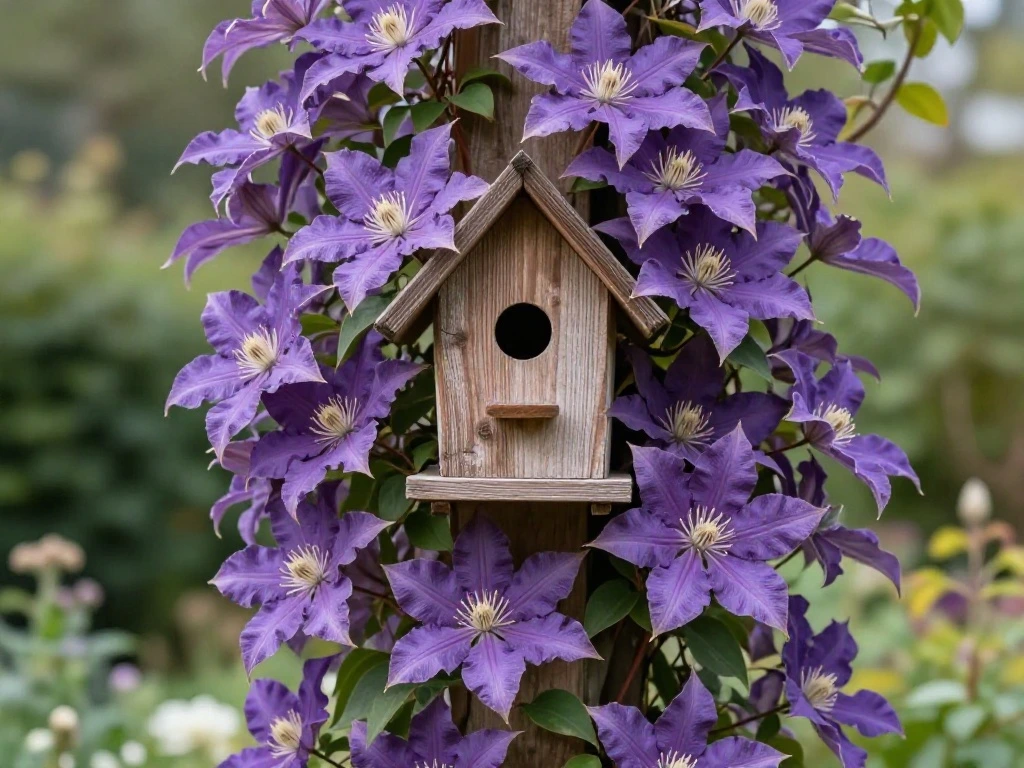
Training a climbing vine around the post of a birdhouse creates one of the most romantic garden scenes imaginable. Clematis is particularly suited to this treatment, wrapping delicately around wooden posts without causing structural damage. As the vine matures, the birdhouse appears to emerge from within the foliage, as though it grew there naturally. This idea works especially well in cottage gardens and informal borders where a slightly untamed, layered look is the intended aesthetic.
13. Species-Specific Nesting Boxes in a Wildlife Garden
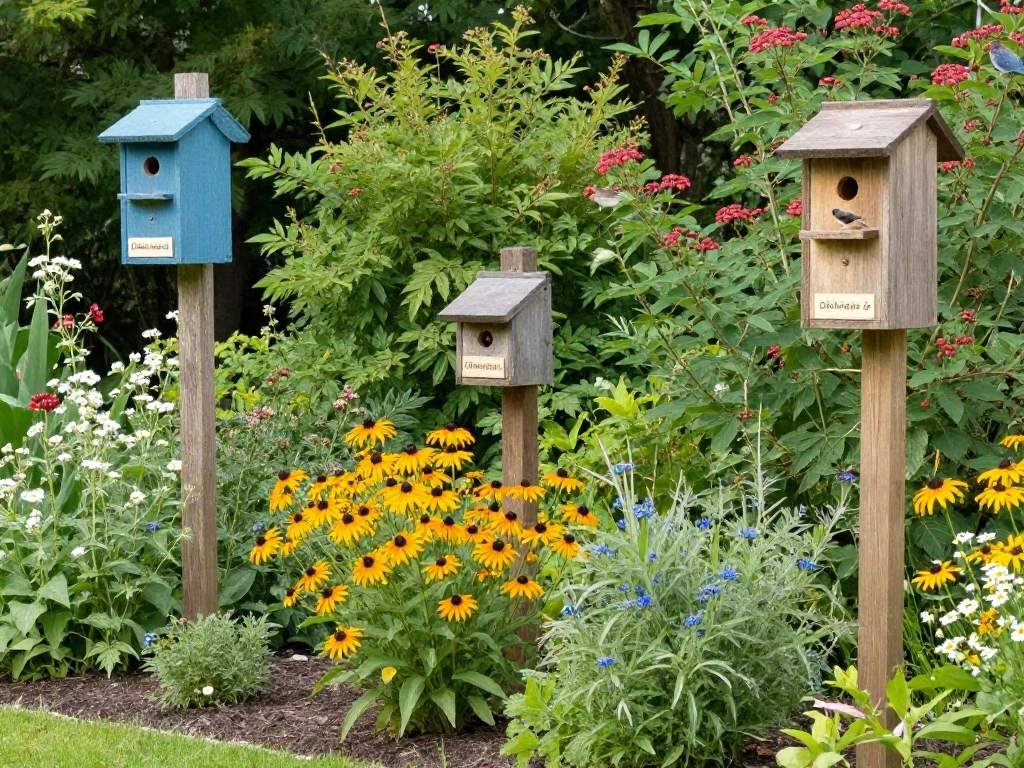
A thoughtful wildlife garden goes beyond decoration and includes functional nesting boxes designed specifically for the bird species native to your region. Bluebird boxes require a 1.5-inch entry hole and should face east or southeast. Wren houses need only a 1.125-inch opening and can be placed in sheltered spots near shrubs. Chickadee boxes benefit from a layer of wood shavings inside to simulate natural cavity conditions. Grouping several species-specific boxes in different areas of the garden creates a genuine bird sanctuary and dramatically increases the amount of birdsong and activity you will witness throughout the season.
14. The Reclaimed Wood Birdhouse
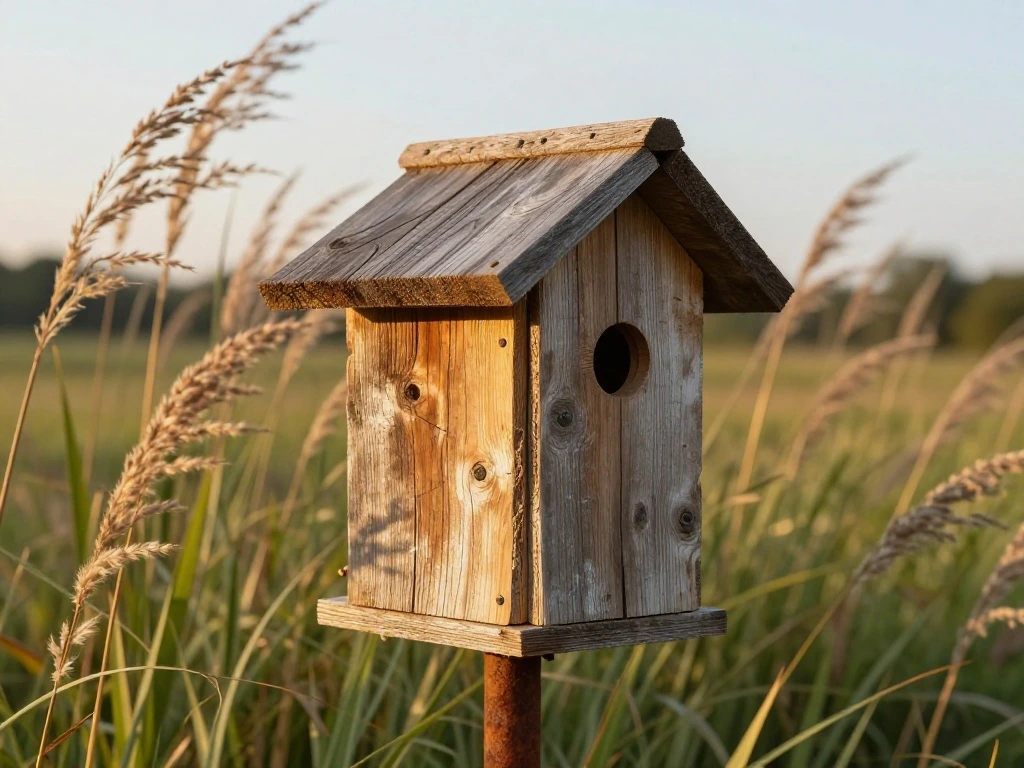
Using reclaimed barn wood, pallet timber, or salvaged fence boards to build a birdhouse gives the finished piece an authenticity that new materials simply cannot replicate. The weathered grain, the nail holes, the variations in color — all of these tell a story that makes the birdhouse feel as though it belongs in the landscape rather than having been placed there. Pair a reclaimed wood birdhouse with a rusted metal post and a planting of native grasses for a design that feels rooted in place and genuinely connected to the surrounding environment.
15. A Vertical Garden Pole with Stacked Birdhouses
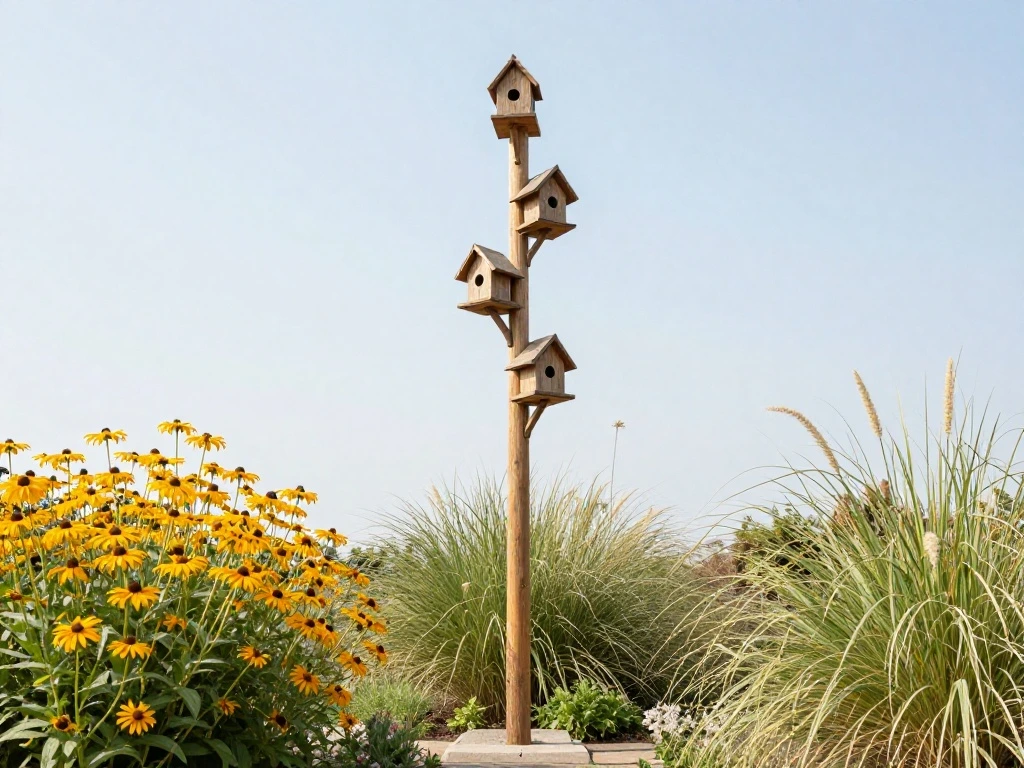
A tall galvanized or wooden pole with multiple birdhouses mounted at different heights creates a striking vertical accent in a garden corner or at the end of a pathway. The stacked arrangement draws the eye upward and makes even a small garden feel taller and more layered. Vary the sizes of the houses so the largest sits at the base and the smallest near the top, creating a naturally tapered silhouette. Surround the base with ornamental grasses or tall perennials such as rudbeckia or phlox to soften the transition between the pole and the ground.
Choosing the Right Materials and Placement
Regardless of which birdhouse garden ideas appeal to you most, the materials and placement you choose will determine both the longevity of your birdhouses and their effectiveness in attracting birds. Untreated wood remains the gold standard for functional nesting boxes because it breathes, insulates well, and does not leach harmful chemicals into the nesting environment. Cedar and pine are both excellent choices. For decorative birdhouses, exterior-grade paint and waterproof sealants will protect the surface through seasons of rain and sun.
Placement deserves as much thought as design. Most songbirds prefer houses that face away from prevailing winds and direct afternoon sun. Mounting heights vary by species, as noted above, but a general guideline of five to eight feet covers the needs of most common backyard birds. Ensure that the area around the entry hole is clear of obstructions so that birds can approach and depart freely.
Maintaining Your Birdhouse Garden
A birdhouse that is never cleaned will eventually stop attracting birds. At the end of each nesting season, remove old nesting material, scrub the interior with a mild solution of one part bleach to nine parts water, rinse thoroughly, and allow the house to dry completely before rehanging it. Check the structure for damage, reseal any gaps, and refresh the paint if necessary. A well-maintained birdhouse will serve its purpose and its garden for many years.
Conclusion
Birdhouse garden ideas span a remarkable range of styles, materials, and intentions — from the purely decorative to the seriously wildlife-focused. What they all share is the capacity to add a layer of life, character, and story to any outdoor space. Whether you choose a single painted statement piece on a post or build out an entire birdhouse village along a fence line, the act of welcoming birds into your garden changes the quality of the space in ways that go far beyond aesthetics. You gain movement, song, and a daily reminder that your yard is connected to something larger than itself. Choose the ideas that speak to your garden’s personality, plant thoughtfully around your birdhouses, keep them clean and well-maintained, and watch your yard become the kind of place that birds — and people — always want to return to.
Frequently Asked Questions
Q1. What is the best wood to use for a functional birdhouse?
Untreated cedar, pine, or redwood are the best choices. These woods are durable, naturally weather-resistant, and do not off-gas chemicals that could harm birds. Always avoid pressure-treated lumber or wood with chemical finishes on the interior.
Q2. How high should a birdhouse be mounted in the garden?
Most songbirds are comfortable with birdhouses mounted between five and ten feet above the ground. Bluebirds prefer five to six feet in open areas, wrens are happy at four to six feet near shrubs, and purple martin gourds are typically hung twelve to fifteen feet up on colony poles.
Q3. Should a decorative birdhouse have its entry hole blocked?
Yes. If a birdhouse is intended purely as garden decoration and is not built to proper nesting specifications, the entry hole should be blocked or painted over. Improperly constructed decorative houses can trap birds or expose them to predators.
Q4. What plants work best around birdhouses?
Native plants are ideal because they support the insect populations that birds depend on for feeding their young. Good choices include black-eyed Susans, coneflowers, yarrow, native grasses, salvia, and shrubs such as serviceberry or viburnum. Avoid planting aggressive climbers directly on functional nesting boxes.
Q5. How often should birdhouses be cleaned?
Functional nesting boxes should be cleaned once a year, ideally in late autumn after the nesting season ends. Remove old nesting material, sanitize the interior with a diluted bleach solution, rinse well, and allow to dry fully before the following spring.